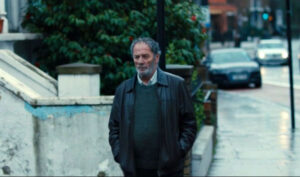
TMR editors selected ten gripping, disturbing, and often true-to-life NOIR films.
ALGERIA
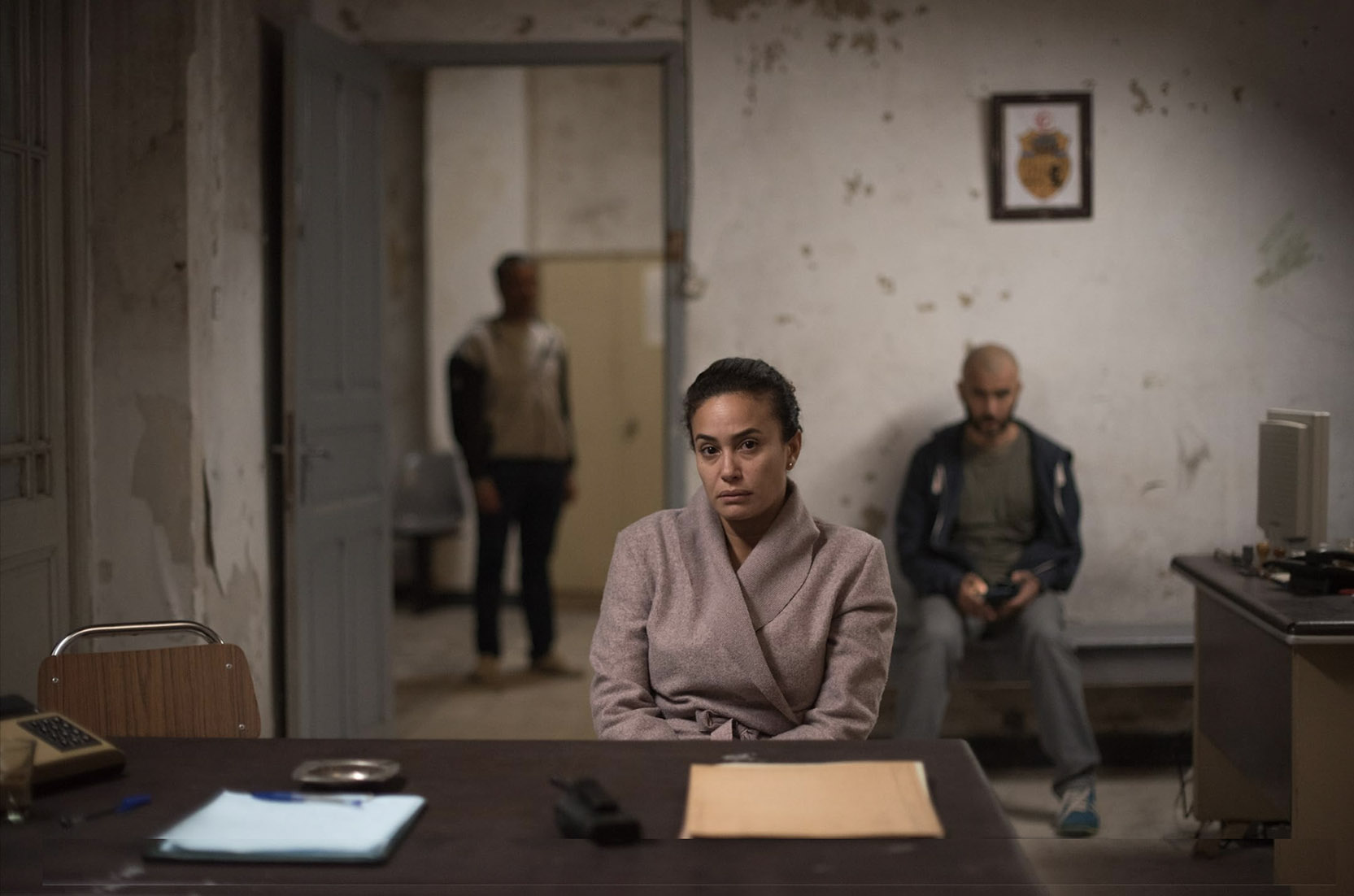
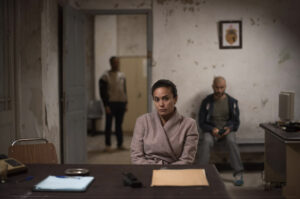
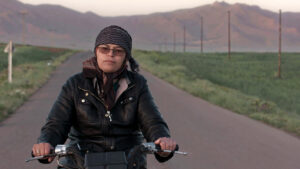
Noura’s Dream (2019), dir. Hinde Boujemaa, stars Hind Sabri as Noura, a mother of three caught between an abusive husband, unexpectedly home from prison, from whom she wants to divorce, and Lassaad, her lover. “To make matters worse, if Noura’s adultery with Lassaad is discovered, they could both be sentenced to five years in prison” (Seventh Row).
EGYPT
Cairo 30 (1966), dir. Salah Abu Seif, a classic noir thriller that “questions if poverty drives a person to be predator or prey in a crumbling society” (Cinemayaat). “The film follows three Egyptian university students in the 1930s. One is a leftist, struggling to fight against foreign domination and government oppression, while another takes up yellow journalism, and the third is devious and self-interested, constantly muttering the word tuz, or ‘who cares!’ How do these three deal with the injustice they live under? … Salah Abou Seif’s sarcastic tone compels spectators to venerate his use of symbolism, whether through characters, objects, places, and or camera shots, transforming Nobel Prize Winner Naguib Mahfouz’s novel into a must-watch film noir” (idem).
Eagles of the Republic (2025), third in the Cairo trilogy — following The Nile Hilton Incident (2017) and Boy from Heaven (2022) — from Swedish-Egyptian director Tarik Saleh. Fares Fares stars as revered but aging actor George Fahmy in this feature that is a cross between a satire and a political thriller.
IRAN
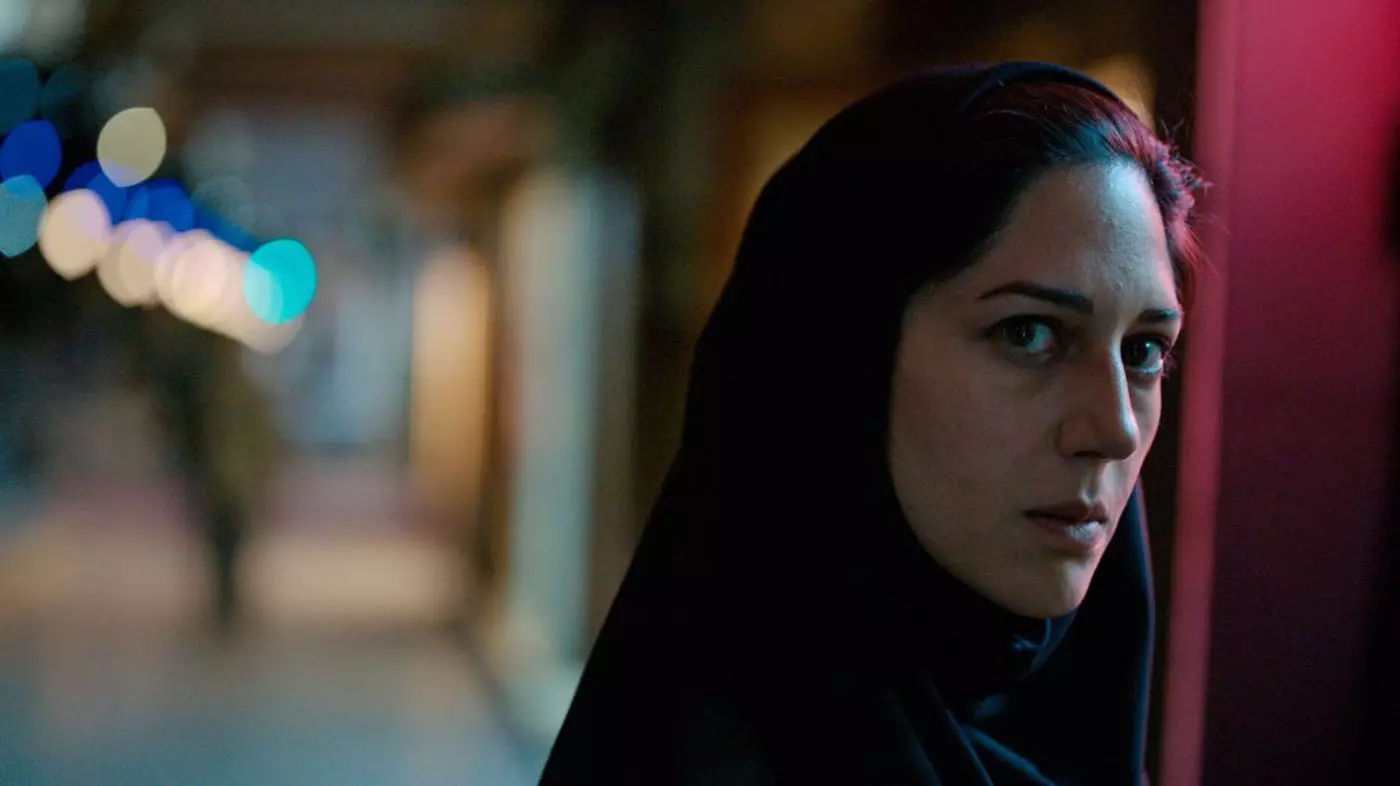
Holy Spider (2022), dir. Ali Abassi, recounts the story of an Iranian serial killer, based on a true story about female journalist Zar Amir-Ebrahimi, who investigates a series of killings in the conservative, that is to say “holy,” city of Mashhad, in which the suspect murders street prostitutes.
It Was Just an Accident (2025), dir. Jafar Panahi, follows a released ex-convict, who kidnaps the man whom he believes tortured him in prison, driving him around in a van while he tries to confirm the man’s identity (see our review in the NOIR issue).
LEBANON
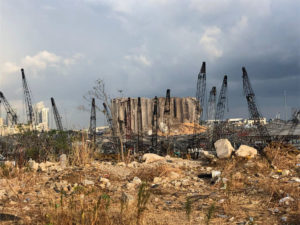
Incendies (2011), dir. Denis Villeneuve, based on Wajdi Mouawad’s three-and-a-half-hour play, starring Lubna Azabal as Nawal, a freedom-fighting woman who becomes a lover, a prisoner, a mother, and an émigré. Nawal’s long-suffering character is based on a historical figure, a woman named Souad Beshara, who attempted to murder a major Christian militia leader and spent 10 years in a southern Lebanon prison. “Incendies” refers to the fires of war that can consume a country, a family, and indeed an entire generation, as did Lebanon’s civil war, 1975-1990. A masterful film.
The Insult (2016) dir. Ziad Doueiri, follows Lebanese garage owner Tony Hanna (Adel Karam) and Palestinian construction foreman Yasser Salameh (Kamel El Basha), as the two men in Beirut engage in a prolonged feud stemming from a minor argument. The film underscores the point that in Lebanon, personal matters are never very far from the political.
MOROCCO
Zero (2012), dir. Nour-Eddine Lahmari. Set in Casablanca, Younes Bouab stars as troubled Amin Bertale, who bristles with righteous anger. Nicknamed “Zero,” he is a police officer in his thirties who patrols the streets of Casablanca, overcome by loss, futility and corruption.
PALESTINE
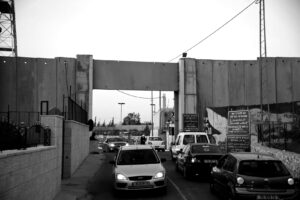
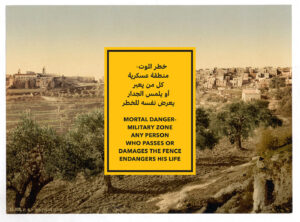
Huda’s Salon (2021) dir. Hany Abu-Assad, depicts the treachery of being Palestinian while living under the Israeli Occupation Forces in Bethlehem. As a review in TMR notes, “For a couple in Bethlehem, their lives are not only defined by apartheid, but by the daily threat of being shot at by trigger-happy settlers, police or soldiers, who rarely pay a price for murder. And everyone is subject to being spied upon, or being turned.”
TURKEY
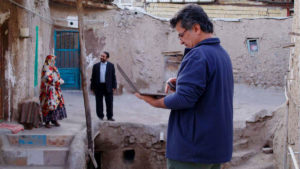
Once Upon a Time in Anatolia (2011), dir. Nuri Bilge Ceylan, melds crime procedural with “existential meditation,” as we follow a police officer and a doctor who search the Anatolian landscape for a buried boy, after two brothers confess to committing murder. The film is a “hypnotic blend of crime procedural and existential meditation… The plot follows a police officer, and a doctor—searching the Anatolian steppe for a buried body after two brothers confess committing a murder. But this isn’t a fast-paced thriller; it’s a slow, deliberate unraveling of human nature, where the real mystery isn’t the crime but the people involved” (The Other Tour).











![Ali Cherri’s show at Marseille’s [mac] Is Watching You](https://themarkaz.org/wp-content/uploads/2025/09/Ali-Cherri-22Les-Veilleurs22-at-the-mac-Musee-dart-contemporain-de-Marseille-photo-Gregoire-Edouard-Ville-de-Marseille-300x200.jpg)

















![Fady Joudah’s <em>[…]</em> Dares Us to Listen to Palestinian Words—and Silences](https://themarkaz.org/wp-content/uploads/2024/03/SAMAH-SHIHADI-DAIR-AL-QASSI-charcoal-on-paper-100x60-cm-2023-courtesy-Tabari-Artspace.jpg.webp)