Deux nouveaux ouvrages mettent en évidence la manière dont Gaza a changé le monde

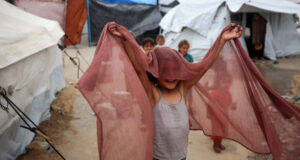
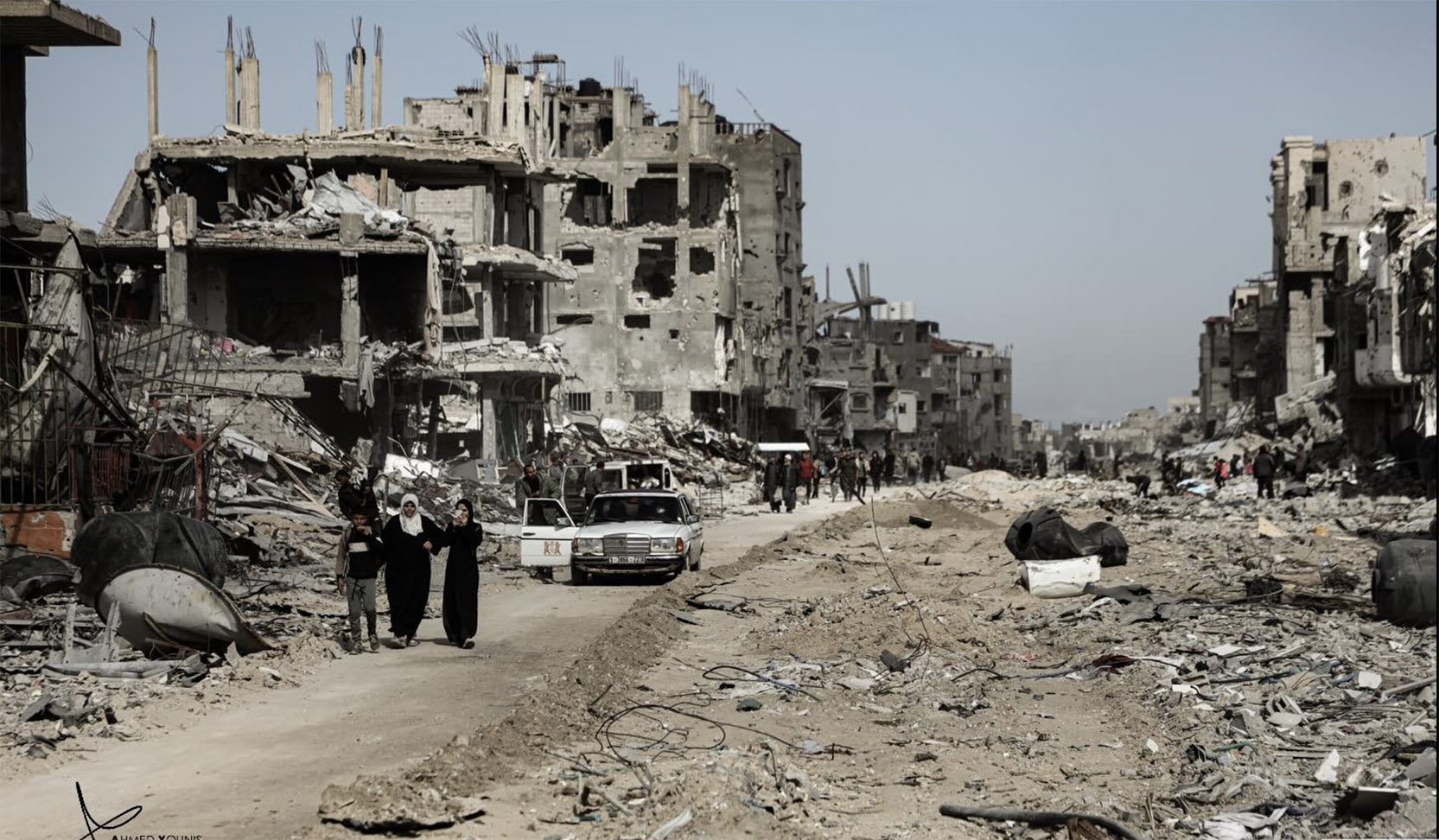
Ahmed Younes, « Devastated Rafah », Gaza, Janvier 2025 (avec l’aimable autorisation d’Ahmed Younes)

13 FEBRUARY 2026 • By Rebecca Ruth Gould

Select Other Languages English.

Deux ouvrages tout juste publiés mettent en lumière les événements qui ont mené au 7 octobre 2023 et à ses conséquences. Il est notable que tous deux fassent ce que les politiciens refusent précisément de faire : prendre l’histoire au sérieux.

Genocide in Gaza: Israel’s Long War on Palestine by Avi Shlaim
Irish Pages Press 2025
ISBN 9781739090227

The Gaza Catastrophe: The Genocide in World-Historical Perspective by Gilbert Achcar
University of California Press and Saqi Books 2025
ISBN 9780520423558


Dès le lendemain des attaques menées par le Hamas dans le sud d’Israël le 7 octobre 2023, les dirigeants mondiaux se sont empressés d’offrir à l’État hébreu leur soutien inconditionnel à toutes les mesures qu’il jugerait nécessaires afin d’« éliminer le Hamas » et d’assurer la sécurité du pays. De l’évaluation qu’Israël lui-même a menée sur la situation, il ressortait que ces « mesures nécessaires » comprenaient le génocide et la famine forcée du peuple palestinien. Tactiques considérées comme faisant simplement partie du calcul, un prix à payer. Le président américain Joe Biden a lui-même déclaré de manière explosive que l’attaque du Hamas était « aussi grave que l’Holocauste ». Au Royaume-Uni, le leader du Parti travailliste et futur Premier ministre Keir Starmer a, quant à lui, affirmé qu’Israël avait le droit de couper l’eau et l’électricité à la population assiégée de Gaza.
Genocide in Gaza Avi Shlaim
Genocide in Gaza est publié par Irish Pages.

Ce qui frappe le plus dans ces déclarations de politiciens exprimant leur soutien inconditionnel au génocide perpétré par Israël, c’est leur ignorance totale de l’histoire. Cet exemple de violence menée par le Hamas a été présenté comme s’il s’était produit hors de tout contexte, et comme si l’État d’Israël n’avait pas mené de guerre contre les Palestiniens depuis sa création en 1948. Cet effacement de l’histoire a été une stratégie fréquente dans les efforts visant à réprimer ceux qui racontent l’histoire du génocide de Gaza, et il a de graves conséquences non seulement pour le présent, mais aussi pour l’avenir de la paix dans la région.

Alors que les politiciens occidentaux réduisent au silence ceux qui insistent pour replacer le génocide dans son contexte historique global, des universitaires documentent depuis des décennies les stratégies mises en place de longue date par Israël pour torpiller les négociations diplomatiques. Deux universitaires en particulier, l’historien israélo-britannique Avi Shlaim, né en Irak, et le théoricien politique Gilbert Achcar, né au Sénégal et qui a grandi au Liban, ont publié des ouvrages rassemblant leurs écrits des dernières décennies au sujet d’Israël et de la Palestine. Ces textes apportent un éclairage significatif sur les événements qui ont mené au 7 octobre 2023 et à leurs conséquences à long terme, ils sont notables parce qu’ils font ce que les politiciens refusent précisément de faire : prendre l’histoire au sérieux.
Gaza Catastrophe est publié par UC Press
Gaza Catastrophe est publié par UC Press.

Shlaim et Achcar travaillent tous deux dans le domaine des relations internationales. Achcar s’intéresse à la géopolitique d’un point de vue théorique global et se concentre sur l’impact du génocide de Gaza sur le système international. Le travail de Shlaim repose sur des recherches archivistiques et la comparaison des stratégies changeantes mais cohérentes d’Israël au fil du temps. Son dernier recueil d’écrits démontre qu’il a eu l’honnêteté intellectuelle de changer d’avis au fil des ans, lorsque les archives lui ont fourni la preuve qu’Israël n’était pas un partenaire de la paix. Dans un essai sur l’opération Plomb durci (2008-2009), Shlaim écrit « en tant que personne ayant servi loyalement dans l’armée israélienne au milieu des années 1960 et n’ayant jamais remis en question la légitimité de l’État d’Israël dans ses frontières d’avant 1967 ». Pourtant, dans l’épilogue, les actions d’Israël sont décrites comme du « terrorisme étatique ». Les méthodologies différentes mais complémentaires de Shlaim et Achcar nous offrent un riche ensemble d’outils empiriques et théoriques pour remettre en question la tendance des médias et des politiciens à effacer la longue histoire de ce que Rashid Khalidi a appelé la « guerre de cent ans d’Israël contre la Palestine » .

Le contexte que les deux auteurs présentent nous aide à avoir une vue d’ensemble et à soulever les questions cruciales sur les décennies de négociations infructueuses et de guerres d’usure qui ont conduit à l’attaque du Hamas. Achcar plaide en faveur d’une compréhension du génocide de Gaza dans un contexte temporel plus large à travers une analogie provocante. « Imaginez, écrit-il, un Amérindien qui, ayant l’intention d’incendier quelques maisons dans une colonie de colons blancs voisine, déclenche par inadvertance l’explosion gigantesque d’une énorme quantité de matériaux explosifs, délibérément accumulés dans le but de semer la mort et le chaos dans la réserve indienne à laquelle appartient le pyromane. » Comme le suggère cette comparaison avec le génocide des Amérindiens, l’histoire derrière ces attaques du Hamas, qui ont servi de prétexte à ce chapitre particulièrement intense de la Nakba palestinienne en cours, est longue. L’exemple d’Achcar nous amène à nous demander pourquoi ces réserves ont été créées, dans les mêmes villages d’où les habitants de Gaza et leurs ancêtres avaient été expulsés lors de la Nakba initiale de 1948. Et qu’est-ce qui a rendu les partisans des réserves si certains qu’ils seraient en sécurité sur les terres occupées ?

La diplomatie comme une prolongation de la guerre par d’autres moyens

Cette nécessité de prendre l’histoire au sérieux est aussi soulignée dans l’essai de Shlaim sur la formation politique de Benjamin Netanyahu, l’un des trois chapitres écrits spécialement pour cet ouvrage (les deux autres sont « Israel’s Road to Genocide » – Le chemin israélien vers le génocide, co-écrit avec Jamie Stern-Weiner, et « Green Light to Genocide: Joe Biden and Israel’s War in Gaza » – Feu vert pour le génocide : Joe Biden et la guerre d’Israël à Gaza). Le père de Netanyahu, Benzion Netanyahu, était un historien renommé, spécialiste des Juifs d’Espagne, il était également conseiller de Ze’ev Jabotinsky, fondateur du sionisme révisionniste, et auteur de l’un des textes les plus influents de ce mouvement, « On the Iron Wall (We and the Arabs) » – Sur le mur de fer (nous et les Arabes). Cette lignée directe, qui va des fondateurs du sionisme à l’actuel Premier ministre israélien, fait partie du contexte nécessaire pour comprendre ce qu’Achcar appelle, en référence directe à la Nakba, la « catastrophe de Gaza ».

Dans sa préface à Genocide in Gaza, Francesca Albanese, rapporteuse spéciale des Nations unies sur les territoires palestiniens occupés, souligne également la dimension temporelle qui est si souvent effacée des discussions sur le génocide de Gaza. « Si on veut le comprendre correctement, écrit Albanese, le génocide est un processus, et non un acte, et il se déroule par étapes. » Shlaim conclut son rapport de 2023 pour la Cour internationale de justice, qui constitue le chapitre le plus long de son recueil, en insistant sur le fait que « le régime actuel d’apartheid israélien ne peut être correctement compris que dans le contexte du colonialisme de peuplement sioniste ».

En examinant l’évolution de ce régime d’apartheid sous un angle historique, on constate que les manœuvres israéliennes visant à contrecarrer les efforts diplomatiques actuels pour mettre fin au génocide à Gaza, tant sous Biden que sous Trump, reprennent les stratégies que le pays a testées sous les précédentes présidences américaines, avec des résultats tout aussi néfastes pour la paix. Israël maîtrise parfaitement la technique consistant à utiliser la diplomatie comme « une prolongation de la guerre par d’autres moyens », pour reprendre la caractérisation de Shlaim à propos d’Ehud Barak. Selon l’historien, les dirigeants israéliens ont toujours craint la modération arabe, dans la mesure où elle représente une « menace pour leurs plans expansionnistes ». Par conséquent, la stratégie a toujours consisté à présenter l’autre, l’Arabe, comme hostile à la paix et fermé à toute négociation, tout en sabotant la diplomatie à chaque étape.

Malgré tout ce qui a pu distinguer certains dirigeants israéliens et tout ce qui a pu faire que certains semblaient être des partenaires plus fiables pour conclure la paix, Shlaim montre efficacement que tous les Premiers ministres israéliens se sont engagés en faveur de l’idée d’un Grand Israël et n’ont jamais renoncé à cette ambition territoriale, même lorsqu’ils ont accepté de négocier. À la lumière de ce schéma, la célèbre boutade du diplomate israélien Abba Eban selon laquelle « les Arabes ne manquent jamais une occasion de manquer une occasion de faire la paix » semble faire partie d’une stratégie de propagande plutôt que d’une description fidèle de la réalité. Les faits montrent que ce ne sont pas les Arabes qui manquent les occasions de faire la paix, mais les Israéliens qui fabriquent des mythes sur l’intransigeance palestinienne afin de dissimuler et de justifier leurs objectifs militaires. Comme le démontre Achcar, ce mythe continue aujourd’hui de structurer les hiérarchies morales occidentales, en ce qui concerne Gaza et d’autres territoires.

Selon Shlaim, le sionisme a toujours été plus que la simple création d’un État juif en Palestine : en tant que mouvement historique, il a visé à étendre les frontières de cet État aussi loin que possible afin de « réduire le nombre d’Arabes à l’intérieur de ses frontières ». En d’autres termes, le génocide auquel nous avons assisté à Gaza au cours des deux dernières années est le résultat logique des premières ambitions du sionisme.

Une fois que le mouvement sioniste a décidé de créer un État juif en Palestine, ses dirigeants ont dû encore affiner les stratégies qui leur permettraient de changer la donne sur le terrain. Parmi les plus efficaces de ces stratégies figurait le refus – parfois poli et conciliant dans la forme, parfois chargé de rhétorique incendiaire – de déclarer les frontières d’Israël. Shlaim souligne ce point en se référant à la réponse d’Israël à la résolution 242 des Nations unies, adoptée pendant la guerre de 1967, et ajoute que les frontières d’Israël restent, à ce jour, non délimitées. Edward Said faisait la même remarque en 2000, lorsqu’il décrivait Israël comme « le seul État au monde sans frontières officiellement déclarées ».

Un État qui sabote systématiquement les négociations de paix, viole les cessez-le-feu et refuse de s’engager dans un plan de paix clair ne devrait pas être pris au sérieux en tant qu’acteur international. Et pourtant, Israël continue d’être traité avec déférence par les membres les plus puissants de la communauté internationale, en particulier les États-Unis. Shlaim nous aide, autant qu’un universitaire peut le faire, à comprendre le pouvoir particulier que l’État hébreu a pu exercer en se positionnant dans une posture conciliante sur la scène internationale, tout en annexant activement le territoire palestinien.

Achcar se concentre davantage sur les failles de la stratégie du Hamas qui ont également contribué à la catastrophe actuelle à Gaza. Soulignant la supériorité militaire incontestable d’Israël, il note que « la seule stratégie rationnelle » pour un mouvement de résistance confronté à un tel ennemi est « de mener la lutte sur un terrain où l’ennemi ne détient aucune supériorité, mais où il se trouve plutôt dans une position d’infériorité morale ». Pour Achcar, ce terrain est illustré par « la lutte non violente de masse contre l’occupant, dont la première Intifada, qui a atteint son apogée en 1988, est le meilleur exemple ».

En critiquant les décisions prises par le Hamas, Achcar ne tient pas pleinement compte de la brutalité exponentielle avec laquelle Israël réprime les manifestations palestiniennes depuis quarante ans. En 1988, l’État israélien avait moins d’expérience en matière de répression du mouvement palestinien. Les Palestiniens ont courageusement tenté de recréer les conditions de la première Intifada, mais la répression qui a suivi des événements tels que la Grande Marche du retour en 2018, au cours de laquelle des milliers de personnes ont été tuées et mutilées, démontre que les conditions nécessaires à un soulèvement populaire non violent ne peuvent être créées par la simple volonté de ceux qui l’entreprennent.

Shlaim et Achcar critiquent tous deux sévèrement les Nations unies, qu’ils considèrent comme un médiateur de paix défaillant. Shlaim note que les mauvaises décisions des Nations unies sont le résultat de la mentalité colonialiste des époques précédentes, qu’il fait remonter à la Société des Nations, laquelle a approuvé la déclaration Balfour et l’a intégrée au mandat britannique sur la Palestine en 1922. Shlaim reconnaît également que la résolution de partition de l’ONU de 1947 « a rendu la guerre entre Arabes et Juifs inévitable ».

Pour sa part, Achcar souligne l’aveuglement et l’hypocrisie qui ont conduit la majorité de l’Assemblée générale des Nations unies à approuver en 1949 une résolution affirmant qu’« Israël est un État épris de paix qui accepte les obligations contenues dans la Charte et qui est capable et disposé à s’acquitter de ces obligations ». Cette approbation ne pouvait être plus éloignée de la vérité, et son caractère mensonger aurait dû être évident au lendemain de la Nakba. En bref, Shlaim reconstitue l’échec de la communauté internationale à rendre justice aux Palestiniens du point de vue de la politique intérieure d’Israël, tandis qu’Achcar situe cet échec dans le contexte de la crise de l’ordre mondial post-1945. Pour les deux auteurs, Gaza est un tournant sans retour.

Un deuxième Oslo ?

Malgré une mobilisation populaire massive, comptant des millions de personnes défilant dans les rues des capitales mondiales, de Londres à Paris en passant par Berlin, les États qui financent ce génocide ont consacré plus d’énergie à réprimer la lutte des Palestiniens pour la liberté qu’à la soutenir. Les solutions à deux États continuent d’être promues de manière abstraite afin de détourner l’attention des changements démographiques opérés par Israël sur le terrain, qui ont rendu ces mêmes solutions impossibles à mettre en œuvre.

Les négociations de cessez-le-feu actuelles, que beaucoup à Gaza ont qualifiées de nouvelle itération du génocide, ont au moins inauguré une période moins ouvertement violente que la campagne de destruction et de bombardements aveugles qui a détruit les infrastructures de l’enclave. Cependant, si le rythme de la campagne génocidaire d’Israël a ralenti, elle n’a pas cessé pour autant. Les négociations en cours risquent de devenir un deuxième Oslo : largement saluées comme une avancée diplomatique, elles pourraient pourtant aboutir à une impasse sans progrès, voire à une situation encore pire. Selon la critique d’Achcar, il pourrait s’agir d’une nouvelle tentative de gérer la catastrophe sans s’attaquer à ses causes.

Même lorsque l’administration Trump évoque vaguement un « gouvernement technocratique palestinien » à Gaza, les conditions nécessaires à la paix en Palestine sont totalement absentes. L’expansion des colonies se poursuit à un rythme soutenu en Cisjordanie, et les frontières de Gaza rétrécissent à mesure que la zone tampon israélienne s’étend. L’asymétrie des pouvoirs est flagrante, et les deux dernières années de destruction n’ont rien changé à ce calcul.

Les leçons de l’histoire sont sombres, mais elles peuvent aussi donner de l’espoir. Aucun peuple ne s’est laissé asservir éternellement. De l’Irlande à l’Algérie, de longues luttes de libération ont abouti à la liberté des peuples. Comme le soutient Achcar, plus l’asymétrie militaire entre Israël et la Palestine devient criante, plus la lutte se déplace vers le terrain éthique et politique, où la position d’Israël est objectivement plus faible. Israël a perdu – et continue de perdre – devant l’opinion publique.

Gaza aujourd’hui

Malgré l’importance des contributions de leurs auteurs respectifs à notre compréhension de la longue guerre menée par Israël contre la Palestine, les derniers ouvrages de Shlaim et d’Achcar souffrent tous deux de défauts structurels : publiés en plein état d’urgence, au milieu d’un génocide, ces textes plus anciens montrent les effets d’un manque de révision. Shlaim note qu’aucun de ses essais n’a d’ailleurs été révisé pour ce livre, ce qui entraîne d’importantes répétitions. Dans le cas d’Achcar et selon le cadre qu’il s’est donné, le livre a été publié dans l’urgence du moment et ne pouvait donc en aucun cas offrir une vue d’ensemble « historique et mondiale » du génocide : ses observations sont trop fragmentées pour générer un récit synthétique. Les deux livres sont riches en applications potentielles, mais le travail d’interprétation par rapport au présent est largement laissé au lecteur.

En matière de ligne directrice, le livre de Shlaim traite moins des deux dernières années de génocide à Gaza que de l’histoire plus longue des manœuvres diplomatiques d’Israël. On pourrait certainement affirmer que le génocide qui se déroule à Gaza s’est produit sur une longue période, de la Nakba à nos jours. C’est ce que laisse entendre Albanese. Mais aucune synthèse analytique ne permet d’en faire le point de vue explicite du livre. En effet, l’ouvrage ne présente pas d’argument unique, il s’agit plutôt d’une chronique documentant l’évolution de l’analyse d’un éminent universitaire au fil du temps, mais sans point commun facile à dégager. Les arguments, tels qu’ils nous sont livrés, se situent davantage au niveau des chapitres individuels qu’au niveau de l’ensemble du livre.

Quant au travail d’Achcar, si la plupart des textes y sont ancrés dans les deux dernières années, on a néanmoins le même sentiment que l’ouvrage n’est pas tout à fait prêt à offrir une réflexion historique sur notre époque actuelle. Les deux livres pourraient être décrits comme des dépêches, des recueils d’essais situés dans un lieu et un temps différents, juxtaposés aux horreurs du présent. Ce sont des fragments qui échouent contre les ruines de Gaza. Alors que le sang coule encore, que Gaza reste assiégée et que des enfants meurent de faim ou de froid parce qu’Israël refuse de laisser entrer les fournitures essentielles à leur survie, il est trop tôt pour espérer des arguments cohérents qui couvrent toute la longueur d’un livre.

Ces limites sont le signe des temps et de l’état d’urgence dans lequel nous vivons. L’année 2025 a vu déferler une vague de livres qui se proposaient de nous apprendre à quoi ressemblerait le monde « après Gaza ». Le premier d’entre eux était Being Jewish After the Destruction of Gaza de Peter Beinart, publié en janvier. Il a été suivi le mois suivant par The World After Gaza: A Short History de Pankaj Mishra. Vers la fin de l’année 2025, After Savagery: Gaza, Genocide, and the Illusion of Western Civilization de Hamid Dabashi s’est ajouté à cette tendance, tout en reconnaissant l’exclusion de Gaza du prisme interprétatif. Aucun de ces livres ne traite principalement de Gaza, mais tous présentent le génocide de Gaza comme un fait accompli, comme si le monde était désormais passé à autre chose et que nous pouvions adopter une perspective purement rétrospective, plutôt que de demander des comptes dans le présent dans lequel nous sommes. Il peut sembler injuste de juger des livres à partir des prépositions utilisées dans leurs titres, mais à mon avis, l’utilisation du mot « après » en relation avec Gaza alors qu’un génocide est en cours cause un véritable préjudice à la lutte palestinienne. Il n’y a pas d’« après » en ce qui concerne Gaza. Beaucoup de choses ont été détruites, mais la population gazaouie continue de lutter pour la liberté et la justice, ainsi que pour sa simple survie. Nous ne sommes pas encore arrivés à un moment où nous pouvons historiciser les événements de manière appropriée.

Il faut reconnaître à Shlaim et Achcar qu’ils évitent les écueils de Beinart, Mishra et Dabashi en s’appuyant principalement sur leurs travaux précédemment publiés, dans lesquels ils ont soigneusement analysé les campagnes militaires israéliennes précédentes. Ils évitent également un cadre temporel qui positionne l’anéantissement de Gaza exclusivement dans le passé, comme s’il s’agissait d’un processus lointain dont le dernier chapitre a été écrit. Si les deux ouvrages évitent ces défauts de la réflexion d’« après Gaza » – et apportent ainsi un plus grand sérieux et une plus grande responsabilité au débat –, ils ne vont pas au-delà et n’offrent pas d’alternative pleinement développée à notre paralysie actuelle. Ils restent confinés dans un horizon historique, et semblent hésitant à sortir de leur zone de confort.

Pourtant, à y regarder de plus près, ces deux ouvrages nous donnent les outils nécessaires non seulement pour comprendre le passé, mais aussi pour agir dans le présent. Ils fournissent des preuves irréfutables que les violations actuelles du droit international par Israël remontent à ses tout débuts en tant qu’État, tout comme la complicité criminelle de la communauté internationale. Ils démontrent la futilité et la fourberie des négociations de paix, dans lesquelles l’une des parties a toujours été plus intéressée par l’acquisition de terres que par la fin du conflit. Ils exposent les limites des institutions internationales qui ont été fondées avec pour mandat de garantir les droits fondamentaux de tous les peuples, mais qui, dans la pratique, renforcent les inégalités mondiales.

En nous montrant ce à quoi et à qui nous ne pouvons pas faire confiance et ce que nous ne pouvons pas attendre d’institutions creuses et moralement vides qui soutiennent l’ordre international, Shlaim et Achcar nous incitent également à nous tourner vers d’autres solutions : les manifestations organisées depuis la base, la mobilisation populaire et la désobéissance civile. Bien que de plus en plus dangereuses pour ceux qui s’y engagent, ces tactiques se sont avérées efficaces, en particulier auprès de l’opinion publique.

Aucun d’entre nous ne sait vraiment quelles ont été les conséquences du génocide de Gaza au niveau de la politique internationale. Nous ne savons pas non plus ce que l’avenir nous réserve, ni comment ni quand les Palestiniens obtiendront leur liberté. Mais, si l’avenir est incertain, nos obligations sont claires. Nous pouvons accélérer l’obtention de cette liberté en mettant en œuvre les revendications de la campagne BDS, en refusant toute complicité avec l’occupation et en dénonçant le génocide. La tâche n’est pas d’interpréter l’« après Gaza », mais d’assumer nos responsabilités et de demander des comptes pendant le génocide en cours contre les Gazaouis.

Traduit de l’anglais par Marion Beauchamp-Levet

Rebecca Ruth Gould

Rebecca Ruth Gould is Distinguished Professor of Comparative Poetics and Global Politics at SOAS University of London. Her most recent book is Erasing Palestine: Free Speech and Palestinian Freedom (Verso, 2023). Her writing has been featured by Al Jazeera and published by London Review of Books,... Read more

Join Our Community

TMR exists thanks to its readers and supporters. By sharing our stories and celebrating cultural pluralism, we aim to counter racism, xenophobia, and exclusion with knowledge, empathy, and artistic expression.

Learn more

RELATED

Book Reviews

Art and Disillusionment in Saleem Haddad’s Floodlines

20 FEBRUARY 2026 • By Layla AlAmmar
Art and Disillusionment in Saleem Haddad’s <em>Floodlines</em>
Book Reviews

Two New Books Show How Gaza Changed the World

13 FEBRUARY 2026 • By Rebecca Ruth Gould
Two New Books Show How Gaza Changed the World
Columns

On Legal Victories and Human Healing

13 FEBRUARY 2026 • By Amal Ghandour
On Legal Victories and Human Healing
Book Reviews

Stolen Nation: An Argument for Palestinian Reparations

6 FEBRUARY 2026 • By Selma Dabbagh
<em>Stolen Nation</em>: An Argument for Palestinian Reparations
Columns

Small Moments and Their Much Larger Meaning

30 JANUARY 2026 • By Amal Ghandour
Small Moments and Their Much Larger Meaning
Fiction

“Tiny Suns”—a short story

30 JANUARY 2026 • By Sahar Mustafah
“Tiny Suns”—a short story
Essays

Jewish Supremacy and the Making of Genocide in Gaza

30 JANUARY 2026 • By Sheryl Ono
Jewish Supremacy and the Making of Genocide in Gaza
Art

Behind the Seen: Mona Hatoum on Art and Palestine

30 JANUARY 2026 • By Arie Amaya-Akkermans
<em>Behind the Seen</em>: Mona Hatoum on Art and Palestine
Essays

Not Even the Dead Rest in Palestine

30 JANUARY 2026 • By A Mom from Bethlehem
Not Even the Dead Rest in Palestine
Essays

How Can Palestinians and Israelis Live Together?

30 JANUARY 2026 • By Raja Shehadeh
How Can Palestinians and Israelis Live Together?
Film Reviews

With Hasan in Gaza: Salvaged Palestine

30 JANUARY 2026 • By Jim Quilty
<em>With Hasan in Gaza</em>: Salvaged Palestine
TMR 57 • PALESTINE

In Two New Books, Palestinian Writing Bears Witness

30 JANUARY 2026 • By Gabriel Polley
In Two New Books, Palestinian Writing Bears Witness
Book Reviews

You Must Live: A Collection of Palestinian Poetry

30 JANUARY 2026 • By Sholeh Wolpé
<em>You Must Live</em>: A Collection of Palestinian Poetry
TMR 57 • PALESTINE

Letter from Gaza: Our Long Wait for Gas

30 JANUARY 2026 • By Esraa Abo Qamar
Letter from Gaza: Our Long Wait for Gas
TMR 57 • PALESTINE

Letter from Gaza: Stuck in Place

30 JANUARY 2026 • By Mariam Mushtaha
Letter from Gaza: Stuck in Place
Editorial

Why PALESTINE?

30 JANUARY 2026 • By TMR
Why PALESTINE?
Columns

Trump, The Liberator! (and the Fear Wagons)

16 JANUARY 2026 • By Amal Ghandour
Trump, The Liberator! (and the Fear Wagons)
Film

The Palestinian Legacy of Mohammad Bakri

2 JANUARY 2026 • By Hadani Ditmars
The Palestinian Legacy of Mohammad Bakri
Columns

Emm Kamel: The Future Is Here and So Is the Past

19 DECEMBER 2025 • By Amal Ghandour
<em>Emm Kamel</em>: The Future Is Here and So Is the Past
Fiction

A Bomb for Personal Use—an excerpt

5 DECEMBER 2025 • By Mirna Al-Mahdi
<em>A Bomb for Personal Use</em>—an excerpt
short story

“Tuesday”—a story from Palestine

5 DECEMBER 2025 • By Majd Aburrub
“Tuesday”—a story from Palestine
Film

10 Noir Films from the Arab world, Iran, and Turkey

5 DECEMBER 2025 • By TMR
10 Noir Films from the Arab world, Iran, and Turkey
Art & Photography

Artist Interview: Corinne Silva on Israeli Settlement Gardens in Palestine

28 NOVEMBER 2025 • By Jelena Sofronijevic
Artist Interview: Corinne Silva on Israeli Settlement Gardens in Palestine
Book Reviews

Terms of Servitude and the Threats of Digital Settler Colonialism

28 NOVEMBER 2025 • By Maura Finkelstein
<em>Terms of Servitude</em> and the Threats of Digital Settler Colonialism
Columns

How Much Do We Miss Umm Khulthum?

7 NOVEMBER 2025 • By Amal Ghandour
How Much Do We Miss Umm Khulthum?
Interviews

Novelist Jadd Hilal on Being French and Palestinian

7 NOVEMBER 2025 • By Lara Vergnaud
Novelist Jadd Hilal on Being French and Palestinian
Centerpiece

The Grammar of Power: On Journalism, Grief, and the Stories That Break Us

7 NOVEMBER 2025 • By Adam Makary
The Grammar of Power: On Journalism, Grief, and the Stories That Break Us
Book Reviews

Myth and Migration in the Work of Dalia Al-Dujaili

6 NOVEMBER 2025 • By Noshin Bokth
Myth and Migration in the Work of Dalia Al-Dujaili
Poetry Markaz

Adedayo Agarau presents The Years of Blood

1 NOVEMBER 2025 • By Adedayo Agarau
Adedayo Agarau presents <em>The Years of Blood</em>
Columns

Respite: Lull As Life

24 OCTOBER 2025 • By Amal Ghandour
Respite: Lull As Life
Film

In Raoul Peck’s Orwell: 2+2=5, Truth is Revolutionary

17 OCTOBER 2025 • By Alex Demyanenko
In Raoul Peck’s <em>Orwell: 2+2=5</em>, Truth is Revolutionary
Essays

The War on Palestinians Didn’t Start on October 7

10 OCTOBER 2025 • By Taqwa Ahmed Al-Wawi
The War on Palestinians Didn’t Start on October 7
Essays

Blue, The Arabian Red Fox

3 OCTOBER 2025 • By Noura Ali-Ramahi
Blue, The Arabian Red Fox
Essays

Lament For My Dear Cousin and Friend in Tulkarm

3 OCTOBER 2025 • By Thoth
Lament For My Dear Cousin and Friend in Tulkarm
Fiction

War and War

26 SEPTEMBER 2025 • By Hussain A. Ayoub
War and War
Columns

Longing for Love in a Time of Genocide

26 SEPTEMBER 2025 • By Lina Mounzer
Longing for Love in a Time of Genocide
Fiction

Diba’s House

26 SEPTEMBER 2025 • By Sara Masry
Diba’s House
Featured article

Together for Palestine — Truly Historic

19 SEPTEMBER 2025 • By TMR
Together for Palestine — Truly Historic
Book Reviews

How the Media Fails Armenia and Palestine

19 SEPTEMBER 2025 • By Gabriel Polley
How the Media Fails Armenia and Palestine
Uncategorized

Reading the Landscape: Cultural Clues and Regime Messages in Iran

12 SEPTEMBER 2025 • By Raha Nik-Andish
Reading the Landscape: Cultural Clues and Regime Messages in Iran
Film Reviews

New Documentaries from Palestine, Sudan, Afghanistan, and Iran

12 SEPTEMBER 2025 • By Yassin El-Moudden
New Documentaries from Palestine, Sudan, Afghanistan, and Iran
Editorial

Why Out of Our Minds?

5 SEPTEMBER 2025 • By Lina Mounzer
Why <em>Out of Our Minds</em>?
Centerpiece

Trauma After Gaza

5 SEPTEMBER 2025 • By Joelle Abi-Rached
Trauma After Gaza
Film

Once Upon a Time in Gaza Wants to Be an Indie Western

29 AUGUST 2025 • By Karim Goury
<em>Once Upon a Time in Gaza</em> Wants to Be an Indie Western
Essays

From Stitch to Symbol: The Power of Palestinian Tatreez

22 AUGUST 2025 • By Joanna Barakat
From Stitch to Symbol: The Power of Palestinian Tatreez
Essays

Amal Doesn’t Even Know What a Banana Is: Child Malnutrition in Gaza

1 AUGUST 2025 • By Asem Al Jerjawi
Amal Doesn’t Even Know What a Banana Is: Child Malnutrition in Gaza
Essays

“A Love That Endures”: How Tamer and Sabreen Defied War and Death

25 JULY 2025 • By Husam Maarouf
“A Love That Endures”: How Tamer and Sabreen Defied War and Death
Art & Photography

August World Picks from the Editors

25 JULY 2025 • By TMR
August World Picks from the Editors
Featured article

“Silence is Not the Way”—Arab Writers Against Israel’s Genocide

18 JULY 2025 • By Jordan Elgrably
“Silence is Not the Way”—Arab Writers Against Israel’s Genocide
Fiction

Hiding From Dragons—a short story set in Gaza

18 JULY 2025 • By Richie Billing
Hiding From Dragons—a short story set in Gaza
TMR Interviews

Aida Šehović on the 30th Anniversary of the Srebrenica Genocide

18 JULY 2025 • By Claudia Mende
Aida Šehović on the 30th Anniversary of the Srebrenica Genocide
Art

Taqi Spateen Paints Palestine Museum Mural of Aaron Bushnell

11 JULY 2025 • By Hadani Ditmars
Taqi Spateen Paints Palestine Museum Mural of Aaron Bushnell
Essays

Unwritten Stories from Palestine

4 JULY 2025 • By Thoth
Unwritten Stories from Palestine
Book Reviews

Palestine’s Places and Memorials Are Not Forgotten

4 JULY 2025 • By Gabriel Polley
Palestine’s Places and Memorials Are Not <em>Forgotten</em>
Poetry

Nasser Rabah on Poetry and Gaza

4 JULY 2025 • By Nasser Rabah
Nasser Rabah on Poetry and Gaza
Essays

A Voice That Defied Silence: The Legacy of Dr. Refaat Al-Areer

4 JULY 2025 • By Taqwa Ahmed Al-Wawi
A Voice That Defied Silence: The Legacy of Dr. Refaat Al-Areer
Essays

Life Under the Shadow of Missiles: the View From Iran

20 JUNE 2025 • By Amir
Life Under the Shadow of Missiles: the View From Iran
Columns

Afraid for Our Children’s Future, How Do We Talk About War?

20 JUNE 2025 • By Lina Mounzer
Afraid for Our Children’s Future, How Do We Talk About War?
Essays

Doaa: From a Dreamworld to the Ashes of Displacement

30 MAY 2025 • By Taqwa Ahmed Al-Wawi
Doaa: From a Dreamworld to the Ashes of Displacement
Interviews

23 Hours Inside State Dept. Press Briefings on the Gaza Genocide

23 MAY 2025 • By Malu Halasa
23 Hours Inside State Dept. Press Briefings on the Gaza Genocide
Featured article

Arrested and Rearrested: Palestinian Women in the West Bank

16 MAY 2025 • By Lynzy Billing
Arrested and Rearrested: Palestinian Women in the West Bank
Books

Algerian-French Author Kamel Daoud on the Defensive

16 MAY 2025 • By Lara Vergnaud
Algerian-French Author Kamel Daoud on the Defensive
Film Reviews

Contretemps, a Bold Film on Lebanon’s Crises

16 MAY 2025 • By Jim Quilty
Contretemps, a Bold Film on Lebanon’s Crises
Books

Editors’ 2025 Palestinian Lit List

15 MAY 2025 • By TMR
Editors’ 2025 Palestinian Lit List
Books

Poet Mosab Abu Toha Wins Pulitzer Prize for Essays on Gaza

9 MAY 2025 • By Jordan Elgrably
Poet Mosab Abu Toha Wins Pulitzer Prize for Essays on Gaza
Essays

A Kashmiri in Cashmere

2 MAY 2025 • By Nafeesa Syeed
A Kashmiri in Cashmere
Editorial

For Our 50th Issue, Writers Reflect on Going Home

2 MAY 2025 • By TMR
For Our 50th Issue, Writers Reflect on Going Home
Art

Neither Here Nor There

2 MAY 2025 • By Myriam Cohenca
Neither Here Nor There
Essays

Looking for a Job, Living and Dying in Iran: The Logistics of Going Back

2 MAY 2025 • By Raha Nik-Andish
Looking for a Job, Living and Dying in Iran: The Logistics of Going Back
Literature

The Pen and the Sword — Censorship Threatens Us All

2 MAY 2025 • By Anna Badkhen
The Pen and the Sword — Censorship Threatens Us All
Art

Between Belief and Doubt: Ramzi Mallat’s Suspended Disbelief

11 APRIL 2025 • By Marta Mendes
Between Belief and Doubt: Ramzi Mallat’s Suspended Disbelief
Advice

Dear Souseh: Existential Advice for Third World Problems

4 APRIL 2025 • By Lina Mounzer
Dear Souseh: Existential Advice for Third World Problems
Film

Gaza, Sudan, Israel/Palestine Documentaries Show in Thessaloniki

28 MARCH 2025 • By Iason Athanasiadis
Gaza, Sudan, Israel/Palestine Documentaries Show in Thessaloniki
Essays

A Conversation Among My Homeland’s Trees

7 MARCH 2025 • By Alia Yunis
A Conversation Among My Homeland’s Trees
Fiction

Manifesto of Love & Revolution

7 MARCH 2025 • By Iskandar Abdalla
Manifesto of Love & Revolution
Art & Photography

Afghanistan’s Histories of Conflict, Resistance & Desires

7 MARCH 2025 • By Jelena Sofronijevic
Afghanistan’s Histories of Conflict, Resistance & Desires
Art

Finding Emptiness: Gaza Artist Taysir Batniji in Beirut

21 FEBRUARY 2025 • By Jim Quilty
Finding Emptiness: Gaza Artist Taysir Batniji in Beirut
Book Reviews

Omar El Akkad & Mohammed El-Kurd: Liberalism in a Time of Genocide

14 FEBRUARY 2025 • By Rebecca Ruth Gould
Omar El Akkad & Mohammed El-Kurd: Liberalism in a Time of Genocide
Editorial

Memoir in the Age of Narcissism

7 FEBRUARY 2025 • By TMR
Memoir in the Age of Narcissism
Centerpiece

Ravaged by Fire

7 FEBRUARY 2025 • By Francisco Letelier
Ravaged by Fire
Book Reviews

Memories of Palestine through Contemporary Media

7 FEBRUARY 2025 • By Malu Halasa
Memories of Palestine through Contemporary Media
Essays

Flight Plans: From Gaza to Singapore

7 FEBRUARY 2025 • By Chin-chin Yap
Flight Plans: From Gaza to Singapore
Books

“Culinary Palestine” — Fadi Kattan in an excerpt from Sumud

31 JANUARY 2025 • By Fadi Kattan
“Culinary Palestine” — Fadi Kattan in an excerpt from <em>Sumud</em>
Book Reviews

Yassini Girls—a Powerful Yet Flawed Account of Historical Trauma

31 JANUARY 2025 • By Natasha Tynes
<em>Yassini Girls</em>—a Powerful Yet Flawed Account of Historical Trauma
Arabic

Huda Fakhreddine & Yasmeen Hanoosh: Translating Arabic & Gaza

17 JANUARY 2025 • By Yasmeen Hanoosh, Huda J. Fakhreddine
Huda Fakhreddine & Yasmeen Hanoosh: Translating Arabic & Gaza
Book Reviews

Radwa Ashour’s Classic Granada Now in a New English Edition

17 JANUARY 2025 • By Guy Mannes-Abbott
Radwa Ashour’s Classic <em>Granada</em> Now in a New English Edition
Uncategorized

Malu Halasa and Jordan Elgrably publish Sumūd: a New Palestinian Reader

4 JANUARY 2025 • By TMR
Malu Halasa and Jordan Elgrably publish Sumūd: a New Palestinian Reader
Book Reviews

Maya Abu Al-Hayyat’s Defiant Exploration of Palestinian Life

20 DECEMBER 2024 • By Zahra Hankir
Maya Abu Al-Hayyat’s Defiant Exploration of Palestinian Life
Book Reviews

Criticizing a Militaristic Israel is not Inherently Antisemitic

20 DECEMBER 2024 • By Stephen Rohde
Criticizing a Militaristic Israel is not Inherently Antisemitic
Poetry

Annahita Mahdavi West: Two Poems

19 DECEMBER 2024 • By Annahita Mahdavi West
Annahita Mahdavi West: Two Poems
Featured Artist

Palestine Features in Larissa Sansour’s Sci-Fi Future

6 DECEMBER 2024 • By Larissa Sansour
Palestine Features in Larissa Sansour’s Sci-Fi Future
Opinion

Susan Abulhawa at Oxford Union on Palestine/Israel

6 DECEMBER 2024 • By Susan Abulhawa
Susan Abulhawa at Oxford Union on Palestine/Israel
Essays

A Fragile Ceasefire as Lebanon Survives, Traumatized

29 NOVEMBER 2024 • By Tarek Abi Samra, Lina Mounzer
A Fragile Ceasefire as Lebanon Survives, Traumatized
Essays

Beirut War Diary: 8 Days in October

22 NOVEMBER 2024 • By Rima Rantisi
Beirut War Diary: 8 Days in October
Art

Basel Abbas & Ruanne Abou-Rahme: Palestinian artists at Copenhagen’s Glyptotek

22 NOVEMBER 2024 • By Arie Amaya-Akkermans
Basel Abbas & Ruanne Abou-Rahme: Palestinian artists at Copenhagen’s Glyptotek
Essays

A Jewish Meditation on the Palestinian Genocide

15 NOVEMBER 2024 • By Sheryl Ono
A Jewish Meditation on the Palestinian Genocide
Editorial

The Editor’s Letter Following the US 2024 Presidential Election

8 NOVEMBER 2024 • By Jordan Elgrably
The Editor’s Letter Following the US 2024 Presidential Election
Film

The Haunting Reality of Beirut, My City

8 NOVEMBER 2024 • By Roger Assaf, Zeina Hashem Beck
The Haunting Reality of <em>Beirut, My City</em>
Essays

Between Two Sieges: Translating Roger Assaf in California

8 NOVEMBER 2024 • By Zeina Hashem Beck
Between Two Sieges: Translating Roger Assaf in California
Art & Photography

Palestinian Artists Reflect on the Role of Art in Catastrophic Times

1 NOVEMBER 2024 • By Nina Hubinet
Palestinian Artists Reflect on the Role of Art in Catastrophic Times
Centerpiece

“Habib”—a story by Ghassan Ghassan

1 NOVEMBER 2024 • By Ghassan Ghassan
“Habib”—a story by Ghassan Ghassan
Books

“The Ballad of Lulu and Amina” — from Jerusalem to Gaza

1 NOVEMBER 2024 • By Izzeldin Bukhari
“The Ballad of Lulu and Amina” — from Jerusalem to Gaza
Art & Photography

The Palestinian Gazelle

1 NOVEMBER 2024 • By Manal Mahamid
The Palestinian Gazelle
Opinion

Should a Climate-Destroying Dictatorship Host a Climate-Saving Conference?

25 OCTOBER 2024 • By Lucine Kasbarian
Should a Climate-Destroying Dictatorship Host a Climate-Saving Conference?
Books

November World Picks from the Editors

25 OCTOBER 2024 • By TMR
November World Picks from the Editors
Book Reviews

The Walls Have Eyes—Surveillance in the Algorithm Age

18 OCTOBER 2024 • By Iason Athanasiadis
<em>The Walls Have Eyes</em>—Surveillance in the Algorithm Age
Interviews

The Hybrid — The Case of Michael Vatikiotis

18 OCTOBER 2024 • By Rana Haddad
The Hybrid — The Case of Michael Vatikiotis
Essays

Palestine, the Land of Grapes and Wine

11 OCTOBER 2024 • By Fadi Kattan, Anna Patrowicz
Palestine, the Land of Grapes and Wine
Editorial

A Year of War Without End

4 OCTOBER 2024 • By Lina Mounzer
A Year of War Without End
TMR 45 • From Here, One Year On

Witnessing Catastrophe: a Painter in Lebanon

4 OCTOBER 2024 • By Ziad Suidan
Witnessing Catastrophe: a Painter in Lebanon
Art & Photography

Visuals and Voices: Palestine Will Not Be a Palimpsest

4 OCTOBER 2024 • By Malu Halasa
Visuals and Voices: Palestine Will Not Be a Palimpsest
Featured article

Censorship and Cancellation Fail to Camouflage the Ugly Truth

4 OCTOBER 2024 • By Jordan Elgrably
Censorship and Cancellation Fail to Camouflage the Ugly Truth
Essays

Shamrocks & Watermelons: Palestine Politics in Belfast

4 OCTOBER 2024 • By Stuart Bailie
Shamrocks & Watermelons: Palestine Politics in Belfast
Essays

Depictions of Genocide: The Un-Imaginable Visibility of Extermination

4 OCTOBER 2024 • By Viola Shafik
Depictions of Genocide: The Un-Imaginable Visibility of Extermination
Opinion

Everything Has Changed, Nothing Has Changed

4 OCTOBER 2024 • By Amal Ghandour
Everything Has Changed, Nothing Has Changed
Art

Activism in the Landscape: Environmental Arts & Resistance in Palestine

4 OCTOBER 2024 • By Katie Logan
Activism in the Landscape: Environmental Arts & Resistance in Palestine
Poetry

Poems by Nasser Rabah, Amanee Izhaq and Mai Al-Nakib

4 OCTOBER 2024 • By Nasser Rabah, Amanee Izhaq, Mai Al-Nakib, Wiam El-Tamami
Poems by Nasser Rabah, Amanee Izhaq and Mai Al-Nakib
Book Reviews

Don’t Look Left: A Diary of Genocide by Atif Abu Saif

20 SEPTEMBER 2024 • By Selma Dabbagh
<em>Don’t Look Left: A Diary of Genocide</em> by Atif Abu Saif
Featured Artist

Featured Artists: “Barred From Home”

6 SEPTEMBER 2024 • By Malu Halasa
Featured Artists: “Barred From Home”
Essays

Meta’s Community Standards as a Tool of Digital Settler Colonialism

6 SEPTEMBER 2024 • By Omar Zahzah
Meta’s Community Standards as a Tool of Digital Settler Colonialism
Book Reviews

Egypt’s Gatekeeper — President or Despot?

6 SEPTEMBER 2024 • By Elias Feroz
Egypt’s Gatekeeper — President or Despot?
Fiction

“Fragments from a Gaza Nightmare”—fiction from Sama Hassan

30 AUGUST 2024 • By Sama Hassan, Rana Asfour
“Fragments from a Gaza Nightmare”—fiction from Sama Hassan
Essays

Beyond Rubble — Cultural Heritage and Healing After Disaster

23 AUGUST 2024 • By Arie Amaya-Akkermans
Beyond Rubble — Cultural Heritage and Healing After Disaster
Books

“Kill the Music”—an excerpt from a new novel by Badar Salem

16 AUGUST 2024 • By Badar Salem
“Kill the Music”—an excerpt from a new novel by Badar Salem
Film

World Picks from the Editors: AUGUST

2 AUGUST 2024 • By TMR
World Picks from the Editors: AUGUST
Book Reviews

Israel’s Black Panthers by Asaf Elia-Shalev—a Review

19 JULY 2024 • By Ilan Benattar
<em>Israel’s Black Panthers</em> by Asaf Elia-Shalev—a Review
Art & Photography

World Picks from the Editors: July 15 — August 2

12 JULY 2024 • By TMR
World Picks from the Editors: July 15 — August 2
Fiction

“The Cockroaches”—flash fiction

5 JULY 2024 • By Stanko Uyi Srsen
“The Cockroaches”—flash fiction
short story

“Deferred Sorrow”—fiction from Haidar Al Ghazali

5 JULY 2024 • By Haidar Al Ghazali, Rana Asfour
“Deferred Sorrow”—fiction from Haidar Al Ghazali
Book Reviews

Is Amin Maalouf’s Latest Novel, On the Isle of Antioch, a Parody?

14 JUNE 2024 • By Farah-Silvana Kanaan
Is Amin Maalouf’s Latest Novel, <em>On the Isle of Antioch</em>, a Parody?
Centerpiece

Dare Not Speak—a One-Act Play

7 JUNE 2024 • By Hassan Abdulrazzak
<em>Dare Not Speak</em>—a One-Act Play
Books

Palestine, Political Theatre & the Performance of Queer Solidarity in Jean Genet’s Prisoner of Love

7 JUNE 2024 • By Saleem Haddad
Palestine, Political Theatre & the Performance of Queer Solidarity in Jean Genet’s <em>Prisoner of Love</em>
Art & Photography

What Is Home?—Gazans Redefine Place Amid Displacement

31 MAY 2024 • By Nadine Aranki
What Is Home?—Gazans Redefine Place Amid Displacement
Essays

A Small Kernel of Human Kindness: Some Notes on Solidarity and Resistance

24 MAY 2024 • By Nancy Kricorian
A Small Kernel of Human Kindness: Some Notes on Solidarity and Resistance
Essays

Postscript: Disrupting the Colonial Gaze—Gaza and Israel after October 7th

17 MAY 2024 • By Sara Roy, Ivar Ekeland
Postscript: Disrupting the Colonial Gaze—Gaza and Israel after October 7th
Art

Demarcations of Identity: Rushdi Anwar

10 MAY 2024 • By Malu Halasa
Demarcations of Identity: Rushdi Anwar
Art

This Year in Venice, it’s the “Palestine Biennale”

10 MAY 2024 • By Hadani Ditmars
This Year in Venice, it’s the “Palestine Biennale”
Editorial

Why FORGETTING?

3 MAY 2024 • By Malu Halasa, Jordan Elgrably
Why FORGETTING?
Centerpiece

Memory Archive: Between Remembering and Forgetting

3 MAY 2024 • By Mai Al-Nakib
Memory Archive: Between Remembering and Forgetting
Essays

The Elephant in the Box

3 MAY 2024 • By Asmaa Elgamal
The Elephant in the Box
Art & Photography

Not Forgotten, Not (All) Erased: Palestine’s Sacred Shrines

3 MAY 2024 • By Gabriel Polley
Not Forgotten, Not (All) Erased: Palestine’s Sacred Shrines
Book Reviews

Palestinian Culture, Under Assault, Celebrated in New Cookbook

3 MAY 2024 • By Mischa Geracoulis
Palestinian Culture, Under Assault, Celebrated in New Cookbook
Art & Photography

Malak Mattar: No Words, Only Scenes of Ruin

26 APRIL 2024 • By Nadine Nour el Din
Malak Mattar: No Words, Only Scenes of Ruin
Opinion

Equating Critique of Israel with Antisemitism, US Academics are Being Silenced

12 APRIL 2024 • By Maura Finkelstein
Equating Critique of Israel with Antisemitism, US Academics are Being Silenced
Opinion

Censorship over Gaza and Palestine Roils the Arts Community

12 APRIL 2024 • By Hassan Abdulrazzak
Censorship over Gaza and Palestine Roils the Arts Community
Art

Past Disquiet at the Palais de Tokyo in Paris

1 APRIL 2024 • By Kristine Khouri, Rasha Salti
<em>Past Disquiet</em> at the Palais de Tokyo in Paris
Essays

Undoing Colonial Geographies from Paris with Ariella Aïsha Azoulay

1 APRIL 2024 • By Sasha Moujaes, Jordan Elgrably
Undoing Colonial Geographies from Paris with Ariella Aïsha Azoulay
Book Reviews

Fady Joudah’s […] Dares Us to Listen to Palestinian Words—and Silences

25 MARCH 2024 • By Eman Quotah
Fady Joudah’s <em>[…]</em> Dares Us to Listen to Palestinian Words—and Silences
Art & Photography

Will Artists Against Genocide Boycott the Venice Biennale?

18 MARCH 2024 • By Hadani Ditmars
Will Artists Against Genocide Boycott the Venice Biennale?
Editorial

Why “Burn It all Down”?

3 MARCH 2024 • By Lina Mounzer
Why “Burn It all Down”?
Essays

The Time of Monsters

3 MARCH 2024 • By Layla AlAmmar
The Time of Monsters
Books

Four Books to Revolutionize Your Thinking

3 MARCH 2024 • By Rana Asfour
Four Books to Revolutionize Your Thinking
Fiction

“The Map of a Genocide Victim”—fiction from Faris Lounis

3 MARCH 2024 • By Faris Lounis, Jordan Elgrably
“The Map of a Genocide Victim”—fiction from Faris Lounis
Essays

Israel’s Environmental and Economic Warfare on Lebanon

3 MARCH 2024 • By Michelle Eid
Israel’s Environmental and Economic Warfare on Lebanon
Columns

Genocide: “That bell can’t be unrung. That thought can’t be unthunk.”

3 MARCH 2024 • By Amal Ghandour
Genocide: “That bell can’t be unrung. That thought can’t be unthunk.”
Essays

The Story of the Keffiyeh

3 MARCH 2024 • By Rajrupa Das
The Story of the Keffiyeh
Essays

Messages from Gaza Now / 5

26 FEBRUARY 2024 • By Hossam Madhoun
Messages from Gaza Now / 5
Weekly

World Picks from the Editors: Feb 23 — Mar 7

23 FEBRUARY 2024 • By TMR
World Picks from the Editors: Feb 23 — Mar 7
Art

Issam Kourbaj’s Love Letter to Syria in Cambridge

12 FEBRUARY 2024 • By Sophie Kazan Makhlouf
Issam Kourbaj’s Love Letter to Syria in Cambridge
Poetry

“WE” and “4978 and One Nights” by Ghayath Almadhoun

4 FEBRUARY 2024 • By Ghayath Al Madhoun
“WE” and “4978 and One Nights” by Ghayath Almadhoun
Editorial

Shoot That Poison Arrow to My Heart: The LSD Editorial

4 FEBRUARY 2024 • By Malu Halasa
Shoot That Poison Arrow to My Heart: The LSD Editorial
Art & Photography

The Body, Intimacy and Technology in the Middle East

4 FEBRUARY 2024 • By Naima Morelli
The Body, Intimacy and Technology in the Middle East
Columns

Driving in Palestine Now is More Dangerous Than Ever

29 JANUARY 2024 • By TMR
Driving in Palestine Now is More Dangerous Than Ever
Featured article

Israel-Palestine: Peace Under Occupation?

29 JANUARY 2024 • By Laëtitia Soula
Israel-Palestine: Peace Under Occupation?
Books

Illuminated Reading for 2024: Our Anticipated Titles

22 JANUARY 2024 • By TMR
Illuminated Reading for 2024: Our Anticipated Titles
Fiction

“New Reasons”—a short story by Samira Azzam

15 JANUARY 2024 • By Samira Azzam, Ranya Abdelrahman
“New Reasons”—a short story by Samira Azzam
Poetry

Brian Turner: 3 Poems From Three New Books

14 JANUARY 2024 • By Brian Turner
Brian Turner: 3 Poems From Three New Books
Art

Palestinian Artists

12 JANUARY 2024 • By TMR
Palestinian Artists
Essays

Messages from Gaza Now / 3

8 JANUARY 2024 • By Hossam Madhoun
Messages from Gaza Now / 3
Art & Photography

Cyprus: Return to Petrofani with Ali Cherri & Vicky Pericleous

8 JANUARY 2024 • By Arie Amaya-Akkermans
Cyprus: Return to Petrofani with Ali Cherri & Vicky Pericleous
Essays

Gaza Sunbirds: the Palestinian Para-Cyclists Who Won’t Quit

25 DECEMBER 2023 • By Malu Halasa
Gaza Sunbirds: the Palestinian Para-Cyclists Who Won’t Quit
Essays

Jesus Was Palestinian, But Bethlehem Suspends Christmas

25 DECEMBER 2023 • By Ahmed Twaij
Jesus Was Palestinian, But Bethlehem Suspends Christmas
Books

Inside Hamas: From Resistance to Regime

25 DECEMBER 2023 • By Paola Caridi
Inside <em>Hamas: From Resistance to Regime</em>
Columns

Messages from Gaza Now / 2

18 DECEMBER 2023 • By Hossam Madhoun
Messages from Gaza Now / 2
Music

We Will Sing Until the Pain Goes Away—a Palestinian Playlist

18 DECEMBER 2023 • By Brianna Halasa
We Will Sing Until the Pain Goes Away—a Palestinian Playlist
Columns

Messages From Gaza Now

11 DECEMBER 2023 • By Hossam Madhoun
Messages From Gaza Now
Featured excerpt

The Palestine Laboratory and Gaza: An Excerpt

4 DECEMBER 2023 • By Antony Loewenstein
<em>The Palestine Laboratory</em> and Gaza: An Excerpt
Editorial

Why Endings & Beginnings?

3 DECEMBER 2023 • By Jordan Elgrably
Why Endings & Beginnings?
TMR 37 • Endings & Beginnings

“The Summer They Heard Music”—a short story by MK Harb

3 DECEMBER 2023 • By MK Harb
“The Summer They Heard Music”—a short story by MK Harb
Fiction

“I, Hanan”—a Gazan tale of survival by Joumana Haddad

3 DECEMBER 2023 • By Joumana Haddad
“I, Hanan”—a Gazan tale of survival by Joumana Haddad
Art

Hanan Eshaq

3 DECEMBER 2023 • By Hanan Eshaq
Hanan Eshaq
Opinion

Gaza vs. Mosul from a Medical and Humanitarian Standpoint

27 NOVEMBER 2023 • By Ahmed Twaij
Gaza vs. Mosul from a Medical and Humanitarian Standpoint
Art & Photography

Palestinian Artists & Anti-War Supporters of Gaza Cancelled

27 NOVEMBER 2023 • By Nada Ghosn
Palestinian Artists & Anti-War Supporters of Gaza Cancelled
Opinion

What’s in a Ceasefire?

20 NOVEMBER 2023 • By Adrian Kreutz, Enzo Rossi, Lillian Robb
What’s in a Ceasefire?
Book Reviews

The Fiction of Palestine’s Ghassan Zaqtan

13 NOVEMBER 2023 • By Cory Oldweiler
The Fiction of Palestine’s Ghassan Zaqtan
Opinion

Beautiful October 7th Art Belies the Horrors of War

13 NOVEMBER 2023 • By Mark LeVine
Beautiful October 7th Art Belies the Horrors of War
Arabic

Poet Ahmad Almallah

9 NOVEMBER 2023 • By Ahmad Almallah
Poet Ahmad Almallah
Opinion

Palestine’s Pen against Israel’s Swords of Injustice

6 NOVEMBER 2023 • By Mai Al-Nakib
Palestine’s Pen against Israel’s Swords of Injustice
Books

Domicide—War on the City

5 NOVEMBER 2023 • By Ammar Azzouz
<em>Domicide</em>—War on the City
Essays

On Fathers, Daughters and the Genocide in Gaza 

30 OCTOBER 2023 • By Deema K Shehabi
On Fathers, Daughters and the Genocide in Gaza 
Islam

October 7 and the First Days of the War

23 OCTOBER 2023 • By Robin Yassin-Kassab
October 7 and the First Days of the War
Editorial

Palestine and the Unspeakable

16 OCTOBER 2023 • By Lina Mounzer
Palestine and the Unspeakable
Art

The Ongoing Nakba—Rasha Al-Jundi’s Embroidery Series

16 OCTOBER 2023 • By Rasha Al Jundi
The Ongoing Nakba—Rasha Al-Jundi’s Embroidery Series
Art

Vera Tamari’s Lifetime of Palestinian Art

16 OCTOBER 2023 • By Taline Voskeritchian
Vera Tamari’s Lifetime of Palestinian Art
Book Reviews

A Day in the Life of Abed Salama: A Palestine Story

16 OCTOBER 2023 • By Dalia Hatuqa
<em>A Day in the Life of Abed Salama</em>: A Palestine Story
Essays

Forging Peace for Artsakh—The Debacle of Nagorno Karabagh

16 OCTOBER 2023 • By Seta Kabranian-Melkonian
Forging Peace for Artsakh—The Debacle of Nagorno Karabagh
Weekly

World Picks from the Editors, Oct 13 — Oct 27, 2023

12 OCTOBER 2023 • By TMR
World Picks from the Editors, Oct 13 — Oct 27, 2023
Poetry

Home: New Arabic Poems in Translation

11 OCTOBER 2023 • By Sarah Coolidge
<em>Home</em>: New Arabic Poems in Translation
Books

Edward Said: Writing in the Service of Life 

9 OCTOBER 2023 • By Layla AlAmmar
Edward Said: Writing in the Service of Life 
Books

Fairouz: The Peacemaker and Champion of Palestine

1 OCTOBER 2023 • By Dima Issa
Fairouz: The Peacemaker and Champion of Palestine
Art & Photography

Adel Abidin, October 2023

1 OCTOBER 2023 • By TMR
Adel Abidin, October 2023
Book Reviews

Saqi’s Revenant: Sahar Khalifeh’s Classic Nablus Novel Wild Thorns

25 SEPTEMBER 2023 • By Noshin Bokth
Saqi’s Revenant: Sahar Khalifeh’s Classic Nablus Novel <em>Wild Thorns</em>
Book Reviews

Laila Halaby’s The Weight of Ghosts is a Haunting Memoir

28 AUGUST 2023 • By Thérèse Soukar Chehade
Laila Halaby’s <em>The Weight of Ghosts</em> is a Haunting Memoir
Book Reviews

What’s the Solution for Jews and Palestine in the Face of Apartheid Zionism?

21 AUGUST 2023 • By Jonathan Ofir
What’s the Solution for Jews and Palestine in the Face of Apartheid Zionism?
Opinion

The Middle East is Once Again West Asia

14 AUGUST 2023 • By Chas Freeman, Jr.
The Middle East is Once Again West Asia
Book Reviews

Ilan Pappé on Tahrir Hamdi’s Imagining Palestine

7 AUGUST 2023 • By Ilan Pappé
Ilan Pappé on Tahrir Hamdi’s <em> Imagining Palestine</em>
Poetry

Three Poems from Pantea Amin Tofangchi’s Glazed With War

3 AUGUST 2023 • By Pantea Amin Tofangchi
Three Poems from Pantea Amin Tofangchi’s <em>Glazed With War</em>
Art

What Palestine Brings to the World—a Major Paris Exhibition

31 JULY 2023 • By Sasha Moujaes
<em>What Palestine Brings to the World</em>—a Major Paris Exhibition
Book Reviews

Can the Kurdish Women’s Movement Transform the Middle East?

31 JULY 2023 • By Matt Broomfield
Can the Kurdish Women’s Movement Transform the Middle East?
Book Reviews

Why Isn’t Ghaith Abdul-Ahad a Household Name?

10 JULY 2023 • By Iason Athanasiadis
Why Isn’t Ghaith Abdul-Ahad a Household Name?
Opinion

The End of the Palestinian State? Jenin Is Only the Beginning

10 JULY 2023 • By Yousef M. Aljamal
The End of the Palestinian State? Jenin Is Only the Beginning
Fiction

Tears from a Glass Eye—a story by Samira Azzam

2 JULY 2023 • By Samira Azzam, Ranya Abdelrahman
Tears from a Glass Eye—a story by Samira Azzam
Columns

The Rite of Flooding: When the Land Speaks

19 JUNE 2023 • By Bint Mbareh
The Rite of Flooding: When the Land Speaks
Editorial

EARTH: Our Only Home

4 JUNE 2023 • By Jordan Elgrably
EARTH: Our Only Home
Arabic

Arab Theatre Grapples With Climate Change, Borders, War & Love

4 JUNE 2023 • By Hassan Abdulrazzak
Arab Theatre Grapples With Climate Change, Borders, War & Love
Essays

Alien Entities in the Desert

4 JUNE 2023 • By Dror Shohet
Alien Entities in the Desert
Featured Artist

Nasrin Abu Baker: The Markaz Review Featured Artist, June 2023

4 JUNE 2023 • By TMR
Nasrin Abu Baker: The Markaz Review Featured Artist, June 2023
Islam

From Pawns to Global Powers: Middle East Nations Strike Back

29 MAY 2023 • By Chas Freeman, Jr.
From Pawns to Global Powers: Middle East Nations Strike Back
Book Reviews

How Bethlehem Evolved From Jerusalem’s Sleepy Backwater to a Global Town

15 MAY 2023 • By Karim Kattan
How Bethlehem Evolved From Jerusalem’s Sleepy Backwater to a Global Town
TMR Conversations

TMR CONVERSATIONS: Amal Ghandour Interviews Raja Shehadeh

11 MAY 2023 • By Amal Ghandour, Raja Shehadeh
TMR CONVERSATIONS: Amal Ghandour Interviews Raja Shehadeh
Opinion

Nurredin Amro’s Epic Battle to Save His Home From Demolition

24 APRIL 2023 • By Nora Lester Murad
Nurredin Amro’s Epic Battle to Save His Home From Demolition
Essays

When a Country is not a Country—the Chimera of Borders

17 APRIL 2023 • By Ara Oshagan
When a Country is not a Country—the Chimera of Borders
Essays

Artsakh and the Truth About the Legend of Monte Melkonian

17 APRIL 2023 • By Seta Kabranian-Melkonian
Artsakh and the Truth About the Legend of Monte Melkonian
Film Reviews

Yallah Gaza! Presents the Case for Gazan Humanity

10 APRIL 2023 • By Karim Goury
<em>Yallah Gaza!</em> Presents the Case for Gazan Humanity
Beirut

Tel Aviv-Beirut, a Film on War, Love & Borders

20 MARCH 2023 • By Karim Goury
<em>Tel Aviv-Beirut</em>, a Film on War, Love & Borders
Beirut

Interview with Michale Boganim, Director of Tel Aviv-Beirut

20 MARCH 2023 • By Karim Goury
Interview with Michale Boganim, Director of <em>Tel Aviv-Beirut</em>
Book Reviews

In Search of Fathers: Raja Shehadeh’s Palestinian Memoir

13 MARCH 2023 • By Amal Ghandour
In Search of Fathers: Raja Shehadeh’s Palestinian Memoir
Centerpiece

Broken Home: Britain in the Time of Migration

5 MARCH 2023 • By Malu Halasa
Broken Home: Britain in the Time of Migration
Essays

More Photographs Taken From The Pocket of a Dead Arab

5 MARCH 2023 • By Saeed Taji Farouky
More Photographs Taken From The Pocket of a Dead Arab
Essays

Home Under Siege: a Palestine Photo Essay

5 MARCH 2023 • By Anam Raheem
Home Under Siege: a Palestine Photo Essay
Art & Photography

Becoming Palestine Imagines a Liberated Future

27 FEBRUARY 2023 • By Katie Logan
<em>Becoming Palestine</em> Imagines a Liberated Future
Book Reviews

Yemen War Survivors Speak in What Have You Left Behind?

20 FEBRUARY 2023 • By Saliha Haddad
Yemen War Survivors Speak in <em>What Have You Left Behind?</em>
Beirut

Arab Women’s War Stories, Oral Histories from Lebanon

13 FEBRUARY 2023 • By Evelyne Accad
Arab Women’s War Stories, Oral Histories from Lebanon
Columns

Sudden Journeys: Deluge at Wadi Feynan

6 FEBRUARY 2023 • By Jenine Abboushi
Sudden Journeys: Deluge at Wadi Feynan
TV Review

Palestinian Territories Under Siege But Season 4 of Fauda Goes to Brussels and Beirut Instead

6 FEBRUARY 2023 • By Brett Kline
Palestinian Territories Under Siege But Season 4 of <em>Fauda</em> Goes to Brussels and Beirut Instead
Art

The Creative Resistance in Palestinian Art

26 DECEMBER 2022 • By Malu Halasa
The Creative Resistance in Palestinian Art
Book Reviews

Mohamed Makhzangi Despairs at Man’s Cruelty to Animals

26 DECEMBER 2022 • By Saliha Haddad
Mohamed Makhzangi Despairs at Man’s Cruelty to Animals
Essays

Conflict and Freedom in Palestine, a Trip Down Memory Lane

15 DECEMBER 2022 • By Eman Quotah
Art

Art World Picks: Albraehe, Kerem Yavuz, Zeghidour, Amer & Tatah

12 DECEMBER 2022 • By TMR
Art

Museums in Exile—MO.CO’s show for Chile, Sarajevo & Palestine

12 DECEMBER 2022 • By Jordan Elgrably
Museums in Exile—MO.CO’s show for Chile, Sarajevo & Palestine
Art

Where is the Palestinian National Museum of Modern and Contemporary Art?

12 DECEMBER 2022 • By Nora Ounnas Leroy
Where is the Palestinian National Museum of Modern and Contemporary Art?
Columns

Sudden Journeys: Israel’s Intimate Separations—Part 3

5 DECEMBER 2022 • By Jenine Abboushi
Sudden Journeys: Israel’s Intimate Separations—Part 3
Book Reviews

Fida Jiryis on Palestine in Stranger in My Own Land

28 NOVEMBER 2022 • By Diana Buttu
Fida Jiryis on Palestine in <em>Stranger in My Own Land</em>
Fiction

“Eleazar”—a short story by Karim Kattan

15 NOVEMBER 2022 • By Karim Kattan
“Eleazar”—a short story by Karim Kattan
Opinion

Fragile Freedom, Fragile States in the Muslim World

24 OCTOBER 2022 • By I. Rida Mahmood
Fragile Freedom, Fragile States in the Muslim World
Editorial

You Don’t Have to Be A Super Hero to Be a Heroine

15 OCTOBER 2022 • By TMR
You Don’t Have to Be A Super Hero to Be a Heroine
Interviews

Interview with Ahed Tamimi, an Icon of the Palestinian Resistance

15 OCTOBER 2022 • By Nora Lester Murad
Interview with Ahed Tamimi, an Icon of the Palestinian Resistance
Columns

Sudden Journeys: Israel’s Intimate Separations—Part 1

26 SEPTEMBER 2022 • By Jenine Abboushi
Sudden Journeys: Israel’s Intimate Separations—Part 1
Film

Ziad Kalthoum: Trajectory of a Syrian Filmmaker

15 SEPTEMBER 2022 • By Viola Shafik
Ziad Kalthoum: Trajectory of a Syrian Filmmaker
Essays

Phoneless in Filthy Berlin

15 SEPTEMBER 2022 • By Maisan Hamdan, Rana Asfour
Phoneless in Filthy Berlin
Columns

Unapologetic Palestinians, Reactionary Germans

15 SEPTEMBER 2022 • By Abir Kopty
Unapologetic Palestinians, Reactionary Germans
Art & Photography

Photographer Mohamed Badarne (Palestine) and his U48 Project

15 SEPTEMBER 2022 • By Viola Shafik
Photographer Mohamed Badarne (Palestine) and his U48 Project
Opinion

Attack on Salman Rushdie is Shocking Tip of the Iceberg

15 AUGUST 2022 • By Jordan Elgrably
Attack on Salman Rushdie is Shocking Tip of the Iceberg
Art

Abundant Middle Eastern Talent at the ’22 Avignon Theatre Fest

18 JULY 2022 • By Nada Ghosn
Abundant Middle Eastern Talent at the ’22 Avignon Theatre Fest
Editorial

Editorial: Is the World Driving Us Mad?

15 JULY 2022 • By TMR
Editorial: Is the World Driving Us Mad?
Film Reviews

War and Trauma in Yemen: Asim Abdulaziz’s “1941”

15 JULY 2022 • By Farah Abdessamad
War and Trauma in Yemen: Asim Abdulaziz’s “1941”
Book Reviews

A Poet and Librarian Catalogs Life in Gaza

20 JUNE 2022 • By Eman Quotah
A Poet and Librarian Catalogs Life in Gaza
Art & Photography

Featured Artist: Steve Sabella, Beyond Palestine

15 JUNE 2022 • By TMR
Featured Artist: Steve Sabella, Beyond Palestine
Essays

Sulafa Zidani: “Three Buses and the Rhythm of Remembering”

15 JUNE 2022 • By Sulafa Zidani
Sulafa Zidani: “Three Buses and the Rhythm of Remembering”
Film

Saeed Taji Farouky: “Strange Cities Are Familiar”

15 JUNE 2022 • By Saeed Taji Farouky
Saeed Taji Farouky: “Strange Cities Are Familiar”
Art & Photography

Steve Sabella: Excerpts from “The Parachute Paradox”

15 JUNE 2022 • By Steve Sabella
Steve Sabella: Excerpts from “The Parachute Paradox”
Fiction

Selma Dabbagh: “Trash”

15 JUNE 2022 • By Selma Dabbagh
Selma Dabbagh: “Trash”
Opinion

Israel and Palestine: Focus on the Problem, Not the Solution

30 MAY 2022 • By Mark Habeeb
Israel and Palestine: Focus on the Problem, Not the Solution
Book Reviews

Fragmented Love in Alison Glick’s “The Other End of the Sea”

16 MAY 2022 • By Nora Lester Murad
Fragmented Love in Alison Glick’s “The Other End of the Sea”
Essays

We, Palestinian Israelis

15 MAY 2022 • By Jenine Abboushi
We, Palestinian Israelis
Book Reviews

In East Jerusalem, Palestinian Youth Struggle for Freedom

15 MAY 2022 • By Mischa Geracoulis
Featured excerpt

Palestinian and Israeli: Excerpt from “Haifa Fragments”

15 MAY 2022 • By khulud khamis
Palestinian and Israeli: Excerpt from “Haifa Fragments”
Latest Reviews

Palestinian Filmmaker, Israeli Passport

15 MAY 2022 • By Jordan Elgrably
Palestinian Filmmaker, Israeli Passport
Film

Art Film Depicts the Landlocked Drama of Nagorno-Karabakh

2 MAY 2022 • By Taline Voskeritchian
Art Film Depicts the Landlocked Drama of Nagorno-Karabakh
Opinion

Palestinians and Israelis Will Commemorate the Nakba Together

25 APRIL 2022 • By Rana Salman, Yonatan Gher
Palestinians and Israelis Will Commemorate the Nakba Together
Interviews

Conversations on Food and Race with Andy Shallal

15 APRIL 2022 • By Jordan Elgrably
Conversations on Food and Race with Andy Shallal
Latest Reviews

Food in Palestine: Five Videos From Nasser Atta

15 APRIL 2022 • By Nasser Atta
Food in Palestine: Five Videos From Nasser Atta
Columns

Green Almonds in Ramallah

15 APRIL 2022 • By Wafa Shami
Green Almonds in Ramallah
Film

“Breaking Bread, Building Bridges”: a Film Review

15 APRIL 2022 • By Mischa Geracoulis
“Breaking Bread, Building Bridges”: a Film Review
Columns

Libyan, Palestinian and Syrian Family Dinners in London

15 APRIL 2022 • By Layla Maghribi
Libyan, Palestinian and Syrian Family Dinners in London
Film Reviews

Palestine in Pieces: Hany Abu-Assad’s Huda’s Salon

21 MARCH 2022 • By Jordan Elgrably
Palestine in Pieces: Hany Abu-Assad’s <em>Huda’s Salon</em>
Opinion

U.S. Sanctions Russia for its Invasion of Ukraine; Now Sanction Israel for its Occupation of Palestine

21 MARCH 2022 • By Yossi Khen, Jeff Warner
U.S. Sanctions Russia for its Invasion of Ukraine; Now Sanction Israel for its Occupation of Palestine
Columns

Nowruz and The Sins of the New Day

21 MARCH 2022 • By Maha Tourbah
Nowruz and The Sins of the New Day
Essays

Mariupol, Ukraine and the Crime of Hospital Bombing

17 MARCH 2022 • By Neve Gordon, Nicola Perugini
Mariupol, Ukraine and the Crime of Hospital Bombing
Art

Fiction: “Skin Calluses” by Khalil Younes

15 MARCH 2022 • By Khalil Younes
Fiction: “Skin Calluses” by Khalil Younes
Columns

“There’s Nothing Worse Than War”

24 FEBRUARY 2022 • By Jordan Elgrably
“There’s Nothing Worse Than War”
Latest Reviews

Two Poems by Sophia Armen

15 FEBRUARY 2022 • By Sophia Armen
Two Poems by Sophia Armen
Fiction

Fiction from “Free Fall”: I fled the city as a murderer whose crime had just been uncovered

15 JANUARY 2022 • By Abeer Esber, Nouha Homad
Fiction from “Free Fall”: I fled the city as a murderer whose crime had just been uncovered
Book Reviews

Temptations of the Imagination: how Jana Elhassan and Samar Yazbek transmogrify the world

10 JANUARY 2022 • By Rana Asfour
Temptations of the Imagination: how Jana Elhassan and Samar Yazbek transmogrify the world
Fiction

Three Levantine Tales

15 DECEMBER 2021 • By Nouha Homad
Three Levantine Tales
Columns

Sudden Journeys: The Villa Salameh Bequest

29 NOVEMBER 2021 • By Jenine Abboushi
Sudden Journeys: The Villa Salameh Bequest
Essays

Syria Through British Eyes

29 NOVEMBER 2021 • By Rana Haddad
Syria Through British Eyes
Book Reviews

The Vanishing: Are Arab Christians an Endangered Minority?

15 NOVEMBER 2021 • By Hadani Ditmars
The Vanishing: Are Arab Christians an Endangered Minority?
Film Reviews

Victims of Discrimination Never Forget in The Forgotten Ones

1 NOVEMBER 2021 • By Jordan Elgrably
Victims of Discrimination Never Forget in <em>The Forgotten Ones</em>
Featured excerpt

Memoirs of a Militant, My Years in the Khiam Women’s Prison

15 OCTOBER 2021 • By Nawal Qasim Baidoun
Memoirs of a Militant, My Years in the Khiam Women’s Prison
Centerpiece

The Untold Story of Zakaria Zubeidi

15 OCTOBER 2021 • By Ramzy Baroud
The Untold Story of Zakaria Zubeidi
Film Reviews

Will Love Triumph in the Midst of Gaza’s 14-Year Siege?

11 OCTOBER 2021 • By Jordan Elgrably
Will Love Triumph in the Midst of Gaza’s 14-Year Siege?
Columns

In Flawed Democracies, White Supremacy and Ethnocentrism Flourish

1 AUGUST 2021 • By Mya Guarnieri Jaradat
In Flawed Democracies, White Supremacy and Ethnocentrism Flourish
Weekly

Heba Hayek’s Gaza Memories

1 AUGUST 2021 • By Shereen Malherbe
Heba Hayek’s Gaza Memories
Memoir

“Guns and Figs” from Heba Hayek’s new Gaza book

1 AUGUST 2021 • By Heba Hayek
“Guns and Figs” from Heba Hayek’s new Gaza book
Weekly

Wafa Shami’s Palestinian Mulukhiyah

25 JULY 2021 • By Wafa Shami
Wafa Shami’s Palestinian Mulukhiyah
Weekly

Fadi Kattan’s Fatteh Ghazawiya الفتة الغزاوية

25 JULY 2021 • By Fadi Kattan
Fadi Kattan’s Fatteh Ghazawiya الفتة الغزاوية
Columns

When War is Just Another Name for Murder

15 JULY 2021 • By Norman G. Finkelstein
When War is Just Another Name for Murder
Fiction

Gazan Skies, from the novel “Out of It”

14 JULY 2021 • By Selma Dabbagh
Gazan Skies, from the novel “Out of It”
Art

Malak Mattar — Gaza Artist and Survivor

14 JULY 2021 • By Jordan Elgrably
Malak Mattar — Gaza Artist and Survivor
Essays

The Gaza Mythologies

14 JULY 2021 • By Ilan Pappé
The Gaza Mythologies
Columns

The Semantics of Gaza, War and Truth

14 JULY 2021 • By Mischa Geracoulis
The Semantics of Gaza, War and Truth
Latest Reviews

No Exit

14 JULY 2021 • By Allam Zedan
No Exit
Essays

Gaza, You and Me

14 JULY 2021 • By Abdallah Salha
Gaza, You and Me
Essays

Gaza IS Palestine

14 JULY 2021 • By Jenine Abboushi
Gaza IS Palestine
Latest Reviews

A Response to “Gaza: Mowing the Lawn” 2014-15

14 JULY 2021 • By Tony Litwinko
A Response to “Gaza: Mowing the Lawn” 2014-15
Centerpiece

“Gaza: Mowing the Lawn” by Artist Jaime Scholnick

14 JULY 2021 • By Sagi Refael
“Gaza: Mowing the Lawn” by Artist Jaime Scholnick
Essays

Sailing to Gaza to Break the Siege

14 JULY 2021 • By Greta Berlin
Sailing to Gaza to Break the Siege
Columns

Gaza’s Catch-22s

14 JULY 2021 • By Khaled Diab
Gaza’s Catch-22s
Essays

Making a Film in Gaza

14 JULY 2021 • By Elana Golden
Making a Film in Gaza
Weekly

The Unfinished Presidency of Jimmy Carter

4 JULY 2021 • By Maryam Zar
The Unfinished Presidency of Jimmy Carter
Book Reviews

ISIS and the Absurdity of War in the Age of Twitter

4 JULY 2021 • By Jessica Proett
ISIS and the Absurdity of War in the Age of Twitter
Weekly

A New Book on Music, Palestine-Israel & the “Three State Solution”

28 JUNE 2021 • By Mark LeVine
A New Book on Music, Palestine-Israel & the “Three State Solution”
Columns

The Diplomats’ Quarter: Wasta of the Palestinian Authority

14 JUNE 2021 • By Raja Shehadeh
The Diplomats’ Quarter: Wasta of the Palestinian Authority
Weekly

Palestine in the World: “Palestine: A Socialist Introduction”

6 JUNE 2021 • By Jenine Abboushi
Palestine in the World: “Palestine: A Socialist Introduction”
Book Reviews

The Triumph of Love and the Palestinian Revolution

16 MAY 2021 • By Fouad Mami
Art

The Murals of Yemen’s Haifa Subay

14 MAY 2021 • By Farah Abdessamad
The Murals of Yemen’s Haifa Subay
Essays

The Wall We Can’t Tell You About

14 MAY 2021 • By Jean Lamore
The Wall We Can’t Tell You About
Essays

Is Tel Aviv’s Neve Tzedek, Too, Occupied Territory?

14 MAY 2021 • By Taylor Miller, TMR
Is Tel Aviv’s Neve Tzedek, Too, Occupied Territory?
Essays

Between Thorns and Thistles in Bil’in

14 MAY 2021 • By Francisco Letelier
Between Thorns and Thistles in Bil’in
Columns

Free Speech, Palestinian Stories and the Oscars

21 APRIL 2021 • By Jordan Elgrably
Free Speech, Palestinian Stories and the Oscars
Weekly

“I Advance in Defeat”, the Poems of Najwan Darwish

28 MARCH 2021 • By Patrick James Dunagan
“I Advance in Defeat”, the Poems of Najwan Darwish
TMR 7 • Truth?

Poetry Against the State

14 MARCH 2021 • By Gil Anidjar
Poetry Against the State
Poetry

A visual poem from Hala Alyan: Gaza

14 MARCH 2021 • By TMR
A visual poem from Hala Alyan: Gaza
TMR 6 • Revolutions

Ten Years of Hope and Blood

14 FEBRUARY 2021 • By Robert Solé
Ten Years of Hope and Blood
Book Reviews

The Howling of the Dog: Adania Shibli’s “Minor Detail”

30 DECEMBER 2020 • By Layla AlAmmar
The Howling of the Dog: Adania Shibli’s “Minor Detail”
TMR 4 • Small & Indie Presses

Children of the Ghetto, My Name Is Adam

14 DECEMBER 2020 • By Elias Khoury
Children of the Ghetto, My Name Is Adam
Centerpiece

The Road to Jerusalem, Then and Now

15 NOVEMBER 2020 • By Raja Shehadeh
The Road to Jerusalem, Then and Now
World Picks

Interlink Proposes 4 New Arab Novels

22 SEPTEMBER 2020 • By TMR
Interlink Proposes 4 New Arab Novels

Leave a Comment

Your email address will not be published. Required fields are marked *

five + eleven =

Scroll to Top