Select Other Languages Français.
One of many hardships faced by Gazans, the search for cooking gas consumes hours and energy, a daily and most often fruitless search.
Eight long months without cooking gas in Gaza. Eight long months of smoke, ash, and exhaustion. It all began in March during Ramadan, the month when families gather to break their fasts together. But this time, there was no warmth, no comfort, no easy preparation of food. We spent the holy month lighting fires at midnight to make suhoor, using pieces of wood or paper, sometimes even plastic, just to cook something small before dawn. The smoke filled our kitchen and our lungs. Our eyes burned, our throats ached, and every meal felt like a battle we had to fight.
Day after day, the ordeal continued. Every cup of tea or coffee, every pot of rice or loaf of bread we wanted to cook or bake meant a long process, from collecting wood to starting the fire. The food never tasted the same — everything was tainted with the smell of smoke. My hands were always blackened, my nails stained with soot that wouldn’t wash away. Our pots and dishes turned dark and dirty, the kitchen covered with a thin layer of ash that never seemed to disappear. No matter how many times we cleaned, the air still reeked of burnt wood.
This wasn’t only exhausting, it was costly and harmful. The price of firewood kept rising, and not everyone could afford it. One kilo of wood cost 10 shekels (about three dollars U.S.) and in a single day, we needed almost three kilos. Some people used anything they could find to keep the fire burning, even at the expense of their health. The smoke made our eyes tear up and our lungs ache; we coughed constantly and felt the damage in our bodies. Those eight months were some of the hardest I’ve ever experienced.
I live in a small neighborhood that used to be one of the loveliest places I knew. Quiet, warm, full of trees, and full of people who cared for each other. Before the war, our street felt like a family; neighbors always helped one another, and the air carried the scent of jasmine from gardens. But during the genocide, everything changed. Our beautiful neighborhood turned into a sad, broken place. One house still standing, another collapsed into rubble, another half-buried under dust. And during the eight months without gas, the trait that defined our neighborhood was smoke. Every house you looked at had a column of smoke rising from it, a sign that people were burning wood to cook a meal. And at the entrance of every home, stacks of expensive but indispensable firewood. Even the trees that used to make our streets green and beautiful became a source of fuel. Branches were cut down and burned, leaving the air thick and polluted, the sky always thick with the smell of burnt wood.
For my family, this period without cooking fuel was exhausting. My mother suffered the most; her eyes would tear constantly, unable to handle the smoke, and she coughed day and night from the fumes. My father also struggled; he is older, and yet he and my brother had to walk long distances to buy wood.
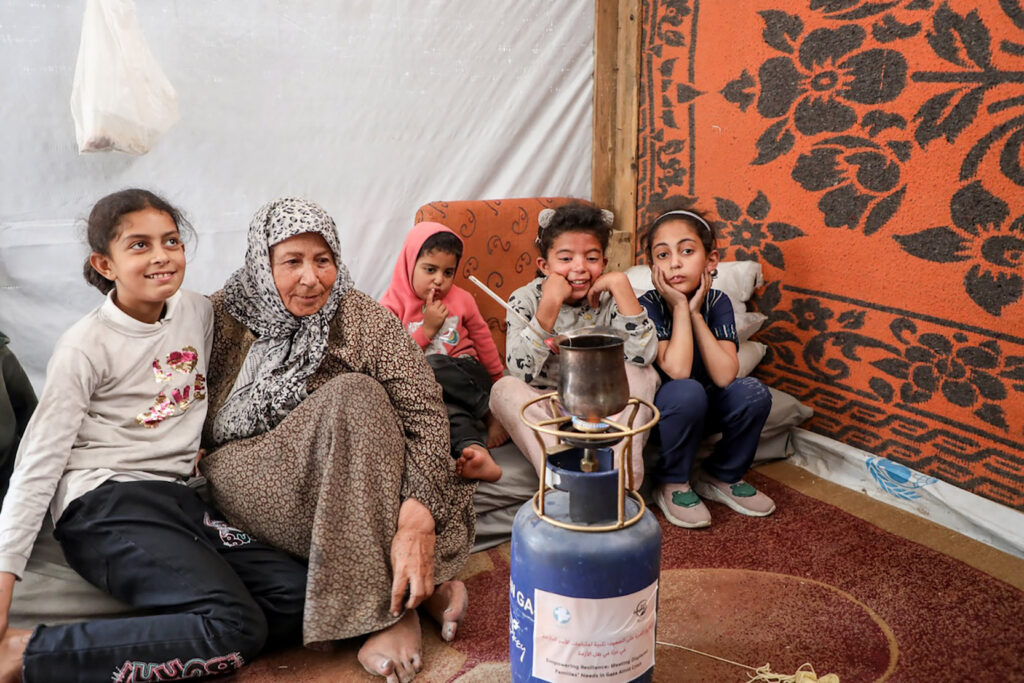
As for me, those months shaped my entire routine. Cooking on fire consumed our whole day. Something as simple as preparing breakfast, which used to take fifteen minutes using cooking gas, now took hours. We would agonize over who would start the fire since none of us liked doing it. Next, we would wait as the water boiled for tea, then wait again, as the bread heated, always turning black with soot. Our hands, our clothes, even our faces were constantly covered in ash. When breakfast was finally done, we barely had time to rest before it was time to begin lunch, repeating the same long, tiring process. Because we cooked on a single flame, we had to prepare everything one by one, rice first, then beans, then anything else, each dish taking far longer than it should. I tried to stand by my mother through it all, helping her as much as I could, but it drained my energy and stole hours from every single day.
After eight months of suffering, we finally received a message saying that our gas cylinder was ready to be filled. We sent my brother to drop off our empty cylinder, but honestly, we weren’t truly convinced; we had received the same message on previous occasions only to learn that there was no fuel. But this time, a few weeks later, we received another message saying that our cylinder had actually been filled. The moment was unbelievable, a combination of shock and joy.
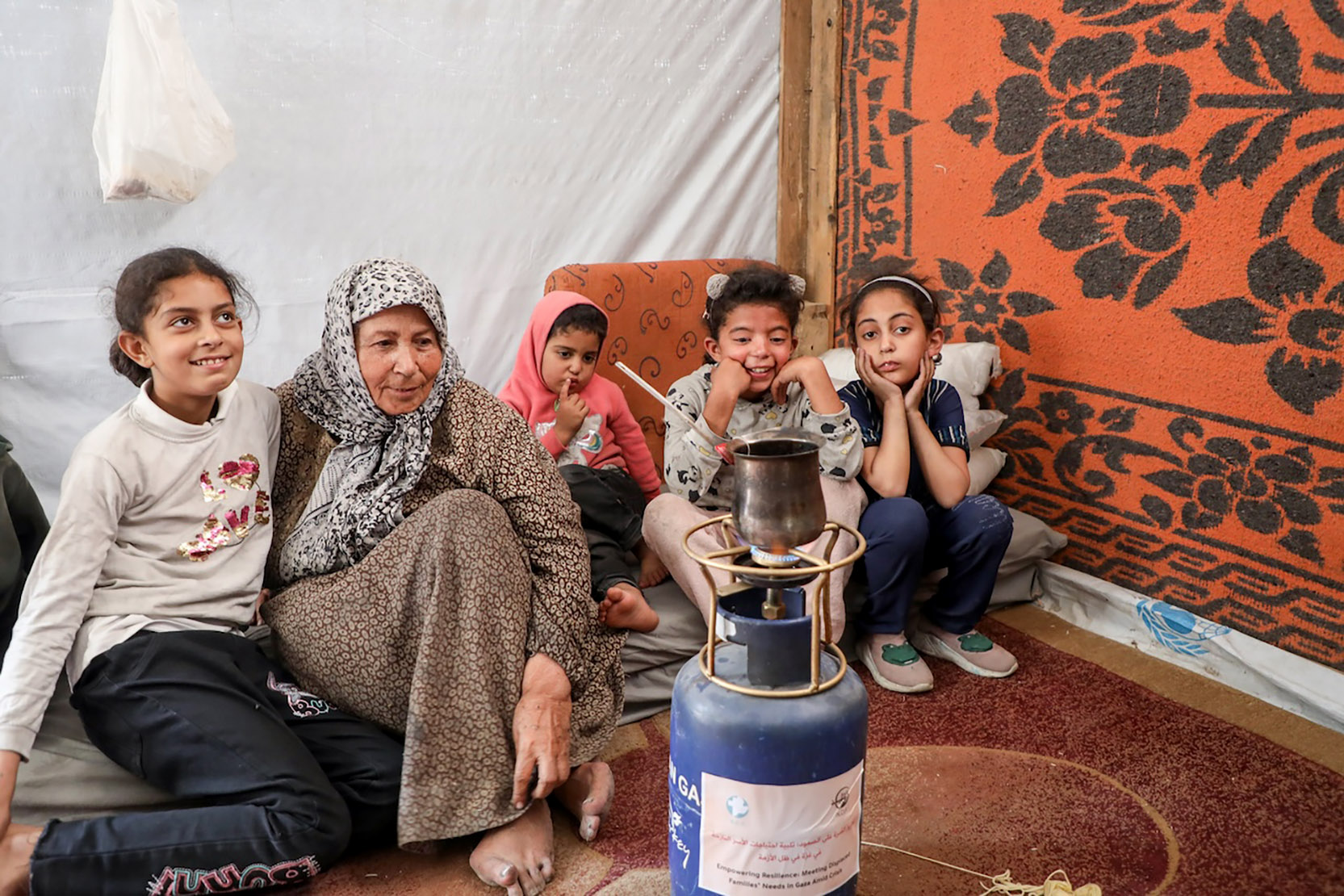
When my brother returned with the cylinder, he was jubilant, lifting it to the sky, despite the weight. We brought out our cooker, which had been sitting unused for months, dusty and not in the best condition. We cleaned it carefully, prepared the kitchen, and placed the cooker in its spot. I never would have guessed that the sound, the smell, and the faint blue-and-red flame of cooking gas would make me so euphoric. I already knew what I would prepare first: coffee. As a coffee addict, the previous months without proper coffee had been particularly difficult on me. When we prepared coffee over the fire, it didn’t taste fresh, nor have the aroma I love, and drinking it never felt the same. This time, everything was perfect. I even recorded a video and shared it on my Instagram. My friends, even though most of them hadn’t received their cylinders yet, were genuinely happy for me, and excited at the thought that they might experience a similar moment.
I sipped my coffee, ate a piece of chocolate, and felt an overwhelming sense of gratitude. For many outside Gaza, these might seem like basic things — gas, coffee, cooking with ease — but for us, these are blessings. Simple acts like this can make life feel whole again, turning months of deprivation into a small, shining moment of joy. This moment reminded me that happiness can come from the smallest things, though sadly, not everyone in Gaza has been so lucky.
The supply trucks that entered this fall carried small amounts of gas, far from enough for the two million people living here. Many families are still waiting, their empty cylinders lined up by the door, hoping to receive a message one day saying their turn has come. In some neighborhoods, no gas has arrived at all. People continue to collect wood and burn plastic to cook a simple meal, inhaling the same toxic smoke that we endured for months. Mothers still wake up early to light fires for breakfast, their eyes tearing from the smoke. Even those who got their cylinders filled are careful; every time we use the gas, we consider saving some, afraid that it might run out again. In Gaza, nothing is guaranteed, not even a flame to make a cup of coffee.
Select Other Languages Français.