Select Other Languages French.
If the democratic struggles of Iranians are to stay alive, even in the bleakest of circumstances, collective creativity and memory are vital.
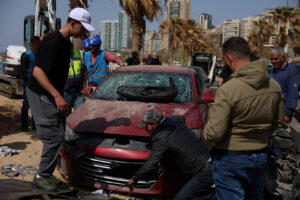
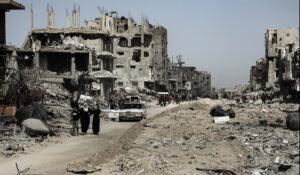
Amid the wreckage, the indiscriminate killings, and the destruction waged by Israel and the United States on Iran since the end of last month, there is another blow to the Iranian people that concerned observers should keep in their thoughts. Ordinary Iranians have long struggled to enact their vision of democratic change against the odds. The latest attacks by foreign powers, following the untold violence of the January protests and the Iranian government’s killing of thousands, have left prospects for democracy grimmer than they have been in a long time. Can the Iranian democratic struggle stay alive and, if so, what meaningful way is there to preserve it through the bleakest of circumstances?
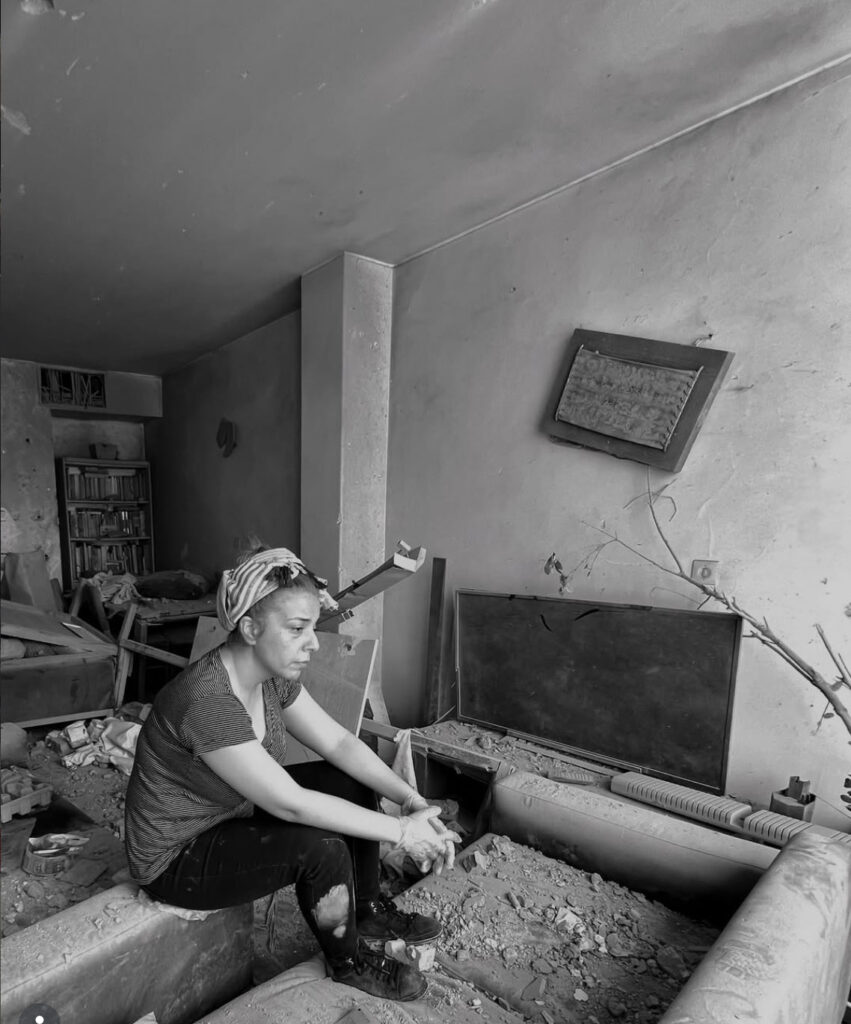
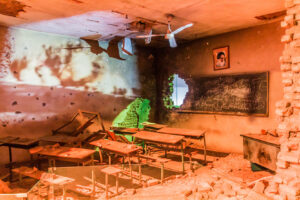
Iranians have been here before. Just a few months ago, Israel launched another unprovoked attack in last June’s 12 Day War. Three days into its bombardment of Tehran and other cities, a number of photographs began to circulate online to expose the damage inflicted on ordinary people. In one set of images, a woman sits on the remains of her couch in a hole-riddled Tehran apartment that used to be her home. Arms resting on her knees, her hands are linked in sorrow, a tear in her pants near the shinbone showing blood. A frame leans half-fallen on the wall, the bare stalk of a houseplant below it blown sideways from a missile blast. Everything in this archive of photos is covered in dust and brooding. Iranians cleared the dust away and, even with the memories and wounds of those former attacks, carried on living and fighting. But they have returned to those scenes again, this time facing greater devastation.
Yet the word democracy has been on the lips of many Iranians inside and outside the country for decades now.
Unrelenting bombardment by foreign powers and domestic domination under their own government have left Iranians stunned, and in some cases numb. Those of us with family in Iran know this was how many reacted during the previous acts of aggression by Israel last June and following the Iranian regime’s violent crackdown on protesters in January. We also know how they have lifted their heads each time. The people of Iran — including Azeris, Kurds, Baluchis, other ethnic minorities and more than three million refugees living within the nation state’s borders — are famously resilient.
But what they are facing now is violence on a new scale. Preserving the people’s democratic aspirations today requires a sober look at both external and internal pressures. Recognizing the obstacles before them is key. And equally important is a vision of the path ahead through which they can still pursue self-determination. Creative forms of resistance, and most importantly the Iranian people’s own experiences, remain vital resources in that pursuit.
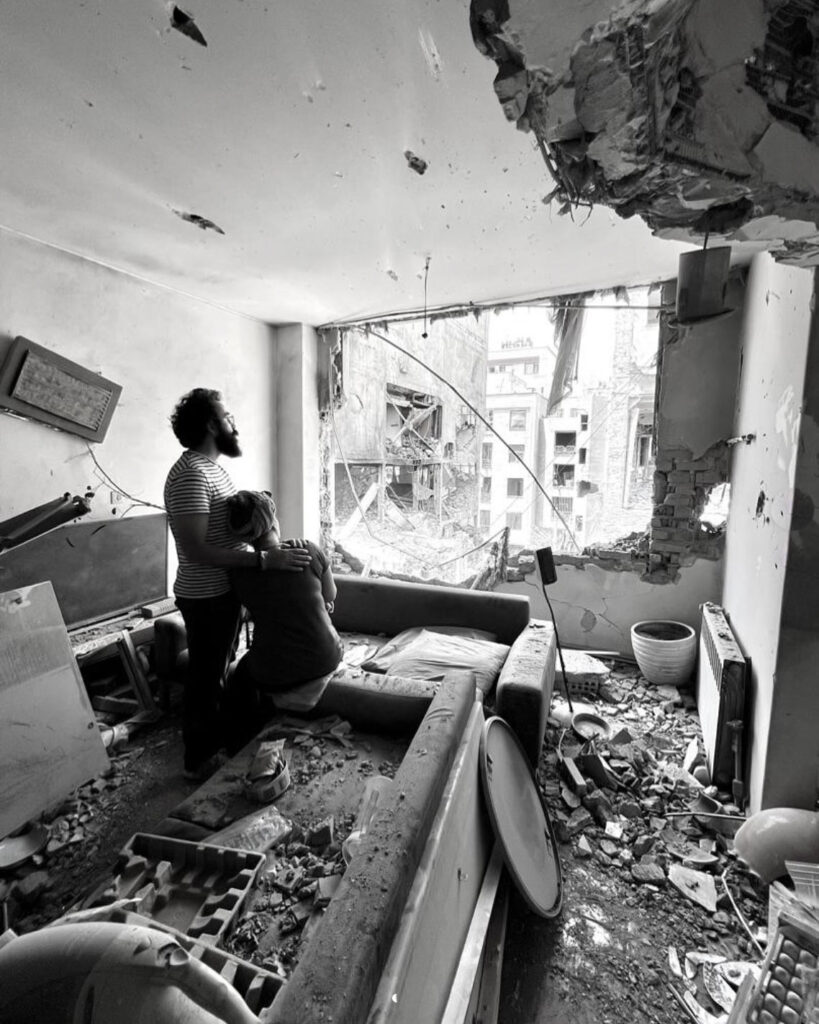
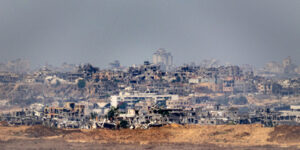
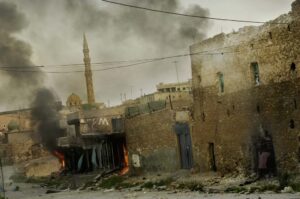
As with earlier interference, such as the 1953 coup détat orchestrated by the CIA and MI6 against democratically elected Prime Minister Mohammad Mossadegh, external pressures currently constitute the greatest impediment to democracy building in Iran. Simply put, the conditions of war and instability foreclose possibilities of resistance in Iran’s public sphere. People cannot protest, organize, or effectively build networks under bombardment. It is worth stressing that supporting these kinds of practices was never the U.S. and Israel’s intention to begin with. In fact, the U.S. has not even bothered to put forward a pretense of bringing democracy to Iran, instead openly dismissing it. Their warmaking, seen in the images of bombs and missiles, has been spelled out through the language of death and destruction. The aims of Israel and the U.S. are not difficult to discern: regional and global hegemony, respectively.
As it stands, even with all the horror they have been inflicting on the Iranian populace, the prospects of government collapse and regime change look highly unlikely in the face of a durable state apparatus and leadership. For many Iranians, this war has led more to rallying around the flag and standing in unity against foreign aggressors.
The aftermath of the U.S.-Israeli attacks, when that comes, will leave Iranians to contend with a more rigid version of internal oppression, in any case. The severity of that oppression hinges on how long the war drags on and how extensive the losses are. The Iranian government is bound to prioritize military rebuilding, and likely a more aggressive pursuit of its nuclear program once the attacks end. This will almost certainly be accompanied by a tightening up of its security apparatuses to crush internal dissent and prevent any further fracturing of the regime. The amount of damage done to its military and institutions will determine the extent and speed of rebuilding. Critical infrastructure and the networks necessary for civil society to function and thrive may have to wait a long time to be rehabilitated.
Yet the word democracy has been on the lips of many Iranians inside and outside the country for decades now. It has precedence both materially and culturally. What might it mean and look like in the present?
Any democratic order requires a set of concrete institutions and norms: free and fair elections that give the citizenry some meaningful control over their political lives. In the structure of the Islamic Republic, some of these mechanisms and norms do exist. Iran’s president and members of parliament (Majlis) are elected every four years by direct public vote, as are local council members across cities and villages. This form of representative democracy is not without its limitations. Presidential and parliamentary candidates are subjected to rigorous vetting by the Interior Ministry and Guardian Council, which is in turn appointed by the Supreme Leader who retains veto power and absolute authority over matters of governance through the entrenched velayat-e faqih (guardianship of the Islamic jurist). Despite these constraints on the president, parliament, and local representatives, they retain a consequential amount of power and are held accountable to the people through voting. There is still — and we can expect that in spite of the war there will continue to be — a foundation for democracy in place through these institutions and norms.
How, in the face of repression and the absence of organized opposition, can dissent be sustained and revitalized?
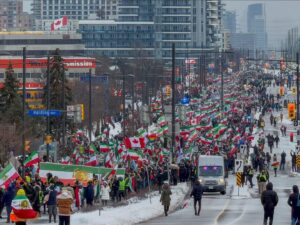
Beyond these forms of infrastructure, however, any meaningful instantiation of a democratic order requires the elimination of the worst forms of repression and state violence. The Iranian government has regularly resorted to these measures against its people over decades, and at unprecedented levels in recent months. Aside from the massacres of protesters this January, authorities in Iran have imprisoned countless dissidents over free expression and opposition to the state. Human rights groups estimate their current number to be in the tens of thousands.
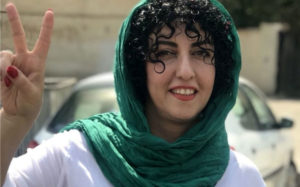
Cases of prominent dissident figures like Narges Mohammadi, Nasrin Sotoudeh, and Mir Hossein Mousavi illustrate how the Iranian government stifles democratic change and reform by detaining viable opposition leaders inside the country. This leaves foreign actors like Reza Pahlavi — with monarchist followers principally in the diaspora as well as some supporters inside the country — to stake claims of leadership through U.S.-Israeli intervention. Against these currents, democratic self-determination by the Iranian people requires the presence and active participation of resistance figures inside the country, whether through the release of those currently imprisoned or the emergence of other figures from its civil society.
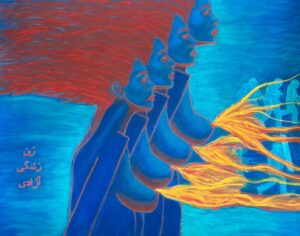
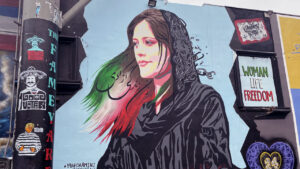
On one level, a sustainable opposition front in Iran requires the participation of labor groups, ethnic minorities, intellectuals, women’s organizations, and other groups within civil society. Such groups, if they cooperate and organize, are often able to put collective pressure on the state to alleviate economic hardship and suppression of civil liberties. Yet these coalitions — especially following some of their successes in the zan, zendegi, azadi (Woman Life Freedom) movement of 2022 — are precisely what the regime has targeted and largely neutralized in recent months.
How, in the face of repression and the absence of organized opposition, can dissent be sustained and revitalized? A crucial dimension driving any meaningful transformation of self and society is democratic agency. Agents must feel and recognize their power if they are to enact it toward changing the social and political structures that bind them. Resistant imaginations are vital for the work of solidarity in social movements, creating and maintaining chained agency to achieve these ends.
Two other indispensable components of these practices are creativity and memory. Insights from democratic struggles in Latin America and the experiences of Iranians in previous waves of dissent provide notable examples of why these two elements are crucial for maintaining democratic resistance.
Brazil (1964-1985) and Chile (1973-1990) experienced two of the most rigid dictatorships in the latter half of the twentieth century. Backed by far-right military forces and the foreign influence of the United States, they came to be defined by extreme repression of political opponents, thousands of killings and disappearances, and very few democratic openings while they endured. Yet resistance continued to exist in various pockets of rebellion and everyday acts of dissension.
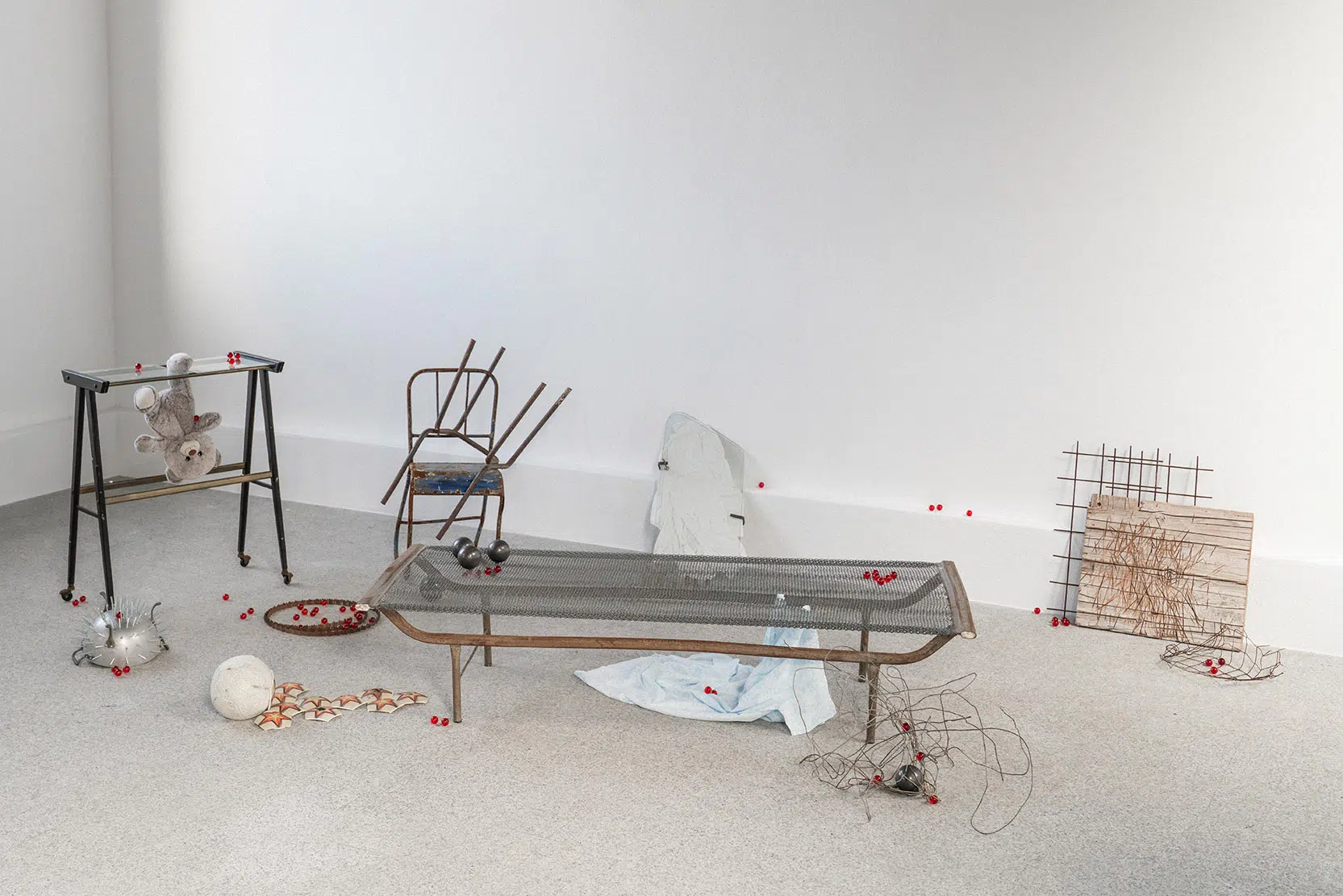
It also thrived through creativity. In Brazil, artists like Caetano Veloso and Gilberto Gil used music to critique state oppression, the latter creating songs like “Aquele Abraço” to offer an “embrace” to his people as he was forced into exile by the regime. In Chile, women facing the brutality of their government created arpilleras, colorful woven tapestries depicting the disappeared and the realities of the dictatorship, to sustain dissent within their communities.
Practices like these persisted and proliferated through the roughly two decades of each country’s dictatorship. They were not enough on their own, of course, to topple their governments. But on the back of sustained labor movements, strikes, and pressure on their military regimes, both nations reached openings through which they transitioned to democracy. Neither transition would have been possible without the work of creativity and the cultivation of resistance through memory.
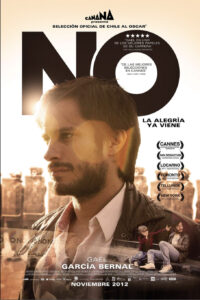
Cinema serves as an exemplary archive of political memory. Pablo Larraín’s film No dramatizes and documents Chile’s transition from dictatorship to democracy, by highlighting the campaign against dictator Augusto Pinochet in the 1988 national referendum that eventually forced him to step down. The decisive tactic employed by “No” campaign strategist René Saavedra, played by Gael García Bernal in the film, is the use of joy and humor in advertisements to counter the somber and grim air of the military junta in power. While the optimism in No has to be tempered with some form of political realism, it remains a testament to the affective dimension of democratic agency, which depends on vitality and memory for its survival. Films like these also prove useful as archives to warn against the fragility and impermanence of democratic orders, illustrated by the recent ascendancy of far-right politician José Antonio Kast to the Chilean presidency.
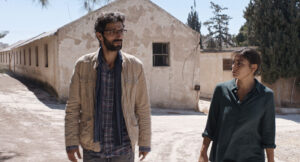
In the case of Brazil, recent films like The Secret Agent also function as ways to critique repression and preserve political memory. Kleber Mendonça Filho’s inventive political thriller depicts Marcelo/Armando’s character running for his life from malicious cronies profiting from the dictatorship, but through all his moods there is above all an attempt to keep joy and humor alive. The two young researchers piecing together Marcelo/Armando’s story through cassette tapes and archival documents serve as a connection to the present and underscore the role of memory against resurgent authoritarianism.
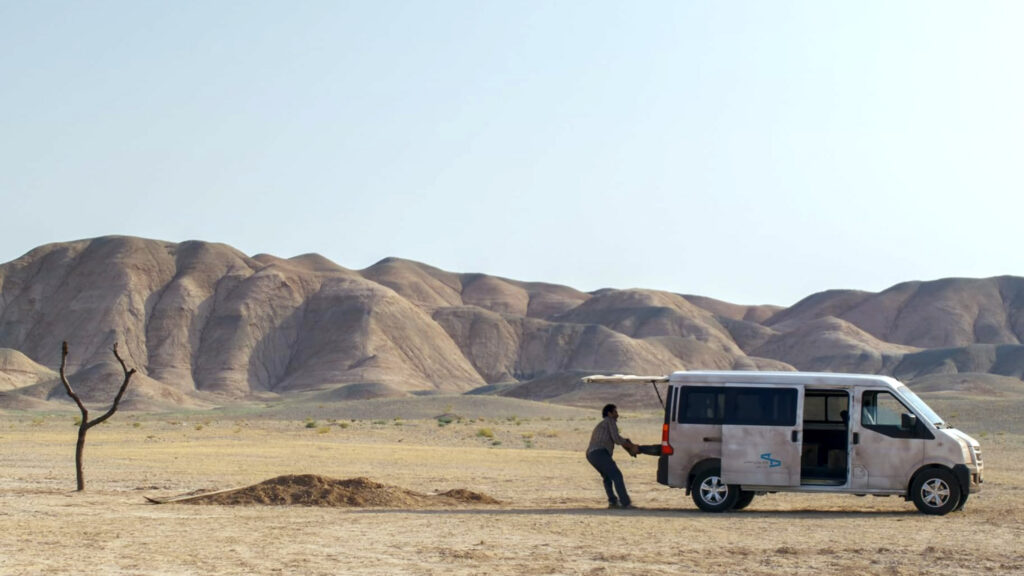
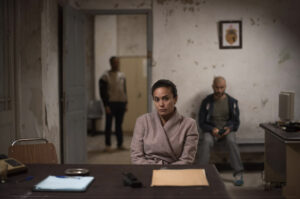
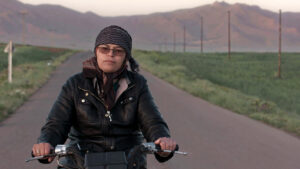
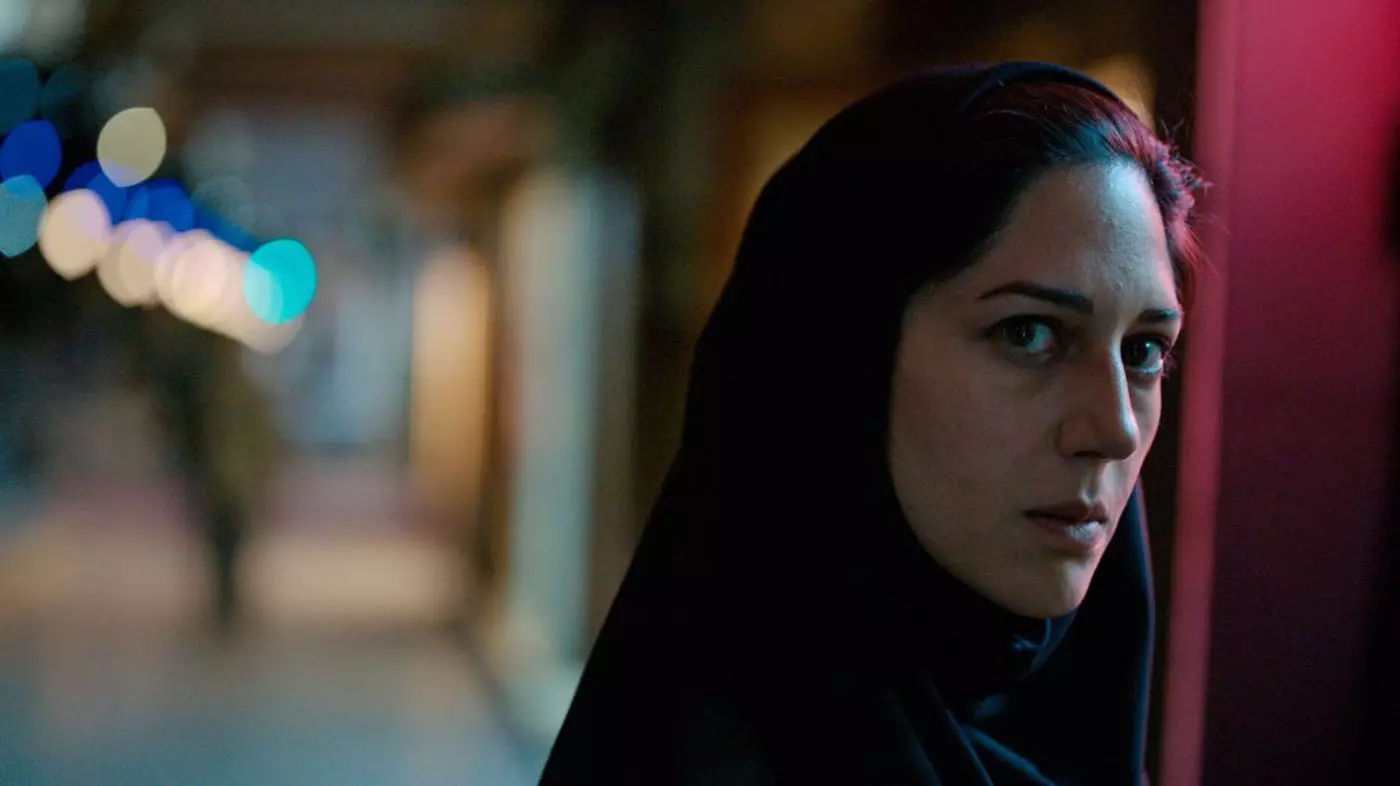
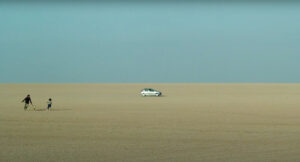
Returning to Iran, another masterwork from director Jafar Panahi raises questions of responsibility, systems of oppression, and the possibility of forgiveness in the future. It Was Just an Accident asks whether those suffering the worst traumas from a cruel government can hold their torturers responsible once the tables turn, and what kind of society might emerge through that reversal of power? The fact that the film is unexpectedly quite funny, despite its heavy themes, is another testament to the need for light rays of joy in conditions of brutality and the absurdity of petty corruption pervading Iranian society. When one day the dictatorship ends, it gets us to ask, will Iranians be able to reconcile and move on from past traumas together? Panahi’s ambiguity hints at the open-endedness of this question and the imperative for the film’s audience to think through it together. In this way, it is above all an exercise of deliberation toward a possible democratic future for Iran.
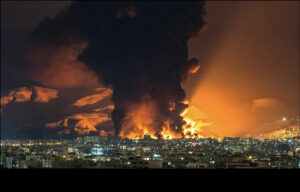
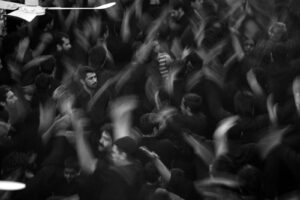
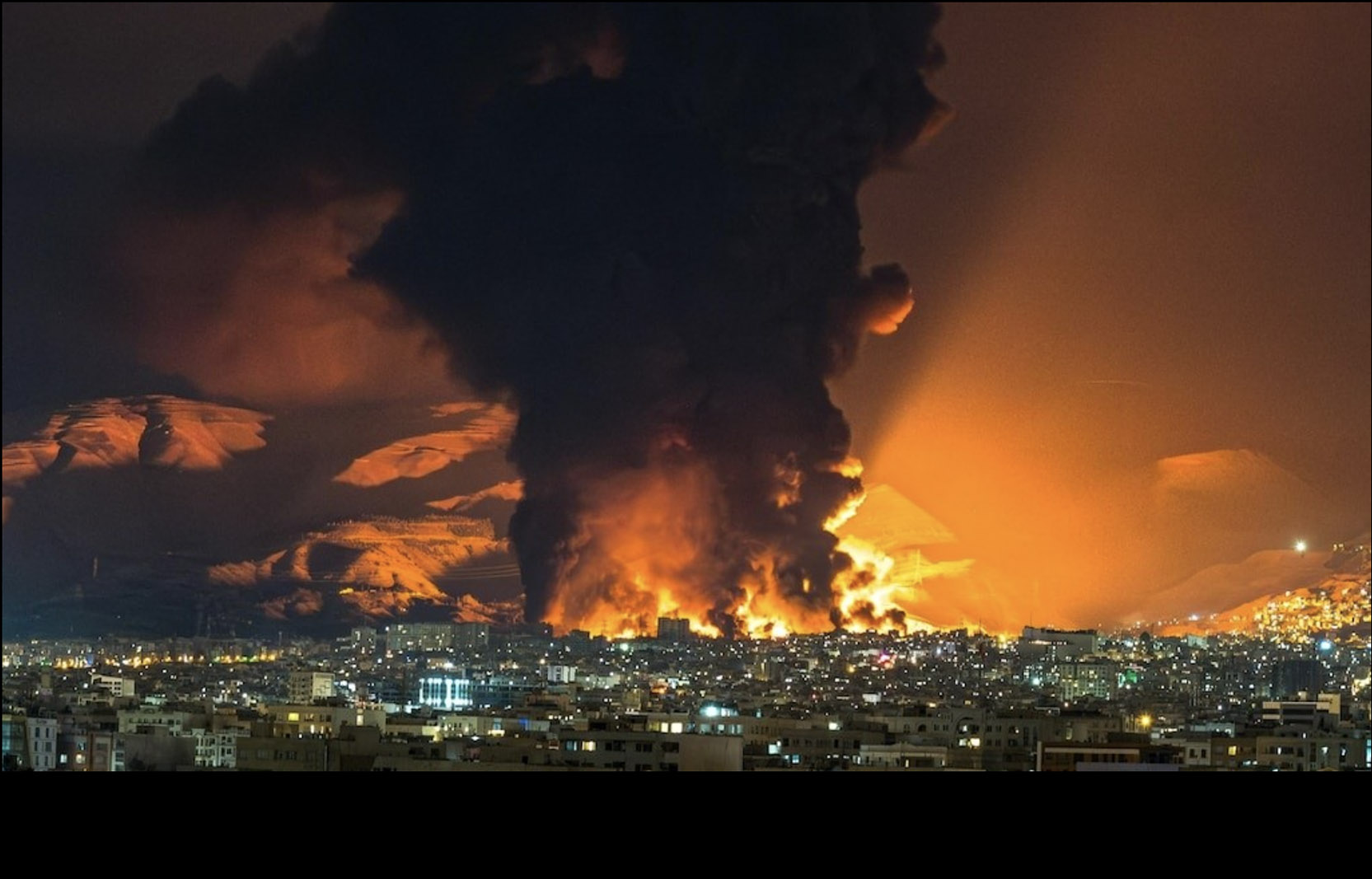
A link among these examples is the emphasis on preserving joy, humor, and affirmations of life even through the gloomiest circumstances. Iranians have shown these propensities through the worst of times, not only in the zan, zendegi, azadi uprisings but even at funerals for the thousands killed in the January protests this year, where they danced and sang in defiance of government authorities. More recently, a group of Iranian musicians sat in Parvaz Park in the north hills of Tehran watching as a massive black pillar of smoke rose from the Shahran Oil Depot bombed by Israeli jets, and one of them sang:
I wished my situation could be better than this
I knew you deserved better than all this
I wanted to build a better life…
A solid roof above us, without cracks
Words like these express a common sentiment among Iranians caught between the terror of foreign bombs and the cruelties of their own government. They also intimate their surviving vision of democratic hope: a life full of dignity and a belief in their ability to determine their own destinies. These acts continue a rich tradition of democratic agency that Iranians have sustained for decades. And the new challenge before them is to keep the memories and practices alive through what they have endured these past weeks.
Memory preserves democratic agency where infrastructure and organization weaken or collapse.
Memory is the mortar that helps rebuild the broken and decaying structures of democracy.
Memory, as Mahmoud Darwish wrote, “swells our reflections.” Amid the limbo of exile, the loss of homeland and the domination of his people, Darwish wrote:
I never said goodbye to the ruins.
Only once had I been what I was.
But it was enough to know how time
collapses like a Bedouin tent in the north wind,
how places rupture, how the past
becomes the ghost of a deserted temple….
I want to live… I have work to do aboard the ship…
What are the survivors to do with the old land?
Will they repeat the story?
The plight of the Palestinian people captured by Darwish’s words are unique and specific to the ways in which they have contested dispossession, domination, and effacement. Iranians emerging from the rubble of war and the grip of repression have their own struggle ahead and their own story to tell. But the lessons travel: resistance has to be preserved, and be retold.
The Iranian people are resilient, but we should not assume they will get through all obstacles ahead of them on their own. The continuation of their struggle requires an end to the war, and the possibility of renewing a world in which they pick up the pieces and continue building toward self-determination.
Opinions published in The Markaz Review reflect the perspective of their authors and do not necessarily represent TMR.