D'un monde qui n’est pas le nôtre vers une <em> Terre inconnue</em>

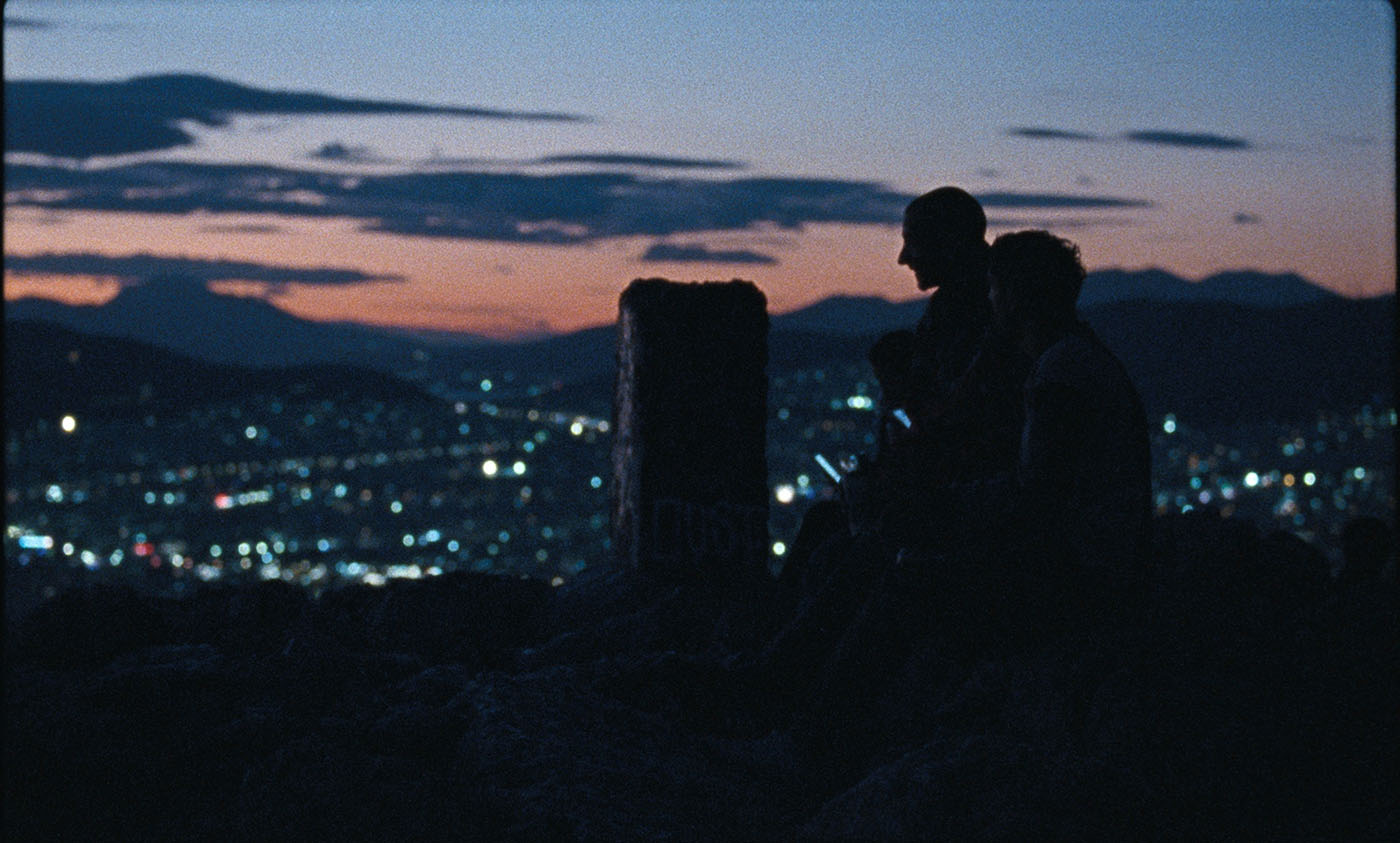
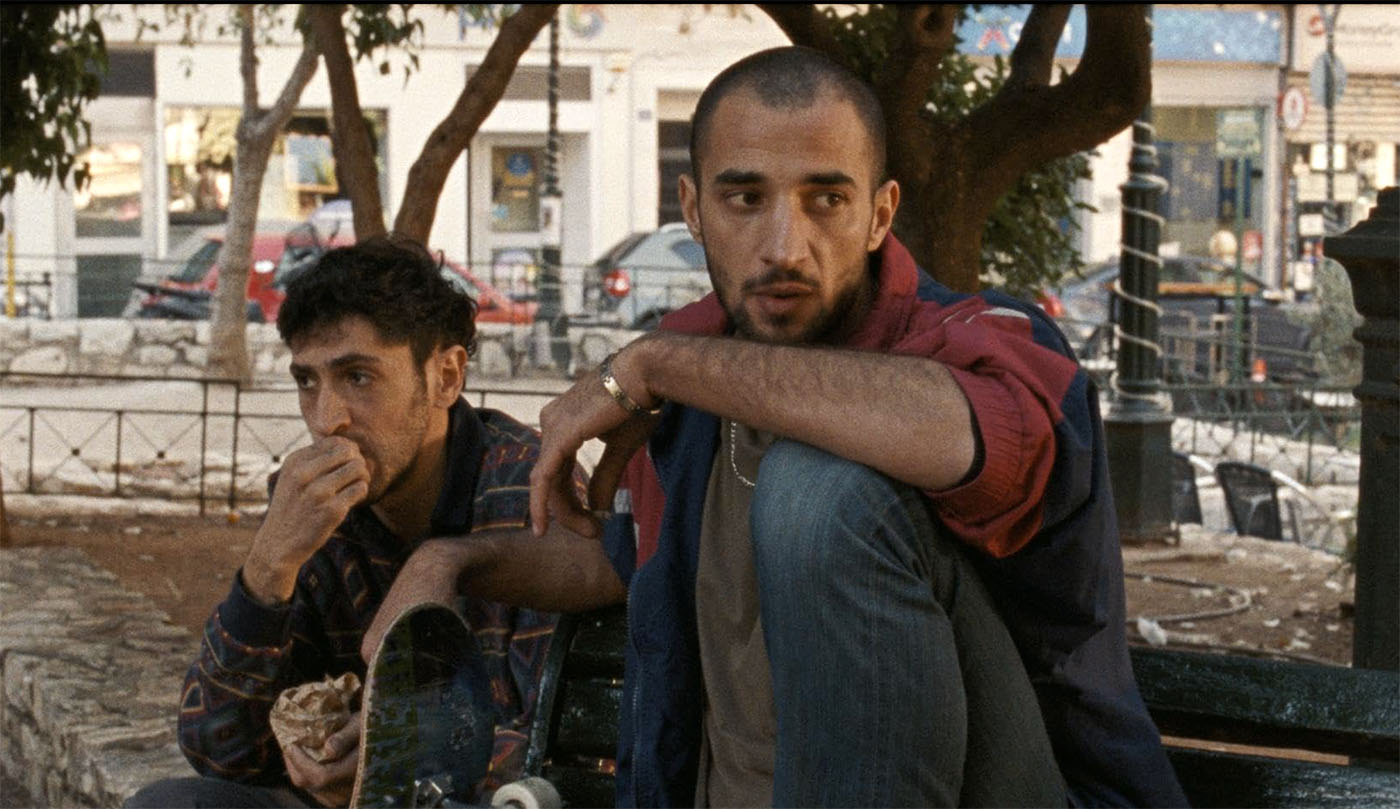
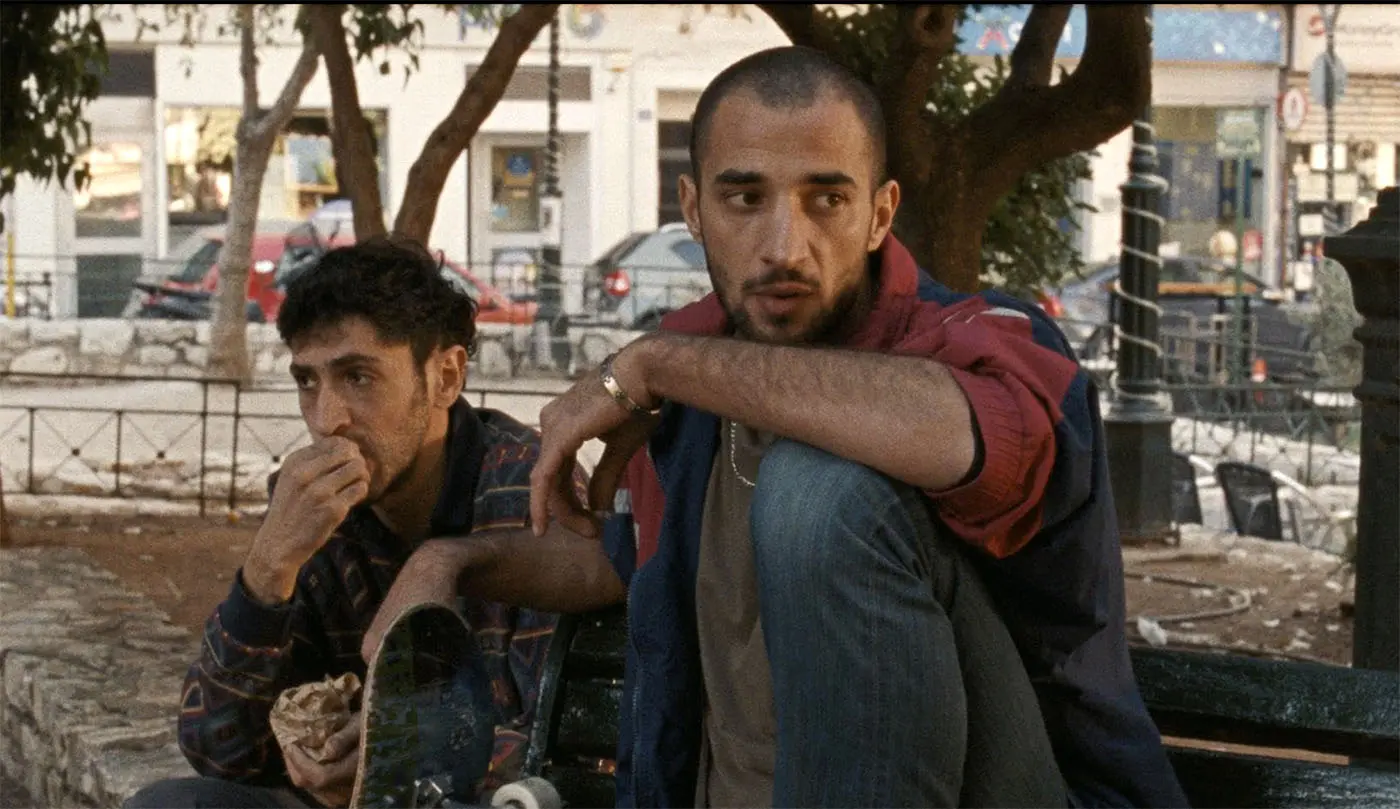
Aram Sabbah and Mahmoud Barki in Mahdi Fleifel's "To a Land Unknown" (courtesy Nakba FilmWorks).

13 JUNE 2025 • By Jim Quilty

Select Other Languages French.

To a Land Unknown (Vers une Terre inconnue), première fiction dévastatrice de Mahdi Fleifel, constitue un complément magistral à son premier long métrage documentaire : A World Not Ours (Un Monde qui n’est pas le nôtre), qui racontait son enfance dans le camp de réfugiés palestiniens d’Ain el-Hilweh. 

« Qu’est-ce qu’on a à perdre ? » Les scénaristes aiment cette phrase, qui peut être lancée à un moment clé d’un film par un héros en pleine action tout comme par une victime en plein désespoir. Dans To a Land Unknown, le premier long métrage de fiction de Mahdi Fleifel, cette phrase prend une résonance particulière.

Le film raconte l’histoire de Shatila et Reda, qui ont grandi dans un camp de réfugiés palestiniens au Liban et qui cherchent désespérément à refaire leur vie en Allemagne. Comme de nombreux jeunes hommes contraints d’émigrer vers l’Europe de manière informelle, les cousins se retrouvent coincés à Athènes, où ils dorment dans un foyer de sans-papiers bondé. Ils survivent grâce à l’argent qu’ils peuvent tirer de la petite délinquance et de la prostitution, et économisent pour se procurer de faux passeports qui leur permettront d’entrer en Allemagne.

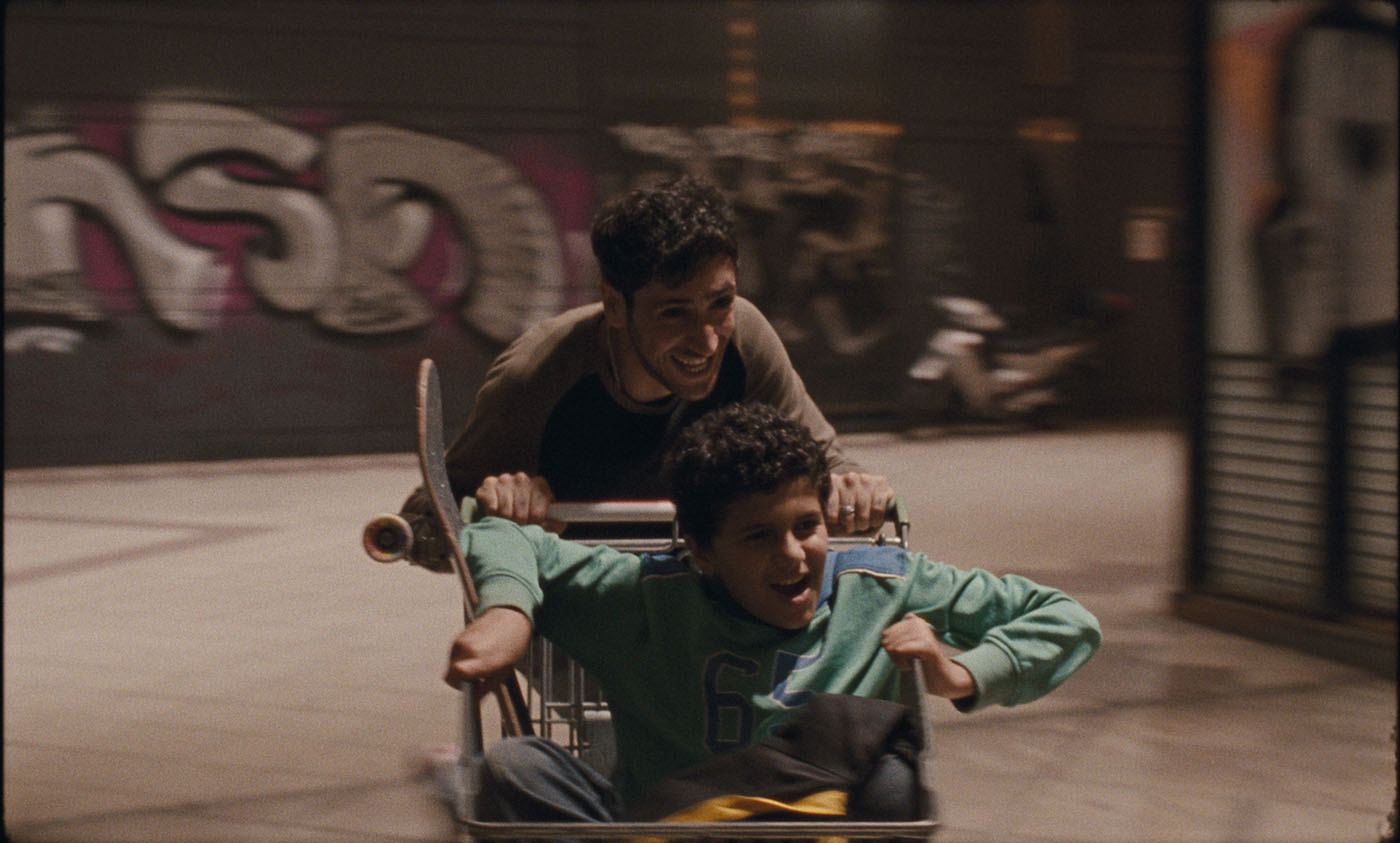
Comme le révèlent les premières séquences, les deux hommes sont des individus qui ont incontestablement un sens moral, mais ils ont des caractères différents. Reda (Aram Sabbah), un skateur qui prend sa planche partout où il va, est plutôt détendu et doux. Shatila (Mahmood Bakri) est intense et plus concentré, il espère un jour imiter le succès de son père, qui est propriétaire d’un café. Impatient de retrouver sa jeune épouse et son fils en bas âge qu’il a laissés dans le camp, il est chargé de gérer l’argent du duo et se fait le cerveau de leurs efforts pour collecter l’argent dont ils ont besoin. La violence de leur situation difficile affecte les deux hommes différemment : Reda est sujet à la dépression et a des antécédents de toxicomanie (ce qui est le cas de la plupart des hommes citadins qui se retrouvent immobilisés par les circonstances, y compris ceux qui sont bloqués dans les camps de réfugiés et les rassemblements informels de migrants), ce qui explique peut-être pourquoi son précédent séjour à Athènes s’est terminé par un retour humiliant dans le camp dont il s’était échappé. Après avoir perdu leurs économies, Shatila devient plus impitoyable. Reda a du mal à suivre.

To a Land Unknown pose implicitement la question suivante : Quand on a déjà tout perdu, que reste-t-il à perdre ? La réponse qui se déploie au cours des quelque 100 implacables minutes du film est d’une précision et d’une véracité dévastatrices.


D’Ain al-Hilweh à Athènes

Le premier long métrage de Fleifel, A World Not Ours, réalisé en 2012, se démarque des précédents documentaires sur la vie dans les camps de réfugiés au Liban. Le film a pour cadre le foyer d’origine de ses parents : Ain al-Hilweh, dans la ville portuaire de Saïda, au sud du pays, qui est historiquement le camp de réfugiés le plus grand et le plus agité du Liban. Narré par la voix off aux accents nord-américains de Fleifel, le film est un récit de passage à l’âge adulte, une contemplation affectueuse des visites d’enfance au camp, dont la narration s’articule autour de l’idée que les illusions enfantines passées ne sont bien, en réalité, que des illusions.

Fleifel explique qu’il a réellement grandi à Ain al-Hilweh, et que c’est dans ce camp qu’il a réalisé son désir de capturer des images sur pellicule. Il a passé une grande partie de son temps dans un cinéma local, à regarder des films d’action avec Saïd, le jeune frère de son grand-père, le point culminant de ces années était la Coupe du monde de football, où être parmi les 70 000 réfugiés entassés sur les 1,5 kilomètre carré du camp « était le meilleur endroit au monde ». 

Les réminiscences de la Coupe du monde constituent un cadre narratif optimiste et accessible pour la présentation de Said et Bassam “Abu Iyad” Taha. Avec le grand-père du cinéaste (qui n’a pas quitté le camp depuis son arrivée à l’âge de 16 ans), ces deux hommes sont les principaux protagonistes du film, et Fleifel dévoile la complexité de leur caractère avec tout le soin d’un scénariste.

Abu Iyad avait rejoint le Fatah, le mouvement de Yasser Arafat, dès son enfance, et bien que le pécule que lui versait l’OLP lui permette tout juste d’acheter du café et des cigarettes, il avait fini par quitter l’organisation par frustration. « Les Palestiniens nous ont vraiment baisés », déclare Abu Iyad à la caméra dans un moment de désolation, en s’emportant contre les dirigeants qui ont détruit la révolution. « Je ne veux pas retourner en Palestine, dit-il. Je voudrais qu’Israël tue chacun d’entre nous. »


Alors que Fleifel raconte la dissolution de ses impressions de jeunesse, le film se transforme en un document lucide sur le régime carcéral des camps de réfugiés au Liban et son impact psychologique et social sur les personnes qui y sont détenues. Le point de vue du réalisateur est clair : ses souvenirs naïfs du camp en tant que lieu de communauté ont été entretenus par sa liberté d’y aller et d’en sortir à sa guise. Ceux qui, comme Abu Iyad, n’ont pas pu s’échapper d’Ain al-Hilweh, sont restés bloqués psychologiquement tout comme géographiquement.

Le film se termine par une séquence qui pourrait être porteuse d’espoir : Abu Iyad annonce qu’il va passer clandestinement en Grèce. Fleifel le suit jusqu’à Athènes, où il le retrouve à vivre dans la rue avec plusieurs autres réfugiés palestiniens, ses efforts pour se rendre en Europe occidentale le conduisent jusqu’à une prison serbe pendant trois mois. Lorsque le cinéaste retrouve Abu Iyad l’été suivant, plusieurs de ses amis sont sur le point d’être expulsés vers le Liban. Abu Iyad lui-même est revenu à Ain al-Hilweh deux jours après le tournage de cette séquence.

Au cours des années suivantes, Fleifel a élaboré plusieurs créations à partir de cette expérience à Athènes, notamment un certain nombre de courts métrages très appréciés, consacrés aux histoires d’Abu Iyad et de Reda al-Saleh, un autre enfant du Fatah, et d’une poignée d’autres jeunes hommes d’Ain al-Hilweh qui ont suivi les routes des passeurs vers l’Europe [1]. Pris comme une suite, ces courts métrages esquissent une phase contemporaine de la condition de réfugié palestinien – se mêlant à la dérive migratoire clandestine du précariat mondial.

Pour nous, Palestiniens, oublier signifierait simplement cesser d’exister. Notre combat tout au long de l’histoire et jusqu’à aujourd’hui est d’être visible. -Mahdi Fleifel

Fils du désespoir

To a Land Unknown est une collaboration qui permet de mieux réaliser les complexités pleines de nuances ébauchées dans les courts métrages de Fleifel. Le cinéaste dit avoir commencé à travailler sur To a Land Unknown en 2011. Au cours des années de développement et de production, le titre provisoire du projet était Men in the Sun. Comme pour A World Not Ours, le titre est emprunté aux fictions basées sur des faits réels de Ghassan Kanafani, dont les protagonistes aliénés et marginalisés sont clairement une source d’inspiration.

Fleifel a coécrit le film avec le réalisateur marocain Fyzal Boulifa (The Damned Don’t Cry – Les Damnés ne pleurent pas en français, 2022) et l’écrivain irlandais Jason McColgan. Son casting mêle acteurs chevronnés et non-professionnels. Mahmood Bakri est le fils de l’acteur-cinéaste Mohammad Bakri et le frère de Saleh Bakri (The Time that Remains, Le Temps qu’il reste en français). Angeliki Papoulia, qui joue Tatiana, est une collaboratrice de la première heure de Yorgos Lanthimos. Comme la plupart des acteurs, Aram Sabbah n’avait jamais joué auparavant. Les performances de l’ensemble sont toutes très convaincantes.

La prémisse de To a Land Unknown se transforme en intrigue au fur et à mesure que d’autres personnages entrent en scène. Tout commence dans la séquence d’ouverture du film avec l’arrivée d’un orphelin palestinien de 13 ans, Malik (Mohammad Alsurafa). Le garçon a eu le courage de s’assurer un passage vers l’Italie où l’attend sa tante, mais le passeur à qui il a été confié a suivi la pratique courante et a abandonné sa cargaison en Grèce. Au foyer, Reda et Shatila laissent Malik dormir avec eux à contrecœur et le présentent à leur passeur, Marwan (Munzer Reyahnah). Lorsque Marwan insiste pour être payé à l’avance avant d’effectuer le travail (une autre pratique bien connue de cette industrie), Shatila met au point un plan qui permettra d’amener Malik à sa tante et de gagner, pour Reda et lui-même, l’argent nécessaire à l’achat de leurs faux passeports.

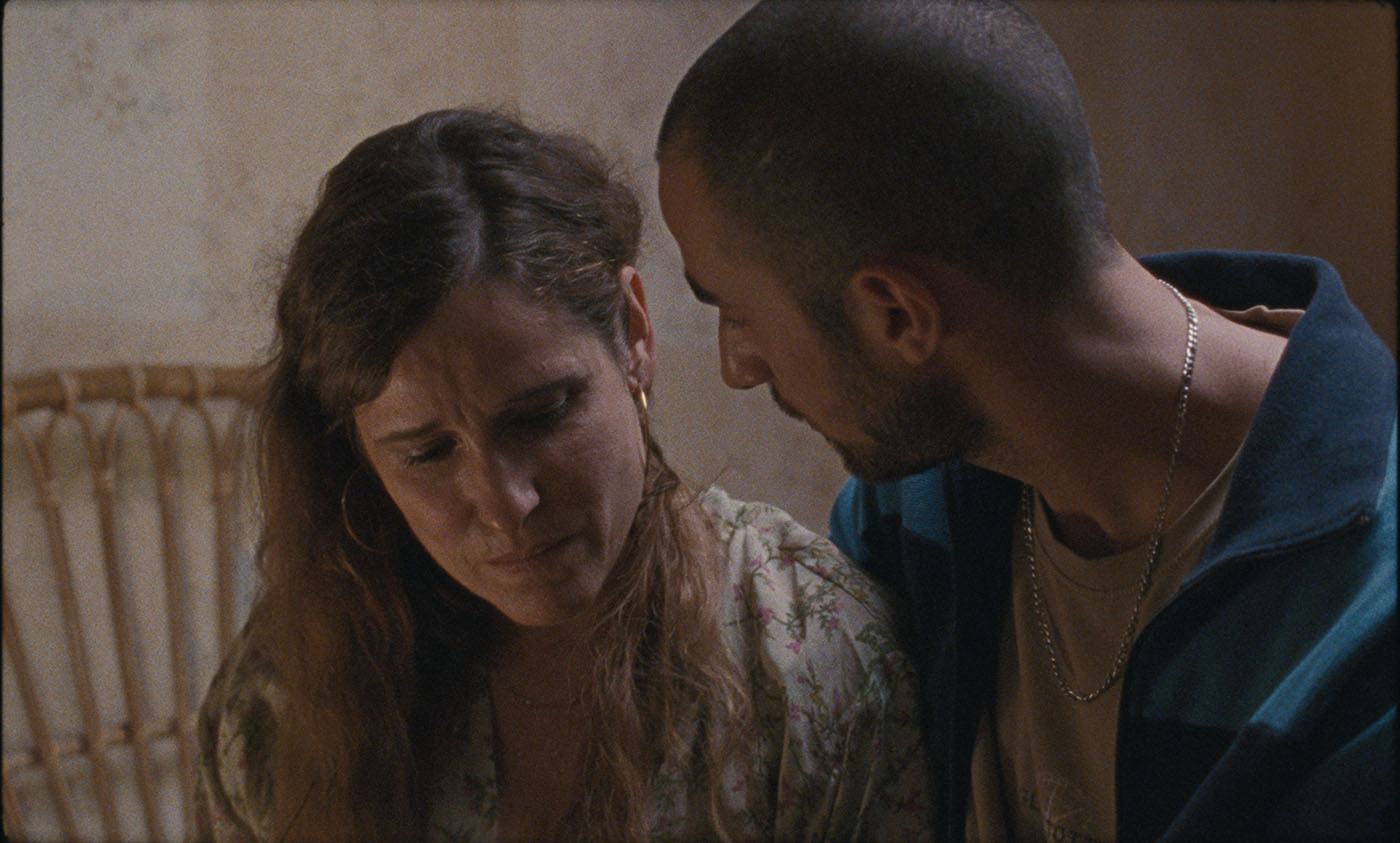
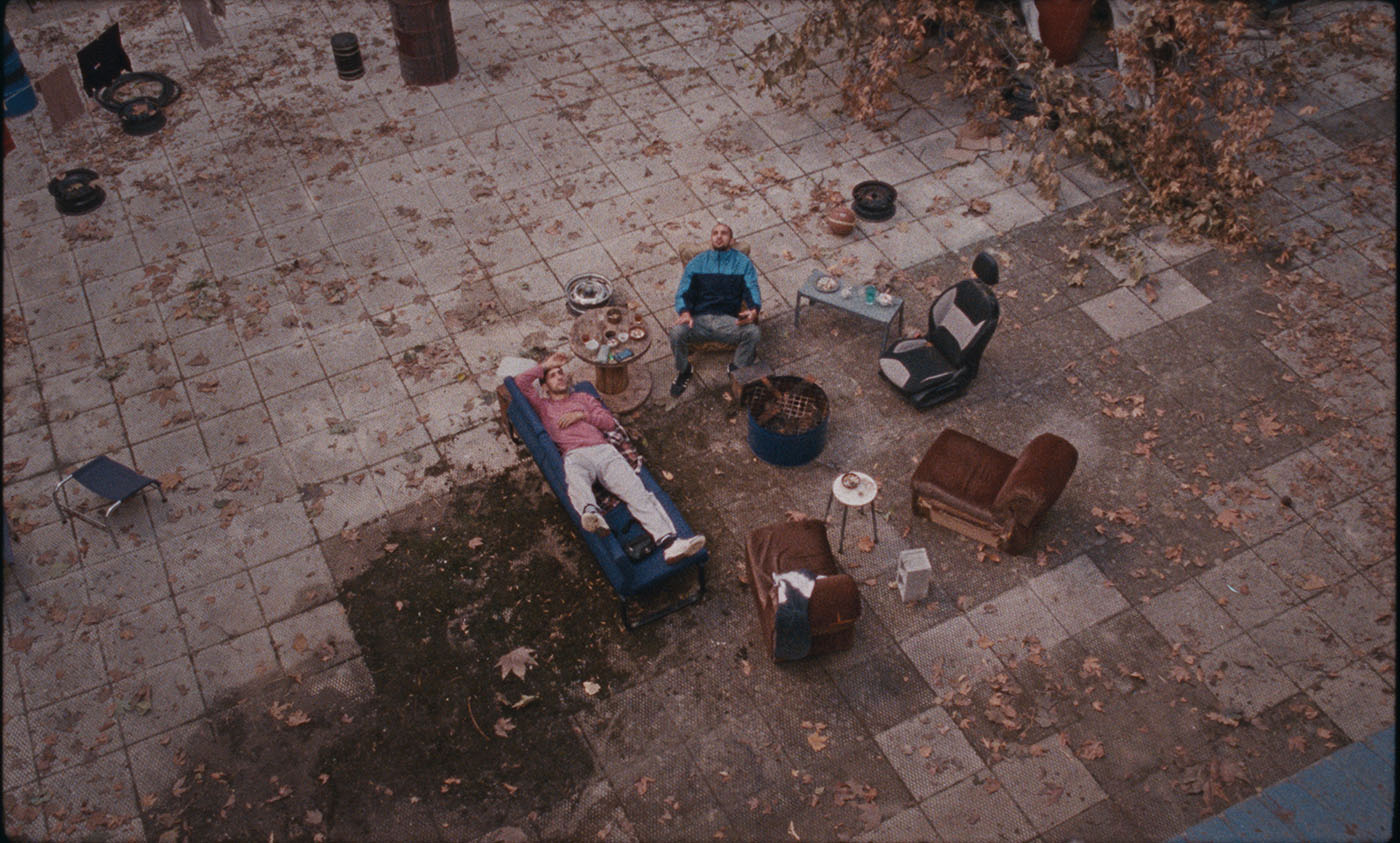
Un autre personnage clé de l’intrigue est Tatiana (Papoulia), qui fait partie des citoyens grecs eux-mêmes en difficulté et qui traînent sur la place délabrée où les protagonistes se livrent à leurs petites escroqueries. Elle se présente à Shatila en le regardant prendre un selfie avec une part de gâteau et une bougie, le seul cadeau qu’il puisse envoyer à son fils pour son anniversaire. Elle l’invite à venir chez elle. Il refuse, mais se lie plus tard avec elle lorsqu’il se rend compte que même si elle est pauvre, elle est aussi solitaire et généreuse et pourrait être utile dans ses propres plans pour Malik, Reda et lui-même.

Un deuxième projet d’évasion émerge des ruines du premier. Il implique deux autres réfugiés palestiniens qui errent dans les rues d’Athènes. Yasser (Mohammad Ghassan) est un grand et solide jeune homme qui demande d’abord à Reda de lui voler une nouvelle paire de Nike, puis refuse de payer la somme promise parce que, dit-il, elles sont trop petites d’une demi-pointure. Le plus mémorable des petits personnages de Fleifel s’appelle Abu Hub, le « Père de l’amour » (Mouataz Alshaltouh). Ce manchot huileux et toujours souriant est le trafiquant de drogue local (qui alimente l’addiction à l’héroïne de Reda), mais il est aussi féru de poésie. Fleifel laisse au public le soin de déterminer laquelle de ces activités a inspiré son surnom. À un moment donné, lors de la deuxième tentative d’évasion de Shatila et Reda, il récite quelques lignes d’« Éloge de l’ombre haute », un poème très apprécié de Mahmoud Darwish.

« C’est toi qui as écrit ça ? », demande Yasser.

« C’est Mahmoud Darwish, répond-il, amusé. Tu connais Mahmoud Darwish ? »

Dans la dernière séquence de To a Land Unknown, la caméra est fixée sur Shatila et Reda, assis seuls dans un bus. Le chauffeur dit à Shatila que la route est fermée et qu’il doit donc emprunter un autre itinéraire. Le bus descend dans un tunnel, plongeant le cadre dans la pénombre. Lorsqu’ils réapparaissent à la lumière, Shatila sait qu’il reste, malgré tout, toujours quelque chose de précieux à perdre.

Note

[1] Le film Xeno‘ (étranger ou ennemi, en grec) de 2014, d’une durée de 13 minutes, documente le séjour d’Abu Iyad à Athènes, où il s’est retrouvé pris au piège de l’effondrement économique de la Grèce. Incapables de trouver du travail, quelques réfugiés palestiniens et lui ont dû recourir à la prostitution et au vol pour s’en sortir, et à la consommation abusive de drogues pour alléger leur humiliation. Les courts métrages d’Athènes qui ont suivi se sont concentrés sur Reda al-Saleh, qui apparaît brièvement parmi les copains d’Abu Iyad, âgés d’une vingtaine d’années, dans A World Not Ours et Xenos. Dans le film de 30 minutes, A Man Returned (2016), Saleh retourne à Ain al-Hilweh, après trois ans passés à Athènes et de nombreuses demandes d’asile infructueuses. Il est devenu héroïnomane et raconte à Fleifel qu’à son retour, la police libanaise lui a dit qu’il était recherché pour des crimes commis au Liban alors qu’il se trouvait physiquement en Grèce. Saleh retrouve l’espoir auprès d’une jeune femme qu’il a rencontrée peu après son retour, et Fleifel filme les préparatifs de leur cérémonie de mariage. Dans 3 Logical Exits, 2020, qui dure 15 minutes, Saleh est maintenant un père qui se prépare à retourner en Europe, mais s’il met le pied hors du camp, il risque d’être arrêté. Des images contemporaines de Saleh (et des séquences filmées par le réalisateur dans le camp et à Athènes) sont accompagnées d’une conversation téléphonique en voix off entre Fleifel et la chercheuse Marie Kortam, qui décrit les trois moyens dont disposent les jeunes hommes pour s’échapper du camp : vendre de la drogue, rejoindre un groupe militant ou émigrer. À la fin du court métrage, un quatrième moyen d’évasion est également suggéré : la mort. L’expérimentation la plus évidente de Fleifel avec la fiction dans son cycle de courts métrages est l’œuvre de 15 minutes, sortie en 2017 : A Drowning Man, qui fictionnalise une journée dans la vie d’un jeune Palestinien à Athènes, dont les rencontres font écho à certaines de celles auxquelles Xenos a fait allusion.

Traduit de l’anglais par Marion Beauchamp-Levet


Jim Quilty

Jim Quilty is a Beirut-based writer, journalist, film critic and editor. He’s written about the cinema, contemporary art and cultural production of the Middle East and North Africa for two decades. He edited and contributed to the arts and culture pages of... Read more

Join Our Community

TMR exists thanks to its readers and supporters. By sharing our stories and celebrating cultural pluralism, we aim to counter racism, xenophobia, and exclusion with knowledge, empathy, and artistic expression.

Learn more

RELATED

Book Reviews

Controlled Demolition: an Epistolary Review

16 JANUARY 2026 • By Lina Mounzer
<em>Controlled Demolition</em>: an Epistolary Review
Book Reviews

Rewriting Beirut’s “Bad Boy Architect” Bernard Khoury

9 JANUARY 2026 • By Bridget Peak
Rewriting Beirut’s “Bad Boy Architect” Bernard Khoury
Columns

Two Spectacles: A Lebanese Farce, an American Fault Line

2 JANUARY 2026 • By Amal Ghandour
Two Spectacles: A Lebanese Farce, an American Fault Line
Columns

Emm Kamel: The Future Is Here and So Is the Past

19 DECEMBER 2025 • By Amal Ghandour
<em>Emm Kamel</em>: The Future Is Here and So Is the Past
Centerpiece

“An Unwritten Poem”—new fiction by Omar Khalifah

5 DECEMBER 2025 • By Omar Khalifah
“An Unwritten Poem”—new fiction by Omar Khalifah
Film

10 Noir Films from the Arab world, Iran, and Turkey

5 DECEMBER 2025 • By TMR
10 Noir Films from the Arab world, Iran, and Turkey
Beirut

In Lebanon, It’s Business as Usual

21 NOVEMBER 2025 • By Amal Ghandour
In Lebanon, It’s Business as Usual
Columns

How Much Do We Miss Umm Khulthum?

7 NOVEMBER 2025 • By Amal Ghandour
How Much Do We Miss Umm Khulthum?
Fiction

Sultana to the Rescue

7 NOVEMBER 2025 • By MK Harb
Sultana to the Rescue
Essays

The Absent Homeland

7 NOVEMBER 2025 • By Maysaa Alajjan
The Absent Homeland
Editorial

Why NATIONALITY?

7 NOVEMBER 2025 • By Jordan Elgrably, Malu Halasa
Why NATIONALITY?
Poetry Markaz

Shira Wolfe on Jugoslovenska Kinoteka

1 NOVEMBER 2025 • By Shira Wolfe
Shira Wolfe on <em>Jugoslovenska Kinoteka</em>
Film

Birth of an Occupation: Annemarie Jacir’s Palestine 36

31 OCTOBER 2025 • By Jim Quilty
Birth of an Occupation: Annemarie Jacir’s <em>Palestine 36</em>
Columns

Dear Souseh: Stuck Between Families

24 OCTOBER 2025 • By Lina Mounzer
Dear Souseh: Stuck Between Families
Film

Once Upon a Time in Gaza Wants to Be an Indie Western

29 AUGUST 2025 • By Karim Goury
<em>Once Upon a Time in Gaza</em> Wants to Be an Indie Western
Art & Photography

Ali Cherri’s show at Marseille’s [mac] Is Watching You

15 AUGUST 2025 • By Naima Morelli
Ali Cherri’s show at Marseille’s [mac] Is Watching You
Art

Architectural Biennale Confronts Brutality of Climate Change

1 AUGUST 2025 • By Iason Athanasiadis
Architectural Biennale Confronts Brutality of Climate Change
Essays

When the Wound Sings: Israelis Quote Poet Yahia Lababidi

18 JULY 2025 • By Yahia Lababidi
When the Wound Sings: Israelis Quote Poet Yahia Lababidi
Book Reviews

Memoricide Voided by Four Palestinian Women Diarists

4 JULY 2025 • By Francesca Vawdrey
Memoricide Voided by Four Palestinian Women Diarists
Books

Palestine Is Literature: Elias Khoury & Ilan Pappé in Conversation

4 JULY 2025 • By Ilan Pappé
Palestine Is Literature: Elias Khoury & Ilan Pappé in Conversation
Essays

A Voice That Defied Silence: The Legacy of Dr. Refaat Al-Areer

4 JULY 2025 • By Taqwa Ahmed Al-Wawi
A Voice That Defied Silence: The Legacy of Dr. Refaat Al-Areer
Book Reviews

In Nasser Rabah’s Poetry تقول القصيدة كلمتها

4 JULY 2025 • By Eman Quotah
In Nasser Rabah’s Poetry تقول القصيدة كلمتها
Film

From A World Not Ours to a Land Unknown

13 JUNE 2025 • By Jim Quilty
From A World Not Ours to a <em>Land Unknown</em>
Essays

Imagining Ghanem—My Return to Lebanon

6 JUNE 2025 • By Amelia Izmanki
Imagining Ghanem—My Return to Lebanon
Book Reviews

An Intimate History of Violence: Beirut Under Siege in Nejmeh Khalil Habib’s A Spring that Did Not Blossom 

30 MAY 2025 • By Rebecca Ruth Gould
An Intimate History of Violence: Beirut Under Siege in Nejmeh Khalil Habib’s <em>A Spring that Did Not Blossom</em> 
Arabic

Jawdat Fakreddine Presents Three Poems

20 MAY 2025 • By Jawdat Fakhreddine, Huda J. Fakhreddine
Jawdat Fakreddine Presents Three Poems
Editorial

For Our 50th Issue, Writers Reflect on Going Home

2 MAY 2025 • By TMR
For Our 50th Issue, Writers Reflect on Going Home
Art

Going Home to South Lebanon: Abdel Hamid Baalbaki

2 MAY 2025 • By Karina El Helou
Going Home to South Lebanon: Abdel Hamid Baalbaki
Film

Exile and Hope: Sudanese creatives and the question of home

2 MAY 2025 • By Ati Metwaly
Exile and Hope: Sudanese creatives and the question of home
Essays

A Letter To My Cruel Lover: Tripoli

2 MAY 2025 • By Lara Kassem
A Letter To My Cruel Lover: Tripoli
Art

Between Belief and Doubt: Ramzi Mallat’s Suspended Disbelief

11 APRIL 2025 • By Marta Mendes
Between Belief and Doubt: Ramzi Mallat’s Suspended Disbelief
Book Reviews

Resistance and Revolution: on Ghassan Kanafani

14 MARCH 2025 • By Farah-Silvana Kanaan
Resistance and Revolution: on Ghassan Kanafani
Art & Photography

Afghanistan’s Histories of Conflict, Resistance & Desires

7 MARCH 2025 • By Jelena Sofronijevic
Afghanistan’s Histories of Conflict, Resistance & Desires
Essays

Return to Damascus…the Long Road Home

13 DECEMBER 2024 • By Zaher Omareen, Rana Asfour
Return to Damascus…the Long Road Home
Editorial

The Editor’s Letter Following the US 2024 Presidential Election

8 NOVEMBER 2024 • By Jordan Elgrably
The Editor’s Letter Following the US 2024 Presidential Election
Film

The Haunting Reality of Beirut, My City

8 NOVEMBER 2024 • By Roger Assaf, Zeina Hashem Beck
The Haunting Reality of <em>Beirut, My City</em>
Essays

Between Two Sieges: Translating Roger Assaf in California

8 NOVEMBER 2024 • By Zeina Hashem Beck
Between Two Sieges: Translating Roger Assaf in California
Art & Photography

Beyond Our Gaze: Rethinking Animals in Contemporary Art

1 NOVEMBER 2024 • By Naima Morelli
Beyond Our Gaze: Rethinking Animals in Contemporary Art
TMR 45 • From Here, One Year On

Witnessing Catastrophe: a Painter in Lebanon

4 OCTOBER 2024 • By Ziad Suidan
Witnessing Catastrophe: a Painter in Lebanon
Opinion

Everything Has Changed, Nothing Has Changed

4 OCTOBER 2024 • By Amal Ghandour
Everything Has Changed, Nothing Has Changed
Fiction

The Last Millefeuille in Beirut

4 OCTOBER 2024 • By MK Harb
The Last Millefeuille in Beirut
Book Reviews

Don’t Look Left: A Diary of Genocide by Atif Abu Saif

20 SEPTEMBER 2024 • By Selma Dabbagh
<em>Don’t Look Left: A Diary of Genocide</em> by Atif Abu Saif
Featured Artist

Featured Artists: “Barred From Home”

6 SEPTEMBER 2024 • By Malu Halasa
Featured Artists: “Barred From Home”
Opinion

Lebanon’s Holy Gatekeepers of Free Speech

6 SEPTEMBER 2024 • By Joumana Haddad
Lebanon’s Holy Gatekeepers of Free Speech
Theatre Reviews

Festival Arabesques Fetes Arab Arts for Cultural Diversity

30 AUGUST 2024 • By Laëtitia Soula
Festival Arabesques Fetes Arab Arts for Cultural Diversity
Art

September World Picks from the Editors

30 AUGUST 2024 • By TMR
September World Picks from the Editors
Essays

Meditations on Palestinian Exile and Return

16 AUGUST 2024 • By Dana El Saleh
Meditations on Palestinian Exile and Return
Books

“Kill the Music”—an excerpt from a new novel by Badar Salem

16 AUGUST 2024 • By Badar Salem
“Kill the Music”—an excerpt from a new novel by Badar Salem
Art & Photography

World Picks from the Editors: July 15 — August 2

12 JULY 2024 • By TMR
World Picks from the Editors: July 15 — August 2
Books

Ripped from Memoirs of a Lebanese Policeman

5 JULY 2024 • By Fawzi Zabyan, Lina Mounzer
Ripped from <em>Memoirs of a Lebanese Policeman</em>
Columns

Creating Community with Community Theatre

21 JUNE 2024 • By Victoria Lupton
Creating Community with Community Theatre
Book Reviews

Is Amin Maalouf’s Latest Novel, On the Isle of Antioch, a Parody?

14 JUNE 2024 • By Farah-Silvana Kanaan
Is Amin Maalouf’s Latest Novel, <em>On the Isle of Antioch</em>, a Parody?
Essays

Wajdi Mouawad’s “Controversial” Wedding Day

7 JUNE 2024 • By Elie Chalala
Wajdi Mouawad’s “Controversial” <em>Wedding Day</em>
Theatre

What Kind Of Liar Am I?—a Short Play

7 JUNE 2024 • By Mona Mansour
<em>What Kind Of Liar Am I?</em>—a Short Play
Essays

Omar Naim Exclusive: Two Films on Beirut & Theatre

7 JUNE 2024 • By Omar Naim
Omar Naim Exclusive: Two Films on Beirut & Theatre
Books

Palestine, Political Theatre & the Performance of Queer Solidarity in Jean Genet’s Prisoner of Love

7 JUNE 2024 • By Saleem Haddad
Palestine, Political Theatre & the Performance of Queer Solidarity in Jean Genet’s <em>Prisoner of Love</em>
Art & Photography

What Is Home?—Gazans Redefine Place Amid Displacement

31 MAY 2024 • By Nadine Aranki
What Is Home?—Gazans Redefine Place Amid Displacement
Fiction

“I, Mariam”—a story by Joumana Haddad

26 APRIL 2024 • By Joumana Haddad
“I, Mariam”—a story by Joumana Haddad
Art

Paris, Abstraction and the Art of Yvette Achkar

1 APRIL 2024 • By Arie Amaya-Akkermans
Paris, Abstraction and the Art of Yvette Achkar
Film

Israeli & Palestinian Filmmakers Accused of Anti-semitism at Berlinale

11 MARCH 2024 • By Viola Shafik
Israeli & Palestinian Filmmakers Accused of Anti-semitism at Berlinale
Film

Human Rights Films on Ownership of History, Women’s Bodies & Paintings

11 MARCH 2024 • By Malu Halasa
Human Rights Films on Ownership of History, Women’s Bodies & Paintings
Essays

Israel’s Environmental and Economic Warfare on Lebanon

3 MARCH 2024 • By Michelle Eid
Israel’s Environmental and Economic Warfare on Lebanon
Art & Photography

New Palestinian Poster Art Responds to War and Apartheid

26 FEBRUARY 2024 • By Nadine Aranki
New Palestinian Poster Art Responds to War and Apartheid
Weekly

World Picks from the Editors: Feb 23 — Mar 7

23 FEBRUARY 2024 • By TMR
World Picks from the Editors: Feb 23 — Mar 7
Essays

Don’t Ask me to Reveal my Lover’s Name لا تسألوني ما اسمهُ حبيبي

4 FEBRUARY 2024 • By Mohammad Shawky Hassan
Don’t Ask me to Reveal my Lover’s Name لا تسألوني ما اسمهُ حبيبي
Art & Photography

War and Art: A Lebanese Photographer and His Protégés

13 NOVEMBER 2023 • By Nicole Hamouche
War and Art: A Lebanese Photographer and His Protégés
Featured Artist

Mohamed Al Mufti, Architect and Painter of Our Time

5 NOVEMBER 2023 • By Nicole Hamouche
Mohamed Al Mufti, Architect and Painter of Our Time
Book Reviews

The Refugee Ocean—An Intriguing Premise

30 OCTOBER 2023 • By Natasha Tynes
<em>The Refugee Ocean</em>—An Intriguing Premise
Fiction

I, SOUAD or the Six Deaths of a Refugee From Aleppo

9 OCTOBER 2023 • By Joumana Haddad
I, SOUAD or the Six Deaths of a Refugee From Aleppo
Theatre

Hartaqât: Heresies of a World with Policed Borders

9 OCTOBER 2023 • By Nada Ghosn
<em>Hartaqât</em>: Heresies of a World with Policed Borders
Theatre

Lebanese Thespian Aida Sabra Blossoms in International Career

9 OCTOBER 2023 • By Nada Ghosn
Lebanese Thespian Aida Sabra Blossoms in International Career
Fiction

“Kaleidoscope: In Pursuit of the Real in a Virtual World”—fiction from Dina Abou Salem

1 OCTOBER 2023 • By Dina Abou Salem
“Kaleidoscope: In Pursuit of the Real in a Virtual World”—fiction from Dina Abou Salem
Amazigh

World Picks: Festival Arabesques in Montpellier

4 SEPTEMBER 2023 • By TMR
World Picks: Festival Arabesques in Montpellier
Books

“Sadness in My Heart”—a story by Hilal Chouman

3 SEPTEMBER 2023 • By Hilal Chouman, Nashwa Nasreldin
“Sadness in My Heart”—a story by Hilal Chouman
Book Reviews

Laila Halaby’s The Weight of Ghosts is a Haunting Memoir

28 AUGUST 2023 • By Thérèse Soukar Chehade
Laila Halaby’s <em>The Weight of Ghosts</em> is a Haunting Memoir
Film

The Soil and the Sea: The Revolutionary Act of Remembering

7 AUGUST 2023 • By Farah-Silvana Kanaan
<em>The Soil and the Sea</em>: The Revolutionary Act of Remembering
Essays

“My Mother is a Tree”—a story by Aliyeh Ataei

2 JULY 2023 • By Aliyeh Ataei
“My Mother is a Tree”—a story by Aliyeh Ataei
Fiction

“The Afghan and the Persian”—a short story by Jordan Elgrably

2 JULY 2023 • By Jordan Elgrably
“The Afghan and the Persian”—a short story by Jordan Elgrably
Fiction

The Ship No One Wanted—a story by Hassan Abdulrazak

2 JULY 2023 • By Hassan Abdulrazzak
The Ship No One Wanted—a story by Hassan Abdulrazak
Arabic

Inside the Giant Fish—excerpt from Rawand Issa’s graphic novel

2 JULY 2023 • By Rawand Issa, Amy Chiniara
Inside the Giant Fish—excerpt from Rawand Issa’s graphic novel
Featured Artist

Artist at Work: Syrian Filmmaker Afraa Batous

26 JUNE 2023 • By Dima Hamdan
Artist at Work: Syrian Filmmaker Afraa Batous
Essays

Turkey’s Earthquake as a Generational Disaster

4 JUNE 2023 • By Sanem Su Avci
Turkey’s Earthquake as a Generational Disaster
Film

The Majesty and Mystery of Nature: Ali Cherri’s Dam in Sudan

4 JUNE 2023 • By Karim Goury
The Majesty and Mystery of Nature: Ali Cherri’s <em>Dam</em> in Sudan
Beirut

The Saga of Mounia Akl’s Costa Brava, Lebanon

1 MAY 2023 • By Meera Santhanam
The Saga of Mounia Akl’s <em>Costa Brava, Lebanon</em>
Film Reviews

The Alleys—Suspense and Scandal in East Amman

24 APRIL 2023 • By Janine AlHadidi
<em>The Alleys</em>—Suspense and Scandal in East Amman
Beirut

Tel Aviv-Beirut, a Film on War, Love & Borders

20 MARCH 2023 • By Karim Goury
<em>Tel Aviv-Beirut</em>, a Film on War, Love & Borders
Beirut

Interview with Michale Boganim, Director of Tel Aviv-Beirut

20 MARCH 2023 • By Karim Goury
Interview with Michale Boganim, Director of <em>Tel Aviv-Beirut</em>
Fiction

“Counter Strike”—a story by MK HARB

5 MARCH 2023 • By MK Harb
“Counter Strike”—a story by MK HARB
Fiction

“Mother Remembered”—Fiction by Samir El-Youssef

5 MARCH 2023 • By Samir El-Youssef
“Mother Remembered”—Fiction by Samir El-Youssef
Cities

For Those Who Dwell in Tents, Home is Temporal—Or Is It?

5 MARCH 2023 • By Arie Amaya-Akkermans
For Those Who Dwell in Tents, Home is Temporal—Or Is It?
Cities

The Odyssey That Forged a Stronger Athenian

5 MARCH 2023 • By Iason Athanasiadis
The Odyssey That Forged a Stronger Athenian
Book Reviews

To Receive Asylum, You First Have to be Believed, and Accepted

5 MARCH 2023 • By Mischa Geracoulis
To Receive Asylum, You First Have to be Believed, and Accepted
Fiction

“Holy Land”—short fiction from Asim Rizki

27 FEBRUARY 2023 • By Asim Rizki
“Holy Land”—short fiction from Asim Rizki
Art

Displacement, Migration are at the Heart of Istanbul Exhibit

13 FEBRUARY 2023 • By Jennifer Hattam
Displacement, Migration are at the Heart of Istanbul Exhibit
Beirut

The Curious Case of Middle Lebanon

13 FEBRUARY 2023 • By Amal Ghandour
The Curious Case of Middle Lebanon
Featured excerpt

Fiction: Inaam Kachachi’s The Dispersal, or Tashari

5 FEBRUARY 2023 • By Inaam Kachachi
Fiction: Inaam Kachachi’s <em>The Dispersal</em>, or <em>Tashari</em>
Fiction

“The Truck to Berlin”—Fiction from Hassan Blasim

5 FEBRUARY 2023 • By Hassan Blasim
“The Truck to Berlin”—Fiction from Hassan Blasim
Film

The Swimmers and the Mardini Sisters: a True Liberation Tale

15 DECEMBER 2022 • By Rana Haddad
<em>The Swimmers</em> and the Mardini Sisters: a True Liberation Tale
Art

Where is the Palestinian National Museum of Modern and Contemporary Art?

12 DECEMBER 2022 • By Nora Ounnas Leroy
Where is the Palestinian National Museum of Modern and Contemporary Art?
Book Reviews

Fida Jiryis on Palestine in Stranger in My Own Land

28 NOVEMBER 2022 • By Diana Buttu
Fida Jiryis on Palestine in <em>Stranger in My Own Land</em>
Film Reviews

Why Muslim Palestinian “Mo” Preferred Catholic Confession to Therapy

7 NOVEMBER 2022 • By Sarah Eltantawi
Why Muslim Palestinian “Mo” Preferred Catholic Confession to Therapy
Columns

For Electronica Artist Hadi Zeidan, Dance Clubs are Analogous to Churches

24 OCTOBER 2022 • By Melissa Chemam
For Electronica Artist Hadi Zeidan, Dance Clubs are Analogous to Churches
Poetry

We Say Salt from To Speak in Salt

15 OCTOBER 2022 • By Becky Thompson
We Say Salt from <em>To Speak in Salt</em>
Fiction

“Ride On, Shooting Star”—fiction from May Haddad

15 OCTOBER 2022 • By May Haddad
“Ride On, Shooting Star”—fiction from May Haddad
Film Reviews

44th CINEMED fest to Fête Simone Bitton & Abdellatif Kéchiche

5 OCTOBER 2022 • By Jordan Elgrably
44th CINEMED fest to Fête Simone Bitton & Abdellatif Kéchiche
Music Reviews

From “Anahita” to Ÿuma, Festival Arabesques Dazzles Thousands

26 SEPTEMBER 2022 • By Angélique Crux
From “Anahita” to Ÿuma, Festival Arabesques Dazzles Thousands
Fiction

“Another German”—a short story by Ahmed Awadalla

15 SEPTEMBER 2022 • By Ahmed Awadalla
“Another German”—a short story by Ahmed Awadalla
Film

The Mystery of Tycoon Michel Baida in Old Arab Berlin

15 SEPTEMBER 2022 • By Irit Neidhardt
The Mystery of Tycoon Michel Baida in Old Arab Berlin
Film

Mohammad Shawky Hassan’s Ode to Queer Love in Berlin

15 SEPTEMBER 2022 • By Iskandar Abdalla
Mohammad Shawky Hassan’s Ode to Queer Love in Berlin
Art & Photography

16 Formidable Lebanese Photographers in an Abbey

5 SEPTEMBER 2022 • By Nada Ghosn
16 Formidable Lebanese Photographers in an Abbey
Film

Two Syrian Brothers Find Themselves in “We Are From There”

22 AUGUST 2022 • By Angélique Crux
Two Syrian Brothers Find Themselves in “We Are From There”
Music Reviews

Hot Summer Playlist: “Diaspora Dreams” Drops

8 AUGUST 2022 • By Mischa Geracoulis
Hot Summer Playlist: “Diaspora Dreams” Drops
Editorial

Editorial: Is the World Driving Us Mad?

15 JULY 2022 • By TMR
Editorial: Is the World Driving Us Mad?
Film

Lebanon in a Loop: A Retrospective of “Waves ’98”

15 JULY 2022 • By Youssef Manessa
Lebanon in a Loop: A Retrospective of “Waves ’98”
Book Reviews

Leaving One’s Country in Mai Al-Nakib’s “An Unlasting Home”

27 JUNE 2022 • By Rana Asfour
Leaving One’s Country in Mai Al-Nakib’s “An Unlasting Home”
Columns

Why I left Lebanon and Became a Transitional Citizen

27 JUNE 2022 • By Myriam Dalal
Why I left Lebanon and Became a Transitional Citizen
Featured excerpt

Joumana Haddad: “Victim #232”

15 JUNE 2022 • By Joumana Haddad, Rana Asfour
Joumana Haddad: “Victim #232”
Fiction

“The Salamander”—fiction from Sarah AlKahly-Mills

15 JUNE 2022 • By Sarah AlKahly-Mills
“The Salamander”—fiction from Sarah AlKahly-Mills
Book Reviews

Fragmented Love in Alison Glick’s “The Other End of the Sea”

16 MAY 2022 • By Nora Lester Murad
Fragmented Love in Alison Glick’s “The Other End of the Sea”
Beirut

Fairouz is the Voice of Lebanon, Symbol of Hope in a Weary Land

25 APRIL 2022 • By Melissa Chemam
Fairouz is the Voice of Lebanon, Symbol of Hope in a Weary Land
Book Reviews

Joumana Haddad’s The Book of Queens: a Review

18 APRIL 2022 • By Laila Halaby
Joumana Haddad’s <em>The Book of Queens</em>: a Review
Columns

Music in the Middle East: Bring Back Peace

21 MARCH 2022 • By Melissa Chemam
Music in the Middle East: Bring Back Peace
Columns

Desire and the Palestinian Kitchen

15 MARCH 2022 • By Fadi Kattan
Desire and the Palestinian Kitchen
Essays

“Gluttony” from Abbas Beydoun’s “Frankenstein’s Mirrors”

15 MARCH 2022 • By Abbas Baydoun, Lily Sadowsky
“Gluttony” from Abbas Beydoun’s “Frankenstein’s Mirrors”
Art

Hand-Written Love Letters and Words of the Great Arab Poets

15 MARCH 2022 • By Reem Mouasher
Hand-Written Love Letters and Words of the Great Arab Poets
Opinion

Ukraine War Reminds Refugees Some Are More Equal Than Others

7 MARCH 2022 • By Anna Lekas Miller
Ukraine War Reminds Refugees Some Are More Equal Than Others
Editorial

Refuge, or the Inherent Dignity of Every Human Being

15 JANUARY 2022 • By Jordan Elgrably
Refuge, or the Inherent Dignity of Every Human Being
Film Reviews

“Europa,” Iraq’s Entry in the 94th annual Oscars, Frames Epic Refugee Struggle

15 JANUARY 2022 • By Thomas Dallal
“Europa,” Iraq’s Entry in the 94th annual Oscars, Frames Epic Refugee Struggle
Art & Photography

Refugees of Afghanistan in Iran: a Photo Essay by Peyman Hooshmandzadeh

15 JANUARY 2022 • By Peyman Hooshmandzadeh, Salar Abdoh
Refugees of Afghanistan in Iran: a Photo Essay by Peyman Hooshmandzadeh
Book Reviews

Meditations on The Ungrateful Refugee

15 JANUARY 2022 • By Rana Asfour
Meditations on <em>The Ungrateful Refugee</em>
Fiction

Fiction: Refugees in Serbia, an excerpt from “Silence is a Sense” by Layla AlAmmar

15 JANUARY 2022 • By Layla AlAmmar
Fiction: Refugees in Serbia, an excerpt from “Silence is a Sense” by Layla AlAmmar
Book Reviews

Temptations of the Imagination: how Jana Elhassan and Samar Yazbek transmogrify the world

10 JANUARY 2022 • By Rana Asfour
Temptations of the Imagination: how Jana Elhassan and Samar Yazbek transmogrify the world
Columns

My Lebanese Landlord, Lebanese Bankdits, and German Racism

15 DECEMBER 2021 • By Tariq Mehmood
My Lebanese Landlord, Lebanese Bankdits, and German Racism
Fiction

Three Levantine Tales

15 DECEMBER 2021 • By Nouha Homad
Three Levantine Tales
Comix

How to Hide in Lebanon as a Western Foreigner

15 DECEMBER 2021 • By Nadiyah Abdullatif, Anam Zafar
How to Hide in Lebanon as a Western Foreigner
Art

Etel Adnan’s Sun and Sea: In Remembrance

19 NOVEMBER 2021 • By Arie Amaya-Akkermans
Etel Adnan’s Sun and Sea: In Remembrance
Columns

Burning Forests, Burning Nations

15 NOVEMBER 2021 • By Hadani Ditmars
Burning Forests, Burning Nations
Book Reviews

Diary of the Collapse—Charif Majdalani on Lebanon’s Trials by Fire

15 NOVEMBER 2021 • By A.J. Naddaff
<em>Diary of the Collapse</em>—Charif Majdalani on Lebanon’s Trials by Fire
Book Reviews

The Vanishing: Are Arab Christians an Endangered Minority?

15 NOVEMBER 2021 • By Hadani Ditmars
The Vanishing: Are Arab Christians an Endangered Minority?
Columns

Refugees Detained in Thessonaliki’s Diavata Camp Await Asylum

1 NOVEMBER 2021 • By Iason Athanasiadis
Refugees Detained in Thessonaliki’s Diavata Camp Await Asylum
Featured excerpt

Memoirs of a Militant, My Years in the Khiam Women’s Prison

15 OCTOBER 2021 • By Nawal Qasim Baidoun
Memoirs of a Militant, My Years in the Khiam Women’s Prison
Interviews

Interview With Prisoner X, Accused by the Bashar Al-Assad Regime of Terrorism

15 OCTOBER 2021 • By Jordan Elgrably
Interview With Prisoner X, Accused by the Bashar Al-Assad Regime of Terrorism
Essays

Voyage of Lost Keys, an Armenian art installation

15 SEPTEMBER 2021 • By Aimée Papazian
Voyage of Lost Keys, an Armenian art installation
Editorial

Why COMIX? An Emerging Medium of Writing the Middle East and North Africa

15 AUGUST 2021 • By Aomar Boum
Why COMIX? An Emerging Medium of Writing the Middle East and North Africa
Latest Reviews

Rebellion Resurrected: The Will of Youth Against History

15 AUGUST 2021 • By George Jad Khoury
Rebellion Resurrected: The Will of Youth Against History
Latest Reviews

Women Comic Artists, from Afghanistan to Morocco

15 AUGUST 2021 • By Sherine Hamdy
Women Comic Artists, from Afghanistan to Morocco
Weekly

World Picks: August 2021

12 AUGUST 2021 • By Lawrence Joffe
World Picks: August 2021
Columns

Remember 18:07 and Light a Flame for Beirut

4 AUGUST 2021 • By Jordan Elgrably
Remember 18:07 and Light a Flame for Beirut
Weekly

Summer of ‘21 Reading—Notes from the Editors

25 JULY 2021 • By TMR
Summer of ‘21 Reading—Notes from the Editors
Latest Reviews

No Exit

14 JULY 2021 • By Allam Zedan
No Exit
Weekly

War Diary: The End of Innocence

23 MAY 2021 • By Arie Amaya-Akkermans
War Diary: The End of Innocence
Editorial

Why WALLS?

14 MAY 2021 • By Jordan Elgrably
Why WALLS?
Essays

Reviving Hammam Al Jadeed

14 MAY 2021 • By Tom Young
Reviving Hammam Al Jadeed
Fiction

A Home Across the Azure Sea

14 MAY 2021 • By Aida Y. Haddad
A Home Across the Azure Sea
Art

The Labyrinth of Memory

14 MAY 2021 • By Ziad Suidan
The Labyrinth of Memory
Essays

From Damascus to Birmingham, a Selected Glossary

14 MAY 2021 • By Frances Zaid
From Damascus to Birmingham, a Selected Glossary
Weekly

Hanane Hajj Ali, Portrait of a Theatrical Trailblazer

14 FEBRUARY 2021 • By Nada Ghosn
Hanane Hajj Ali, Portrait of a Theatrical Trailblazer
Film Reviews

Muhammad Malas, Syria’s Auteur, is the subject of a Film Biography

10 JANUARY 2021 • By Rana Asfour
Muhammad Malas, Syria’s Auteur, is the subject of a Film Biography
TMR 4 • Small & Indie Presses

Children of the Ghetto, My Name Is Adam

14 DECEMBER 2020 • By Elias Khoury
Children of the Ghetto, My Name Is Adam
TMR 4 • Small & Indie Presses

Hassan Blasim’s “God 99”

14 DECEMBER 2020 • By Hassan Blasim
Hassan Blasim’s “God 99”
Film

Threading the Needle: Najwa Najjar’s “Between Heaven and Earth”

14 DECEMBER 2020 • By Ammiel Alcalay
Threading the Needle: Najwa Najjar’s “Between Heaven and Earth”
TMR 3 • Racism & Identity

I am the Hyphen

15 NOVEMBER 2020 • By Sarah AlKahly-Mills
I am the Hyphen
World Picks

New Art, Film, Fashion, Music & Palestine Writes

19 OCTOBER 2020 • By Malu Halasa
New Art, Film, Fashion, Music & Palestine Writes
Beirut

Wajdi Mouawad, Just the Playwright for Our Dystopian World

15 SEPTEMBER 2020 • By Melissa Chemam
Wajdi Mouawad, Just the Playwright for Our Dystopian World
Beirut

Beirut In Pieces

15 SEPTEMBER 2020 • By Jenine Abboushi
Beirut In Pieces
Book Reviews

Salvaging the shipwreck of humanity in Amin Maalouf’s Adrift

15 SEPTEMBER 2020 • By Sarah AlKahly-Mills
Salvaging the shipwreck of humanity in Amin Maalouf’s <em>Adrift</em>

Leave a Comment

Your email address will not be published. Required fields are marked *

one × 1 =

Scroll to Top