What Shirin Neshat Taught Me About Iran

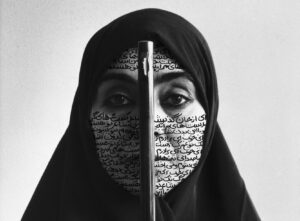
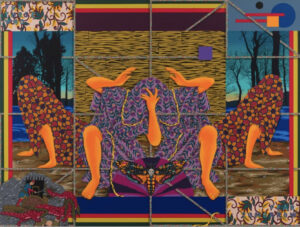
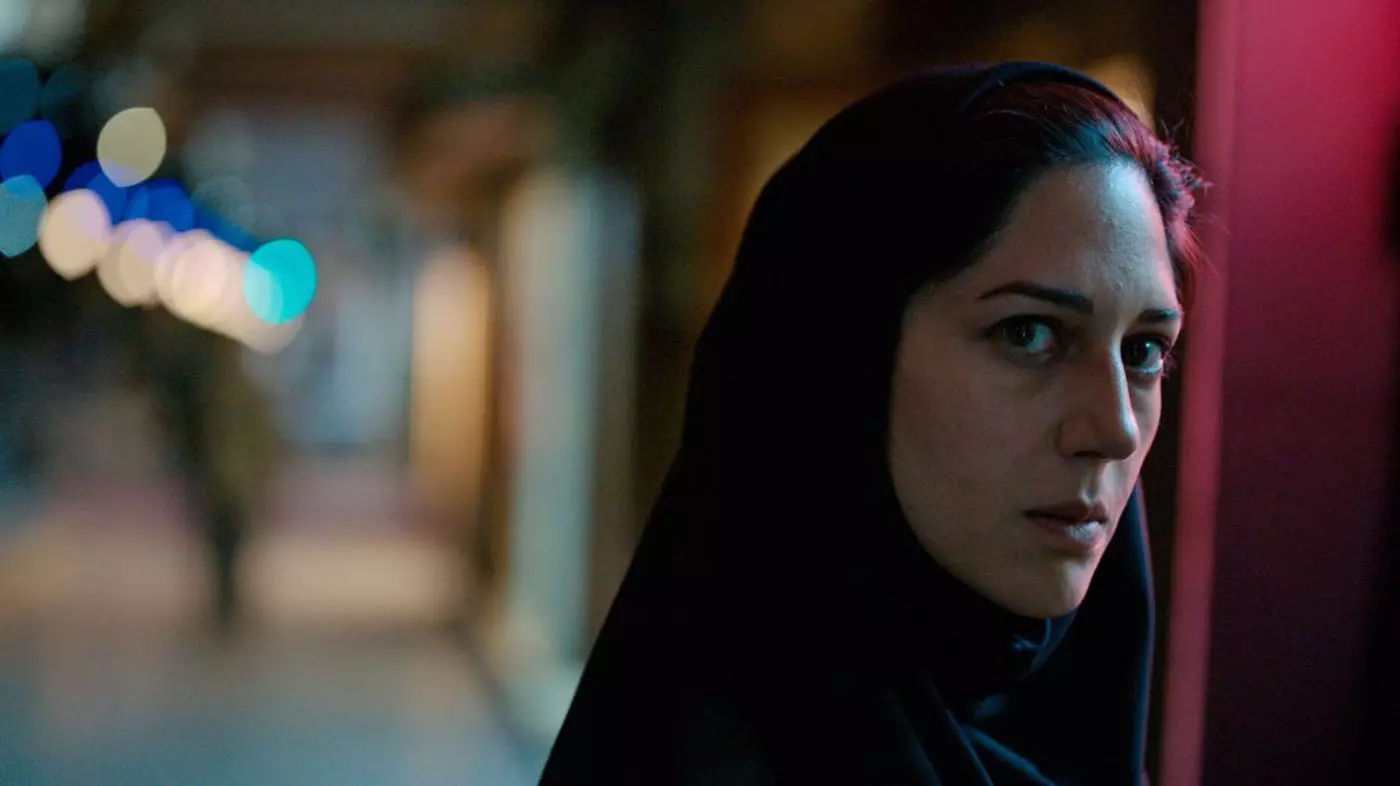
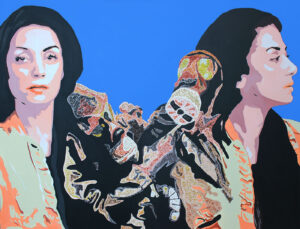
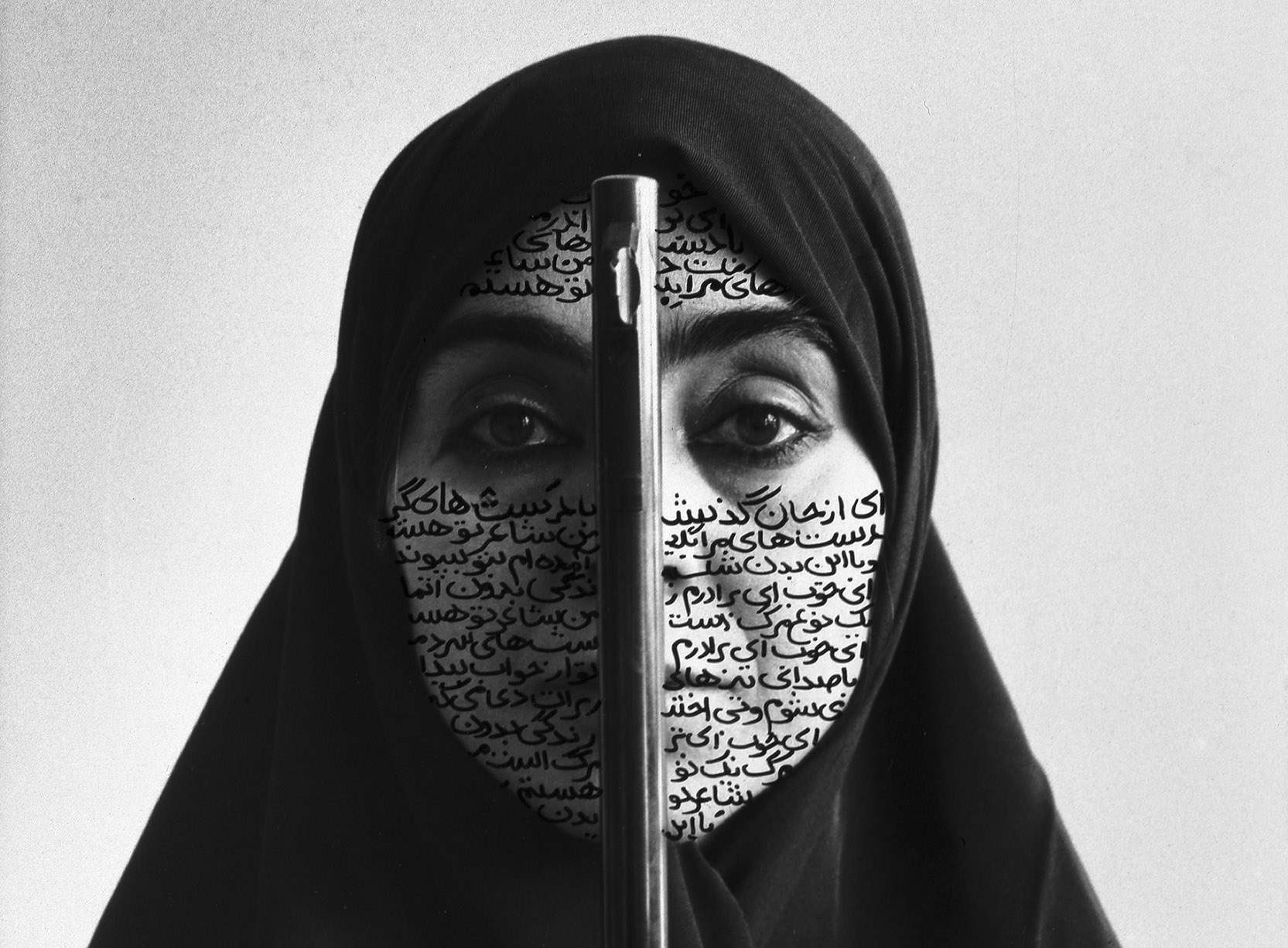
Shirin Neshat, "Rebellious Silence" (detail), Women of Allah series.

16 JANUARY 2026 • By Hassan Abdulrazzak

Select Other Languages French.

Faced with internal turmoil in Iran — and competing, troubling narratives of what's happening — can art guide us to understanding?

LONDON—The images coming out of Iran over the past days have taken me back, unexpectedly and powerfully, to the year 2000, and to the first time I encountered the work of Shirin Neshat at the Serpentine Gallery.

Neshat’s exhibition was stark and unsettling. Black-and-white photographs of women wrapped in chadors, their faces, hands, or feet inscribed with Persian calligraphy. At first glance, the images refused to tell you what to think. Were they celebrating the Iranian Revolution of 1979, or indicting it? The aesthetic borrowed from the visual language of revolutionary iconography, but it never resolved into propaganda. Instead, it held you in a state of moral and political uncertainty.

That ambiguity was deliberate. As several critics noted at the time, the Women of Allah series forced Western audiences to confront their own assumptions about Iran, Islam, and Iranian women. But if the still images left room for doubt, Neshat’s accompanying video installations did not.
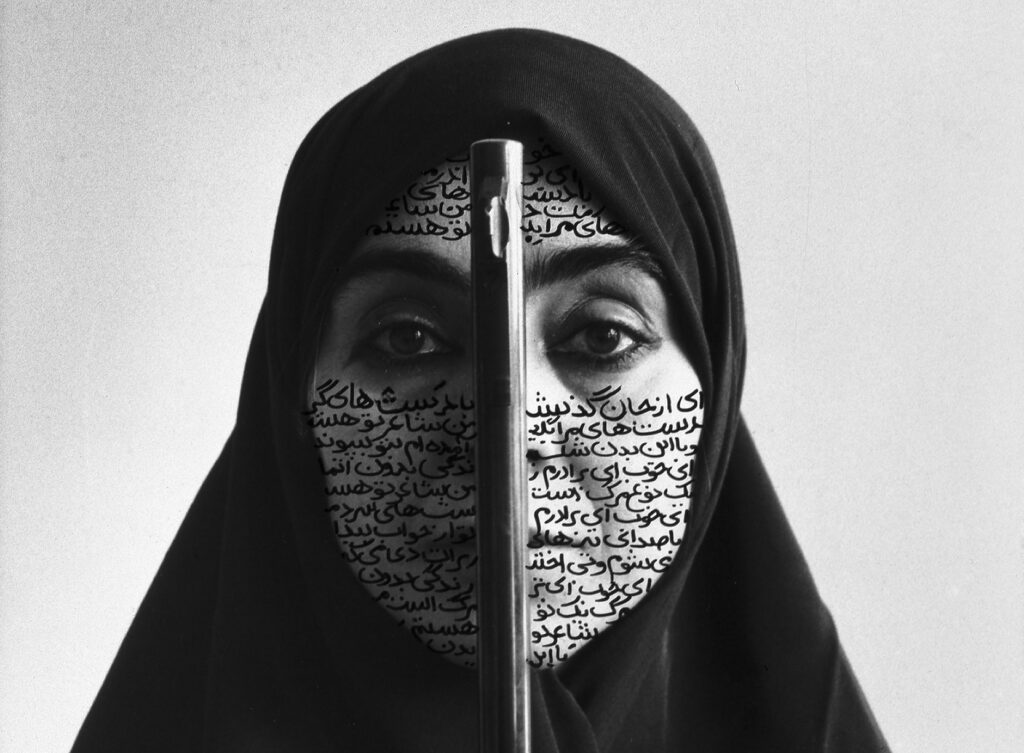

Calligraphy (detail), Shirin Neshat, Rebellious Silence, Women of Allah series, 1994, ink and black and white print on RC paper (courtesy Barbara Gladstone Gallery, New York and Brussels) © Shirin Neshat
Calligraphy (detail), Shirin Neshat, “Rebellious Silence,” Women of Allah series, 1994, ink and black/white print on RC paper (courtesy Barbara Gladstone Gallery NY and Brussels) © Shirin Neshat.

One work in her trilogy, Turbulent (1998), has stayed with me ever since. On one screen, a male singer performs before a full, rapt audience. On the opposite screen, a woman sings alone, facing an empty hall. Her voice raw, almost primal. The piece was a devastating critique of Iran’s ban on women singing publicly, an indictment of enforced silence, made audible.

The Serpentine is one of my favorite art spaces in London, and I return to it often. I’ve seen many exhibitions there since, some excellent, some forgettable. But nothing has ever landed with quite the same force as Neshat’s did then. It wasn’t just art; it felt like an education.


What has always impressed me about Neshat is her refusal to make easy or expected work. When she came to make her first feature film, Women Without Men (2009), she could have focused directly on the contemporary Islamic Republic. Instead, she went back to the 1950s, to the CIA- and MI6-backed coup that overthrew Iran’s democratically elected prime minister, Mohammad Mosaddegh, in 1953.

That coup is where so many of Iran’s modern troubles begin. Mosaddegh’s crime was nationalizing Iran’s oil industry, challenging British and American interests. His removal led to the consolidation of power under the Shah, an authoritarian regime that was pro-west, deeply unequal, and brutally repressive at home. The Islamic Revolution of 1979 did not emerge from a vacuum; it was shaped by decades of political suffocation that followed the coup. By choosing this moment for her first film, Neshat put her finger precisely on the historical fault line.

I fear deeply for the people of Iran when calls for “outside intervention” are made lightly. We have seen this film before.

Years later, I was asked by the Iranian American actress Nazanin Boniadi to write a film treatment about the life of the poet Forugh Farrokhzad. Researching Forugh was a joy and a revelation. She was radically ahead of her time: fiercely independent, sexually frank, politically alert, and artistically daring. Her poetry articulated a yearning for personal and social freedom that existed well before the revolution. Forugh died in 1967, long before 1979, but her work captures the progressive dreams of an Iranian cultural elite that never got the future it envisioned.

At a screening of Shirin Neshat’s later film about the Egyptian singer Umm Kulthum, I introduced myself and later emailed her the treatment. She read it and responded generously. Sadly, Nazanin and I were never able to secure a producer. It remains one of those projects I wish had found its moment.

Forugh’s life, and Neshat’s work, remind us that Iran has always contained multitudes: radical artists, secular thinkers, feminists, modernists. The Islamic Republic did not invent repression in Iran, but it has perfected it. Ayatollah Ruhollah Khomeini initially formed alliances with leftist and communist groups, only to crush them once power was secured. The result has been decades of violence, censorship, imprisonment, and fear.

Recently, there has been a disturbing claim circulating: that those of us who support freedom for Palestinians have somehow been “silent” on Iran, or worse, sympathetic to its regime because it backs Hamas. This is a slanderous oversimplification. I have no truck with any repressive regime. I believe politics and religion should be kept separate, everywhere.

At the same time, I fear deeply for the people of Iran when calls for “outside intervention” are made lightly. We have seen this film before. After 2003, Iraq was plunged into chaos following the US-led intervention, with estimates of excess deaths ranging from several hundred thousand to, in some studies, approaching a million. Whatever the precise number, the human cost was catastrophic. A similar collapse in Iran would devastate its people and unleash a refugee crisis on an unimaginable scale.

What I wish for Iran is change from within, however difficult, however unlikely it may seem under a regime willing to kill its own citizens en masse. And this is where I return, again, to Shirin Neshat. Her work has always resisted binaries: secular versus religious, victim versus villain. She critiques Iran’s rulers without erasing the complex history that led to their reign and condemns oppression without inviting catastrophe.

In this dire moment, her art feels newly urgent. A reminder that solidarity does not require simplification, and that justice, if it is to mean anything, must be rooted in nuance, memory, and care for human life.
 

Hassan Abdulrazzak

Hassan Abdulrazzak is an award-winning writer of Iraqi origin. His plays include The Yafa Cherry Orchard (BBC Radio 4, 2025), And Here I Am (Arcola Theatre, 2017 and currently touring internationally) and Baghdad Wedding (Soho Theatre, 2007 and international productions in Mumbai... Read more

Join Our Community

TMR exists thanks to its readers and supporters. By sharing our stories and celebrating cultural pluralism, we aim to counter racism, xenophobia, and exclusion with knowledge, empathy, and artistic expression.

Learn more

RELATED

Columns

Beyond Black and White: Notes from Tehran

23 JANUARY 2026 • By M. Nateqnuri
Beyond Black and White: Notes from Tehran
Opinion

What Shirin Neshat Taught Me About Iran

16 JANUARY 2026 • By Hassan Abdulrazzak
What Shirin Neshat Taught Me About Iran
Columns

Trump, The Liberator! (and the Fear Wagons)

16 JANUARY 2026 • By Amal Ghandour
Trump, The Liberator! (and the Fear Wagons)
Film Reviews

If You See Something—an Iraqi Film on Asylum

12 DECEMBER 2025 • By Alex Demyanenko
<em>If You See Something</em>—an Iraqi Film on Asylum
Fiction

“Tahmina”—a story from Iran

5 DECEMBER 2025 • By Abdollah Nazari
“Tahmina”—a story from Iran
Film

10 Noir Films from the Arab world, Iran, and Turkey

5 DECEMBER 2025 • By TMR
10 Noir Films from the Arab world, Iran, and Turkey
Film Reviews

The Woman Who Wouldn’t Break—Cutting Through Rocks’ Sara Shahverdi

28 NOVEMBER 2025 • By Alex Demyanenko
The Woman Who Wouldn’t Break—<em>Cutting Through Rocks’</em> Sara Shahverdi
Book Reviews

Contemporary Kurdish Writers in the Diaspora

14 NOVEMBER 2025 • By Matt Broomfield
Contemporary Kurdish Writers in the Diaspora
Uncategorized

Reading the Landscape: Cultural Clues and Regime Messages in Iran

12 SEPTEMBER 2025 • By Raha Nik-Andish
Reading the Landscape: Cultural Clues and Regime Messages in Iran
Essays

Remaining in Light: Iranians Search for Solace and Well-Being

5 SEPTEMBER 2025 • By Malu Halasa
Remaining in Light: Iranians Search for Solace and Well-Being
Book Reviews

Hope Without Hope: Rojava and Revolutionary Commitment

11 JULY 2025 • By Arie Amaya-Akkermans
Hope Without Hope: Rojava and Revolutionary Commitment
Essays

Life Under the Shadow of Missiles: the View From Iran

20 JUNE 2025 • By Amir
Life Under the Shadow of Missiles: the View From Iran
Book Reviews

The Evin Prison Bakers’ Club — Review

6 JUNE 2025 • By Hannah Kaviani
The Evin Prison Bakers’ Club — Review
Editorial

For Our 50th Issue, Writers Reflect on Going Home

2 MAY 2025 • By TMR
For Our 50th Issue, Writers Reflect on Going Home
Essays

Leaving Abdoh, Finding Chamran

2 MAY 2025 • By Salar Abdoh
Leaving Abdoh, Finding Chamran
Essays

Looking for a Job, Living and Dying in Iran: The Logistics of Going Back

2 MAY 2025 • By Raha Nik-Andish
Looking for a Job, Living and Dying in Iran: The Logistics of Going Back
Centerpiece

Love and Resistance in Online Persian Dating Shows

7 MARCH 2025 • By Malu Halasa
Love and Resistance in Online Persian Dating Shows
Art & Photography

Mostafa Nodeh: Featured Artist Interview

7 FEBRUARY 2025 • By Mostafa Nodeh
Mostafa Nodeh: Featured Artist Interview
Film Reviews

My Favorite Cake, Iranian Cinema’s Bittersweet Ode to Love

17 JANUARY 2025 • By Karim Goury
<em>My Favorite Cake</em>, Iranian Cinema’s Bittersweet Ode to Love
Book Reviews

In Killing Gilda Yahya Gharagozlou Tells an Intriguing Iranian Tale

10 JANUARY 2025 • By Azadeh Moaveni
In <em>Killing Gilda</em> Yahya Gharagozlou Tells an Intriguing Iranian Tale
Editorial

The Editor’s Letter Following the US 2024 Presidential Election

8 NOVEMBER 2024 • By Jordan Elgrably
The Editor’s Letter Following the US 2024 Presidential Election
Essays

The Felines that Leave Us, and the Humans that Left

1 NOVEMBER 2024 • By Farnaz Haeri, Salar Abdoh
The Felines that Leave Us, and the Humans that Left
Film

Freedom is a Combat Sport: On Tatami

11 OCTOBER 2024 • By Karim Goury
Freedom is a Combat Sport: On <em>Tatami</em>
Editorial

A Year of War Without End

4 OCTOBER 2024 • By Lina Mounzer
A Year of War Without End
Book Reviews

Tragic Consequences — On Western Meddling in the Middle East

13 SEPTEMBER 2024 • By Dina Rezk
Tragic Consequences — On Western Meddling in the Middle East
Poetry

Hafez, Iran’s Revered Poet, trans. Erfan Mojib & Gary Gach

15 JULY 2024 • By Erfan Mojib, Gary Gach
Hafez, Iran’s Revered Poet, trans. Erfan Mojib & Gary Gach
Fiction

“Firefly”—a short story by Alireza Iranmehr

5 JULY 2024 • By Alireza Iranmehr, Salar Abdoh
“Firefly”—a short story by Alireza Iranmehr
Books

The Mourning Diaries of Atash Shakarami

5 JULY 2024 • By Poupeh Missaghi
The Mourning Diaries of Atash Shakarami
Poetry

Three Poems by Somaia Ramish

12 JUNE 2024 • By Somaia Ramish
Three Poems by Somaia Ramish
Interviews

Nothing is Normal, Nothing Is What it Seems (Underground Theatre in Iran After the Woman, Life, Freedom Movement)

7 JUNE 2024 • By Mehrnaz Daneshvar, Salar Abdoh
Nothing is Normal, Nothing Is What it Seems (Underground Theatre in Iran After the Woman, Life, Freedom Movement)
Featured Artist

Bani Khoshnoudi: Featured Artist for PARIS

1 APRIL 2024 • By TMR, Jordan Elgrably
Bani Khoshnoudi: Featured Artist for PARIS
Book Reviews

Eyeliner: A Cultural History by Zahra Hankir—A Review

19 FEBRUARY 2024 • By Nazli Tarzi
<em>Eyeliner: A Cultural History</em> by Zahra Hankir—A Review
short story

“Water”—a short story by Salar Abdoh

4 FEBRUARY 2024 • By Salar Abdoh
“Water”—a short story by Salar Abdoh
Essays

A Treatise on Love

4 FEBRUARY 2024 • By Maryam Haidari, Salar Abdoh
A Treatise on Love
Books

Illuminated Reading for 2024: Our Anticipated Titles

22 JANUARY 2024 • By TMR
Illuminated Reading for 2024: Our Anticipated Titles
Book Reviews

An Iranian Novelist Seeks the Truth About a Plane Crash

15 JANUARY 2024 • By Sepideh Farkhondeh
An Iranian Novelist Seeks the Truth About a Plane Crash
Film

Religious Misogyny Personified in Ali Abbasi’s Holy Spider

11 DECEMBER 2023 • By Bavand Karim
Religious Misogyny Personified in Ali Abbasi’s <em>Holy Spider</em>
Fiction

“The Waiting Bones”—an essay by Maryam Haidari

3 DECEMBER 2023 • By Maryam Haidari, Salar Abdoh
“The Waiting Bones”—an essay by Maryam Haidari
Book Reviews

First Kurdish Sci-Fi Collection is Rooted in the Past

28 NOVEMBER 2023 • By Matt Broomfield
First Kurdish Sci-Fi Collection is Rooted in the Past
Fiction

Bahar: 22 years in the Life of a Compulsory Hijabi in Teheran

20 NOVEMBER 2023 • By Joumana Haddad
Bahar: 22 years in the Life of a Compulsory Hijabi in Teheran
Art & Photography

Iranian Women Photographers: Life, Freedom, Music, Art & Hair

20 NOVEMBER 2023 • By Malu Halasa
Iranian Women Photographers: Life, Freedom, Music, Art & Hair
Islam

October 7 and the First Days of the War

23 OCTOBER 2023 • By Robin Yassin-Kassab
October 7 and the First Days of the War
Book Reviews

Reza Aslan’s An American Martyr in Persia Argues for US-Iranian Friendship

1 OCTOBER 2023 • By Dalia Sofer
Reza Aslan’s <em>An American Martyr in Persia</em> Argues for US-Iranian Friendship
Art

Special World Picks Sept 15-26 on TMR’s Third Anniversary

14 SEPTEMBER 2023 • By TMR
Special World Picks Sept 15-26 on TMR’s Third Anniversary
Essays

A Day in the Life with Forugh Farrokhzad (and a Tortoise)

3 SEPTEMBER 2023 • By Fargol Malekpoosh
A Day in the Life with Forugh Farrokhzad (and a Tortoise)
Book Reviews

Can the Kurdish Women’s Movement Transform the Middle East?

31 JULY 2023 • By Matt Broomfield
Can the Kurdish Women’s Movement Transform the Middle East?
Fiction

Arrival in the Dark—fiction from Alireza Iranmehr

2 JULY 2023 • By Alireza Iranmehr, Salar Abdoh
Arrival in the Dark—fiction from Alireza Iranmehr
Fiction

“Here, Freedom”—fiction from Danial Haghighi

2 JULY 2023 • By Danial Haghighi, Salar Abdoh
“Here, Freedom”—fiction from Danial Haghighi
Essays

Zahhāk: An Etiology of Evil

2 JULY 2023 • By Omid Arabian
Zahhāk: An Etiology of Evil
Fiction

“The Long Walk of the Martyr”—fiction from Salar Abdoh

2 JULY 2023 • By Salar Abdoh
“The Long Walk of the Martyr”—fiction from Salar Abdoh
Photography

Iran on the Move—Photos by Peyman Hooshmandzadeh

1 MAY 2023 • By Peyman Hooshmandzadeh, Malu Halasa
Iran on the Move—Photos by Peyman Hooshmandzadeh
Book Reviews

Hard Work: Kurdish Kolbars or Porters Risk Everything

1 MAY 2023 • By Clive Bell
Hard Work: Kurdish <em>Kolbars</em> or Porters Risk Everything
Cities

The Odyssey That Forged a Stronger Athenian

5 MARCH 2023 • By Iason Athanasiadis
The Odyssey That Forged a Stronger Athenian
Book Reviews

White Torture Prison Interviews Condemn Solitary Confinement

13 FEBRUARY 2023 • By Kamin Mohammadi
<em>White Torture</em> Prison Interviews Condemn Solitary Confinement
Columns

Letters From Tehran: Braving Tehran’s Roundabout, Maidan Valiasr

30 JANUARY 2023 • By TMR
Letters From Tehran: Braving Tehran’s Roundabout, Maidan Valiasr
Book Reviews

Editor’s Picks: Magical Realism in Iranian Lit

30 JANUARY 2023 • By Rana Asfour
Editor’s Picks: Magical Realism in Iranian Lit
Featured article

Don’t Be a Stooge for the Regime—Iranians Reject State-Controlled Media!

15 DECEMBER 2022 • By Malu Halasa
Don’t Be a Stooge for the Regime—Iranians Reject State-Controlled Media!
Columns

Siri Hustvedt & Ahdaf Souief Write Letters to Imprisoned Writer Narges Mohammadi

15 DECEMBER 2022 • By TMR
Siri Hustvedt & Ahdaf Souief Write Letters to Imprisoned Writer Narges Mohammadi
Music

Revolutionary Hit Parade: 12+1 Protest Songs from Iran

15 DECEMBER 2022 • By Malu Halasa
Revolutionary Hit Parade: 12+1 Protest Songs from Iran
Film

Imprisoned Director Jafar Panahi’s No Bears

15 DECEMBER 2022 • By Clive Bell
Imprisoned Director Jafar Panahi’s <em>No Bears</em>
Opinion

Historic Game on the Horizon: US Faces Iran Once More

28 NOVEMBER 2022 • By Mireille Rebeiz
Opinion

Fragile Freedom, Fragile States in the Muslim World

24 OCTOBER 2022 • By I. Rida Mahmood
Fragile Freedom, Fragile States in the Muslim World
Opinion

Letter From Tehran: On the Pain of Others, Once Again

24 OCTOBER 2022 • By Sara Mokhavat
Letter From Tehran: On the Pain of Others, Once Again
Poetry

The Heroine Forugh Farrokhzad—”Only Voice Remains”

15 OCTOBER 2022 • By Sholeh Wolpé
The Heroine Forugh Farrokhzad—”Only Voice Remains”
Art

#MahsaAmini—Art by Rachid Bouhamidi, Los Angeles

15 OCTOBER 2022 • By Rachid Bouhamidi
#MahsaAmini—Art by Rachid Bouhamidi, Los Angeles
Art & Photography

Homage to Mahsa Jhina Amini & the Women-Led Call for Freedom

15 OCTOBER 2022 • By TMR
Homage to Mahsa Jhina Amini & the Women-Led Call for Freedom
Art

Defiance—an essay from Sara Mokhavat

15 OCTOBER 2022 • By Sara Mokhavat, Salar Abdoh
Defiance—an essay from Sara Mokhavat
Art & Photography

Shirin Mohammad: Portrait of an Artist Between Berlin & Tehran

15 SEPTEMBER 2022 • By Noushin Afzali
Shirin Mohammad: Portrait of an Artist Between Berlin & Tehran
Columns

Salman Rushdie, Aziz Nesin and our Lingering Fatwas

22 AUGUST 2022 • By Sahand Sahebdivani
Salman Rushdie, Aziz Nesin and our Lingering Fatwas
Art

Abundant Middle Eastern Talent at the ’22 Avignon Theatre Fest

18 JULY 2022 • By Nada Ghosn
Abundant Middle Eastern Talent at the ’22 Avignon Theatre Fest
Editorial

Editorial: Is the World Driving Us Mad?

15 JULY 2022 • By TMR
Editorial: Is the World Driving Us Mad?
Centerpiece

Big Laleh, Little Laleh—memoir by Shokouh Moghimi

15 JULY 2022 • By Shokouh Moghimi, Salar Abdoh
Big Laleh, Little Laleh—memoir by Shokouh Moghimi
Columns

World Refugee Day — What We Owe Each Other

20 JUNE 2022 • By Jordan Elgrably
World Refugee Day — What We Owe Each Other
Columns

Not Just Any Rice: Persian Kateh over Chelo

15 APRIL 2022 • By Maryam Mortaz, A.J. Naddaff
Not Just Any Rice: Persian Kateh over Chelo
Book Reviews

Abū Ḥamza’s Bread

15 APRIL 2022 • By Philip Grant
Abū Ḥamza’s Bread
Latest Reviews

Three Love Poems by Rumi, Translated by Haleh Liza Gafori

15 MARCH 2022 • By Haleh Liza Gafori
Three Love Poems by Rumi, Translated by Haleh Liza Gafori
Columns

Getting to the Other Side: a Kurdish Migrant Story

15 JANUARY 2022 • By Iason Athanasiadis
Getting to the Other Side: a Kurdish Migrant Story
Art & Photography

Refugees of Afghanistan in Iran: a Photo Essay by Peyman Hooshmandzadeh

15 JANUARY 2022 • By Peyman Hooshmandzadeh, Salar Abdoh
Refugees of Afghanistan in Iran: a Photo Essay by Peyman Hooshmandzadeh
Book Reviews

Meditations on The Ungrateful Refugee

15 JANUARY 2022 • By Rana Asfour
Meditations on <em>The Ungrateful Refugee</em>
Interviews

The Fabulous Omid Djalili on Good Times and the World

15 DECEMBER 2021 • By Jordan Elgrably
The Fabulous Omid Djalili on Good Times and the World
Art & Photography

Hasteem, We Are Here: The Collective for Black Iranians

15 SEPTEMBER 2021 • By Maryam Sophia Jahanbin
Hasteem, We Are Here: The Collective for Black Iranians
Essays

Why Resistance Is Foundational to Kurdish Literature

15 SEPTEMBER 2021 • By Ava Homa
Why Resistance Is Foundational to Kurdish Literature
Featured excerpt

The Harrowing Life of Kurdish Freedom Activist Kobra Banehi

15 SEPTEMBER 2021 • By Kobra Banehi, Jordan Elgrably
The Harrowing Life of Kurdish Freedom Activist Kobra Banehi
Latest Reviews

Women Comic Artists, from Afghanistan to Morocco

15 AUGUST 2021 • By Sherine Hamdy
Women Comic Artists, from Afghanistan to Morocco
Weekly

The Unfinished Presidency of Jimmy Carter

4 JULY 2021 • By Maryam Zar
The Unfinished Presidency of Jimmy Carter
Book Reviews

ISIS and the Absurdity of War in the Age of Twitter

4 JULY 2021 • By Jessica Proett
ISIS and the Absurdity of War in the Age of Twitter
Art

The Murals of “Education is Not a Crime”

14 MAY 2021 • By Saleem Vaillancourt
The Murals of “Education is Not a Crime”
TMR 7 • Truth?

The Crash, Covid-19 and Other Iranian Stories

14 MARCH 2021 • By Malu Halasa
The Crash, Covid-19 and Other Iranian Stories
TMR 6 • Revolutions

The Revolution Sees its Shadow 10 Years Later

14 FEBRUARY 2021 • By Mischa Geracoulis
The Revolution Sees its Shadow 10 Years Later

Leave a Comment

Your email address will not be published. Required fields are marked *

one × 1 =

Scroll to Top