Gritty, atmospheric, and steeped in tension, these noir novels prove that truth is never simple, and justice is never guaranteed.
Noir in Arab fiction has emerged as one of the most compelling and versatile literary modes of the past two decades, offering writers a potent framework for exploring crime, corruption, moral ambiguity, and the psychological shadows cast by political and social upheaval. While classical Western noir developed from hard-boiled crime novels, Arab noir adapts the genre to local realities: crumbling bureaucracies, urban alienation, class divides, authoritarian power, and the hidden economies that shape everyday life. In these works, the detective is often powerless, the crime is rarely cleanly solved, and justice, if it comes at all, arrives twisted or incomplete.
Arab noir tends to be less about the mechanics of mystery-solving and more about exposing systems: the rot inside government offices, the suffocating weight of social expectations, or the silent complicity of communities. In cities like Cairo, Beirut, Casablanca, and Tunis, noir becomes a way to chart the maze of back alleys, informal networks, and invisible rules that govern survival. The protagonists are frequently journalists, failed intellectuals, disillusioned police officers, or ordinary people caught in forces larger than themselves. In other words, with flawed heroes and villains that are victims of circumstance, no one is fully innocent. Writers use the genre’s darkness not just for suspense, but to interrogate the psychological impact of living under economic, social, or ideological pressures. As a result, Arab noir is less a subgenre of crime and more a critical lens: a way of writing about the complexities of the SWANA region through stories that are gritty, tense, and deeply human.
•
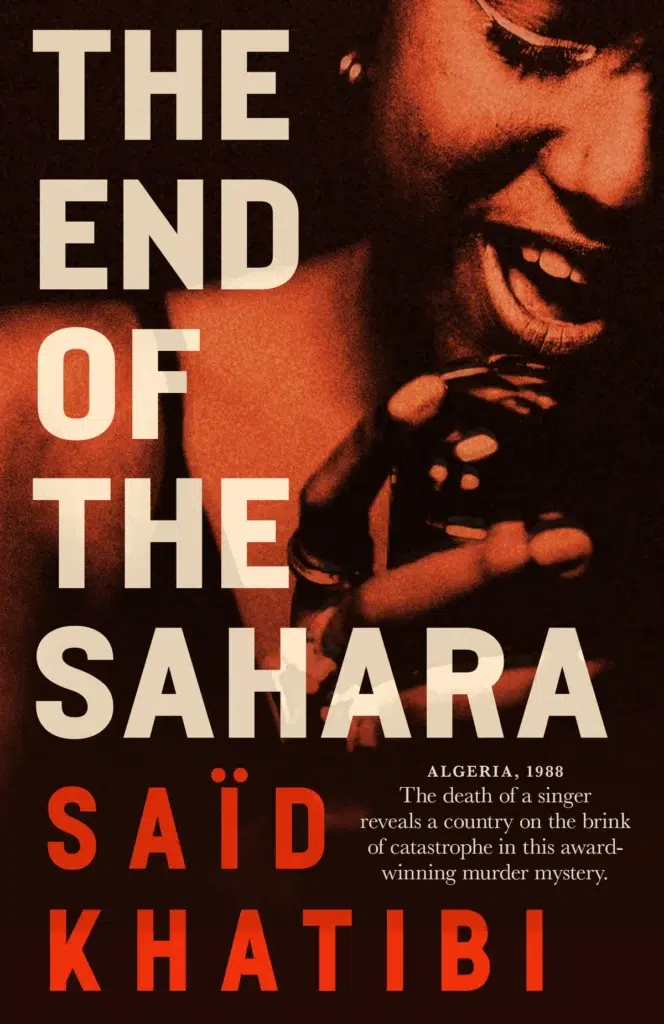
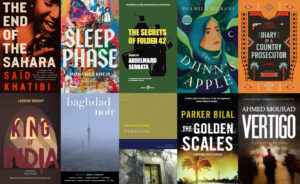
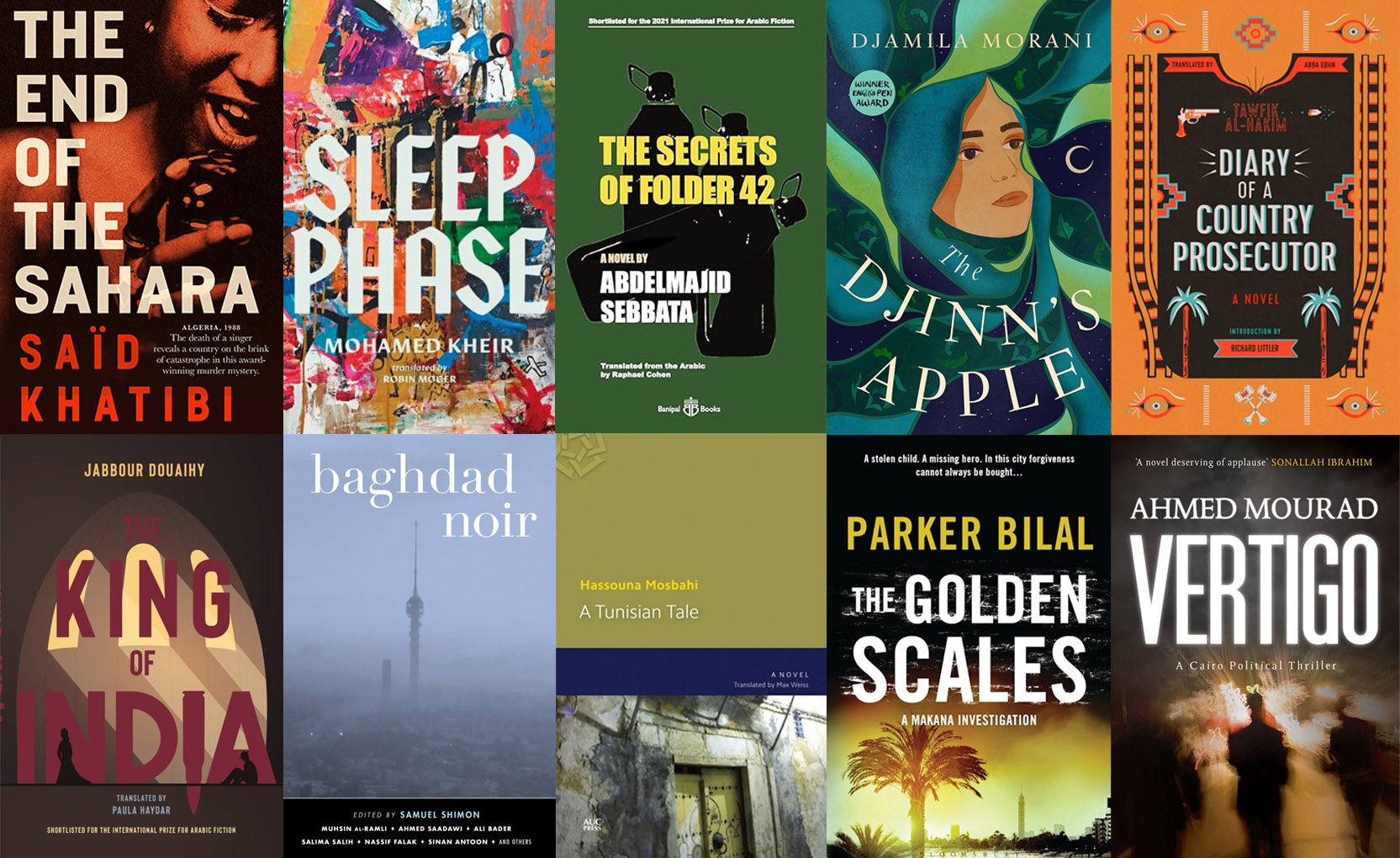
The End of the Sahara by Saïd Khatibi, translated by Alexander Elinson (Bitter Lemon Press, March 2026)
Saïd Khatibi’s novel, The End of the Sahara, garnered the prestigious Sheikh Zayed Book Award in 2023 in the Young Author category. The judges commended the book for its “imaginative qualities, stylistic originality, and skillful narrative in the detective genre.” Set in a small desert town in Algeria in 1988, the story unfolds when a local shepherd discovers the body of Zakia Zaghouani, affectionately known as Zaza, a young nightclub singer who had fled her hometown in pursuit of a better life. The investigation, featuring a corrupt local police inspector and the defense attorney of the main suspect, is narrated through various perspectives, including those of locals, hotel staff, and acquaintances. This multifaceted approach uncovers decades of personal rivalries and interpersonal tensions among the characters, as well as local stories that resonate with broader national and international issues.
The novel highlights the enduring scars of gender-based violence, historical and contemporary, while showcasing resilient, resourceful women who drive the narrative forward. From mothers protecting their families to fiery young lawyers seeking justice, the female characters deliver some of the story’s most unforgettable moments, with shared wit and incisive dialogue.
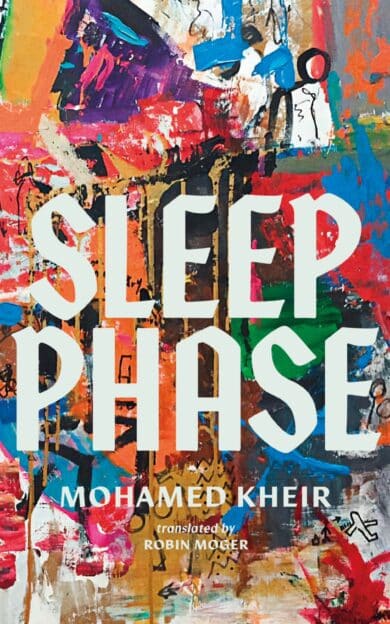
Sleep Phase by Mohamed Kheir, translated by Robin Moger, Two Lines Press, 2025
The novel follows Warif Shaheen, who, after spending seven years in prison, is released into a drastically changed Cairo, full of expats, bureaucrats, and newcomers. As Warif finds himself caught in encounters that feel more like interrogations, the weight of a system designed against him begins to close in, threatening to suffocate him. In response, he seeks refuge in the vibrant colors of the city, immersing himself in its sights and sounds, in its food, people, architecture, and blooming flowers. As he delves deeper, the lines between reality and fantasy start to blur. The novel’s strength lies in its atmospheric rendering of a city in transition, not just physically but also psychologically, giving the reader a sense of what it’s like to feel lost in one’s own home city.
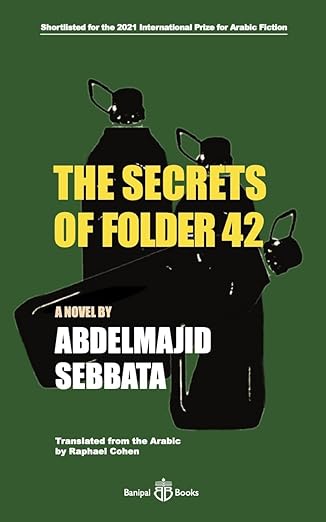
The Secrets of Folder 42 by Abelmajid Sebbata, translated by Raphael Cohen, Banipal Books, 2024
This gripping Moroccan mystery-thriller masterfully weaves together crime, history, and political intrigue, earning a spot on the shortlist for the 2021 International Prize for Arabic Fiction. The narrative unfolds like a complex jigsaw puzzle, revealing two intertwined stories set across different continents and grounded in real historical events. As American novelist Christine McMillan and literature student Rachid Bennacer delve into the mysterious links within the novel The Moroccan Jigsaw Puzzle, penned by an anonymous author in 1989, they edge closer to uncovering a long-buried secret from 1959. In a parallel story, school chess champion Zouhair Belkacem, fleeing a rape charge by heading to medical school in Moscow, eventually makes his way back to Morocco. While these plotlines don’t fully converge, they underscore the intricate political, social, and historical layers that shape Morocco’s tumultuous past.
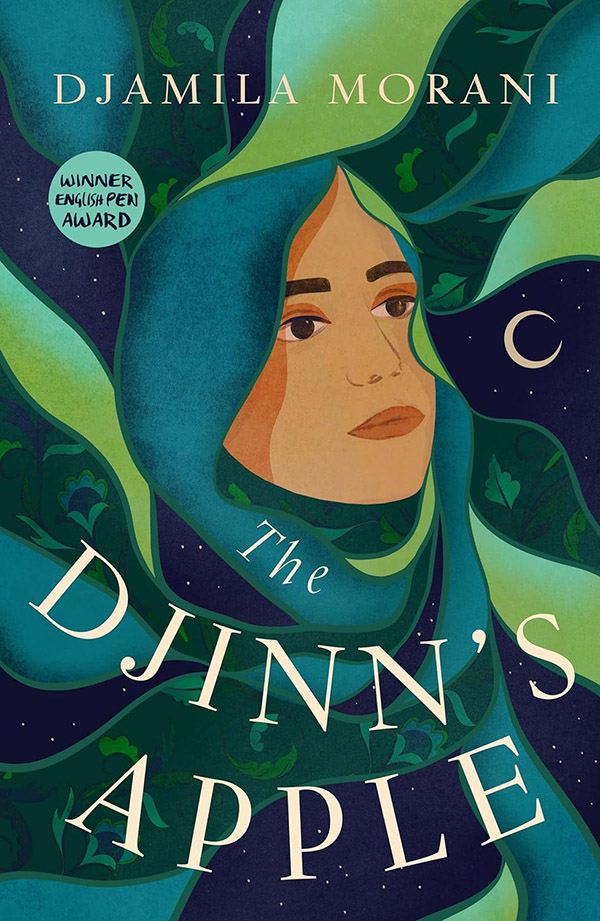
The Djinn’s Apple by Djamila Morani, translated by Sawad Hussain, Neem Tree Press, 2024
Winner of an English PEN Translates Award, this young adult historical mystery is set in ninth-century Baghdad during the reign of Harun al-Rashid, a time renowned as the golden age of the Abbasid Caliphate. The story follows a young girl named Nardeen Baramika, whose family comes from a once-powerful Persian noble lineage that has fallen from grace and become the target of a politically driven purge. When her home is invaded by furious men searching desperately for something or someone, Nardeen is the only one to get away. After her family is left behind and murdered, she embarks on a mission to seek justice for her loved ones, no matter the cost. The novel delves into themes of gender and societal roles, healing and knowledge, as well as powerful issues of murder, injustice, grief, revenge, and the journey of self-discovery.
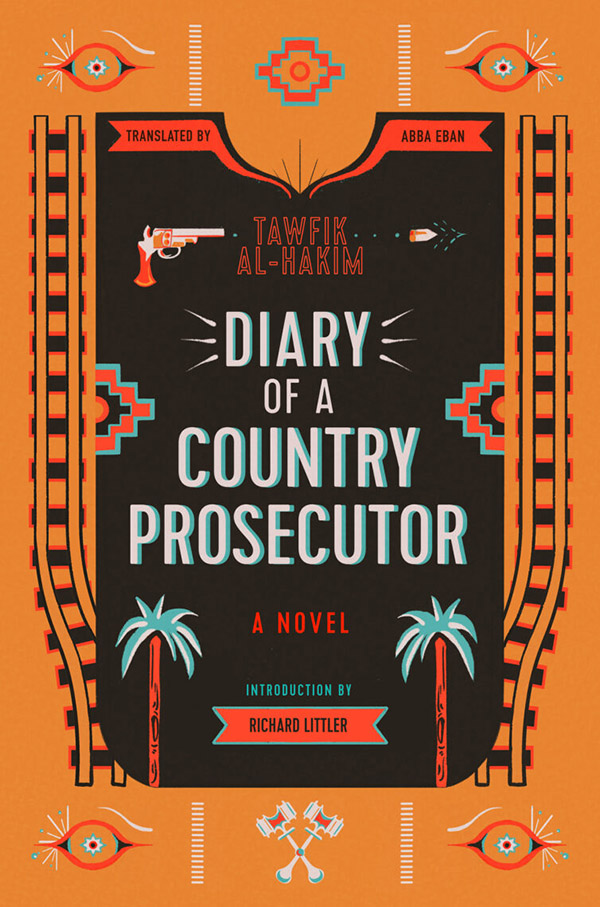
Diary of a Country Prosecutor by Tawfiq al-Hakim, translated by Abba Eban, Saqi, 2023
This novel offers a sharp and darkly funny view of rural justice in early twentieth-century Egypt. It is written as diary entries from a young, hopeful prosecutor sent to a remote village. The story uses humor to reveal the large gap between a fancy, foreign legal system and the messy, poor realities of village life. The prosecutor arrives believing in the importance of investigation, evidence, and procedures. However, he finds a confusing mix of rumors, superstitions, bureaucracy, and deep social divisions. The novel’s strength is its tone, which is both witty and grim. The prosecutor’s sincere efforts to solve a local crime often end in confusion because the villagers are either too scared or too indifferent to tell the truth. The humor resembles a courtroom comedy, but beneath it lies a serious critique of a justice system that struggles to operate in a place where poverty, illiteracy, and fear matter more than the law. This book is a thoughtful, humane, and haunting read.
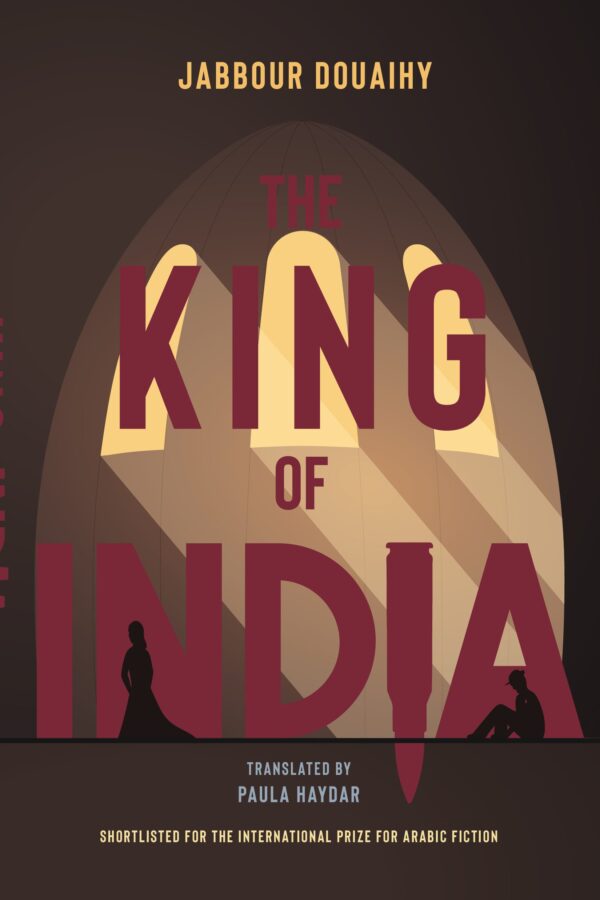
The King of India by Jabbour Douaihy, translated by Paula Haydar, Interlink Books, 2022
This literary mystery starts with the discovery of Zakaria Nasr’s body in an orchard near his village in northern Lebanon. Questions arise about his death — was it murder, suicide, or something else? After years of living abroad, Zakaria returned home with a valuable painting called “The Blue Violinist,” a gift from his girlfriend in Paris. Investigator Abu Khalid explores the case and uncovers Zakaria’s complicated life, revealing family feuds, the history of Lebanese emigration, and issues of wealth and identity. The investigation is influenced by the lingering effects of Lebanon’s civil war. The novel combines detective fiction with social realism, offering a deep look at Lebanese identity and the challenges of displacement.
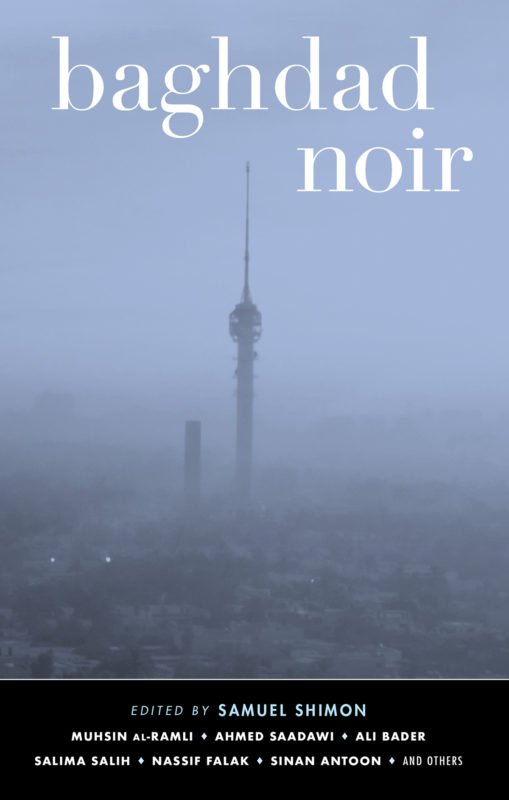
The Akashic City Noir series, Akashic Books
This is a long-running collection of noir anthologies, each centered on a specific city or region around the world. Launched in 2004 with Brooklyn Noir, the series now includes more than 100 volumes. Each volume is edited by a local writer and features original short stories written by authors who know the given city intimately. The books emphasize moral ambiguity, crime, social conflict, and the darker corners of urban life — not necessarily detective fiction, but atmospheric, character-driven noir plots. There are currently six volumes of the Akashic City Noir series set in the SWANA region — Baghdad Noir (2018, edited by Samuel Shamon), Beirut Noir (edited by Iman Humaydan, 2019), Marrakech Noir (edited by Yassin Adnan, 2018), East Jerusalem Noir (edited by Rawya Jarjoura Burbara, 2023), West Jerusalem Noir (edited by Maayan Eitan, 2023) and Tehran Noir (edited by Salar Abdoh, 2019) — all of which highlight the contrasts within Arab cities with many stories engaging with war, occupation, displacement, authoritarianism, and violence in which protagonists are flawed, conflicted or trapped by circumstance. The focus is less on detective whodunnits and more on mood.
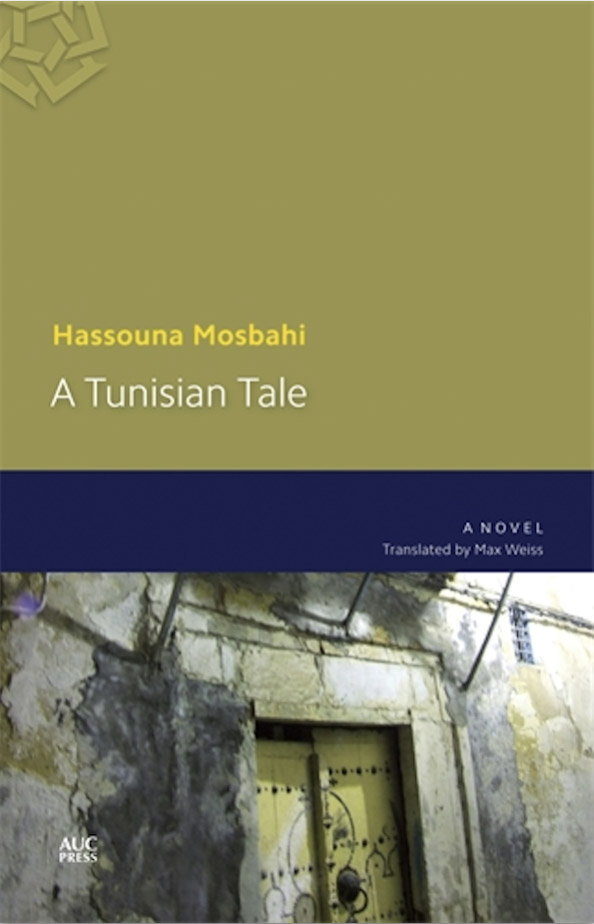
A Tunisian Tale: A Novel by Hassouna Mosbahi, translated by Max Weiss, AUC Press, 2016
This psychological thriller, first published in Arabic in 2007, tackles taboo subjects in Tunisian society and challenges traditional Arab storytelling. The story alternates between two first-person narrators: a mother (Najma) and her son (Alaa al-Din) whereby Najma recounts her life from her village, through marriage and migration, and Alaa gives his account as a condemned man on death row. Through these alternating perspectives, the novel gradually reveals the background and motivations leading to its central crime. An imaginative and disturbing novel that explores how rumors and judgments in a conservative or impoverished society can destroy lives, especially those of marginalized individuals. Rather than being plot-driven, the book is psychologically intimate, peeling back the characters’ inner thoughts to ask how much power communities have over the fate of the individual and how people change when they feel they have no escape.
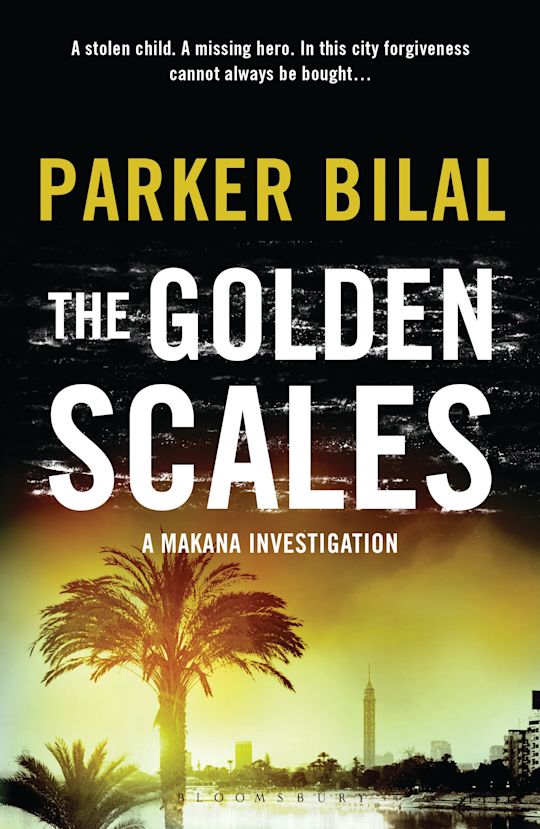
The Golden Scales by Parker Bilal (the Makana detective series), Bloomsbury, 2012
Parker Bilal is the pen name of Jamal Mahjoub. His “Makana” detective series, which begins with The Golden Scales, presents a gripping classic detective noir narrative set against the gritty backdrop of Cairo. The story delves into themes of murder, corruption, the impact of war, identity, and migration. The protagonist, Makana, is a former police inspector from Sudan who has been forced into exile and now resides on a rickety houseboat along the Nile in Cairo, where he works as a private investigator. When Saad Hanafi, a powerful tycoon and owner of a successful football club, hires Makana to locate his missing star player, Adil Romario, the investigation plunges him deep into Cairo’s underworld of corruption, ambition, and hidden power. Along the way, Makana uncovers a decades-old mystery tied to a missing child and a mother’s relentless quest for the truth.
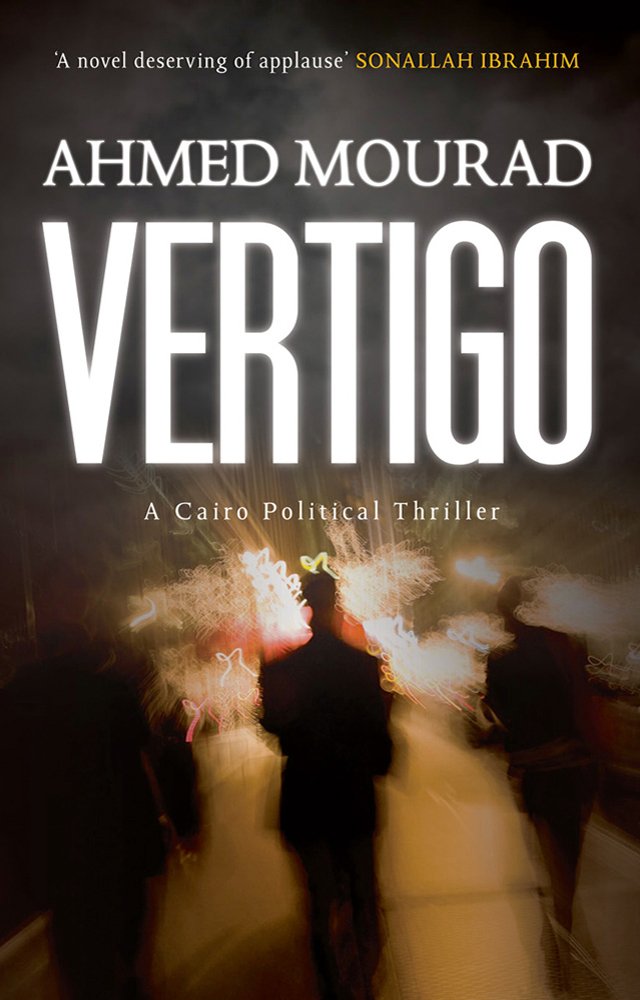
Vertigo: A Cairo political thriller by Ahmed Mourad, translated by Robin Moger, Bloomsbury Qatar Foundation Publishing, 2011
Ahmed Mourad’s debut novel, published in Arabic in 2007, gained popularity and was later turned into a TV series. It follows Ahmed Kamal, a young photographer who unintentionally captures a massacre at an upscale bar called “Vertigo.” The photo exposes corrupt businessmen involved in crime and politics. Realizing the danger he’s in, Kamal goes into hiding and gets caught up in a web of corruption and power struggles among Egypt’s elite. As he tries to reveal the truth, he becomes a target and a reluctant hero, facing tough choices about justice. The novel combines thriller elements with social commentary, providing a gripping look at Egyptian society and its nightlife. The translator, Robin Moger, praised the book for its honest portrayal of Egypt’s issues concerning sex, religion, government, and dignity.