


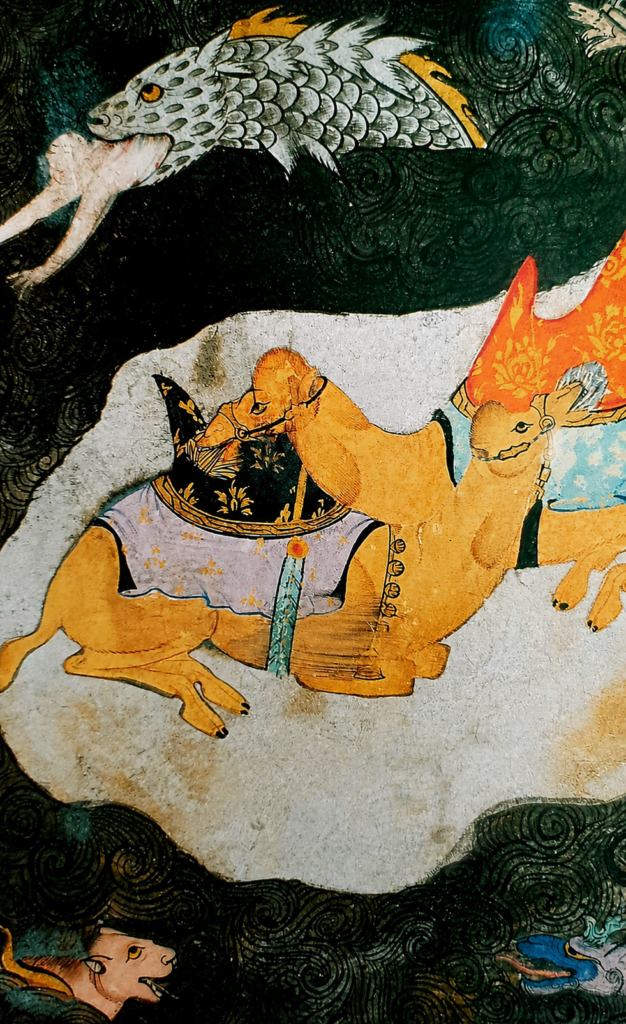
مقتطف من كتاب بلال حسني كعكة الحمار الوحشي
يتجول بلال حسني في مصنع مهجور ويقابل عمال بناء وكلبًا أزرق، وعلى الرغم من أن كل شيء حقيقي إلا أنه يبدو خياليًا تمامًا.
يتجول بلال حسني في مصنع مهجور ويقابل عمال بناء وكلبًا أزرق، وعلى الرغم من أن كل شيء حقيقي إلا أنه يبدو خياليًا تمامًا.
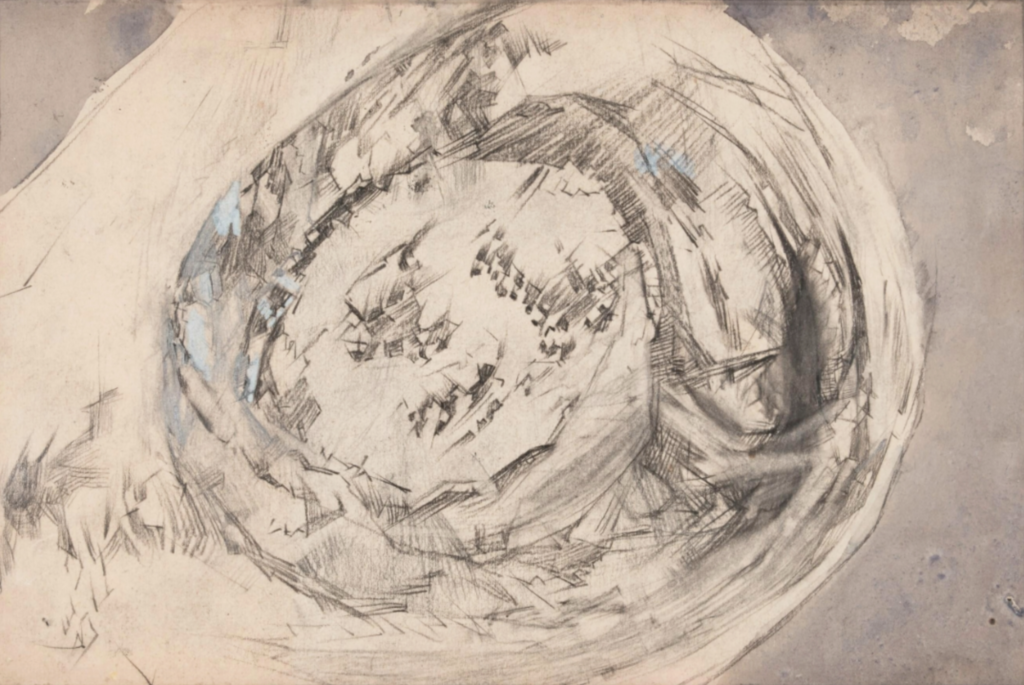
هل يؤثر الأهل والسكان المحليون الذين لا يستطيعون التعامل مع التغيير علينا؟ لؤلؤة سوداء هي أولى قصص عبد الرحمن أحمد في المركز بالعربي.
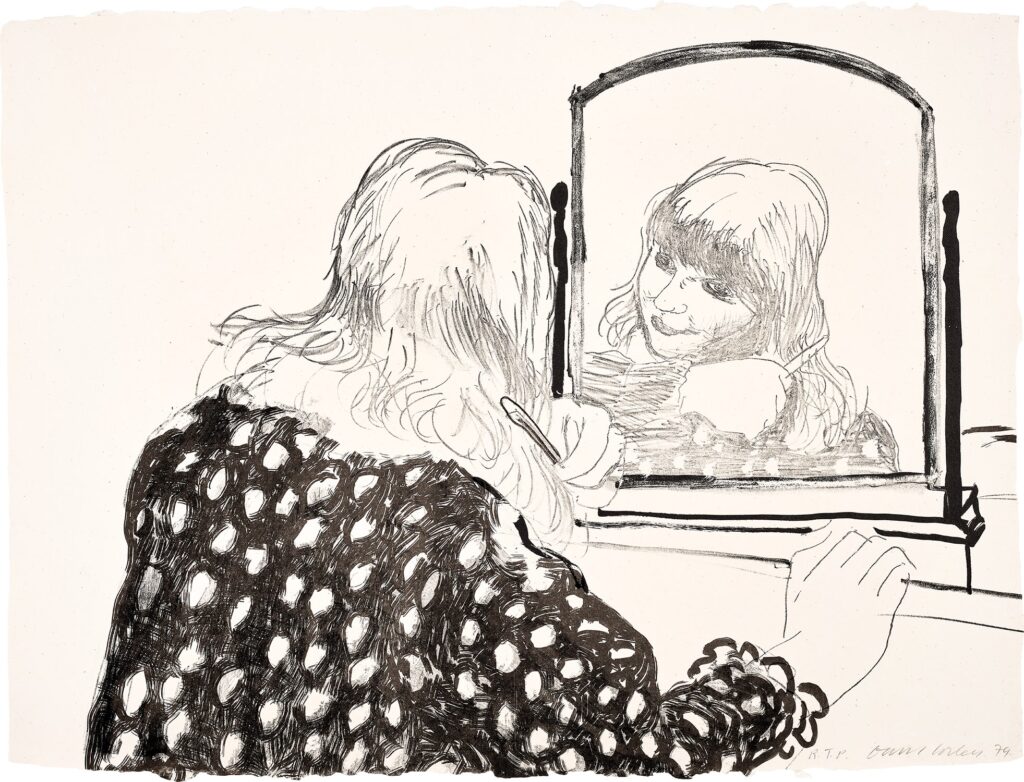
عن حمى الأشباه التي انتشرت في مصر، يكتب ماجد وهيب رواية رائعة، تتجاوز الواقع إلى خيال سوداوي ساخر.
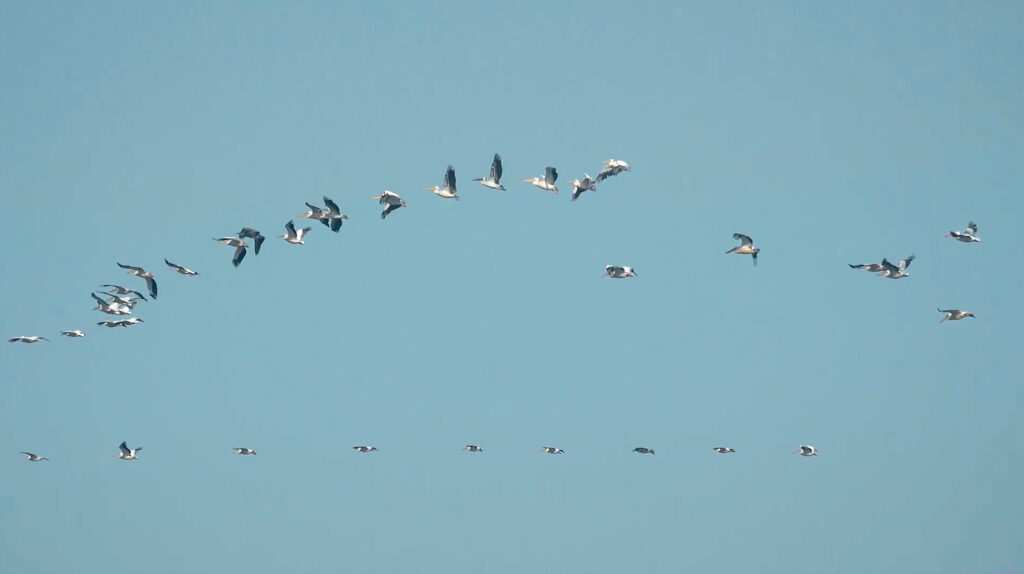
Dima el-Horr’s latest documentary offers a rarely-seen side of Beirut’s Corniche.
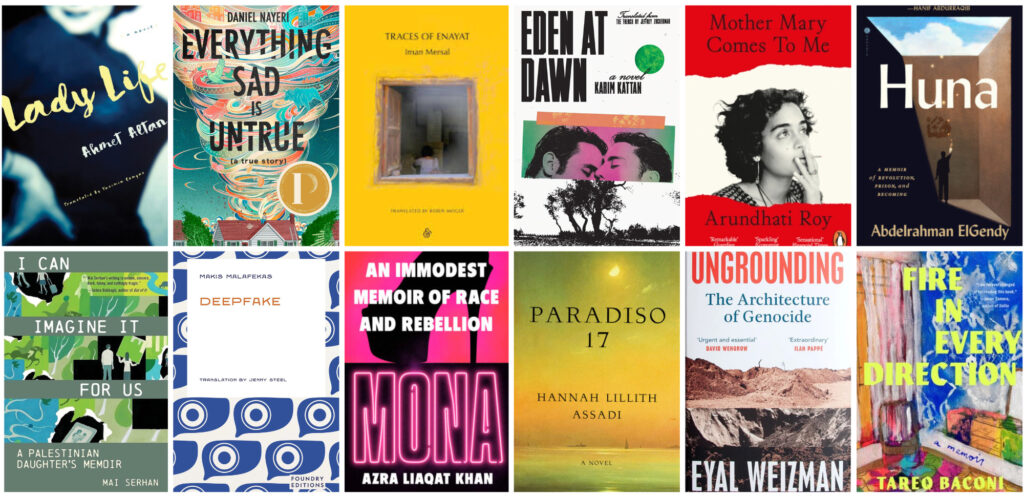
Discover the top summer reads TMR editors can’t wait to dive into—perfect picks for your own holiday escape.
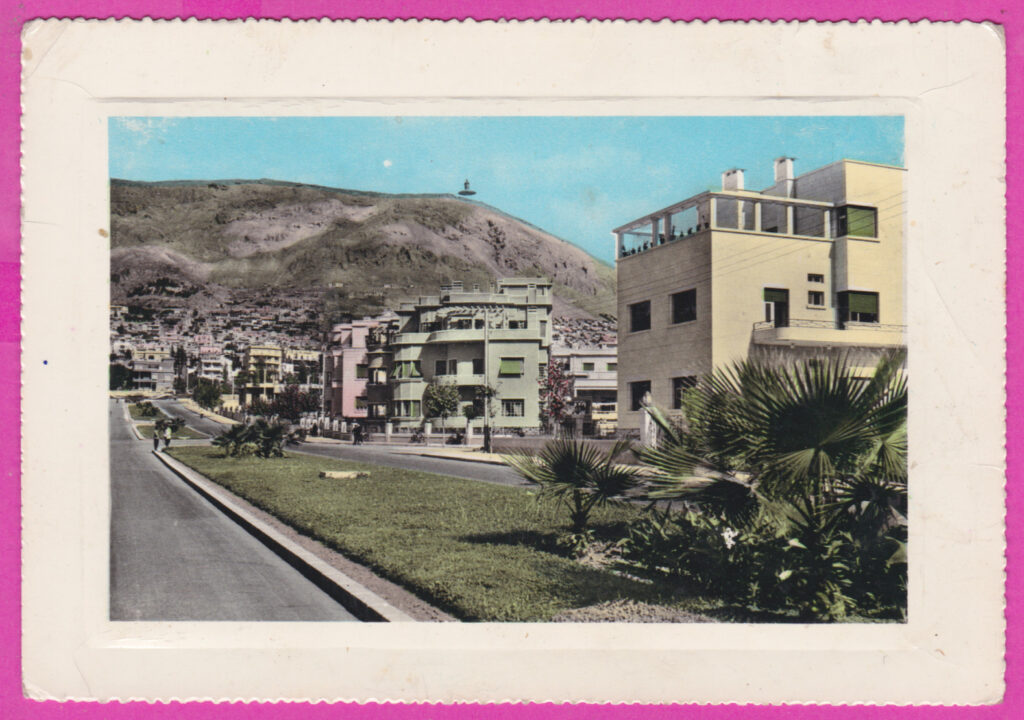
Comma Press’s “Reading the City” series turns its attention to Damascus.
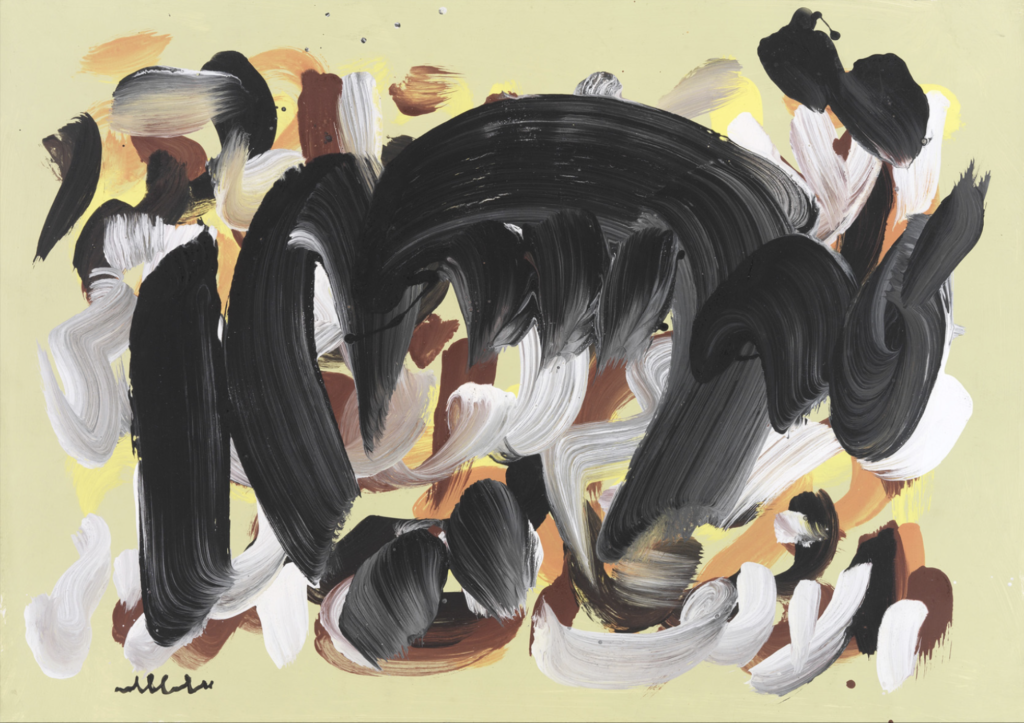
تحكي كريمة أحداد عن التغيير الذي طرأ على حياتها بسبب الكتب؛ من الحسيمة في المغرب إلى إسطنبول، ومن فتاة صغيرة إلى كاتبة نسوية معروفة.
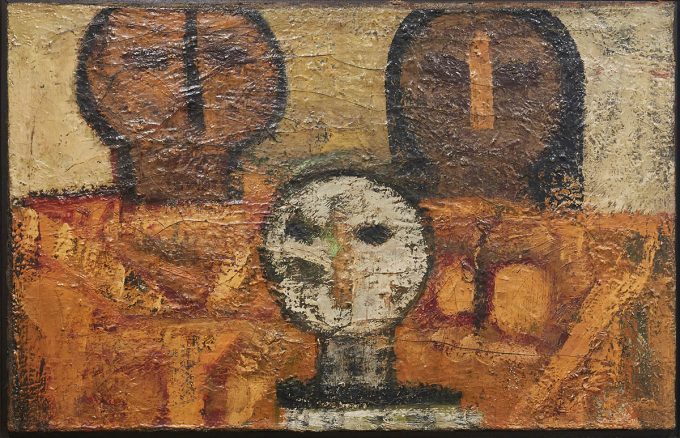
A young Kurdish writer grapples with what it means to exist outside the politics of appeal and visibility.
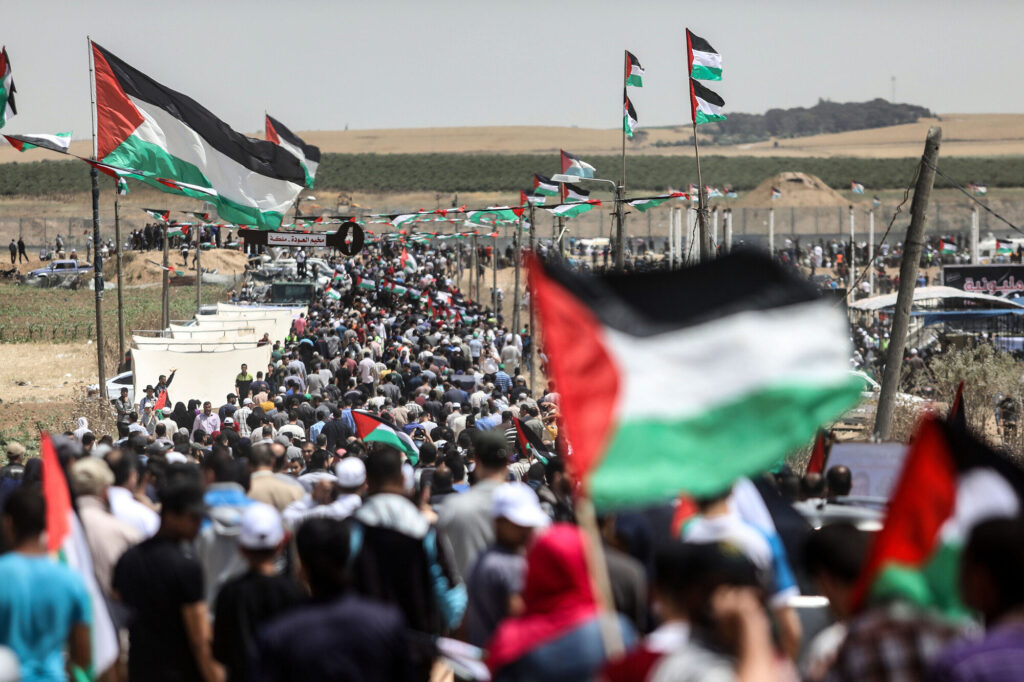
A columnist speculates on the possible afterlives awaiting after Gaza’s apocalypse.
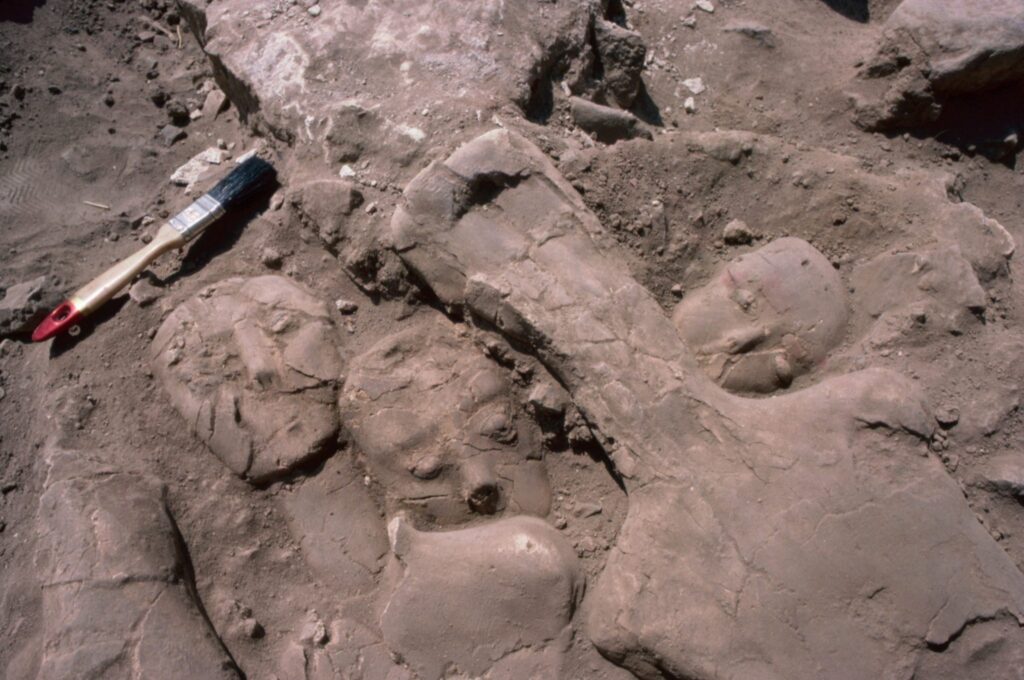
Two new poems by Kurdish translator and poet Selîm Temo are presented in English translation for the first time.

قراءة مستفيضة لقصة من أدب الخيال العلمي الفلسطيني، نُشرت ضمن مجموعة قصصية شهيرة تستشرف المستقبل، يقدمها الناقد الليبي رواد الهاشمي.

A poetry collection by a transformative Turkish voice explores questions of gender, queer desire, memory, and belonging.