


Sultana to the Rescue
A lonely Lebanese writer welcomes a poor woman into his home, unwittingly realizing that it is she who is saving him.
A lonely Lebanese writer welcomes a poor woman into his home, unwittingly realizing that it is she who is saving him.
Maysaa Alajjan on a homeland that never accepted her, and another that she never knew.
Filmmaker Amy Omar explores the short stories of a Turkish writer living in Paris.
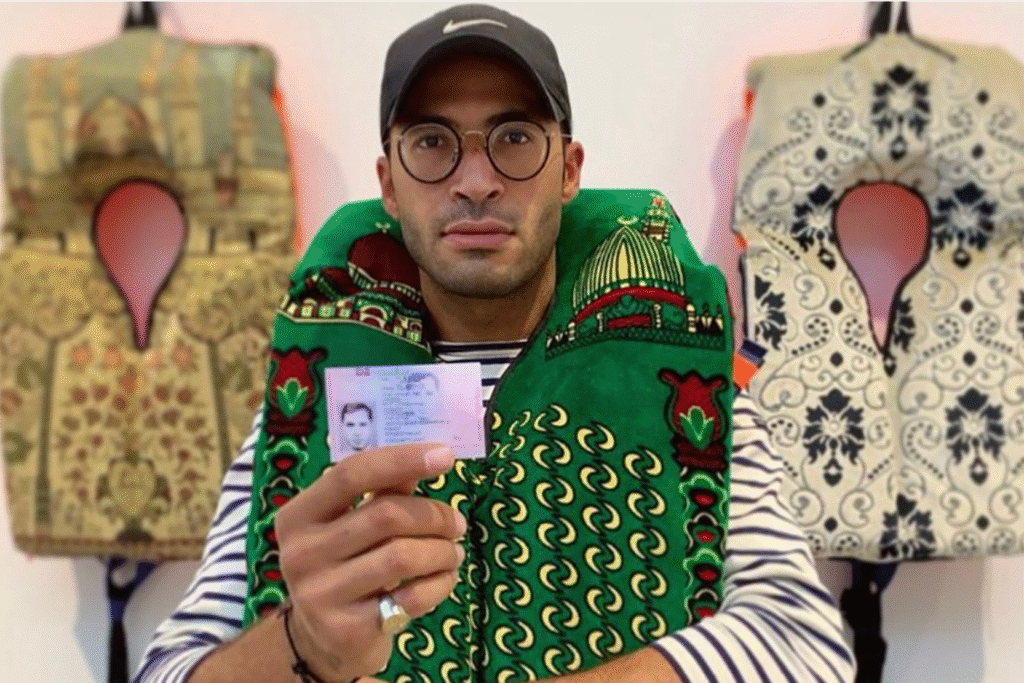
Nationality: at the end of the day, we are richer for the diversity of our identities, and poorer for our divisions.
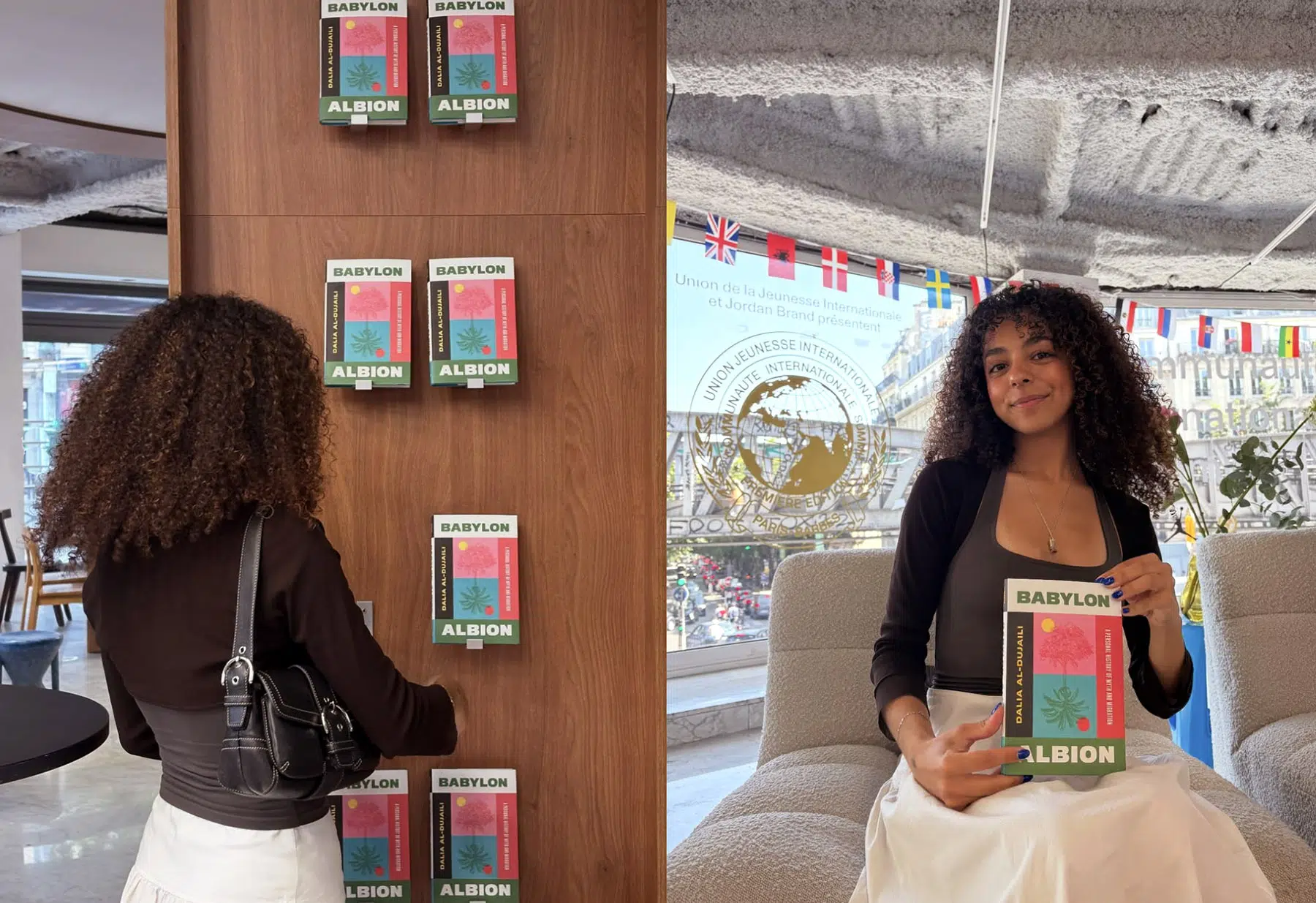
Al-Dujaili shows how global crises connect us and reveal our shared humanity.

في روايته الأولى، يكتب عبد الله ناصر عن عائلة تظهر جانبًا غامضًا من حياة أحد أفرادها، الأب الودود ذو الهيبة، وأيضًا المشهور بارتباطه بقضية جنائية غير معتادة، ومع تلك الشهرة فلا يتكلم عنها أحد مطلقًا.

في ما يشبه السيرة، يكتب عمر طاهر عن المقاهي والأغاني، والعائلة والأحباب. بلغته السلسة وصوره الواقعية، ونصوصه المشبعة بروح مصرية أصيلة، يُعد عمر طاهر من أهم الكتاب المصريين المعاصرين.
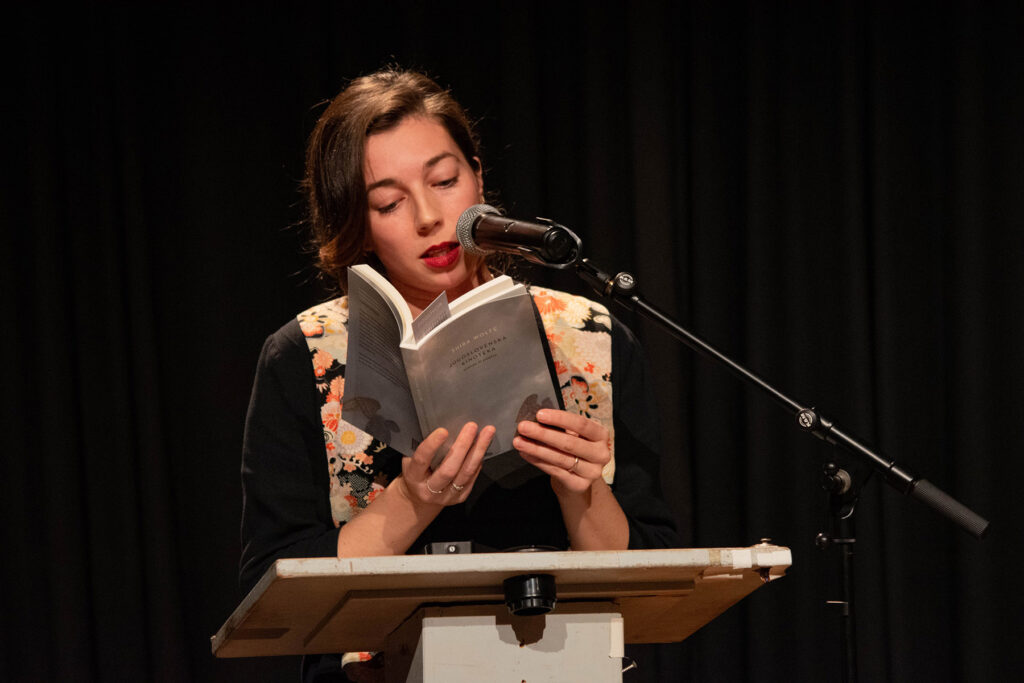
Shira Wolfe’s cinematic poetry reads like scenes from a movie, describing a period of her life spent in Belgrade…

In “The Years of Blood” a Nigerian poet grapples with the violence of a nation struggling to find peace amid frequent bloodshed.
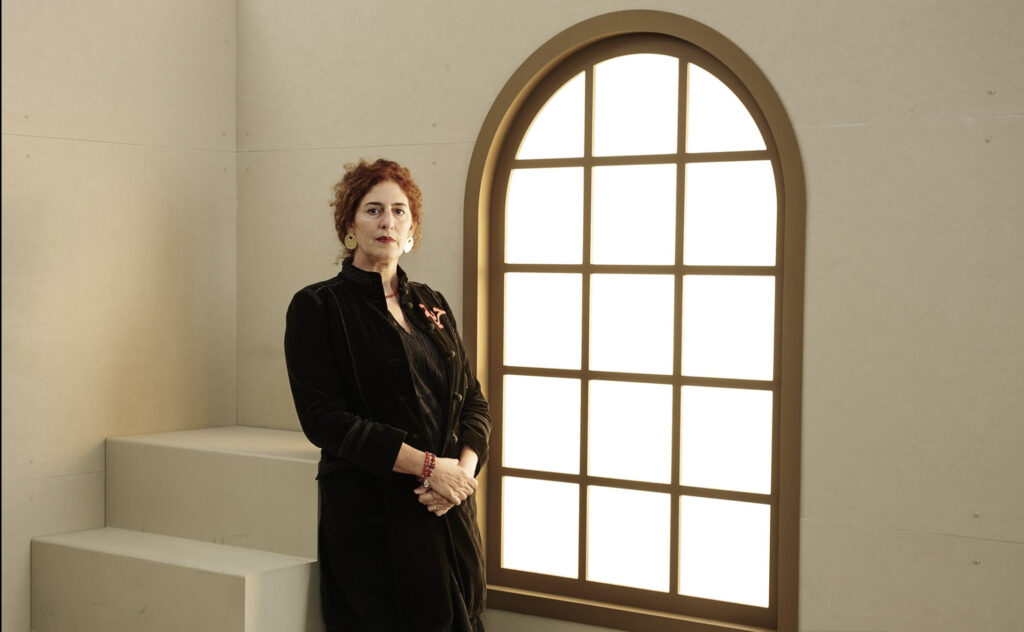
To understand Palestine, argues writer-director Annemarie Jacir, you have to go back to the first decades of the 20th century.
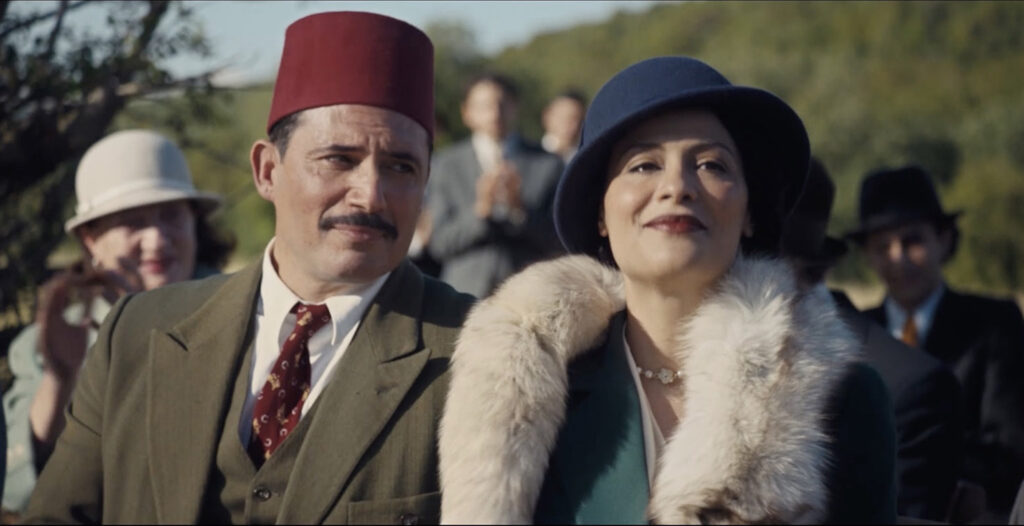
Annemarie Jacir’s new film is big-tent entertainment, accented by a critical history of Anglo-Zionist collusion between the wars.
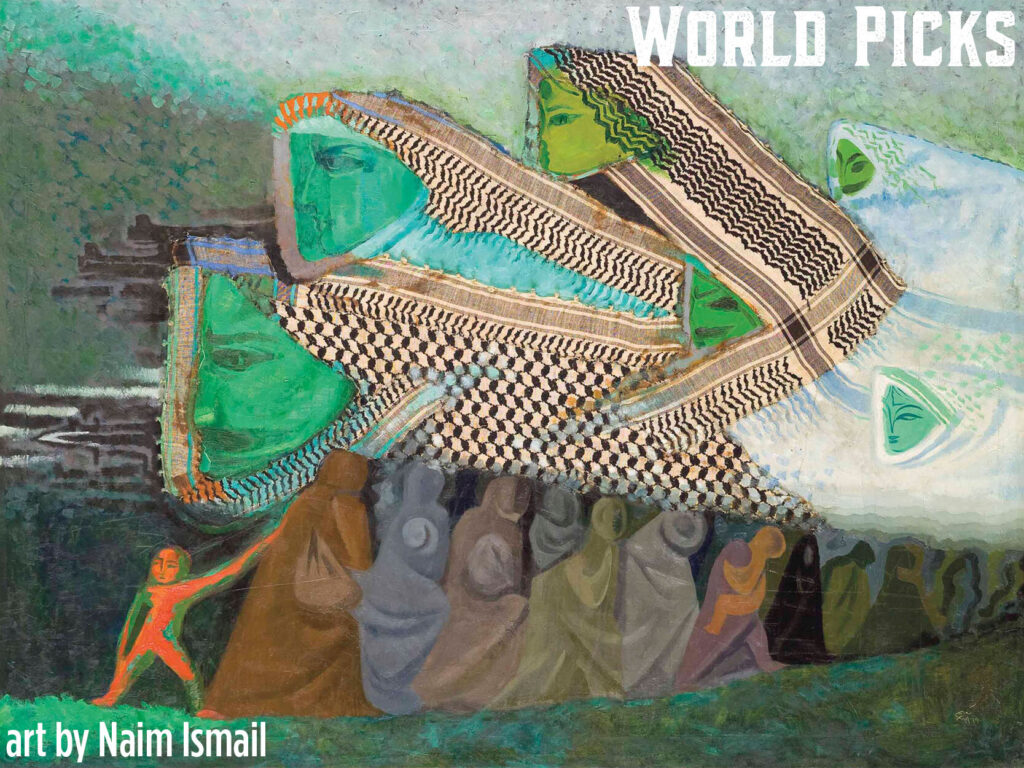
Online panel discussions, films, exhibitions, books and more … TMR World Picks span the gamut.