



Art exhibitions and new books push back against a year of cancelling Palestinian art, culture, and voices.
After a year of the war on Gaza, signs and symbols, art, and visuals from and about Palestine are still being banned, dismissed or ignored. In the US, pro-Palestinian slogans and signs have been removed from college campuses, and professors have been “advised” by university administrations not to express their views. Like American universities, museums and cultural institutions, once bastions of free speech and dissent, have been running scared. In September Pulitzer Prize winning author Jhumpa Lahiri declined an award from the Noguchi Museum after three of its employees were fired for wearing keffiyehs. Pro-Palestinian posters were responsible for one employee losing her job and others resigning from the 92nd Street Y. Even a pin of the Palestinian flag caused ruptures — although Y bosses allegedly told the employee wearing it that a pin showing an Israel flag would be allowed.
In London’s major museums, censorship has taken on a more subtle form of indifference or outright avoidance. The extravagant Silk Roads exhibition in the British Museum ignores Gaza, an important entrepôt between the eastern and western Mediterranean the historic trade route in spices, incense and fabrics. As Katherine Pangonis has observed in her essay “Written in Fabric” from the new anthology Daybreak in Gaza: “… gazzatum — a finely woven fabric of linen or silk threads, called gaze in French and gauze in English — was derived from the place name of Gaza, from where it was thought to have originated.”
The Victoria & Albert Museum organized an important summit during the 2022 Women Life Freedom protests in Iran and included graffiti stencils of the faces of dead Syrian protestors after that country’s failed Arab Spring. The museum’s blind spot when it comes to Palestine has been glaring. One wonders if it will also ignore the events in Lebanon. Apparently some resistance movements are sexier and more acceptable than others.
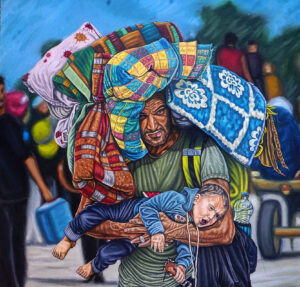
Art and words are intermeshed in the cultural frontline that has become Gaza’s tragedy and humanitarian crisis. This spring at London’s Barbican Centre, two collectors withdrew their works from the exhibition Unravel: The Power and Politics of Textile in Art after the Barbican cancelled the talk, “The Shoah after Gaza,” by Indian novelist and socialist Pankaj Mishra. However, in September, the Barbican corralled its institutional nervousness and hosted “Voices of Resistance,” a panel of writers and activists organized by Comma Press. The panel had been scheduled to take place at the HOME Manchester theatre and gallery space in April. The venue cancelled the event after the Jewish Representative Council of Greater Manchester and Region circulated false allegations of antisemitism and Holocaust denial against one of the panel’s participating writers, Atef Abu Saif, the author of Don’t Look Left: A Diary of Genocide. It was just one of many instances of censorship over the past twelve months that the Iraqi playwright Hassan Abdulrazzak wrote about for The Markaz Review. Interestingly after a public outcry HOME reinstated the panel, which went on to the Edinburgh Book Fair. For venues and festivals there is safety in numbers.
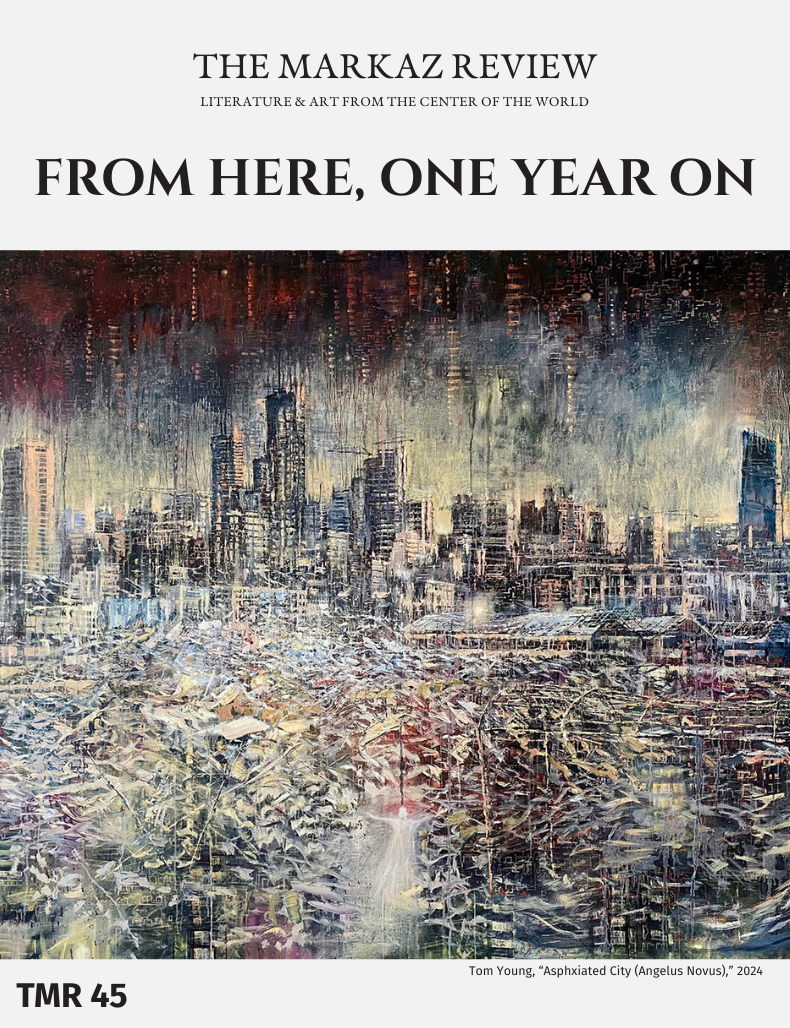
Art and words are intermeshed in the cultural frontline that has become Gaza’s tragedy and humanitarian crisis.
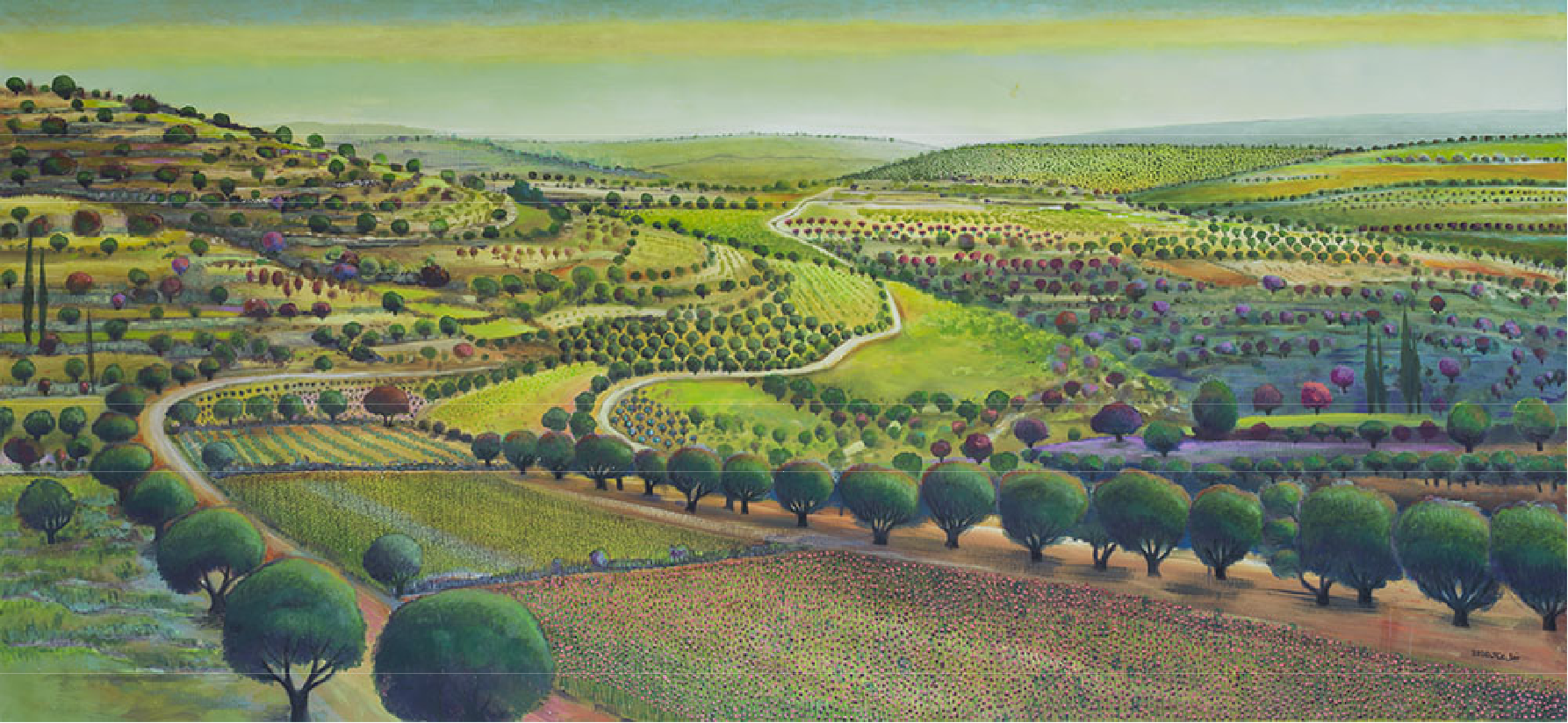 Palestine Will Not Be a Palimpsest 1
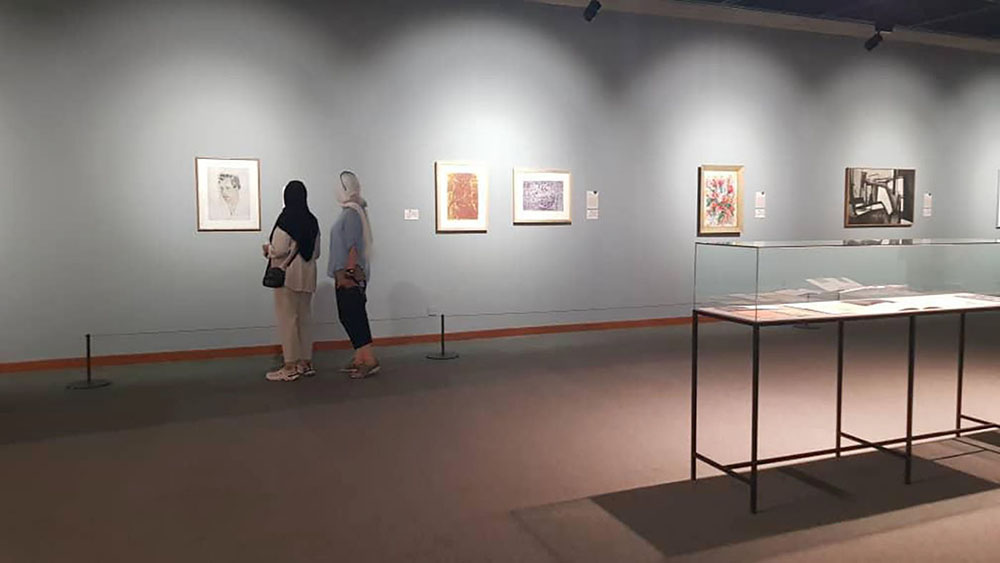 Palestine Will Not Be a Palimpsest 2
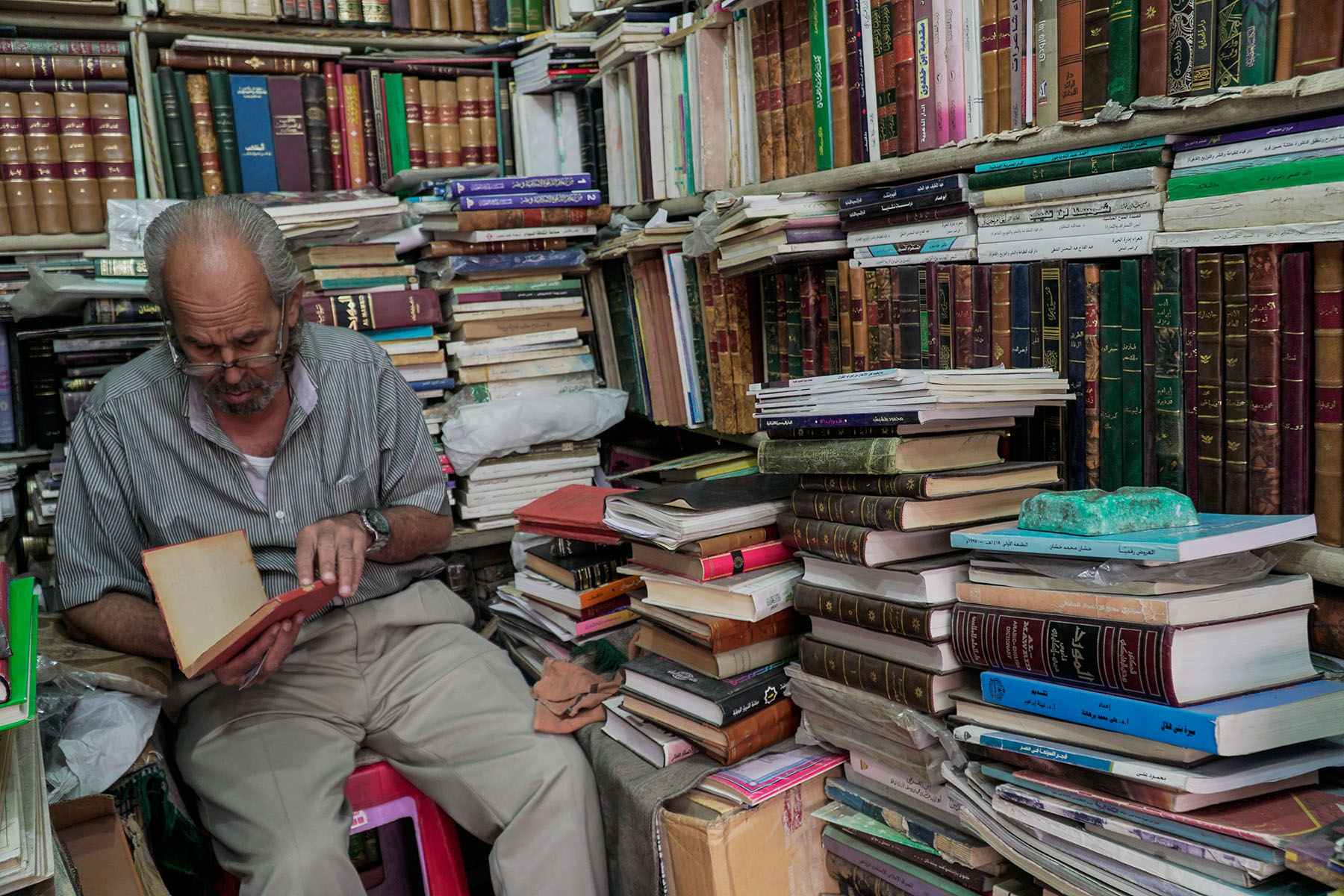 Palestine Will Not Be a Palimpsest 3
 Palestine Will Not Be a Palimpsest 4
A literate, fascinating, important, “artsy”-yet-intensely-political contribution by Ms. Halasa…Kudos!
(I was especially pleased to peruse the coverage of Dr. Salman Abu Sitta … about 20 years ago, I co-produced pro-Palestinian fare on my local-area public-access cable TV system in which we featured Dr. Abu Sitta’s pointed analyses and positions regarding “land/geographics” in the ‘holy’ land.)