


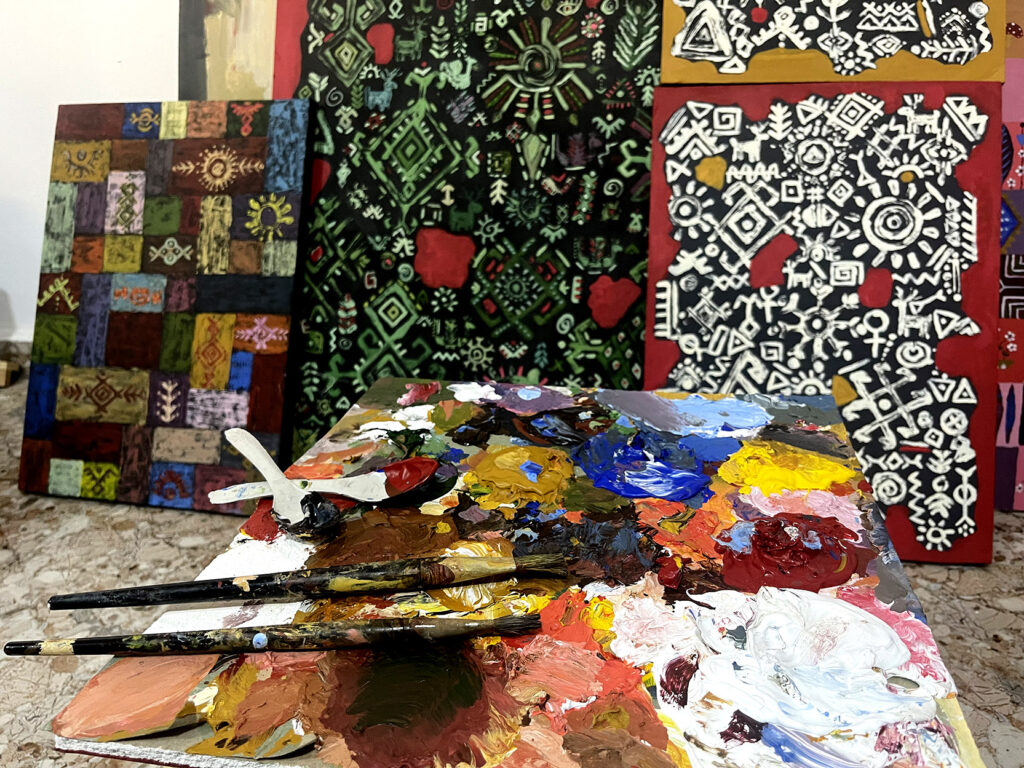
Women’s Art After the Women’s War
A women’s movement moved from the battlefield to the arts, platforming Kurdish and regional folklore in the process.
A women’s movement moved from the battlefield to the arts, platforming Kurdish and regional folklore in the process.
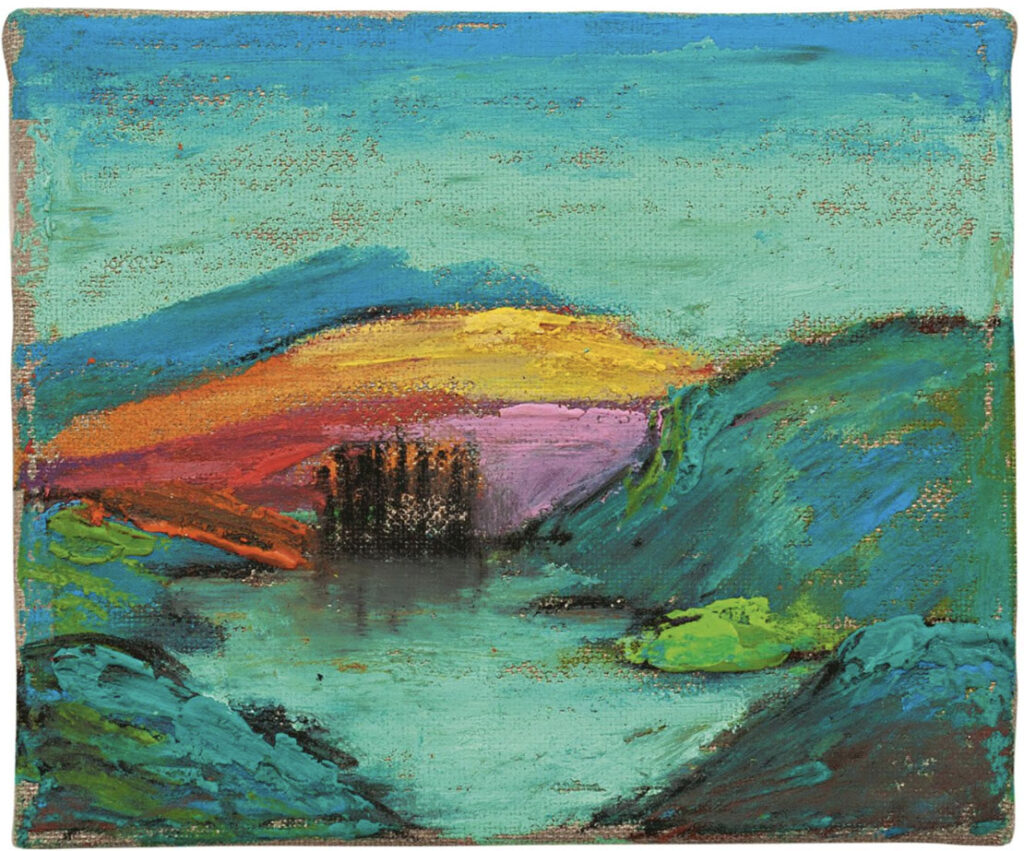
Blending poetry and essay, a Kurdish writer examines statelessness, Kurdish identity, and the emotional landscape of exile.
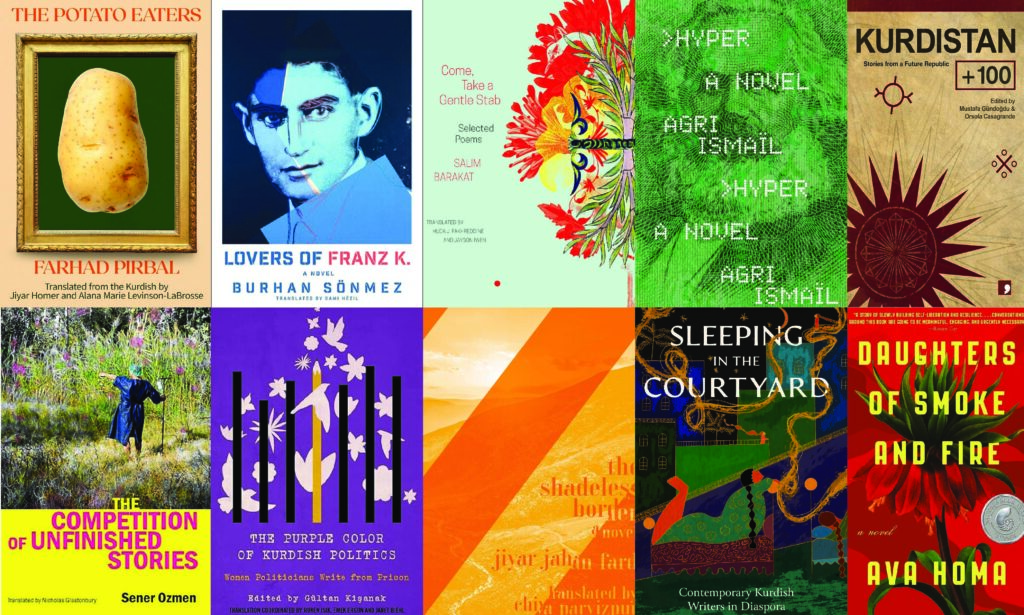
An informed selection of books that opens a window into the vibrant world of Kurdish life, identity, and creativity.
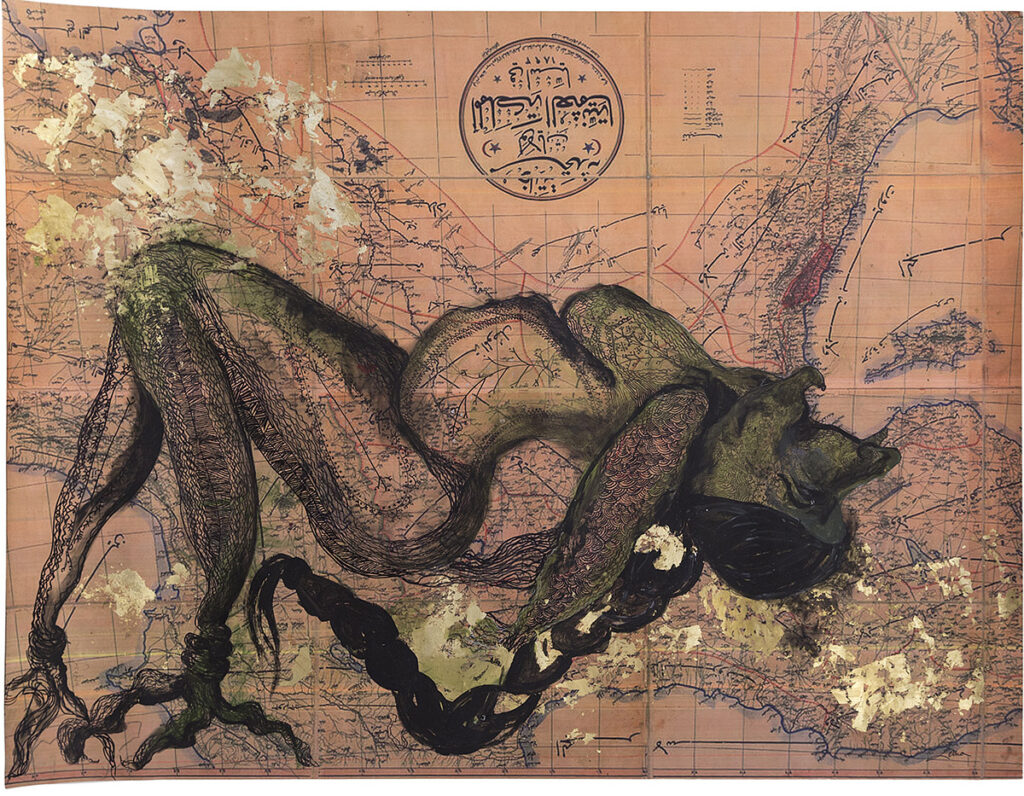
TMR guest editor Aryan Omar Hassan shares the inspiration for the title of our newest issue, and his experiences in the Kurdish diaspora.
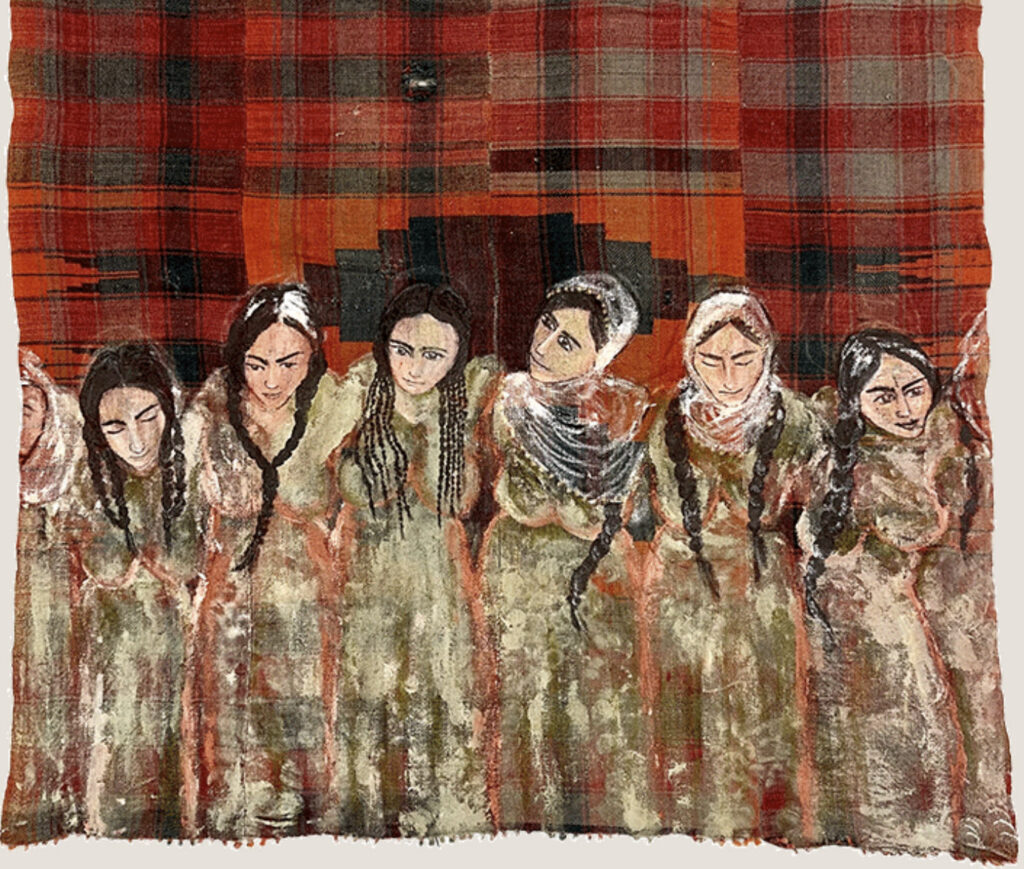
After a grieving mother is gunned down, seven children become the custodians of a village’s shattered memory.
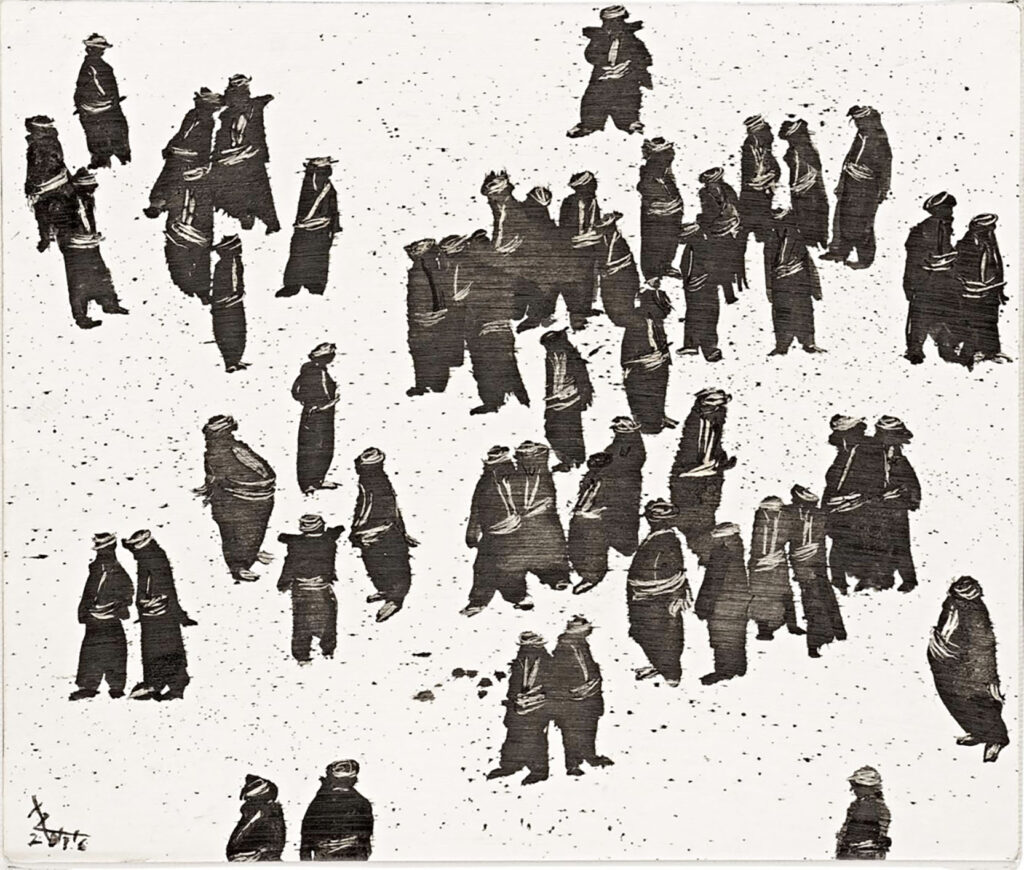
The future of the Kurdish language depends on mother-tongue education, expanded literacy, and — possibly — digital tools.
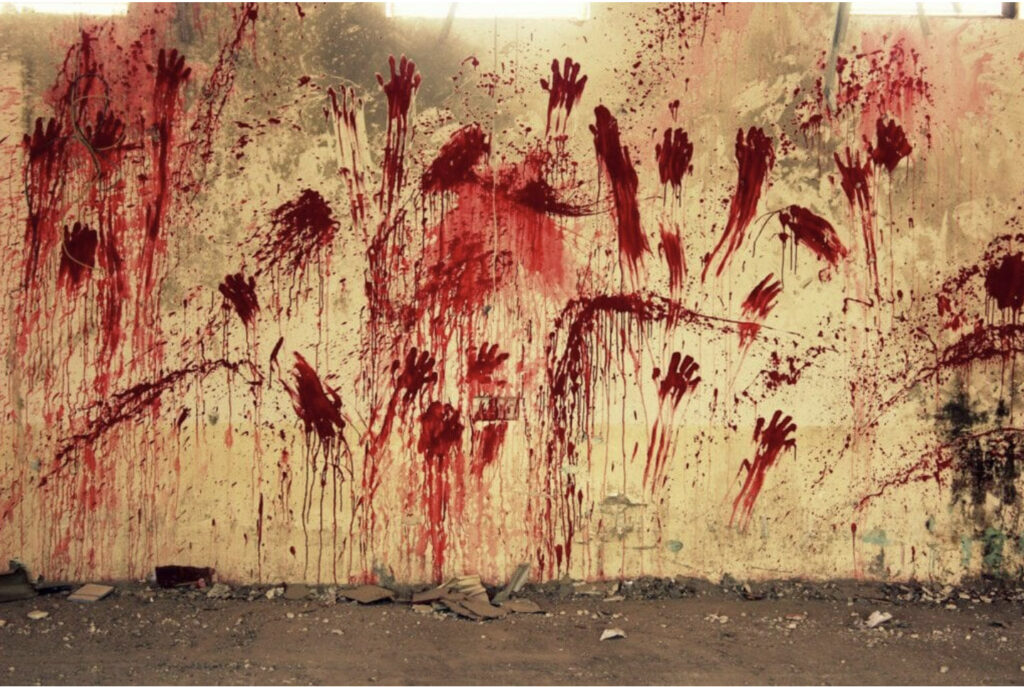
This powerful tale of a man freed from prison asks: What if surviving torture meant never quite returning to earth?

Kurdish artists occupy a fascinating locus in global culture, spread across four countries and a large diaspora in Europe and North America.
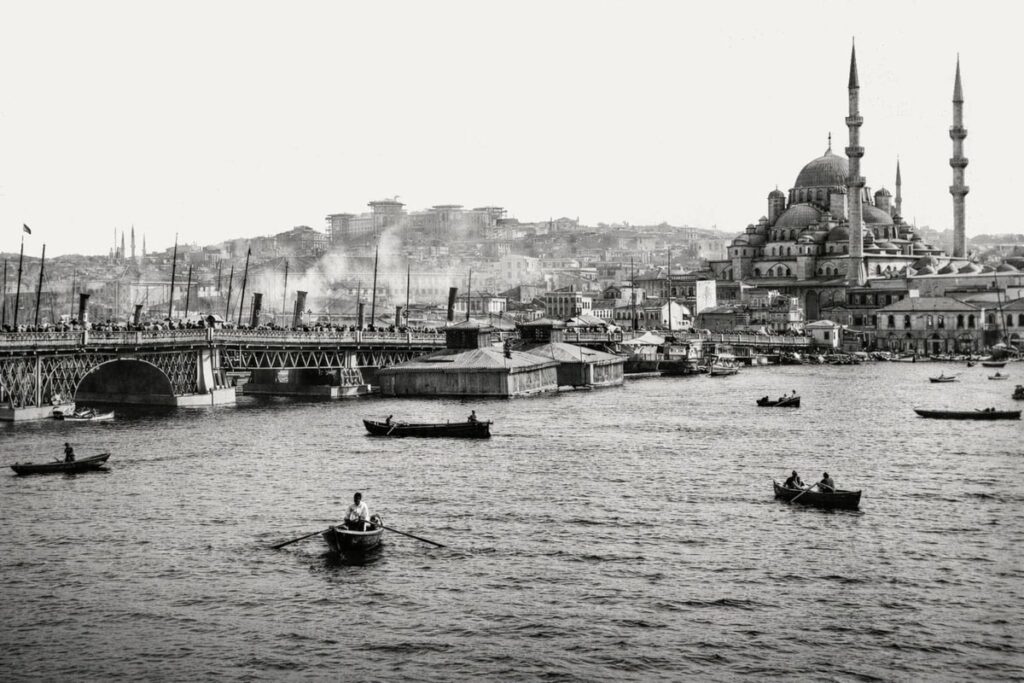
In Ottoman-era Istanbul, a Kurdish family in exile witnesses the resurrection of a child that will shape their lives for generations.
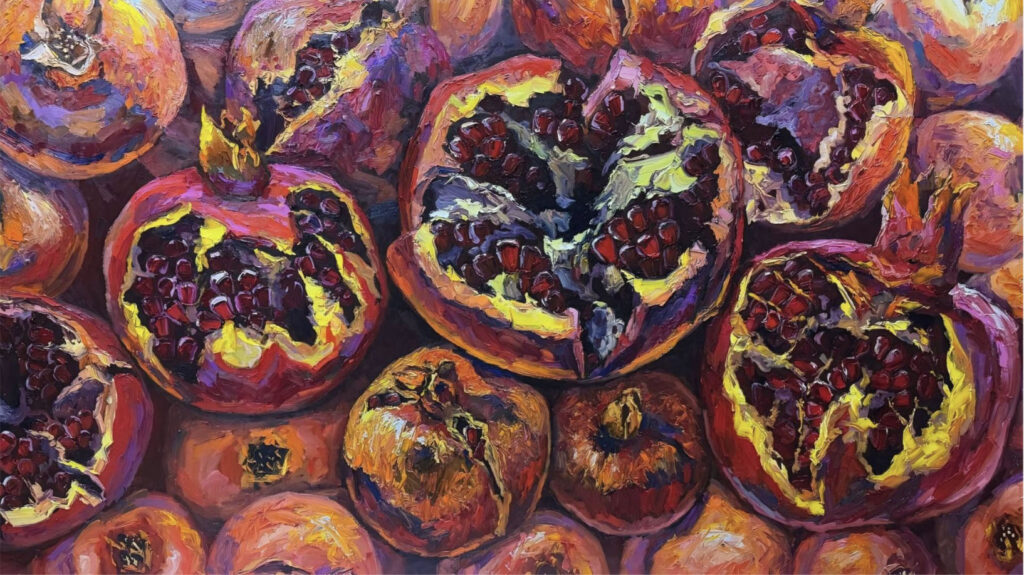
Through pomegranates, card games, motherhood, and community, a Kurdish American writer reflects on the rituals that sustain belonging.
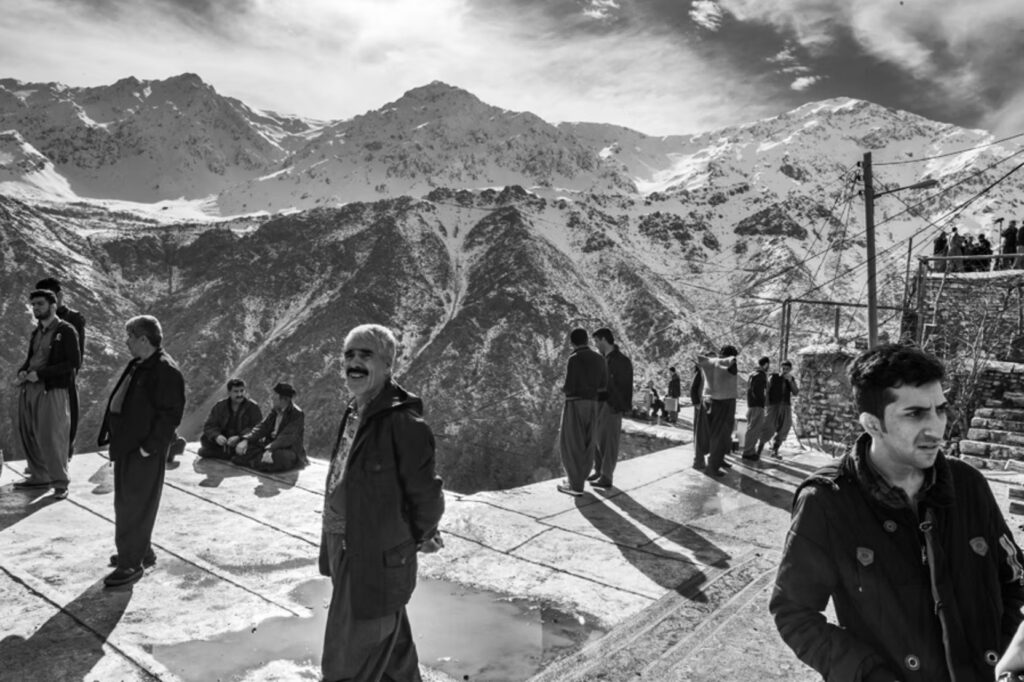
Through close readings of Kurdish poets, a writer examines silence as a poetics of survival, love, refusal, and belonging.
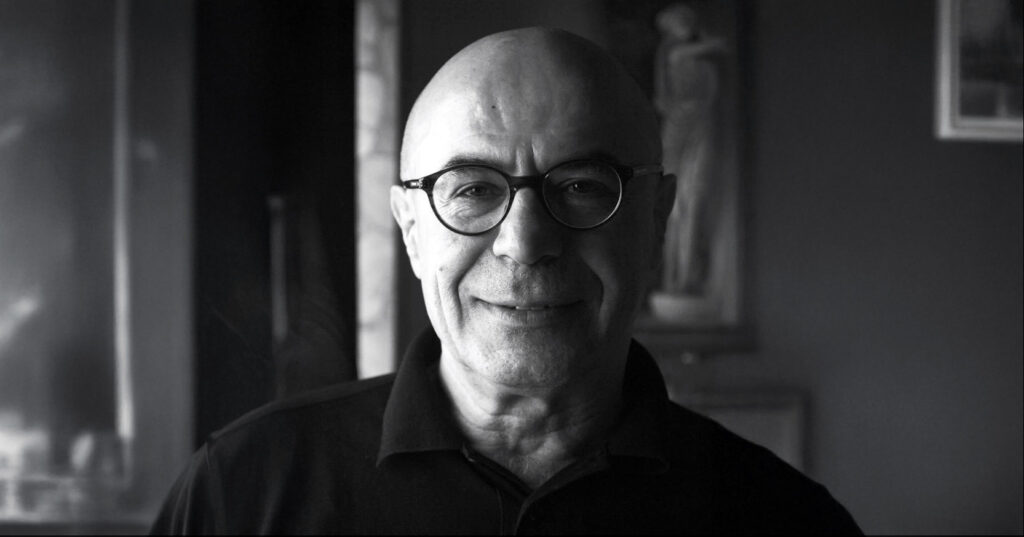
A translator describes her process of bringing a poet whose work is colored by tragedy, personal and collective, into English.