





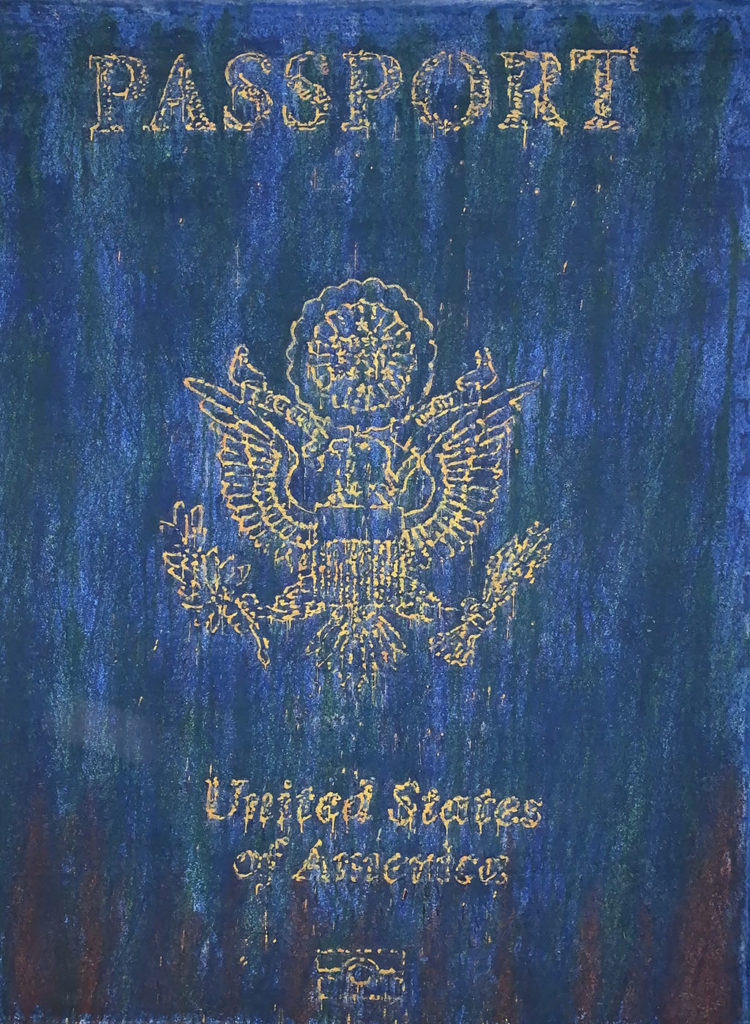
Farzad Kohan: Love, Migration, Identity
Farzad Kohan’s art is a bridge and commentary on his Iranian and American worlds, sometimes converging, at other times colliding.
Farzad Kohan’s art is a bridge and commentary on his Iranian and American worlds, sometimes converging, at other times colliding.
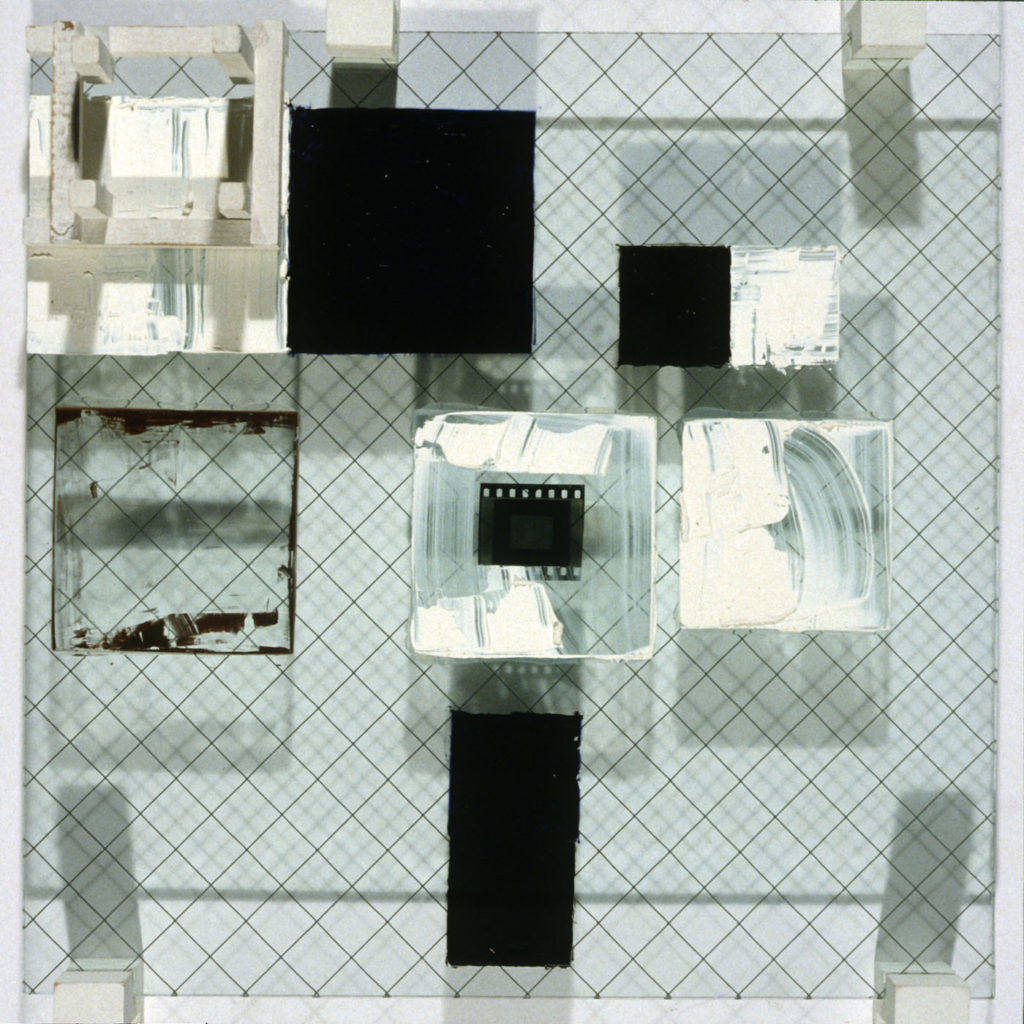
Artist and writer Micaela Amateau Amato uses art and words to create unique ways of transmogrifying the world.
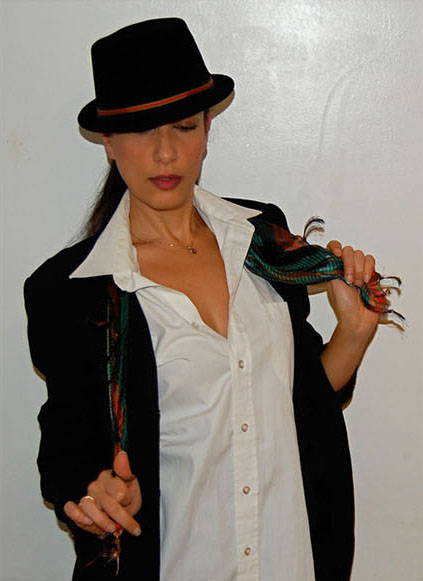
Iranian American artist Amitis Motevalli performs “baba karam” dance lessons, in a caricature of the street tough dance called “jahel,” often performed by women in drag as a commentary on gender and class constrictions.
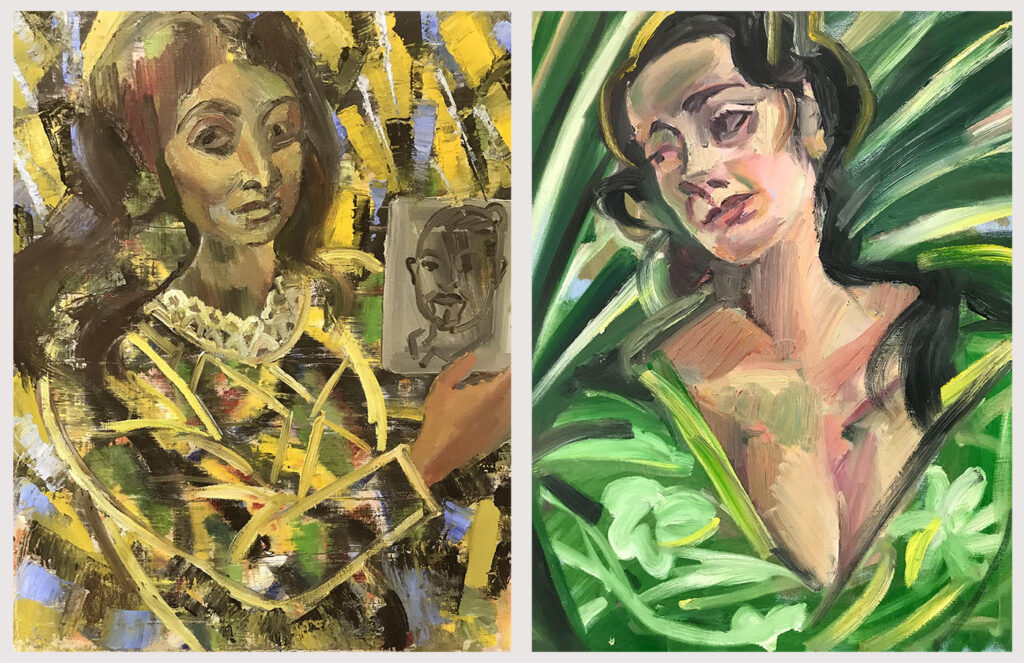
The Moroccan, French and American artist Rachid Bouhamidi shares his love of portraiture as he peels back the layers of his friends with oils on wood.

In this excerpt of the banned Jordanian novel “Laila,” introduced by Rana Asfour and translated by Hajer Almosleh, readers get a sense of Fadi Zaghmout’s prose and purpose.

Arie Akkermans reviews an Iraqi American’s exhibitions as they attempt to recreate missing and destroyed artifacts taken from the National Museum of Iraq after the American invasion in 2003.

Jordan Elgrably reviews the recent feature film from directors Rana Kazkaz and Anas Khalaf.
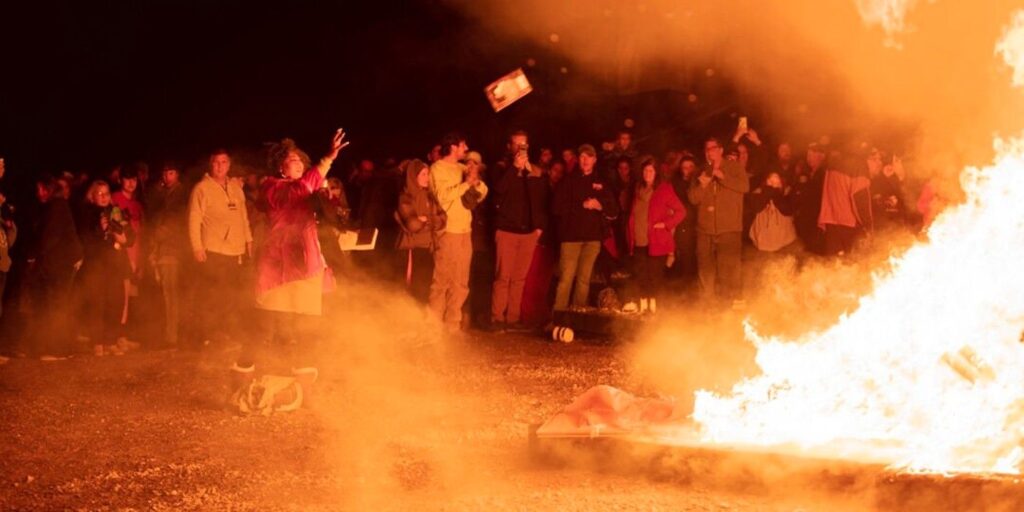
Abu Dhabi-based professor Deborah Williams contrasts the new American censorship of “Maus” and Harry Potter book burning with her own potentially inflammatory syllabus.

Every warm-blooded Arab loves a good conspiracy theory — so, it turns out, do many Americans, observes cultural critic Mike Booth.

Amazigh Moroccan poet El Habib Louai reviews a recent anthology that has warmed the hearts of English-reading Moroccans during the pandemic.

Mehnaz Afridi reviews the new book of short stories by a Pakistani American writer determined to disrupt her readers’ expectations.
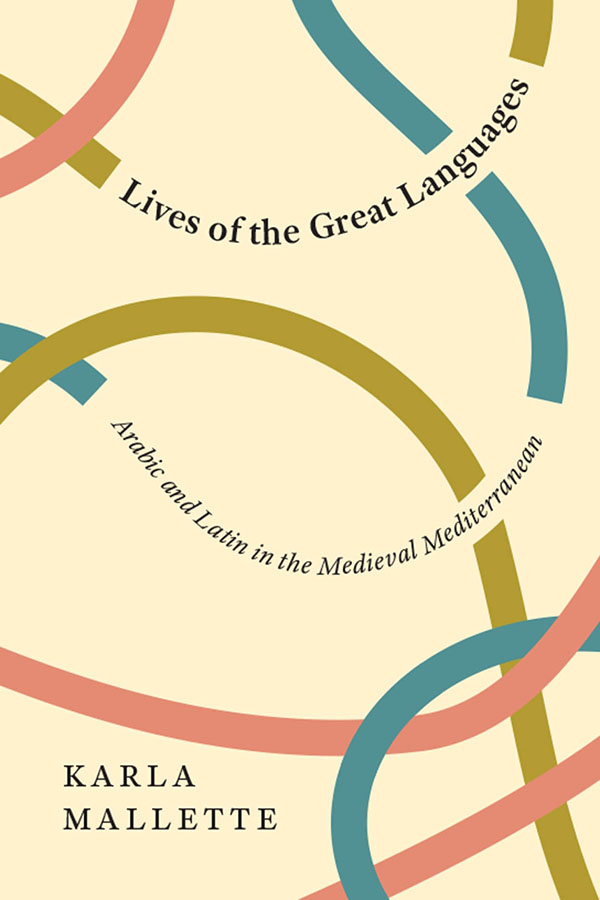
Justin Stearns, a scholar of the pre-modern Muslim Middle East, reviews the new book by Karla Mallette on the fascinating history of two of the world’s great languages.