


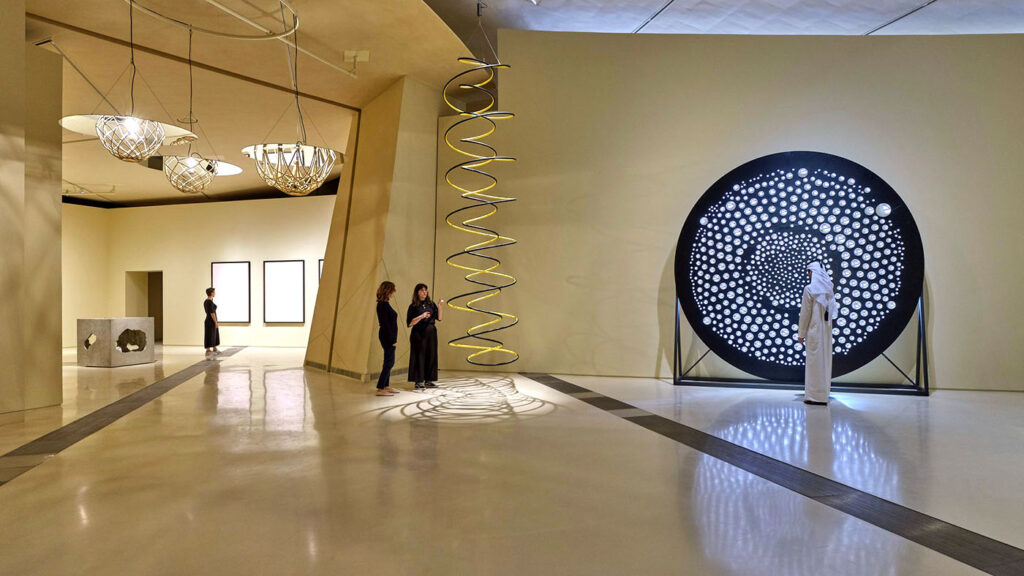
Olafur Eliasson’s Curious Desert Contrasts Qatar and Iceland
Safae Daoudi takes in the scope of Scandinavian artist Olafur Eliasson’s Curious Desert exhibition in Doha.
Safae Daoudi takes in the scope of Scandinavian artist Olafur Eliasson’s Curious Desert exhibition in Doha.
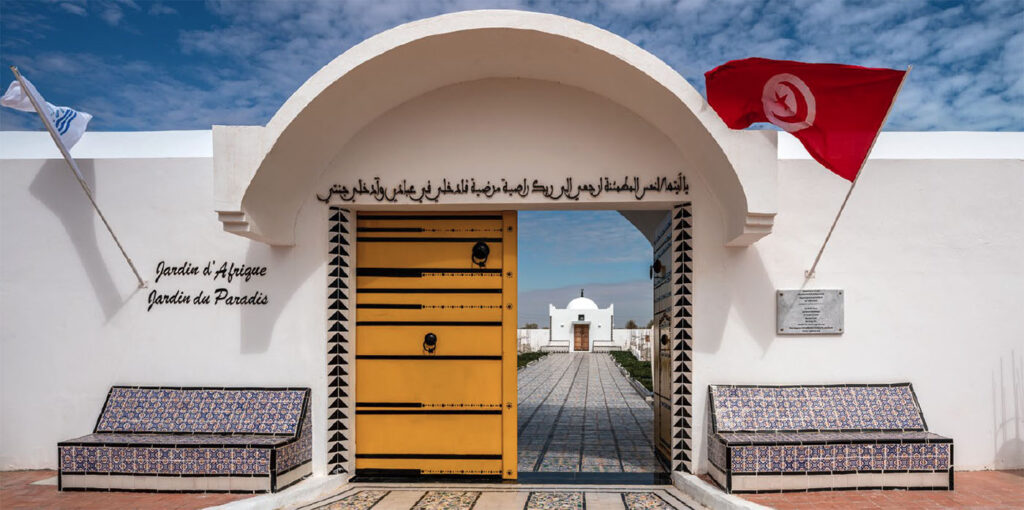
Rose Issa talks to the Algerian artist about his Garden of Africa and other garden projects that honor the history and memories of the dead.
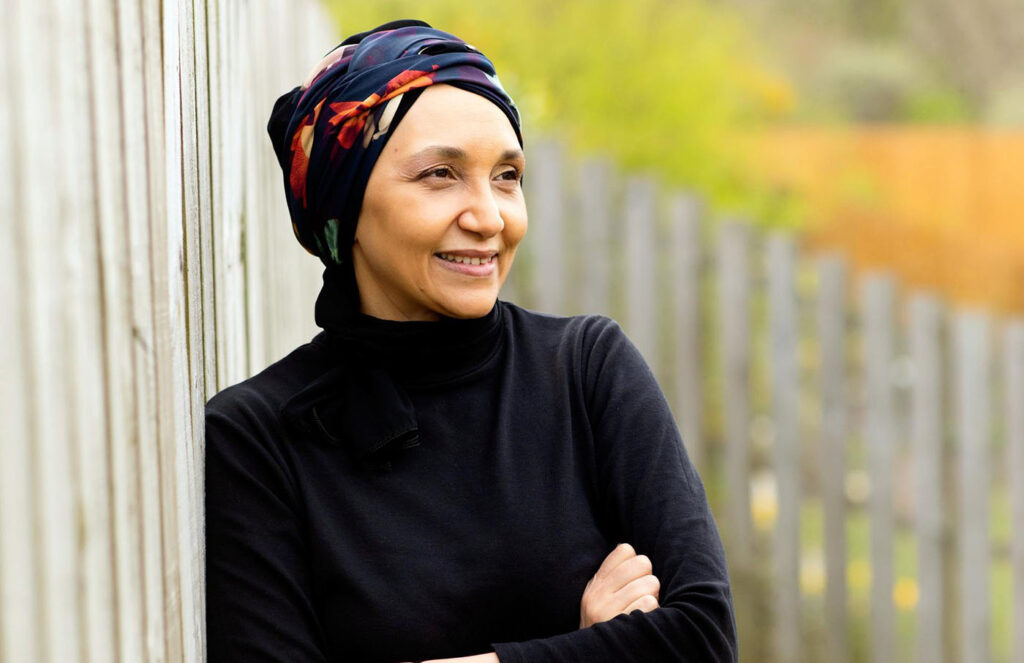
Yasmine Motawy interviews the critically-acclaimed Sudanese novelist and short story writer, Leila Aboulela.
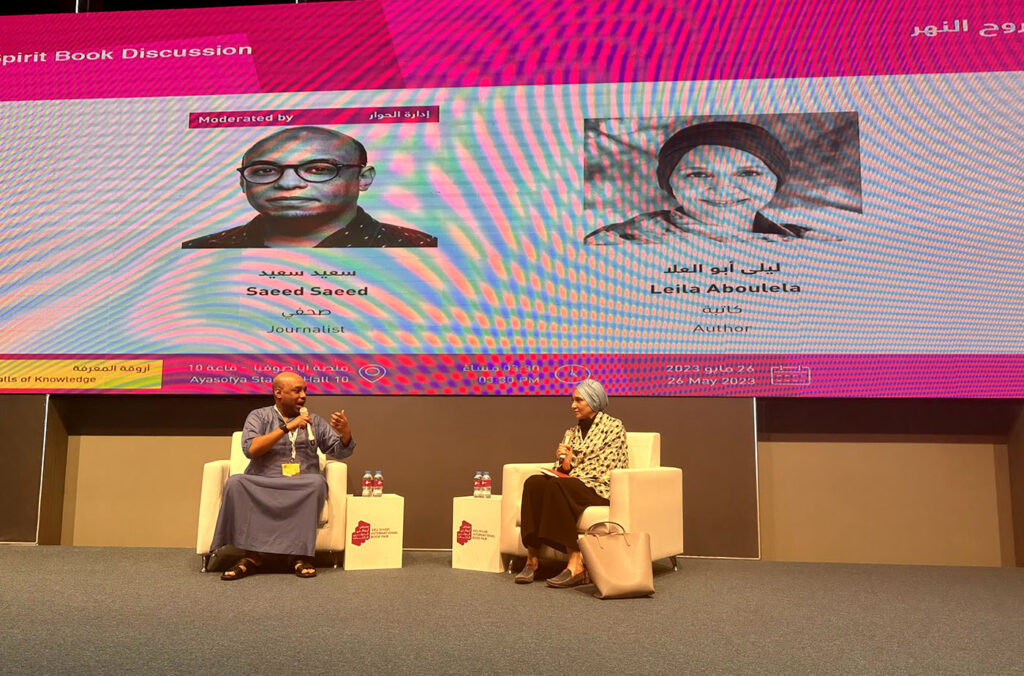
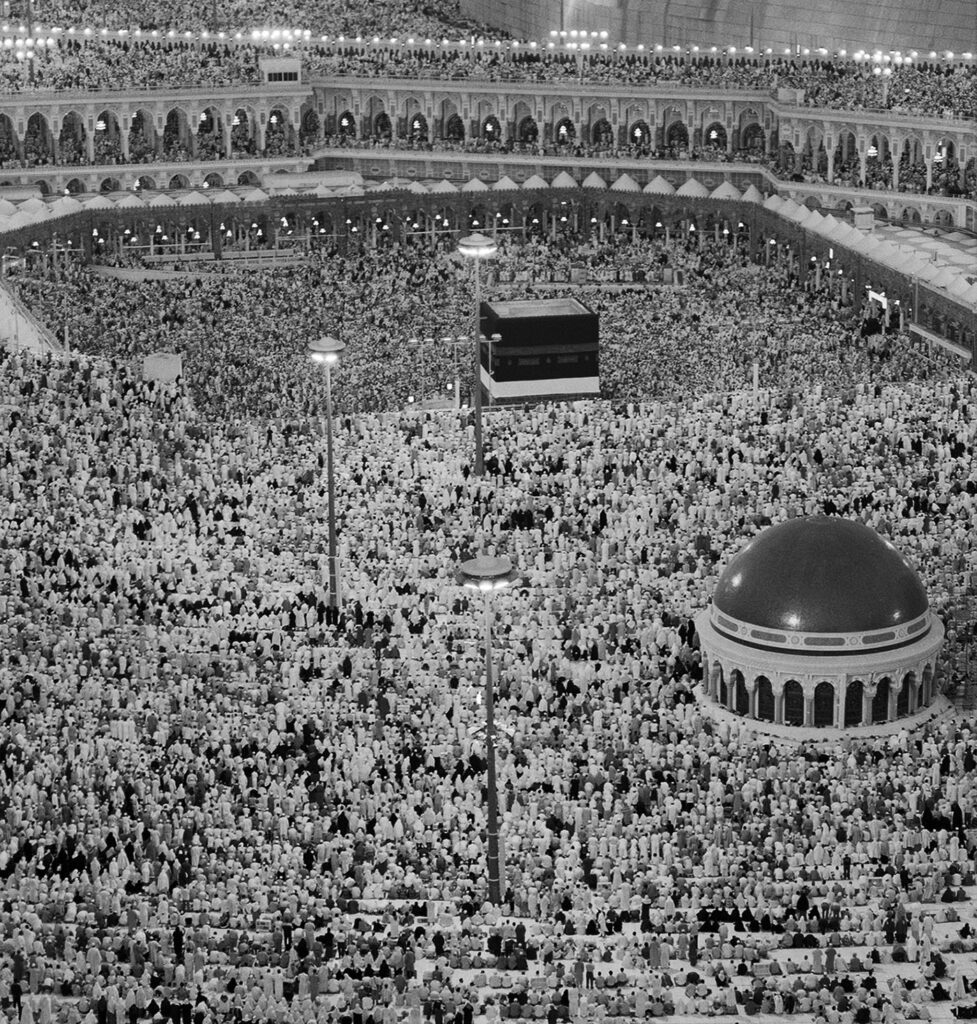
TMR’s managing editor, Rana Asfour, checks out one of the world’s largest book events looking for literary mana.
Former ambassador Chas Freeman, Jr. argues that we have entered a new era in which players are shifting on the geopolitical chess table.
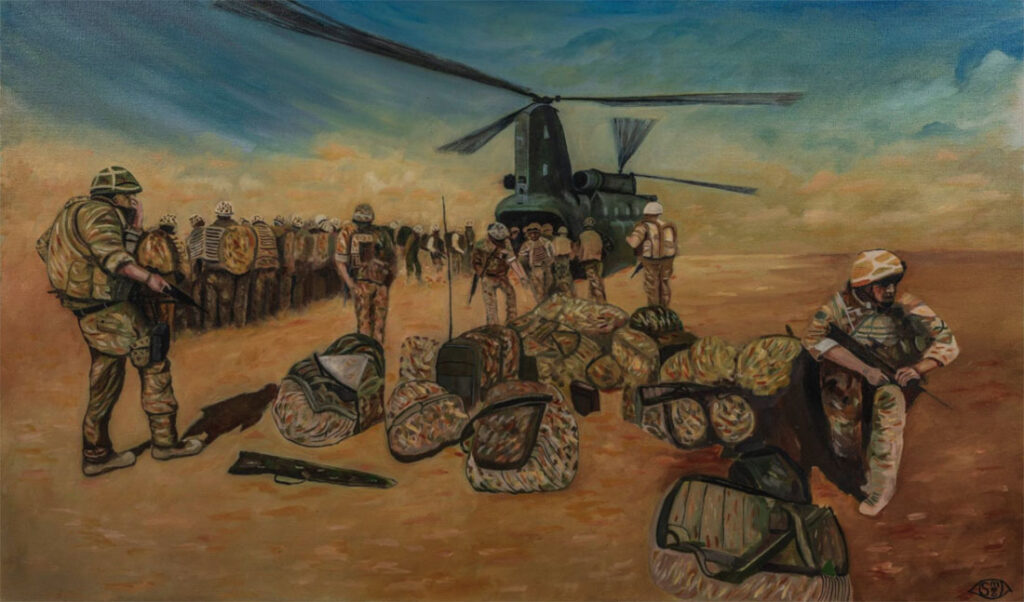
Hamilton Cain reviews a police procedural that connects Norfolk, Virginia with the late Iraq War and the streets of Mosul.
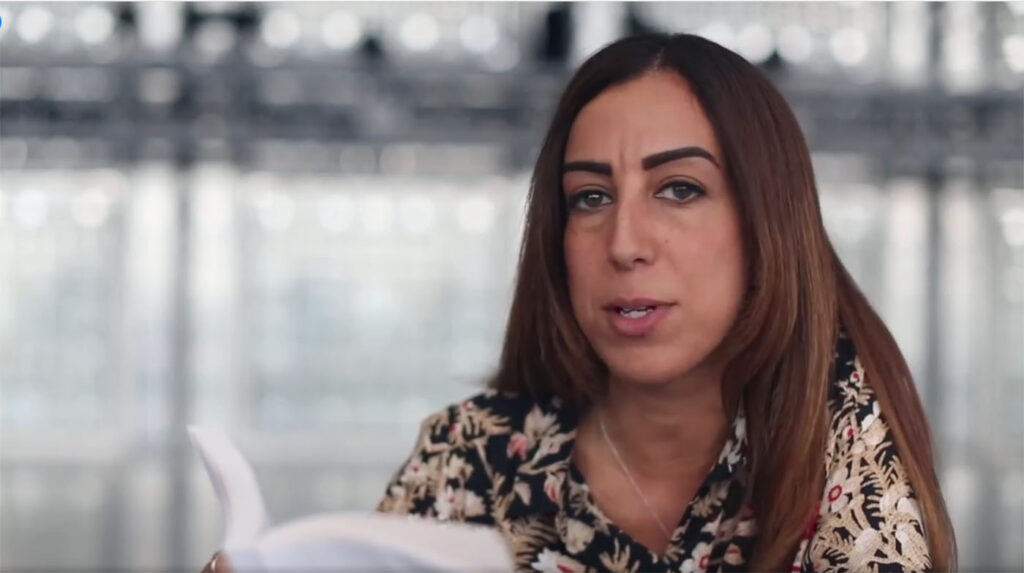
Melissa Chemam interviews the French-Algerian novelist Faïza Guène on the publication of her novel “Discretion” in English translation.
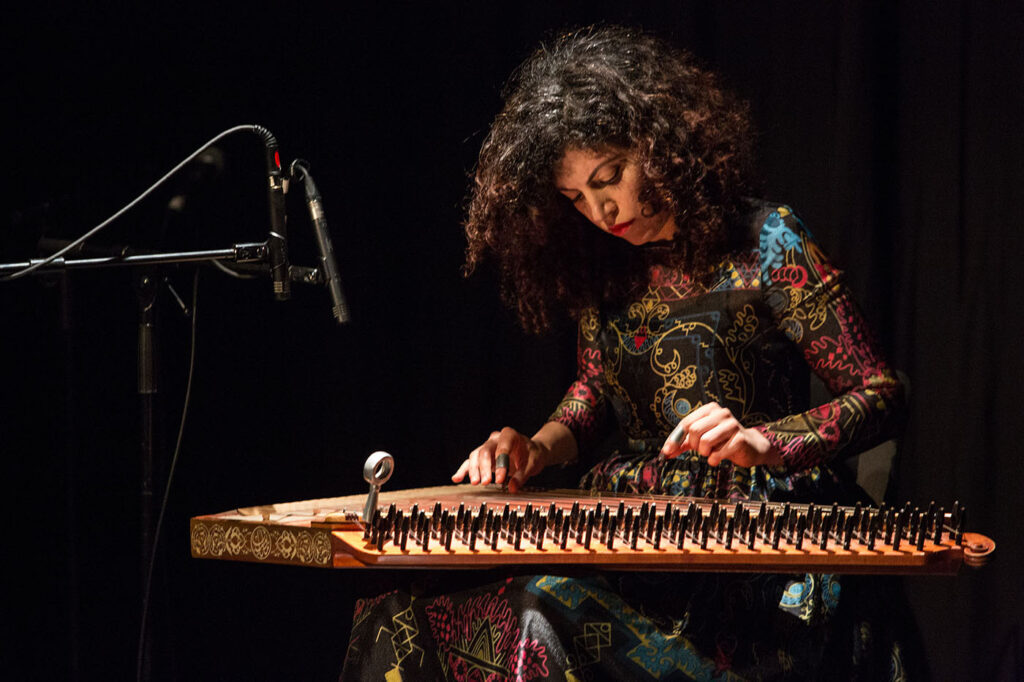
Rana Asfour talks to Syrian-born and raised qanunist Maya Youssef, who now lives and teaches in the UK.
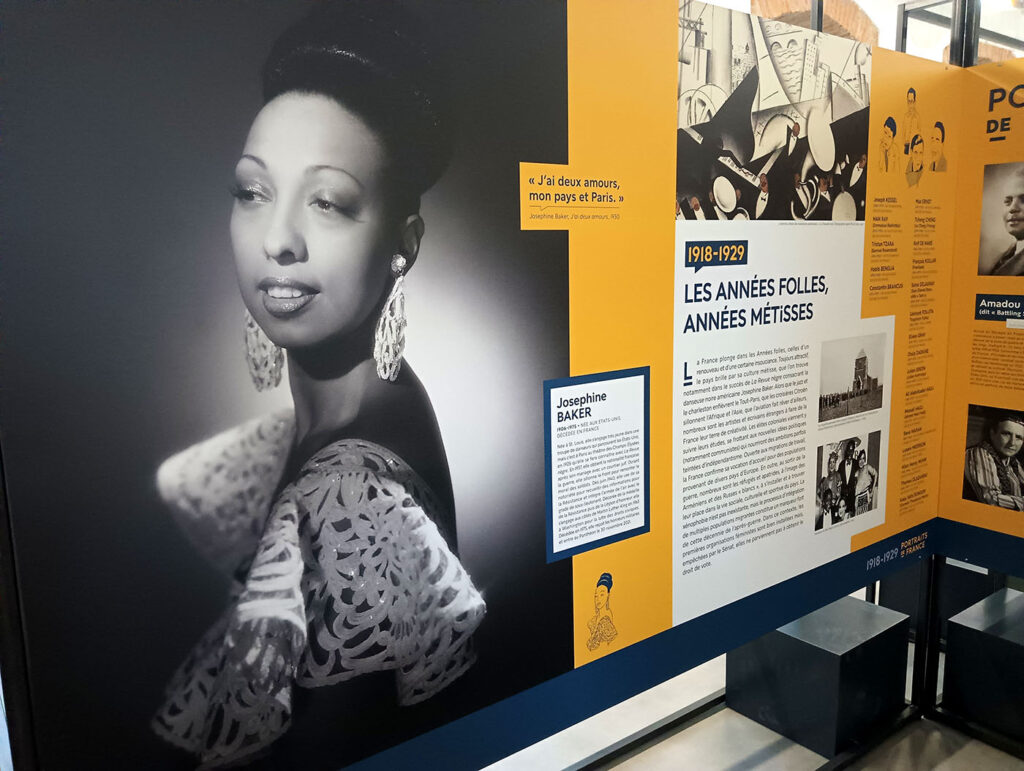
Laëtitia Soula toured the expansive photo exhibit Portraits of France, which celebrates the lives of 318 immigrants who paid it forward.
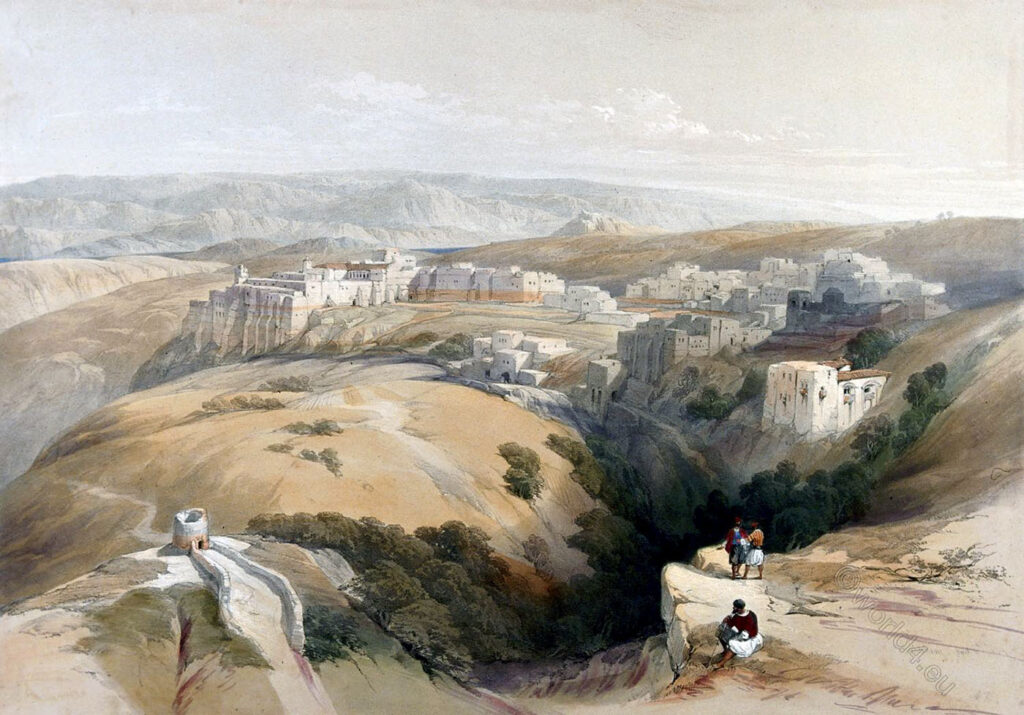
Bethlehem native and novelist Karim Kattan reviews the new book by Jacob Norris that tells the 19th century story of the town’s evolution.
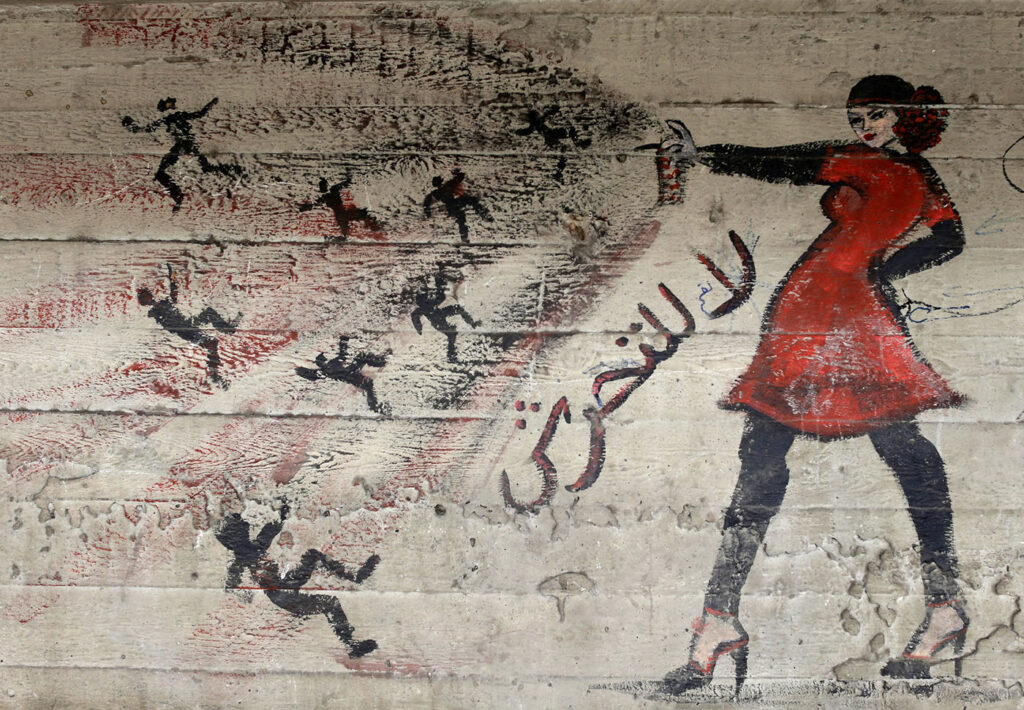
Sally AlHaq reviews the recent book by Yasmin El-Rifae on the history of sexual assault in Tahrir Square and what one group did to fight it.
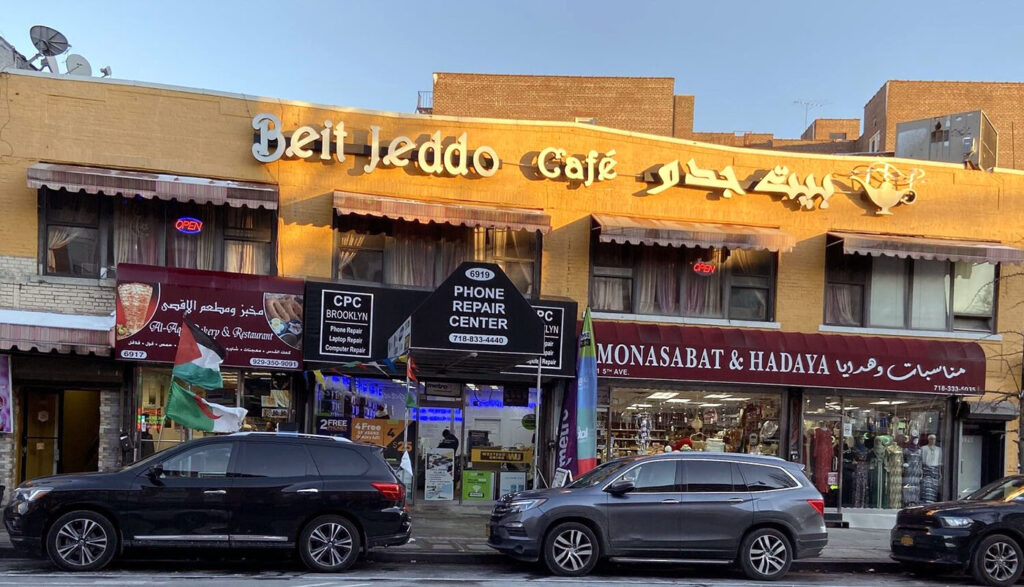
Novelist R.P. Finch reviews the debut novel of Aisha Abdel Gawad, set in the “Arabland” of Bay Ridge, Brooklyn.