






On American Democracy and Empire, a Corrective
The MAGA movement is not a cause but a consequence of GOP policies, and its instantaneous vanishing with Trump’s political demise is unlikely.
The MAGA movement is not a cause but a consequence of GOP policies, and its instantaneous vanishing with Trump’s political demise is unlikely.
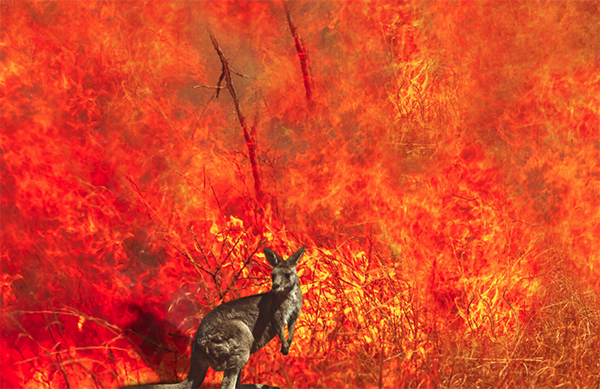
Columnist Iason Athanasiadis remembers 2020 not so much for the pandemic or the chaos of Trump but what humankind has wrought on nature.
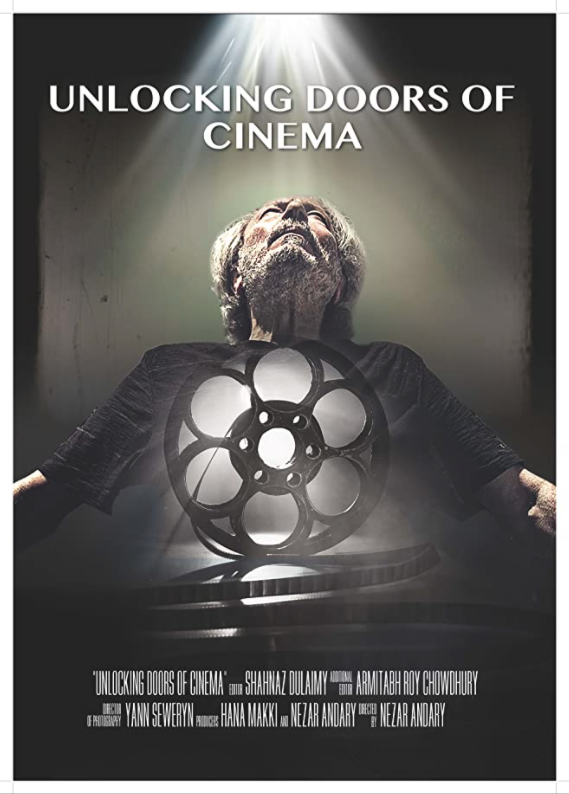
Rana Asfour reviews a documentary by Nezar Andary on the Syrian auteur filmmaker, Muhammad Malas.
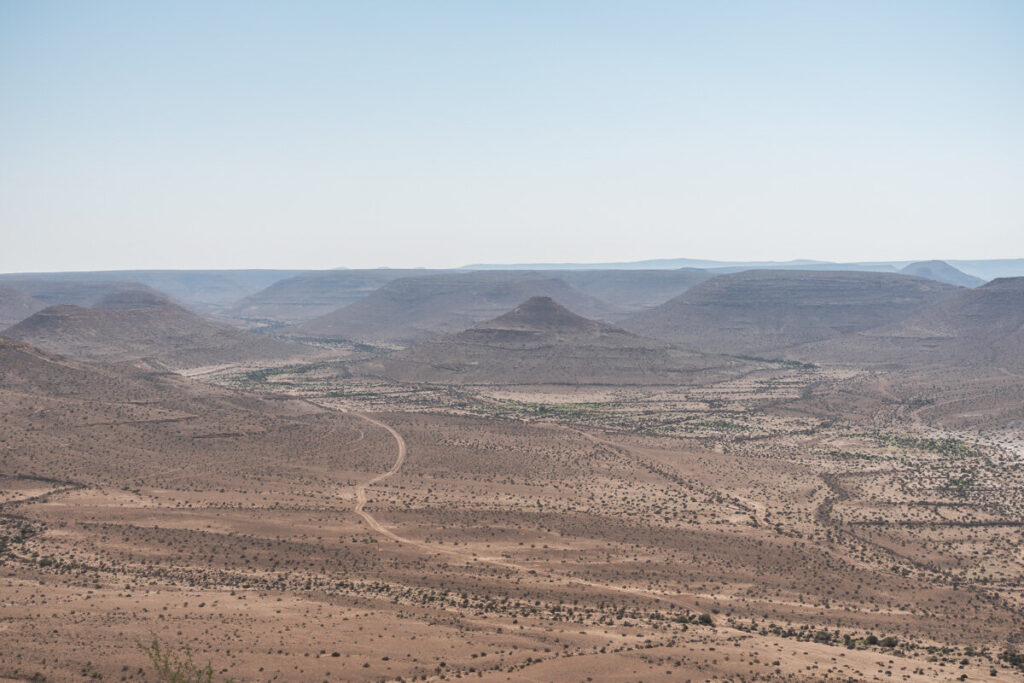
Layla AlAmmar takes us into the heart of Adania Shibli’s literary thriller, where Palestinian lives are but a “minor detail.”
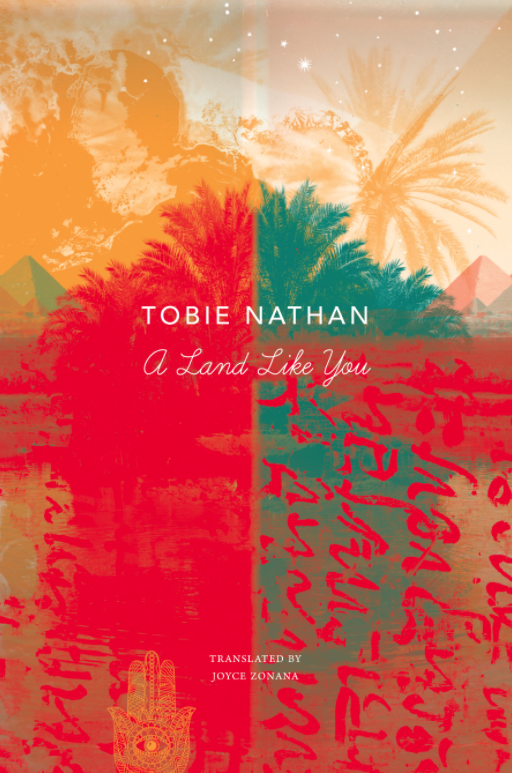
“Gamal was convinced that Egypt, mother of the world, would spawn a new era—when Arabs, the wretched of the earth, would finally regain their place among the nations.”
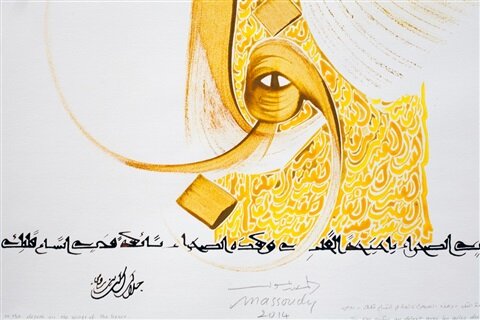
Maece Seirafi suggests, Calligraphies of the Desert “reveals an indigenous comfort with the desert as reflected in Arab proverbs heard in everyday conversations.”
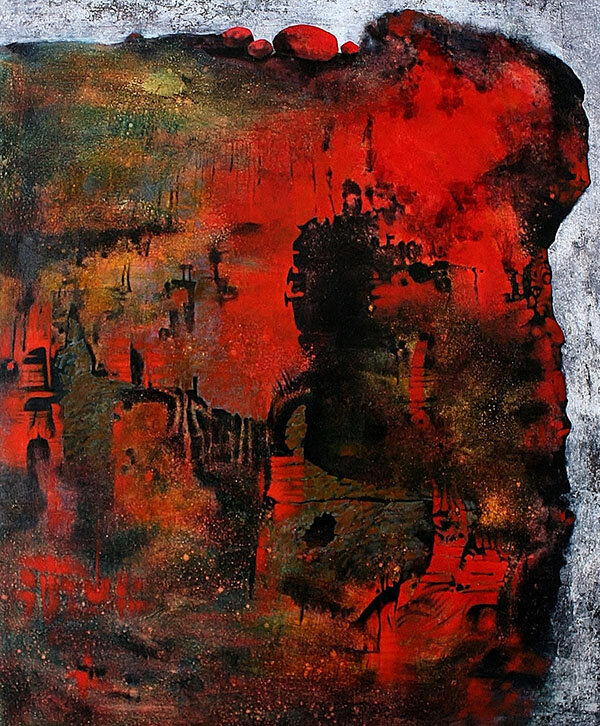
Kurdish poet and scholar Selîm Temo, takes us inside the continuing Academics for Peace struggle through his personal story.
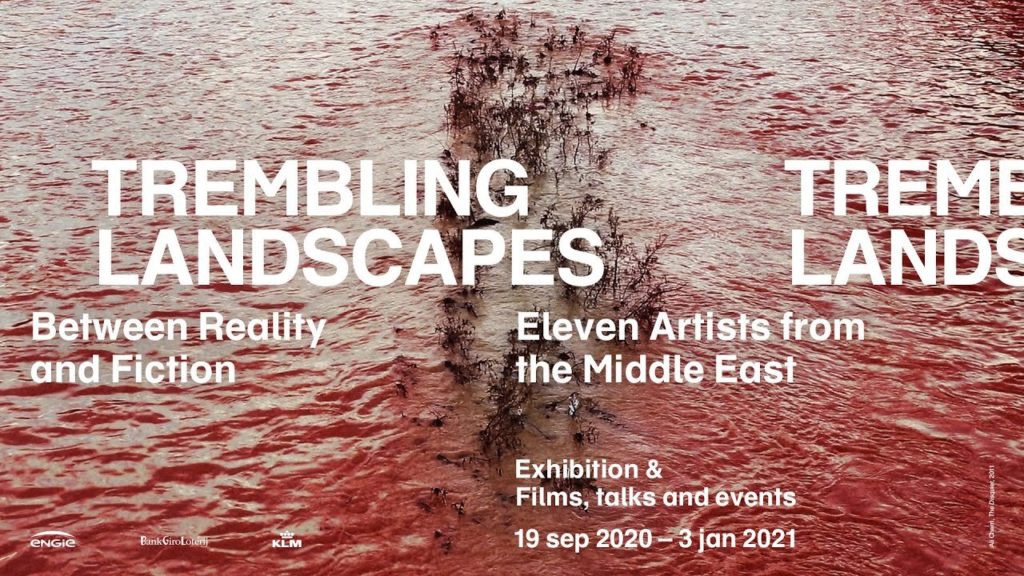
Landscape is a charged notion in the Middle East—even the geographical term Middle East is not neutral, but Eurocentric and has its origin in colonialism. Co-curator Nat Muller explains.
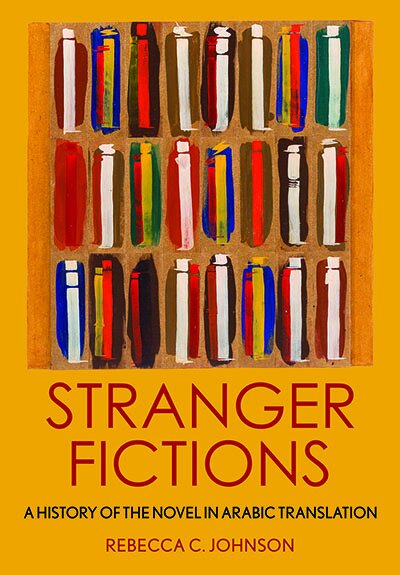
Europe is the center of the world and has the literature to prove it. Or is it? Arabic and comparative literature scholar Rebecca C. Johnson makes a different argument in Stranger Fictions.
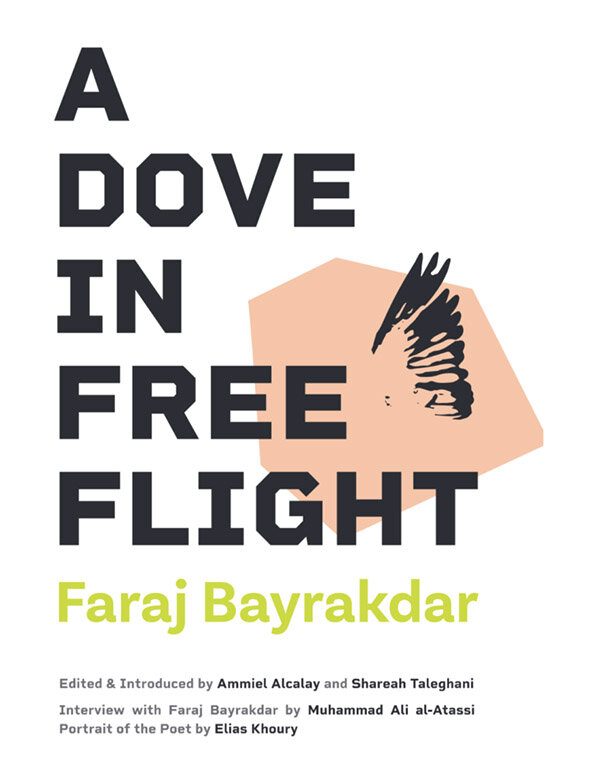
18 years in the making, this winter Upset Press will publish a new volume of poems by former Syrian political prisoner and cause célèbre Faraj Bayrakdar.
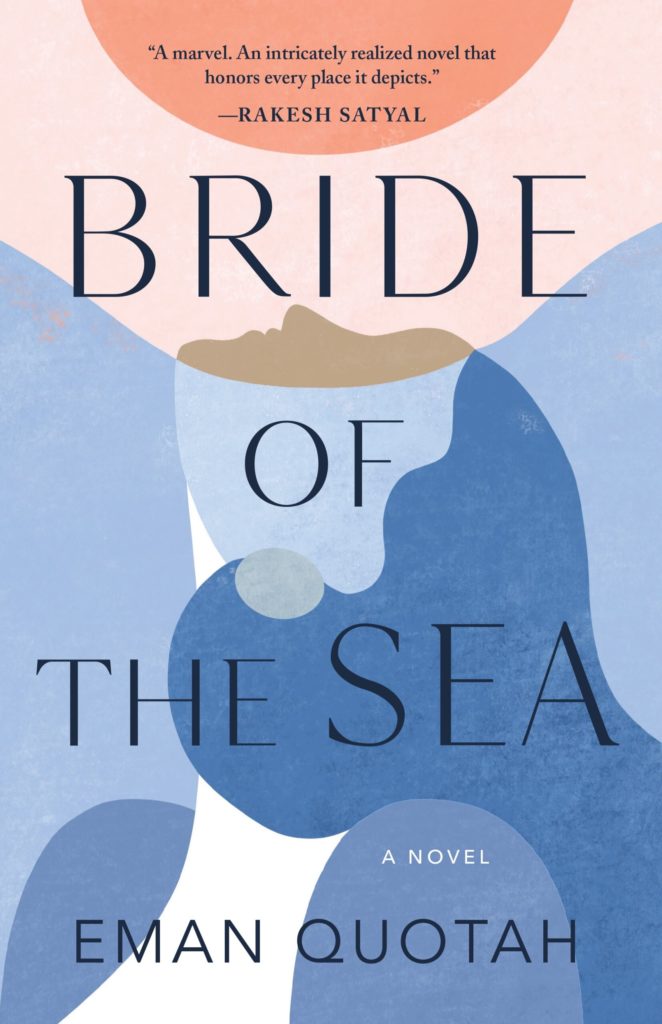
In this debut novel Eman Quotah practically delivers an epic as she writes about a Saudi family, torn between Arab and American identities and culture clashes.
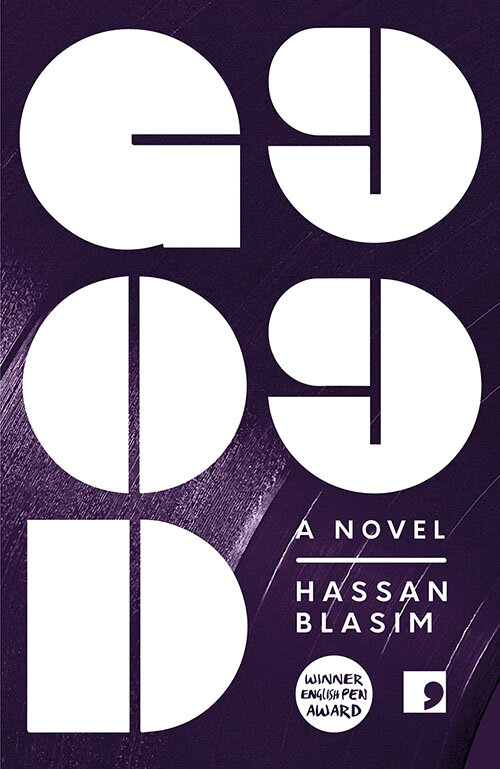
God 99 blurs the boundaries between fiction and autobiography, reportage and the novel. It blends the fantastic with the everyday to explore themes of exile, humanity, art and philosophy.