


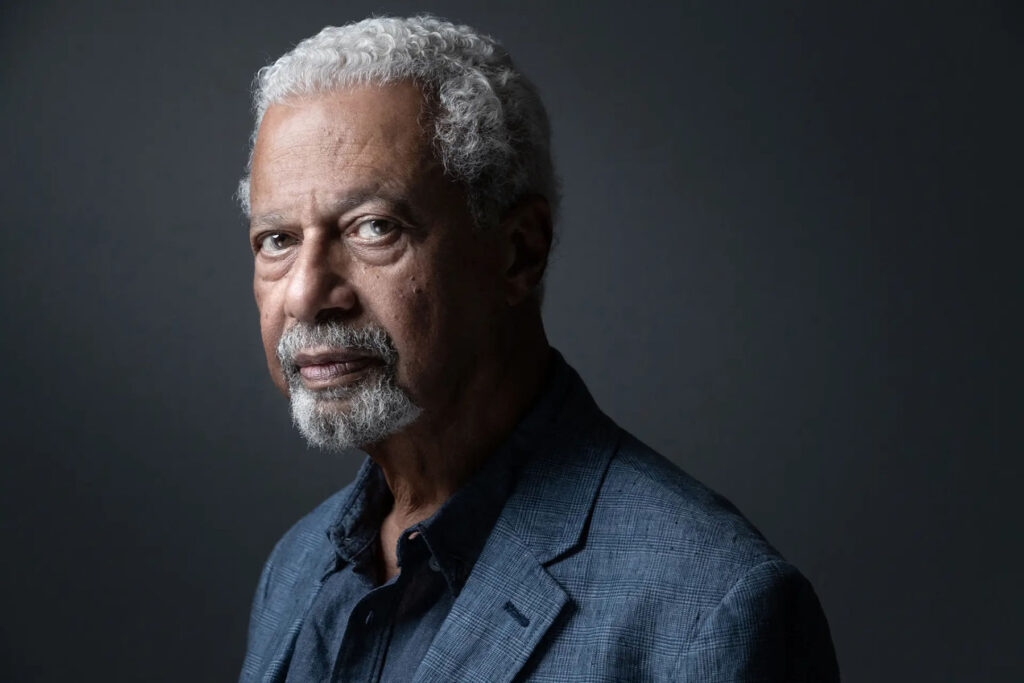
Theft by Abdulrazak Gurnah—a Review
Gurnah’s new novel, “Theft,” is a post-colonial exploration of Tanzania, immigration, and the relationship between Africa and the west.
Gurnah’s new novel, “Theft,” is a post-colonial exploration of Tanzania, immigration, and the relationship between Africa and the west.
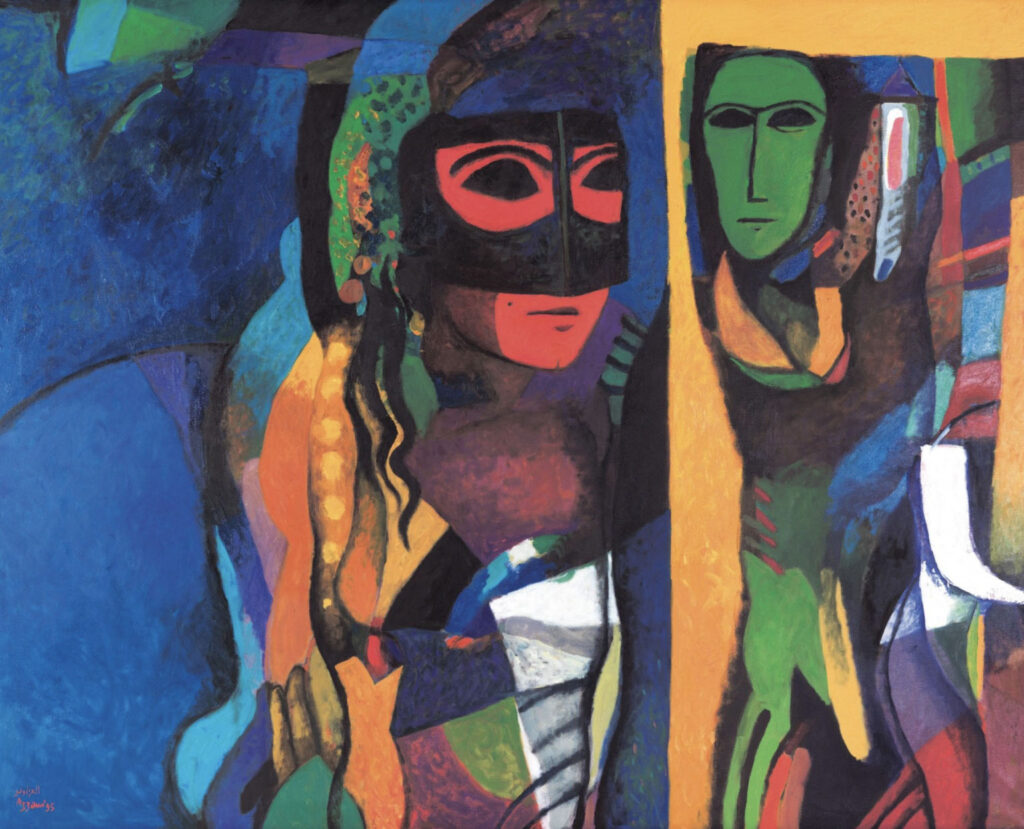
في رحلة العودة من الزمالك إلى مصر الجديدة، يختبر الشاب خنزرته الجميلة في أقوى صورها، متشتتًا بين الاستماع إلى سائق التاكسي البكَّاء وبين موعده الذي انتهي نهاية محبطة.
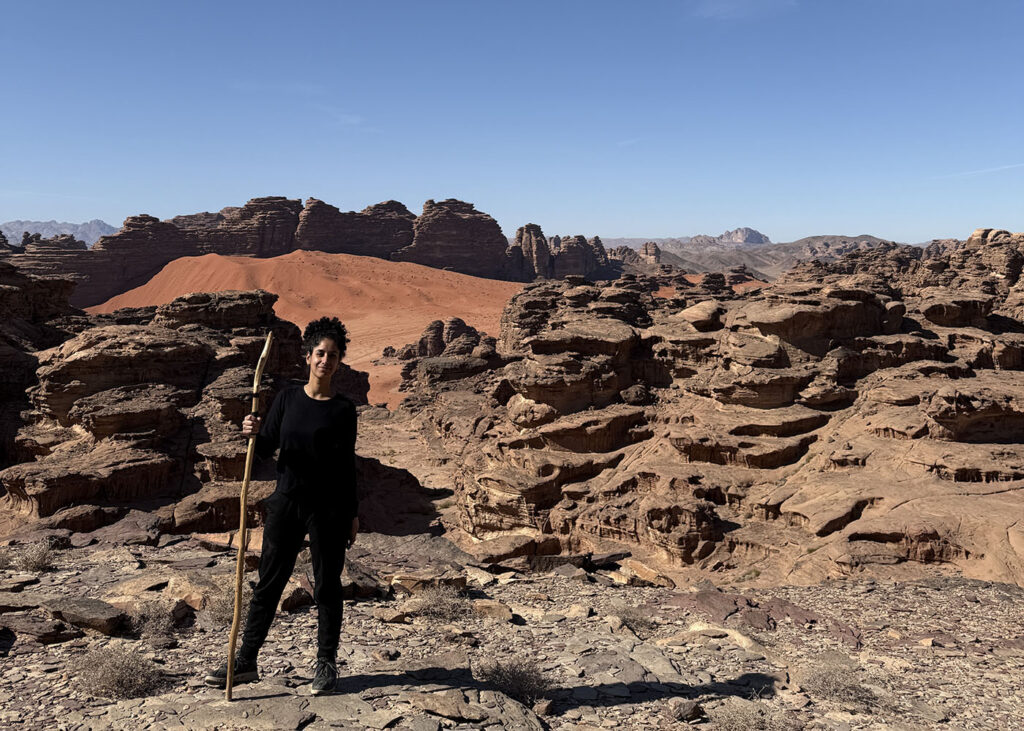
Trekking through the diverse terrains of Britain, Norway, and Saudi Arabia, a geologist embarks on a journey of self-discovery and reconnecting with her roots.

After many years of being tormented, a man finally seeks revenge against past aggressors who have long since vanished. Or have they?
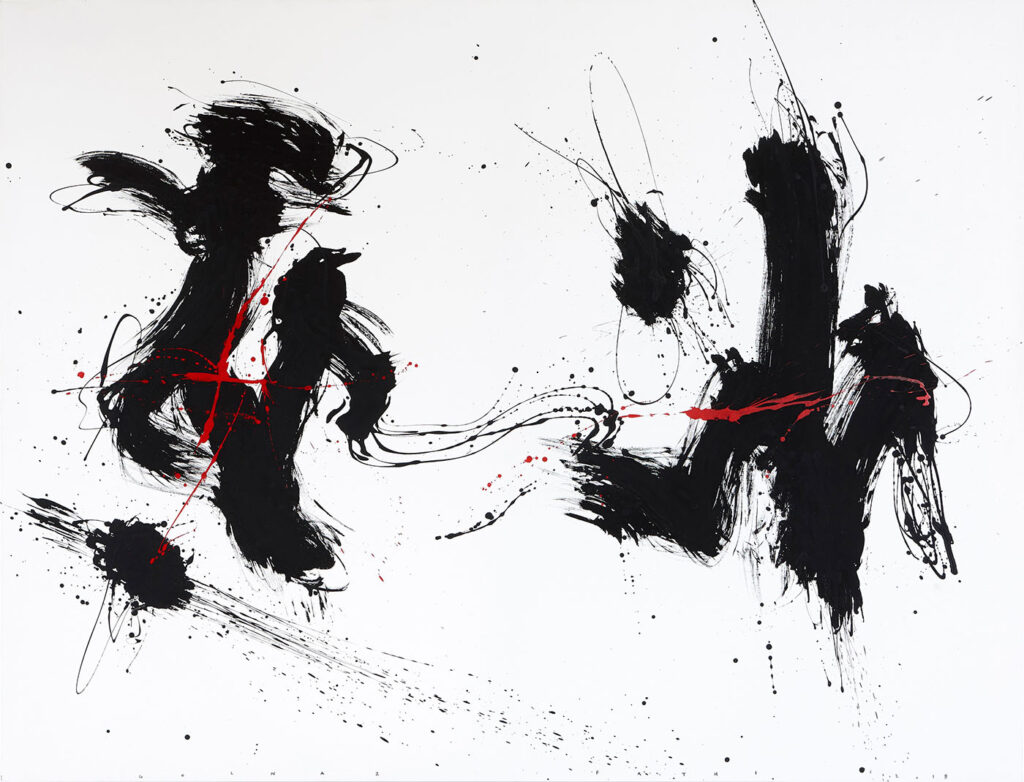
A meditation on how war distorts the perception of time, transforming events and emotions into distant memories.
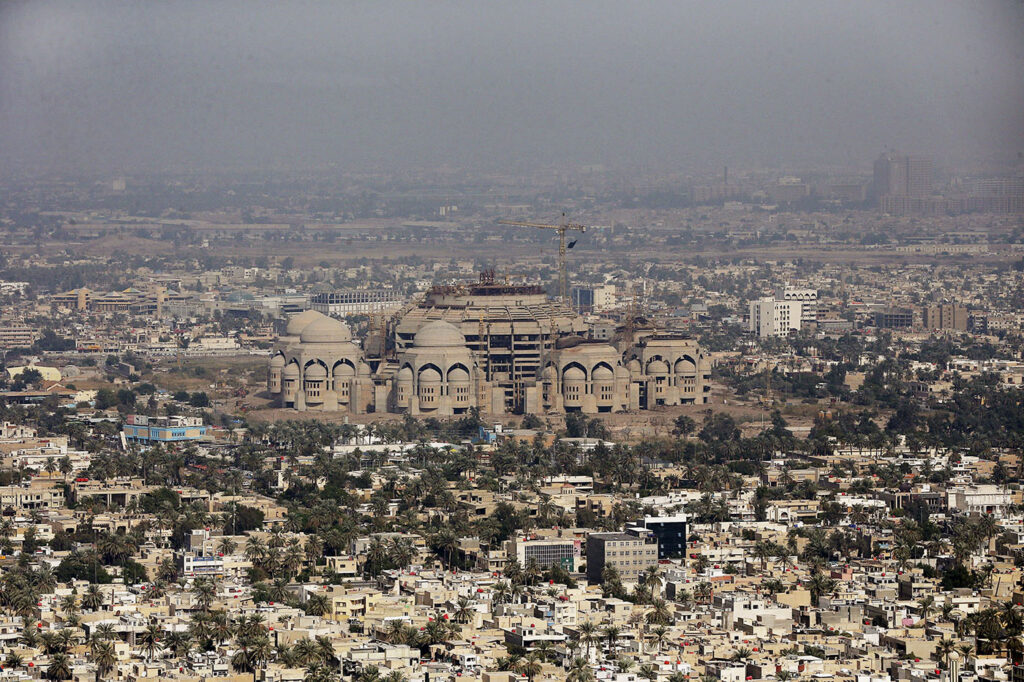
In Iraq, buildings don’t simply reflect ideology — they absorb it, transmit it, and sometimes resist it. Especially when left unfinished.
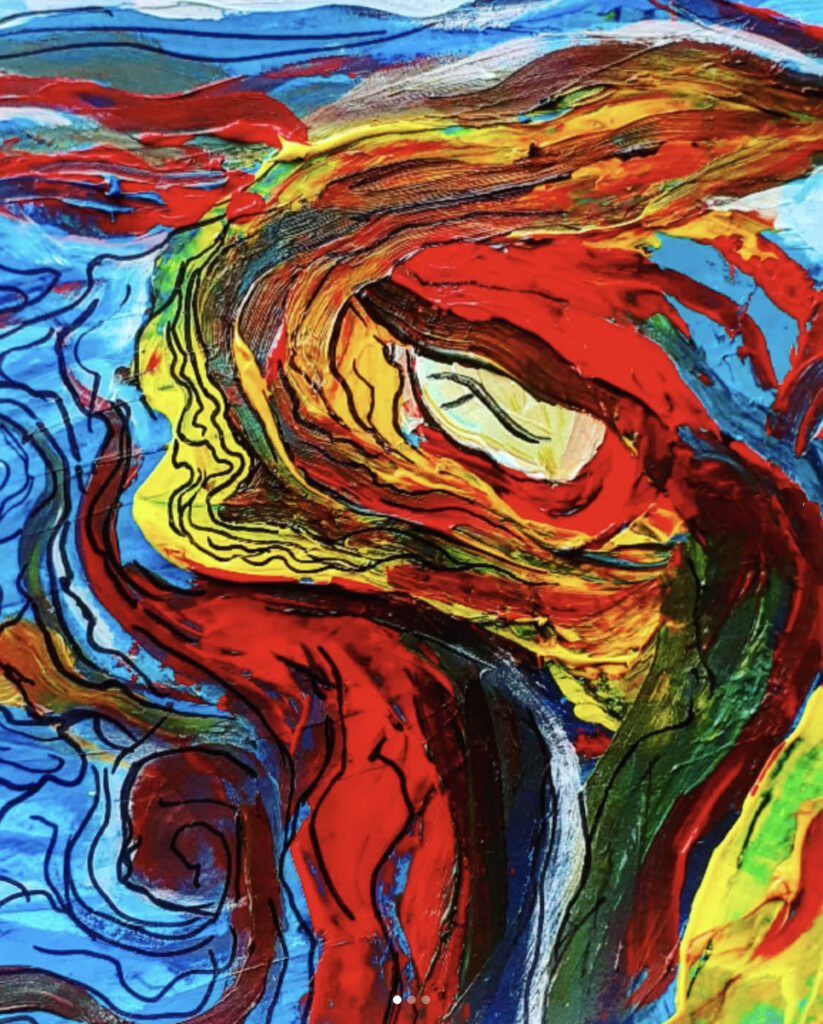
In Paranda, everyday activities like reading symbolize protest and resistance in homes, alleyways, and gatherings.
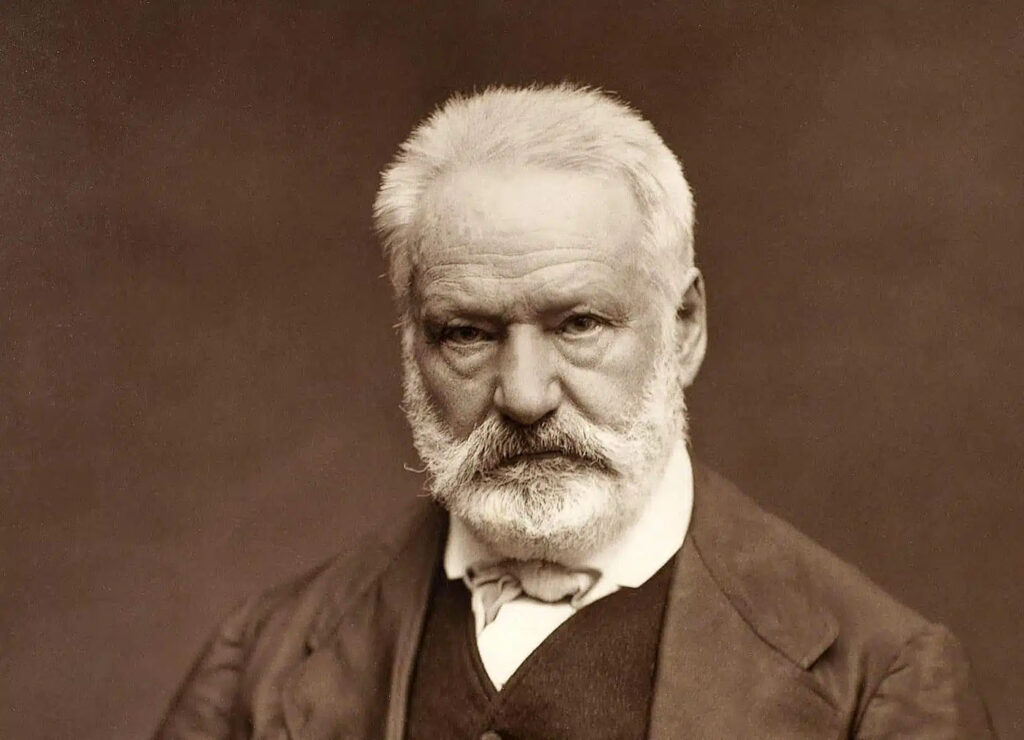
Victor Hugo’s way still guides those building bridges across languages, faiths, and histories in a time of fear.
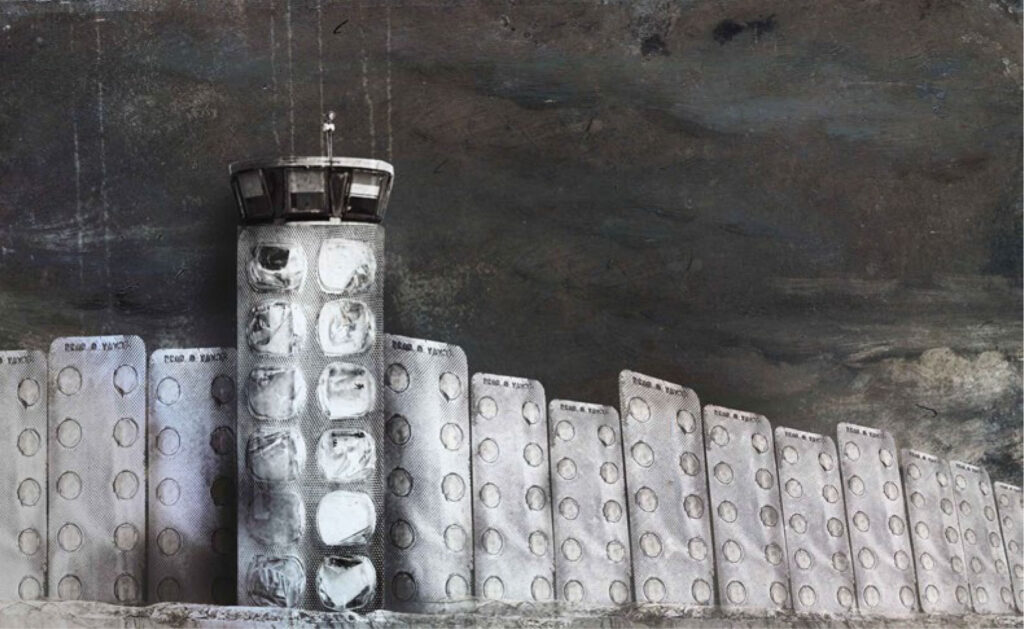
Thoth invites readers to witness the struggles of Palestinians and raise awareness of the ongoing catastrophe in the West Bank.

The “francophone” term limits books to the “Francophonie” section in French bookstores, and forces authors to focus on identity.
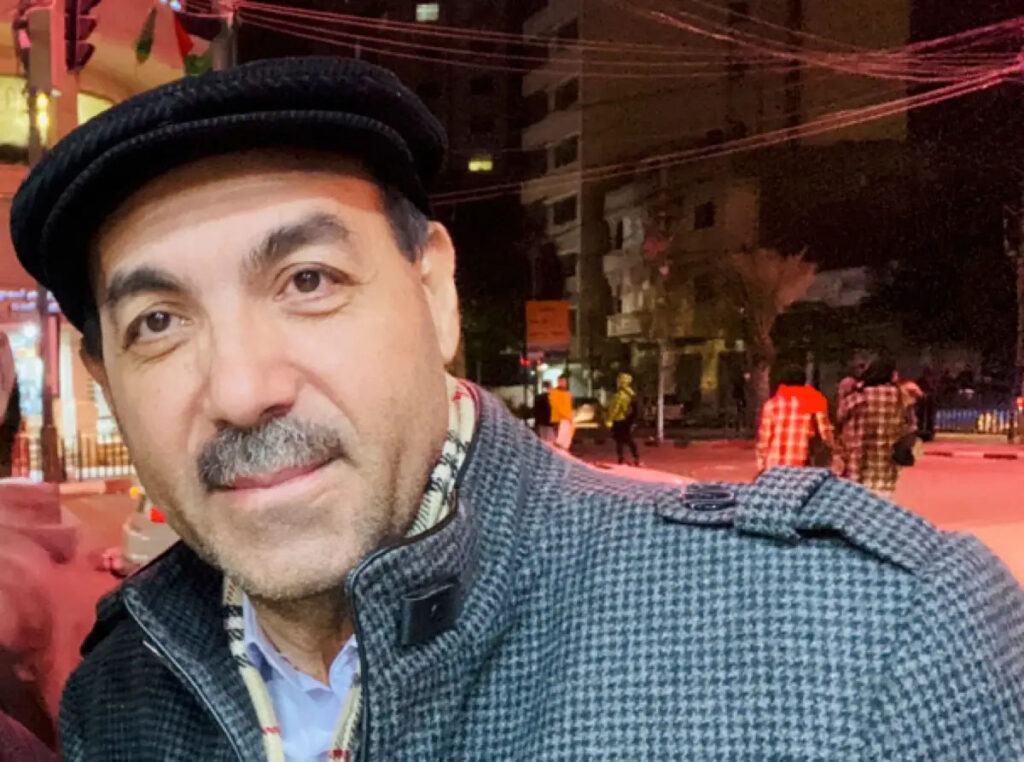
Nasser Rabah and other poets of Gaza are still writing — still sending their poems to us, because Palestine is literature.
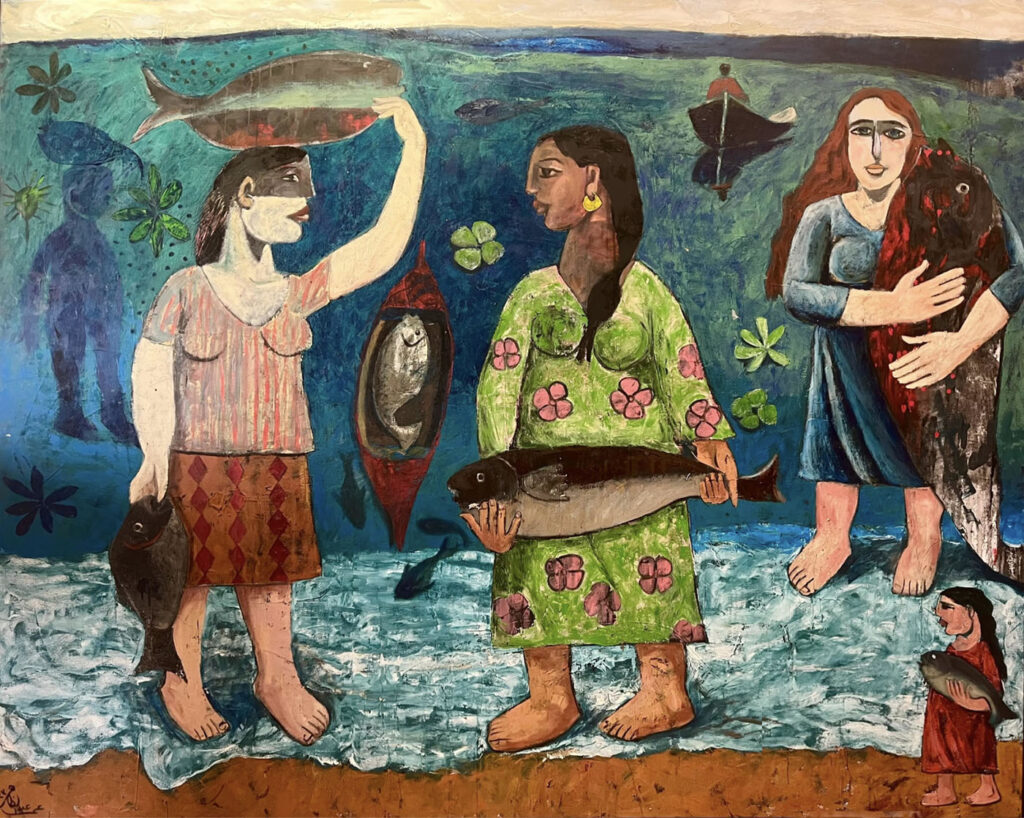
A doctor writes on the grand multiparas — women who have given birth five or more times.