Fadi Kattan
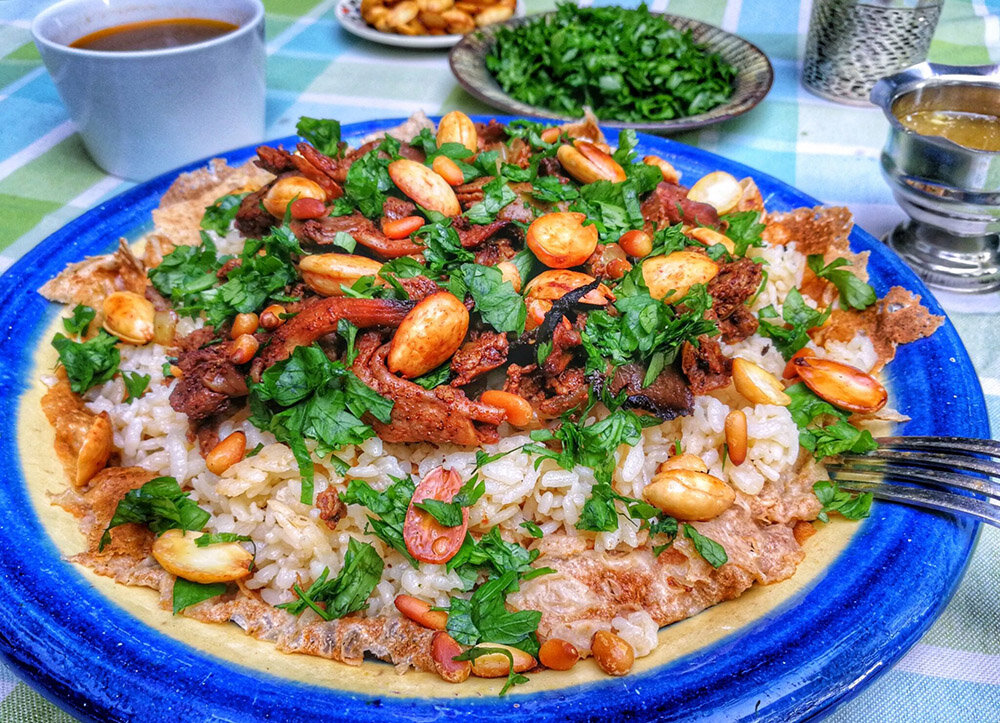
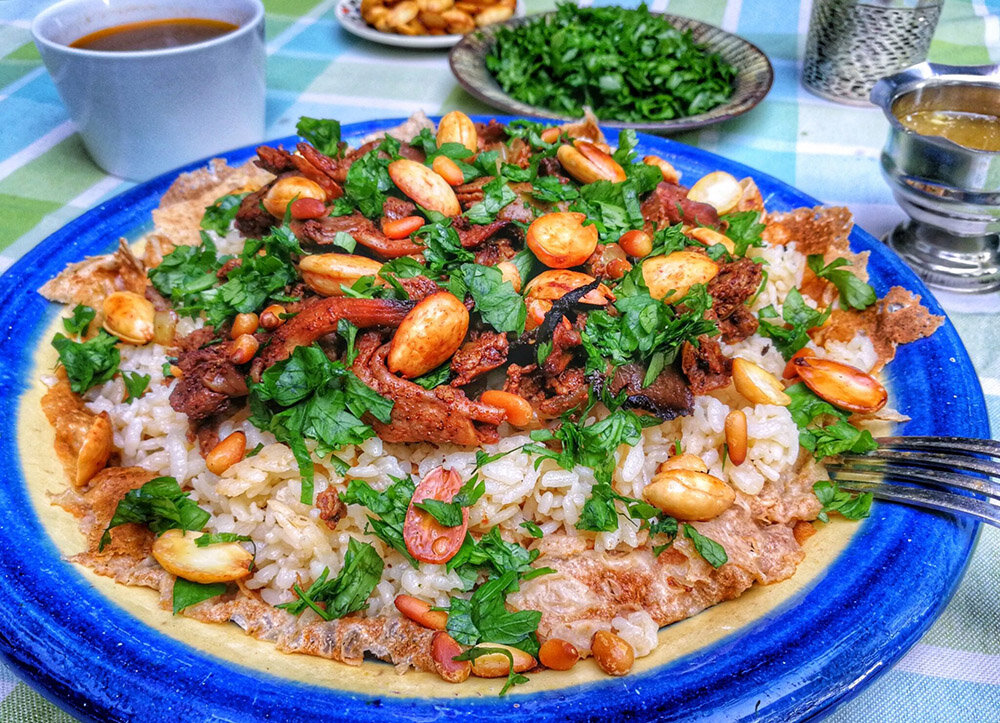
Food memories are a tricky thing! It has been so long that I have not been to Gaza yet I still have wonderful memories of the Gaza fatteh prepared by the late Im Khader, my uncle’s mother-in-law. In my childhood memories she was quite possibly the best cook in Gaza — an impressive woman who prepared delicious feasts, had the best shatta recipe ever and was also known for her celebrated lamb meat.
For non-Arabs unfamiliar with traditional fatteh, it’s a popular dish of toasted and often crumbled pita covered in diverse toppings, depending on whether prepared in Palestine, Lebanon, Egypt, Jordan or Syria. Sometimes it’s simply pita covered with chickpeas and yoghurt in the vegetarian version, but there are also varieties made with chicken, lamb or beef.
When I delve into my food memories around the Gaza fatteh, I still feel the combination of that first mouthful of rice, bread, meat, very deep, intense, earthy and the refreshing piquante of the dugga (or dukkah, similar to zaatar albeit made with nuts and spices rather than sesame seeds).
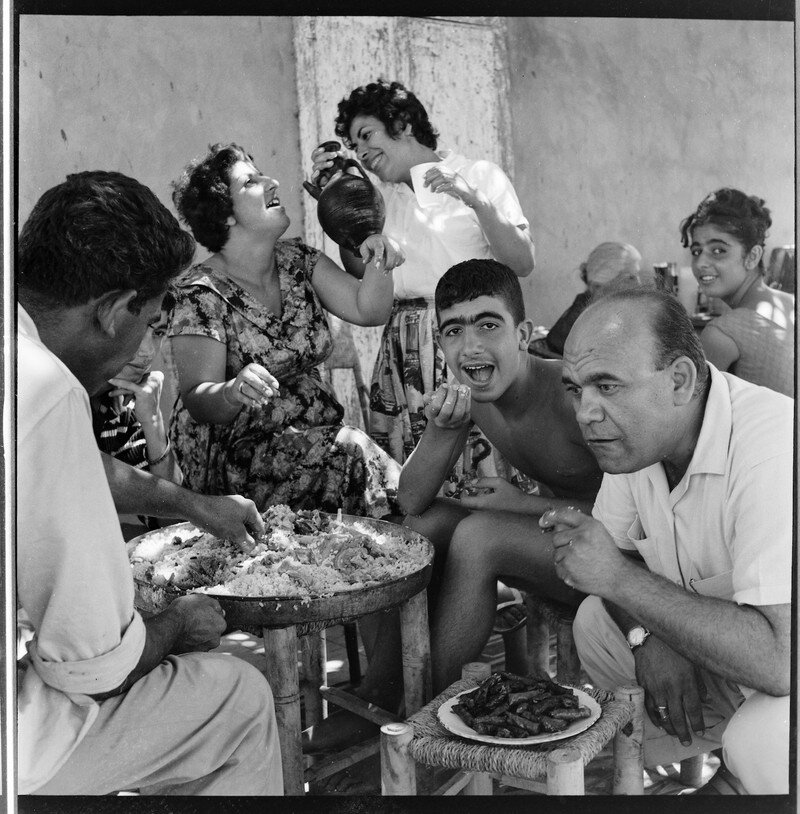
There was always the Gaza dugga but also, always at my aunt’s house, a few green chilies on the lunch table. The Gaza cuisine is very different from the Bethlehem cuisine, bringing with it that marine air, that spiciness of the chilies and the long meals on the coast always rounded off with an unctuous mouhalabiya served with date jam.
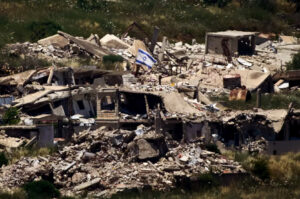
Those memories of more than thirty years ago seem so unreal today.
Fatteh Ghazawiya, serves 8:
Meat and BROTH
8 pieces of lamb meat with bone (each 250 grm)
10 cups water
2 tbsp olive oil
1 onion, quartered
4 garlic cloves
2 bay leaves
2 tsp black peppercorns
10 cardamom pods
2 cinnamon sticks
1.5 tsp allspice berries
3 tsp salt
RICE & BREAD
2 1/2 cups short grain rice
2 cups water
1 cup strained broth
2 tbsp ghee
3 shrak bread or rkak
DUGGA
2 garlic cloves
6 fresh red chillies
5 tsp lemon
GARNISH
1 cup almonds
2 tbsp pine nuts
METHOD
For the Meat and Broth
1. In a large pot, heat the olive oil, slightly cook the garlic and onions and then brown the meat.
2. Add the spices and toss the meat well.
3. Add all the spices, cover with the water and bring to a boil.
4. Reduce heat, cover and let cook for an hour and the half.
5. When ready, taste the broth and add salt to your liking.
6. Strain the broth to use both for cooking the rice and for serving.
FOR THE RICE
1. Soak the rice for 30 minutes.
2. In a pot, melt the ghee, then add the rice, and stir for a minute or two.
3. Add the water and strained broth.
4. Once the liquid boils, reduce the heat to low, cover and let cook until the liquid is absorbed.
5. Fluff the rice grains with a fork and reserve on the side.
FOR THE NUTS
1. In a pan, fry the almonds and then the pine nuts separately.
2. Leave each one to release the excess oil on kitchen paper.
FOR THE DUGGA
1. Peel the garlic and chop off the heads of the chilies.
2. In a mortar and pestle, pound the garlic and chilies with a pinch of salt until you have a rough paste.
3. Add the lemon juice and rectify the salt to taste.
Serving
1. Pre-heat your oven to 180 C (350 F)
2. Tear the bread into large pieces and toast in the oven for a few minutes.
3. In a large serving plate, arrange the bread, soak with the broth until the bread has absorbed the broth.
4. Add the layer of rice over the bread.
5. Arrange the meat pieces over the rice.
6. Garnish with the almonds and pine nuts.
7. Serve the dugga on the side for people to sprinkle to their liking.
The Markaz Review needs your support; kindly consider a one-time or small monthly contribution here.
Devenir membre/soutenir TMR avec un don mensuel ou en une fois ici.