


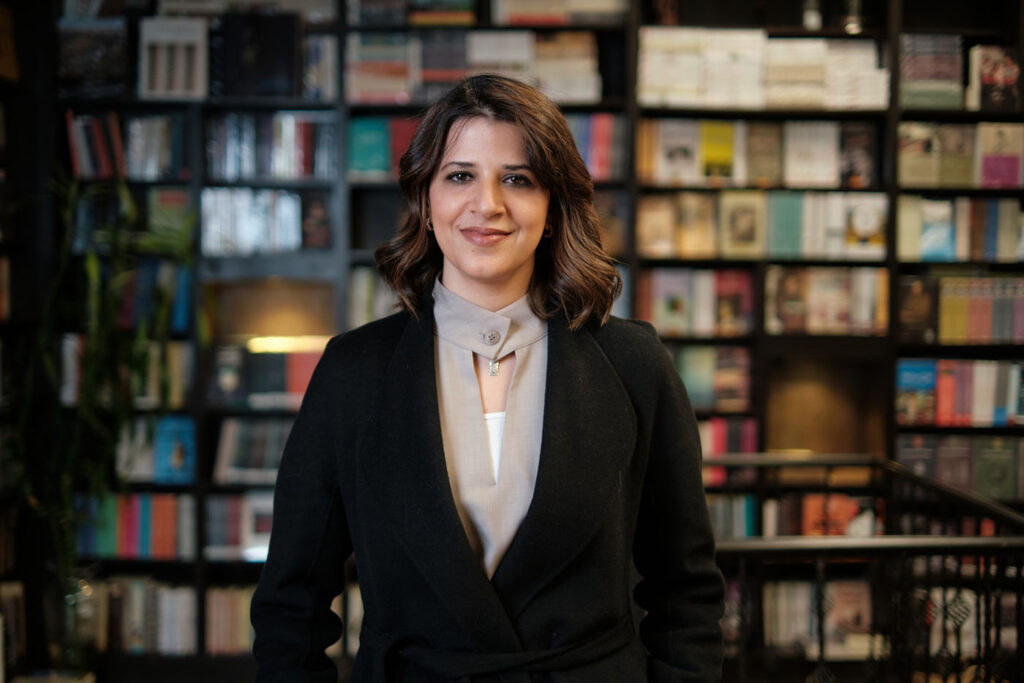
The Book Censor’s Library by Bothayna Al-Essa—a Review
A tale set in the near-future exploring the world of banned books, repressed imaginations, dreams, and desires.
A tale set in the near-future exploring the world of banned books, repressed imaginations, dreams, and desires.
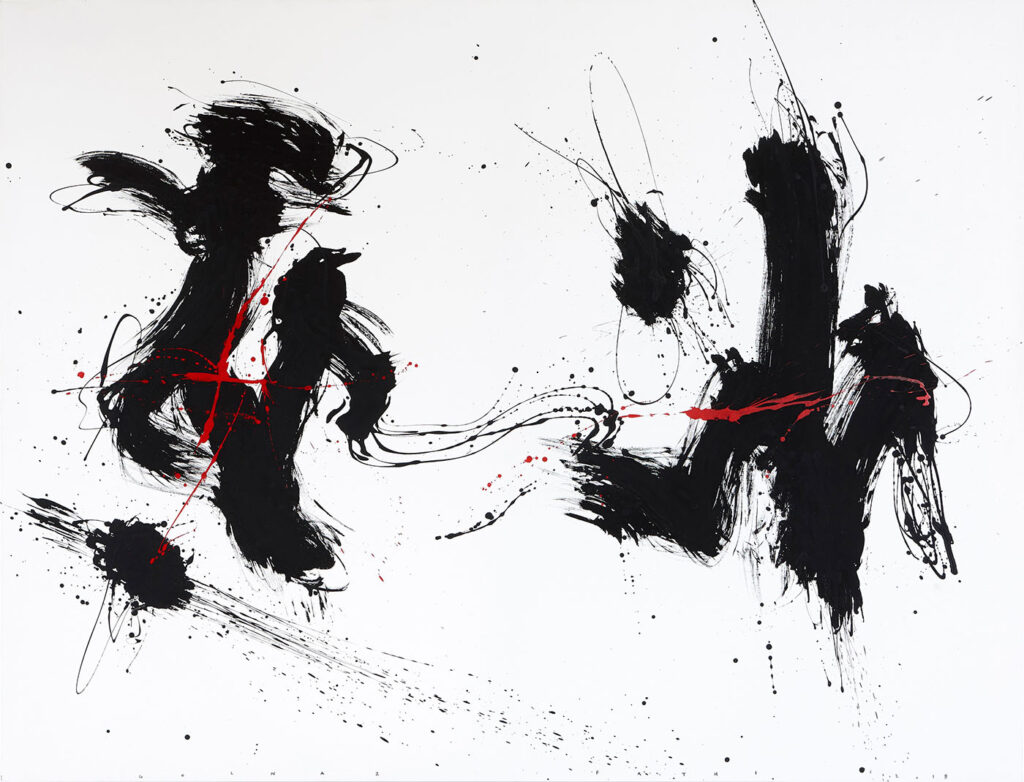
A meditation on how war distorts the perception of time, transforming events and emotions into distant memories.
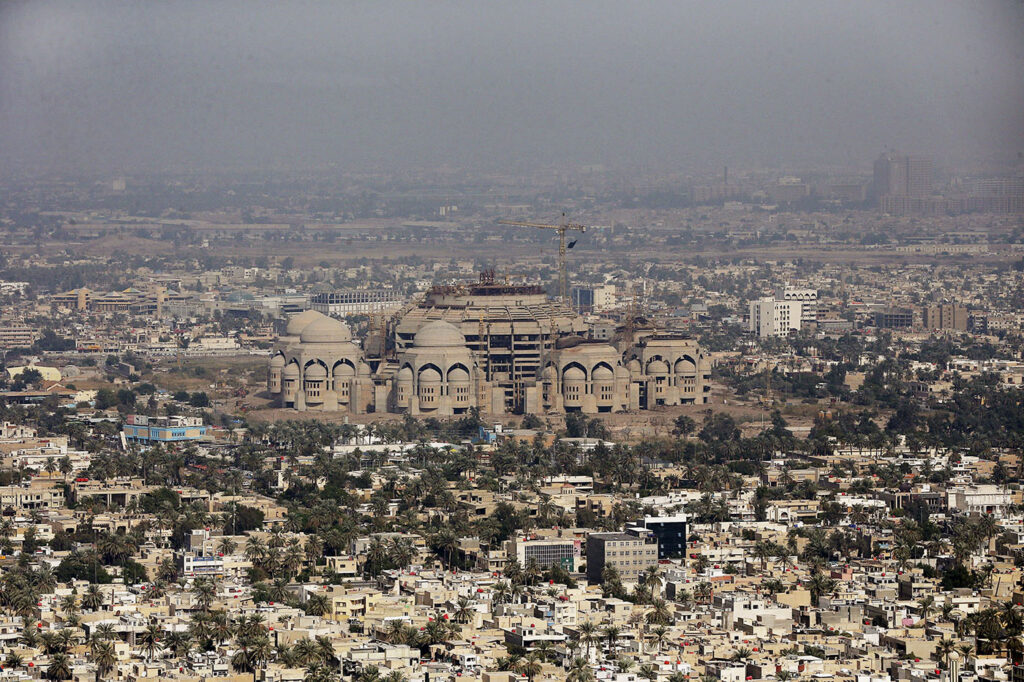
In Iraq, buildings don’t simply reflect ideology — they absorb it, transmit it, and sometimes resist it. Especially when left unfinished.
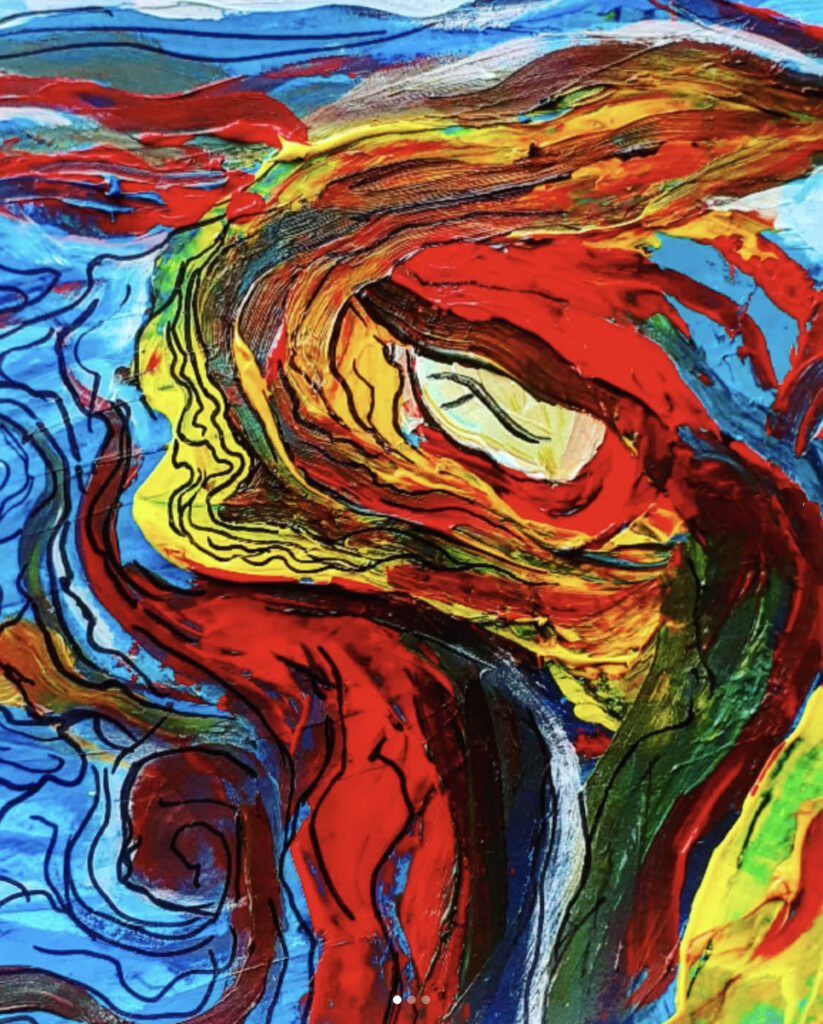
In Paranda, everyday activities like reading symbolize protest and resistance in homes, alleyways, and gatherings.
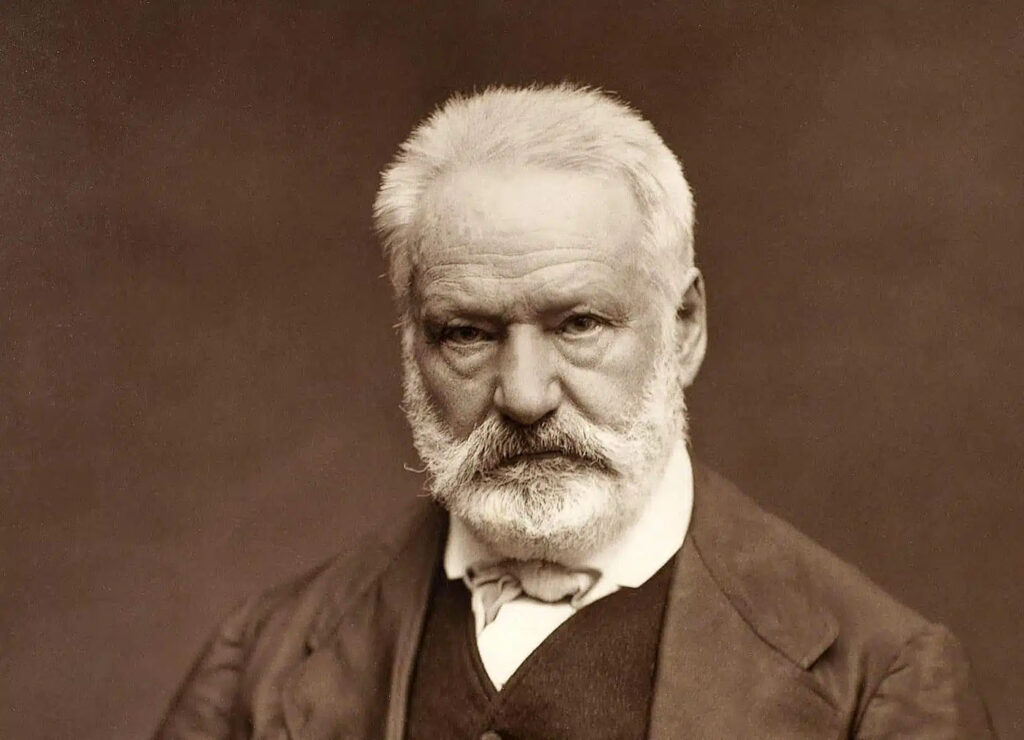
Victor Hugo’s way still guides those building bridges across languages, faiths, and histories in a time of fear.
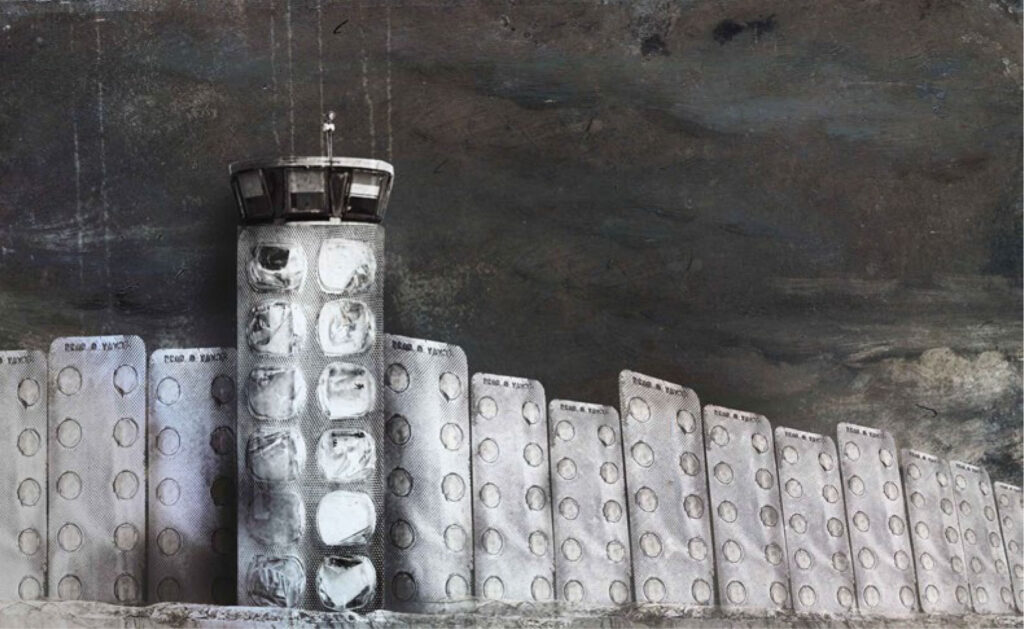
Thoth invites readers to witness the struggles of Palestinians and raise awareness of the ongoing catastrophe in the West Bank.
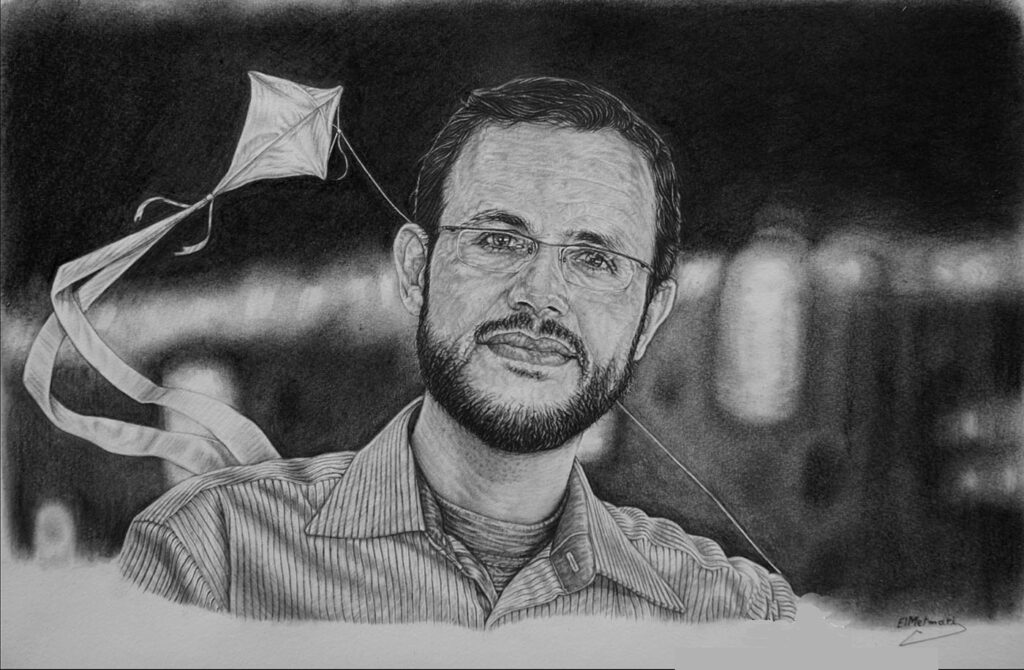
Palestinian Refaat Al-Areer was not just an academic. He was a living metaphor for Gaza’s steadfastness, writes his student Taqwa Al-Wawi.
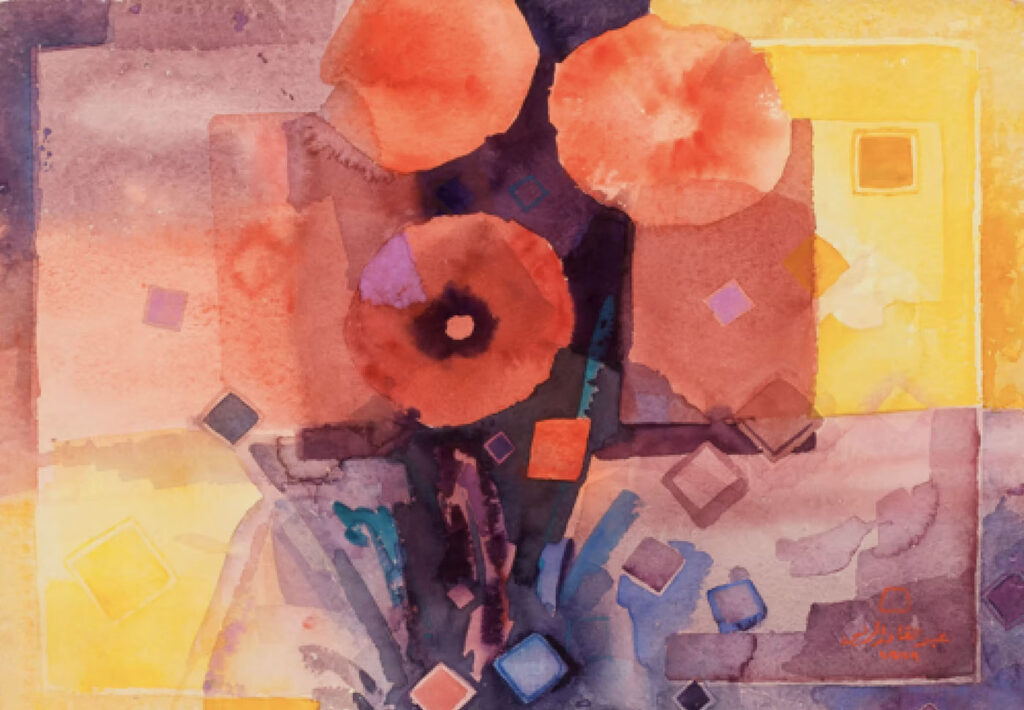
The “francophone” term limits books to the “Francophonie” section in French bookstores, and forces authors to focus on identity.
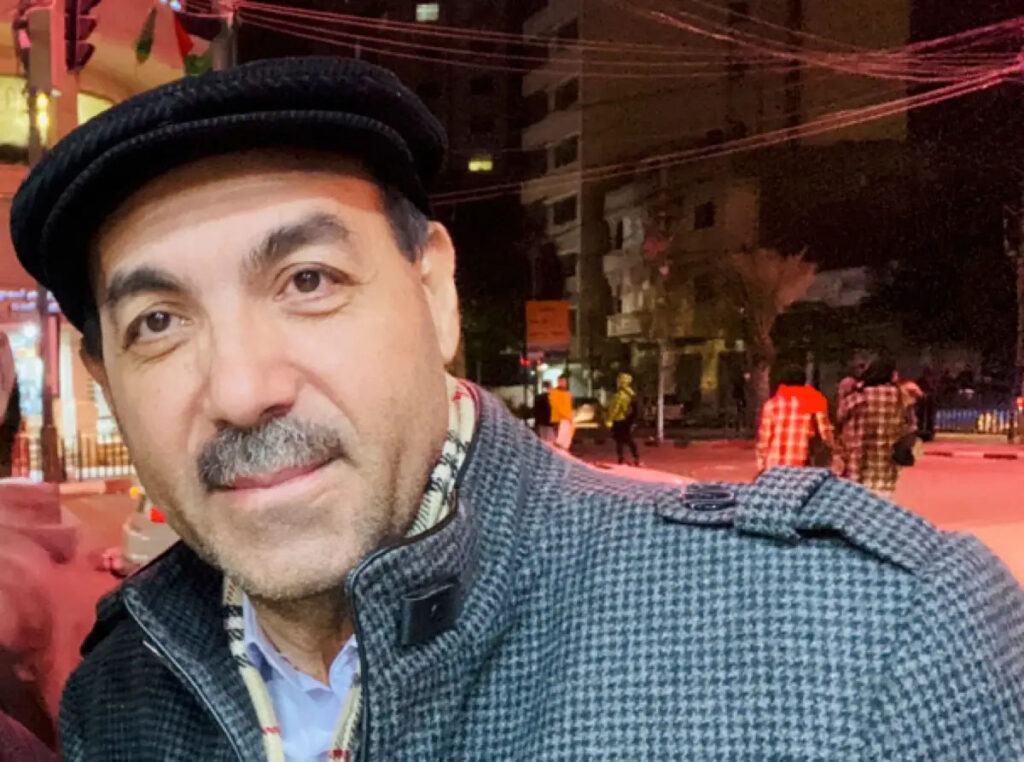
Nasser Rabah and other poets of Gaza are still writing — still sending their poems to us, because Palestine is literature.
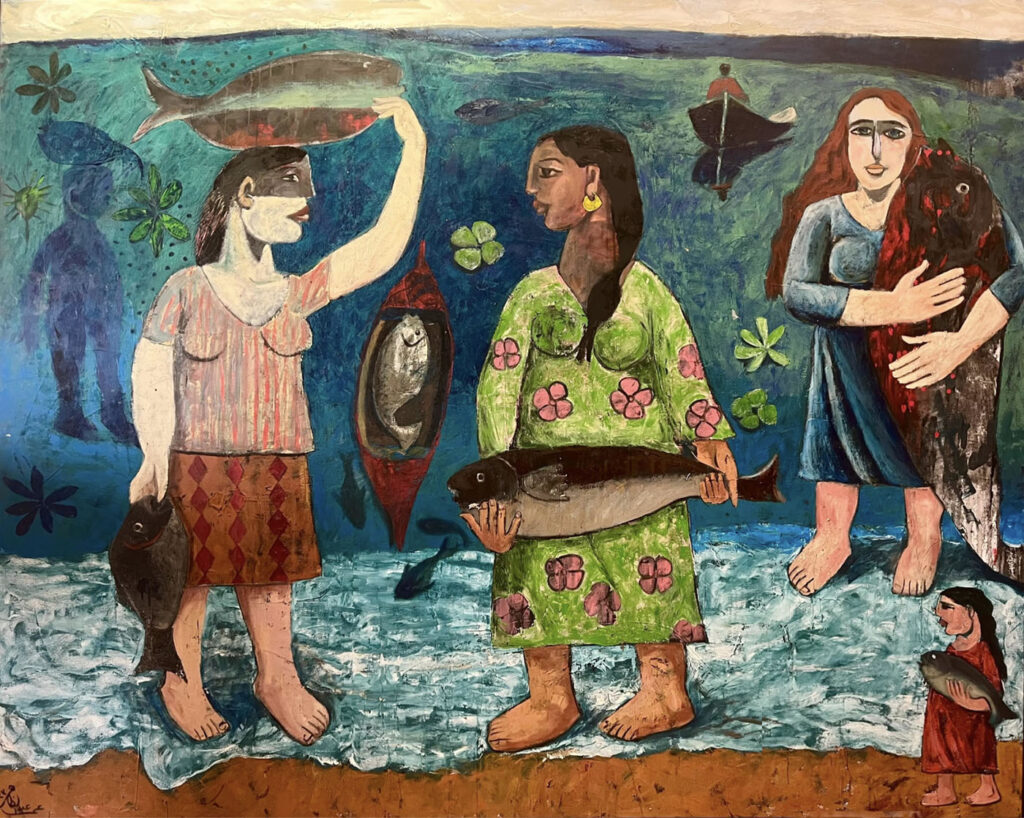
A doctor writes on the grand multiparas — women who have given birth five or more times.
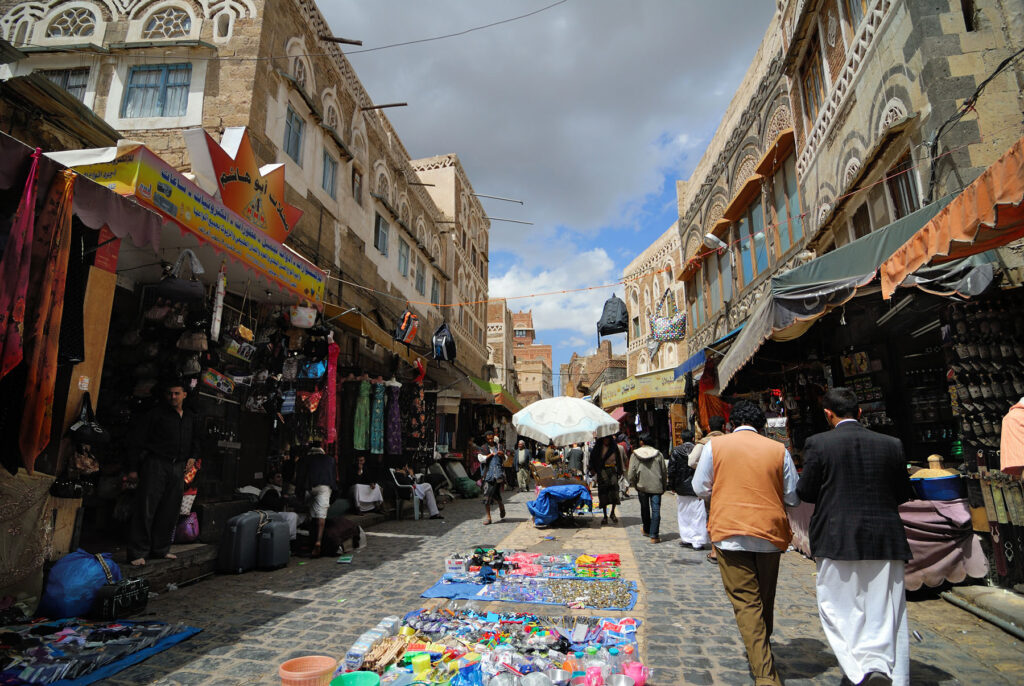
Wasta and nepotism are at the heart of this short story by Yemen’s most prolific writer, theatre critic, and journalist.
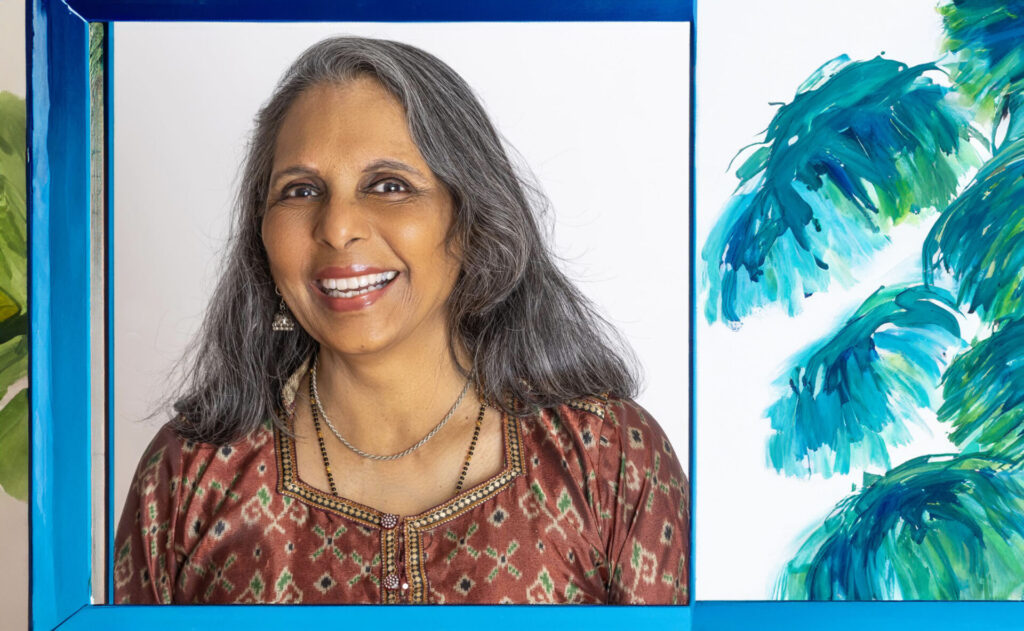
A poet and sage voice in international literature, Pramila Venkateswaran straddles two worlds, bringing together South Asia and America.