





Reading Between the Lines of Land
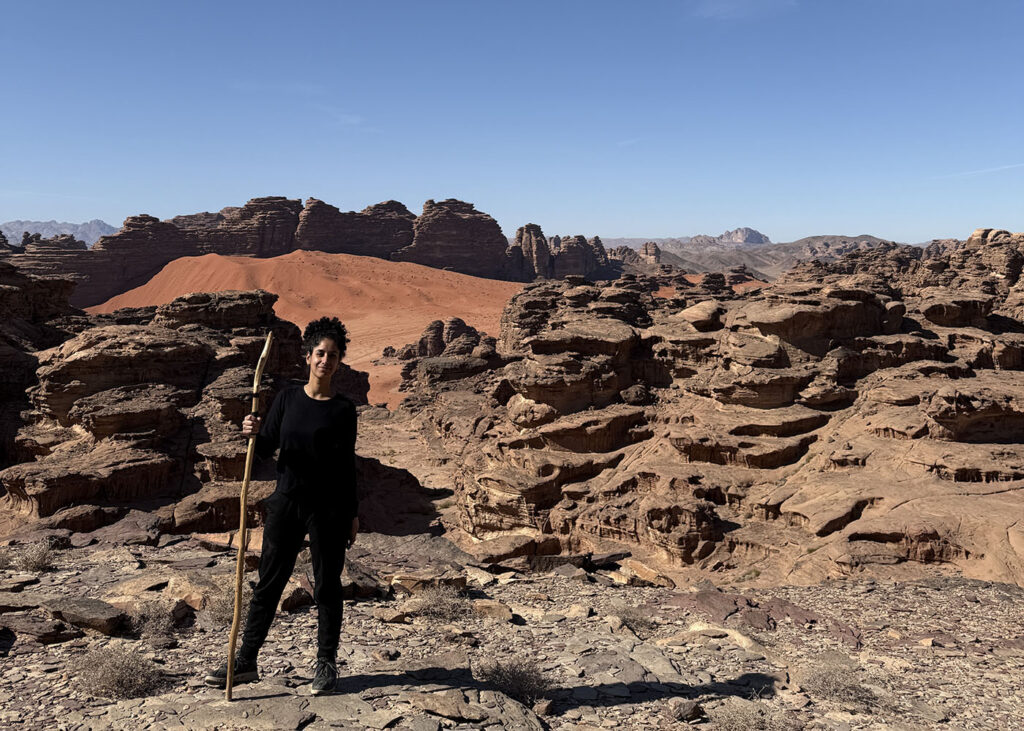
Trekking through the diverse terrains of Britain, Norway, and Saudi Arabia, a geologist embarks on a journey of self-discovery and reconnecting with her roots.
Trekking through the diverse terrains of Britain, Norway, and Saudi Arabia, a geologist embarks on a journey of self-discovery and reconnecting with her roots.
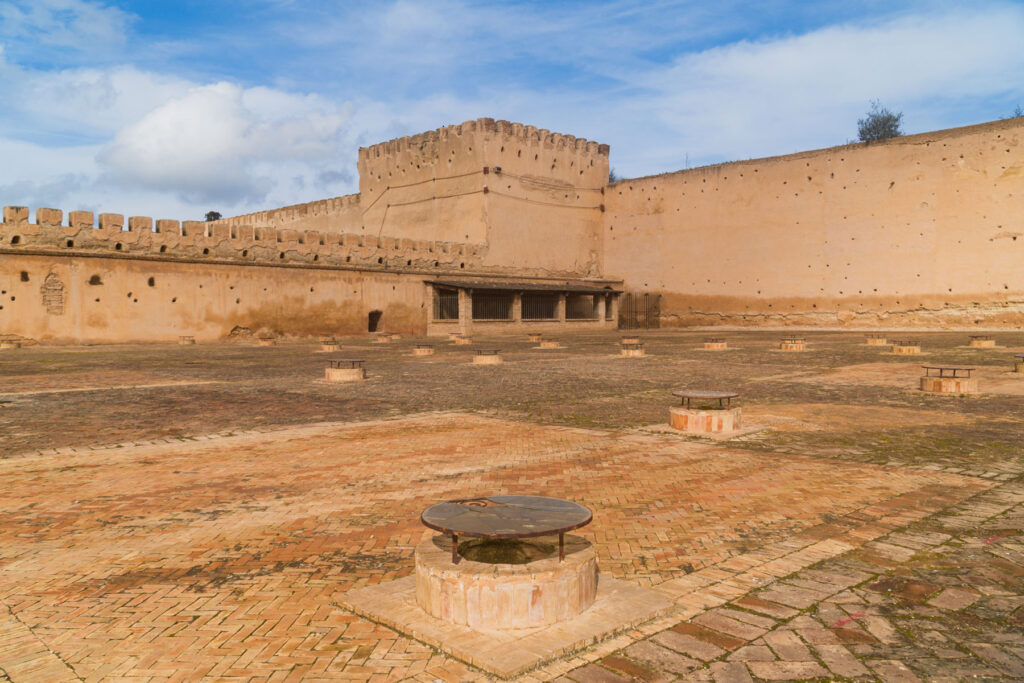
Mouline and Leila recount their prison years in Morocco in the 1970s and ’80s during the “Years of Lead” — a period characterized by heavy state repression.
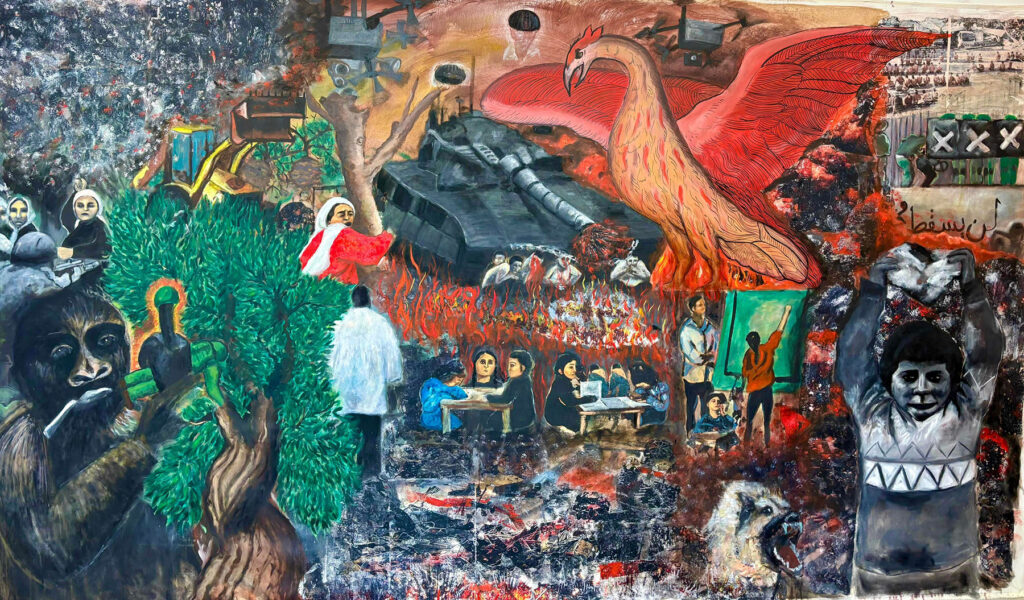
Elias Khoury and Ilan Pappe discuss a mutual line of racism and victimization that runs through the Nakba and the Holocaust.
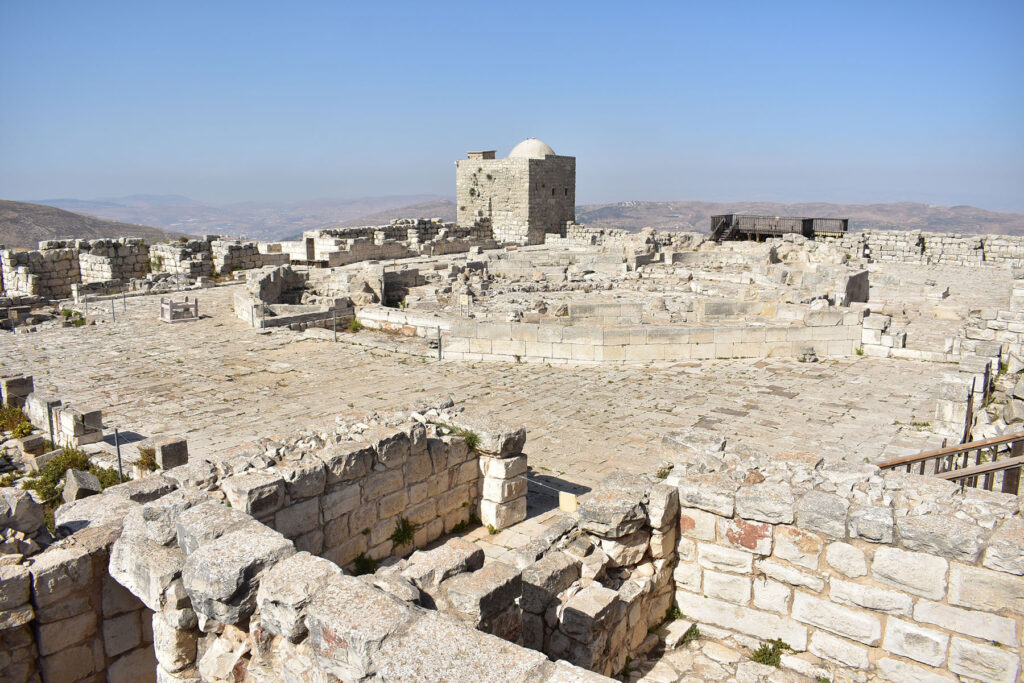
Forgotten offers a profound meditation on the Palestinian landscape, on loss, neglect and the ravages of time.

After many years of being tormented, a man finally seeks revenge against past aggressors who have long since vanished. Or have they?
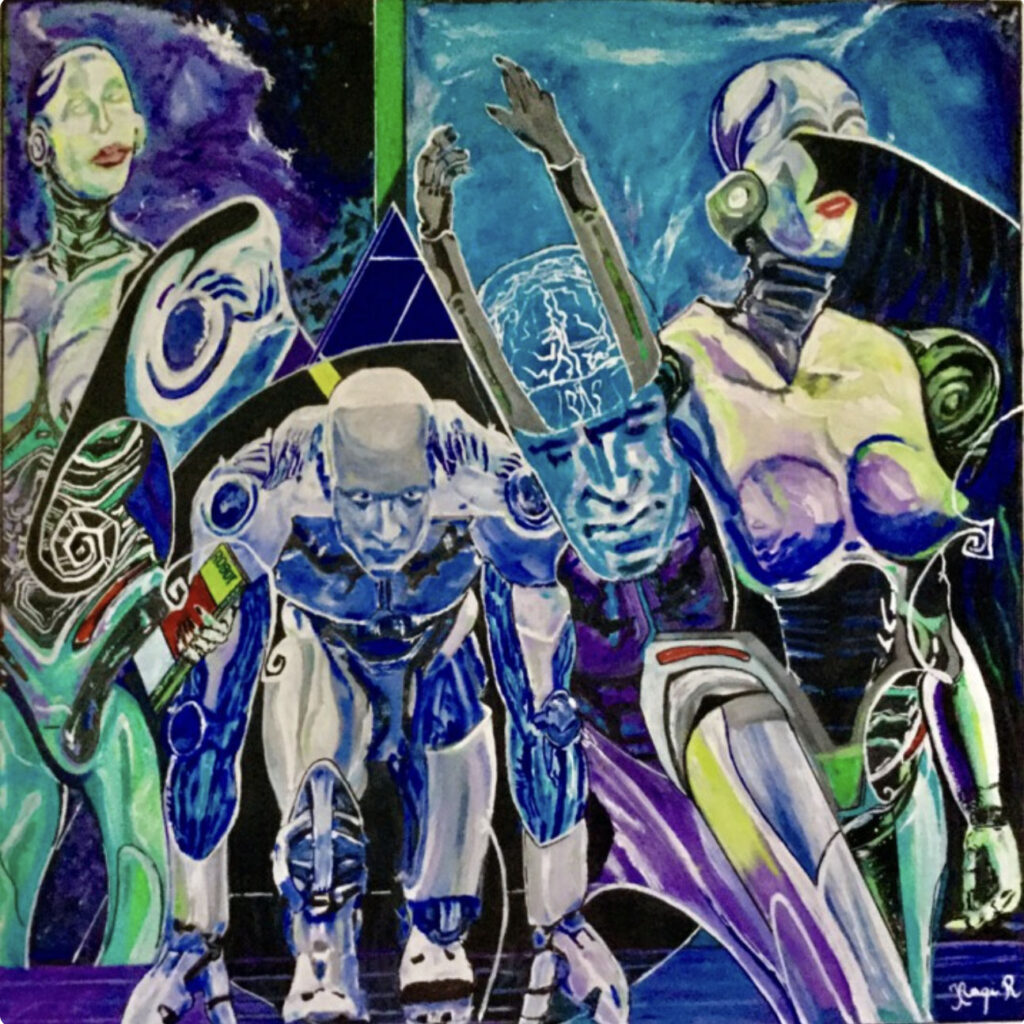
What happens when a human-robot relationship forms? In near-future Dubai, an accident in a skyscraper holds the key to this question.
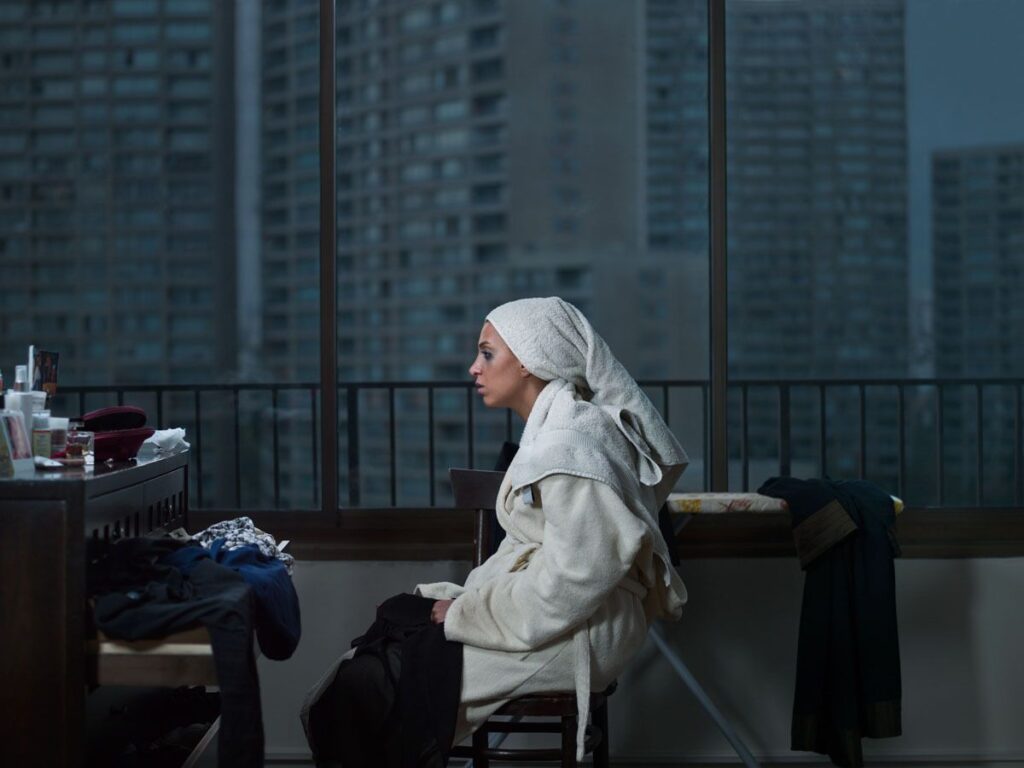
Two women on the mend in the hospital, one a wife and mother, the other pining for a lover, both dream of a better life.
A tale set in the near-future exploring the world of banned books, repressed imaginations, dreams, and desires.
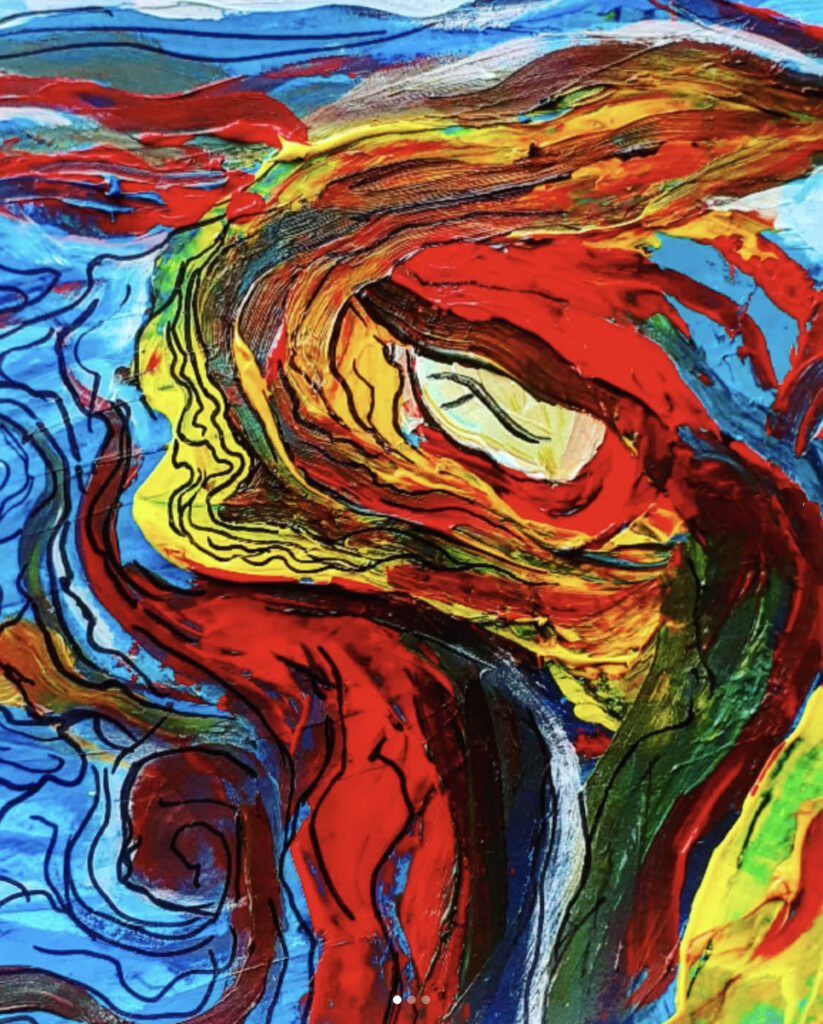
In Paranda, everyday activities like reading symbolize protest and resistance in homes, alleyways, and gatherings.
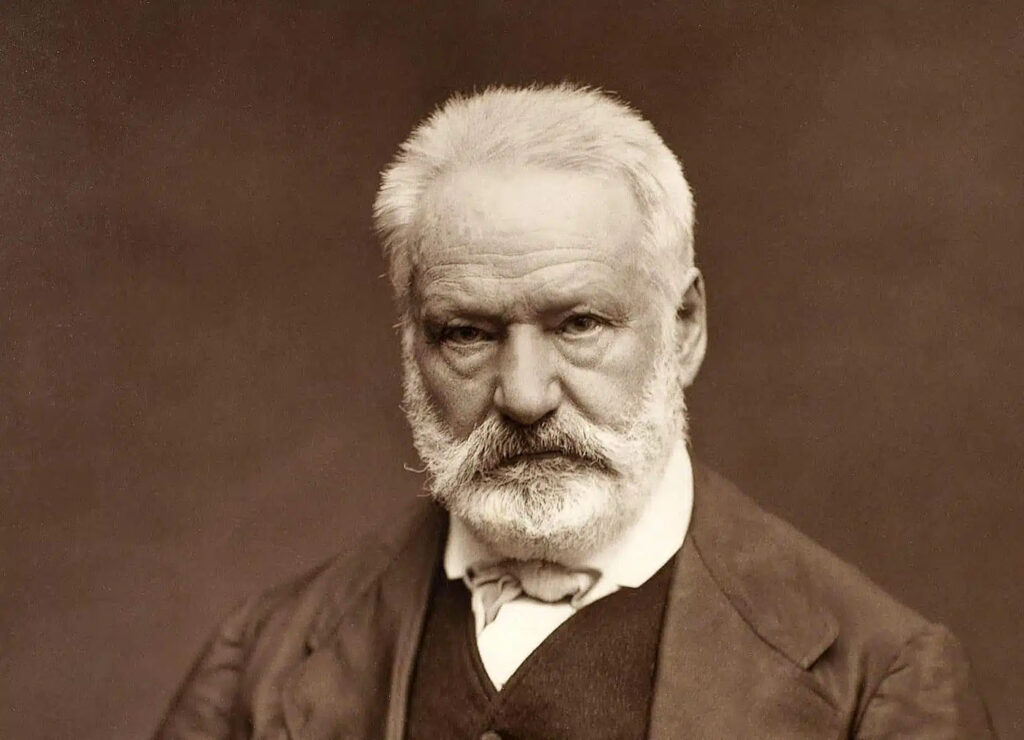
Victor Hugo’s way still guides those building bridges across languages, faiths, and histories in a time of fear.
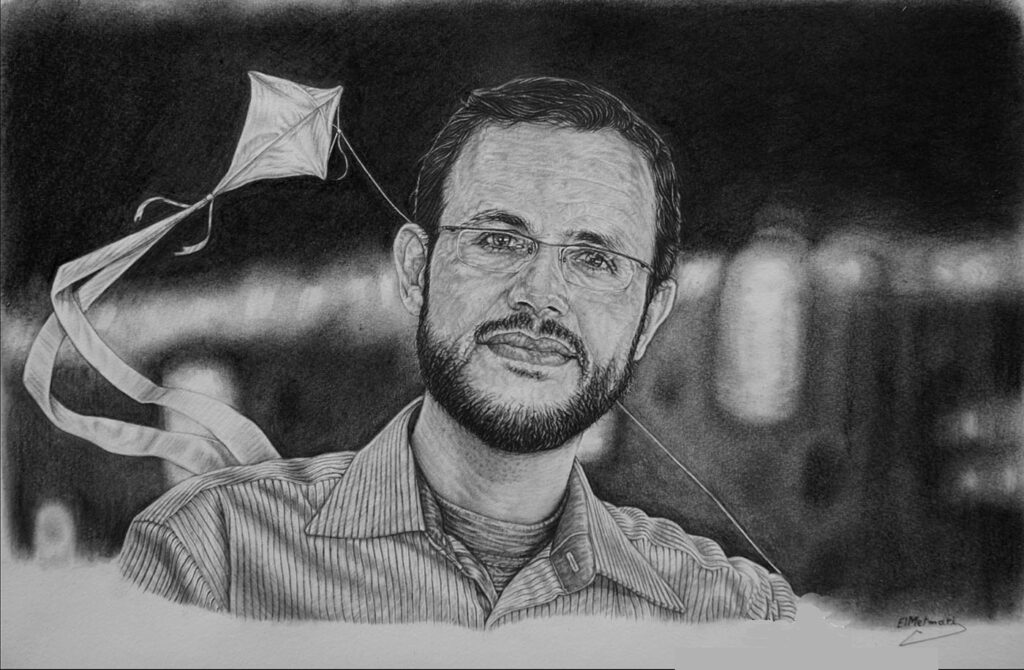
Palestinian Refaat Al-Areer was not just an academic. He was a living metaphor for Gaza’s steadfastness, writes his student Taqwa Al-Wawi.
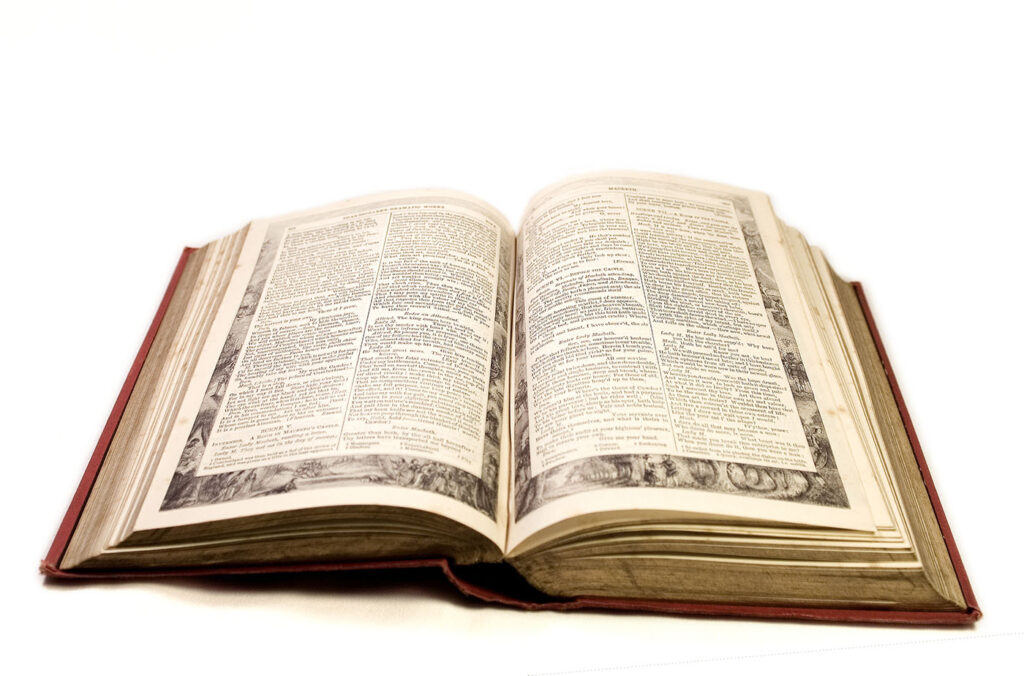
We’re not quite at “Fahrenheit 451” where books in pyres are burned in public, but our freedom to read faces significant threats.