



Why Wouldn’t We Go Mad? Sudan’s War, Displacement, Illusions
A former volunteer in Khartoum questions if “madness” is an illness or a rational response in a trauma-ridden country.
A former volunteer in Khartoum questions if “madness” is an illness or a rational response in a trauma-ridden country.

A Christian woman in solitary confinement in a Pakistani prison is recognized as a voice of reason, even though others view her as mad.
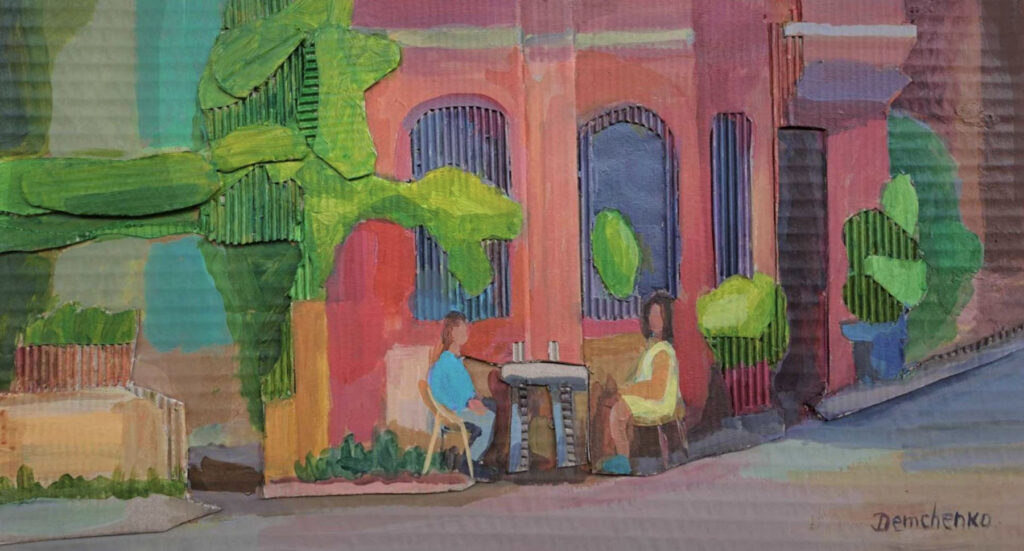
A drink at a pub, a conversation about psychoanalysis, madness, despair and pain—an encounter.
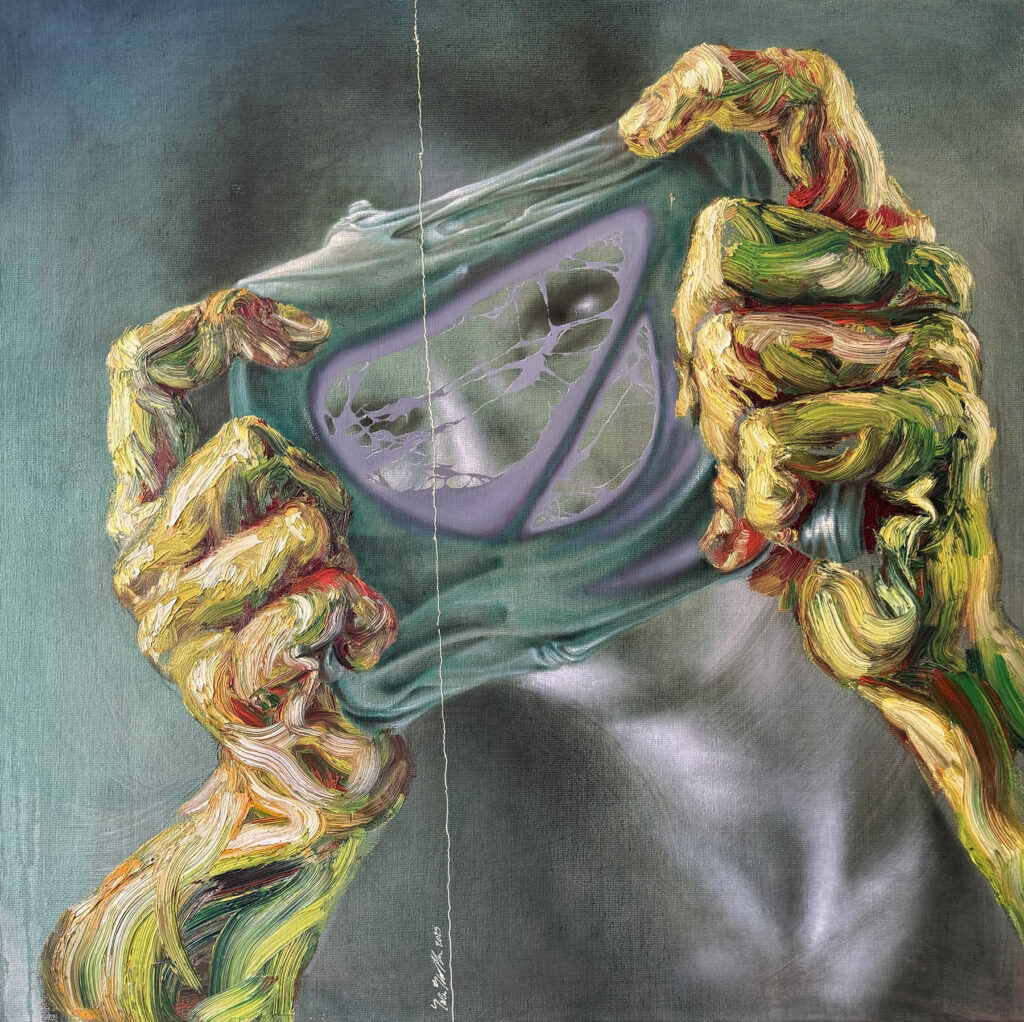
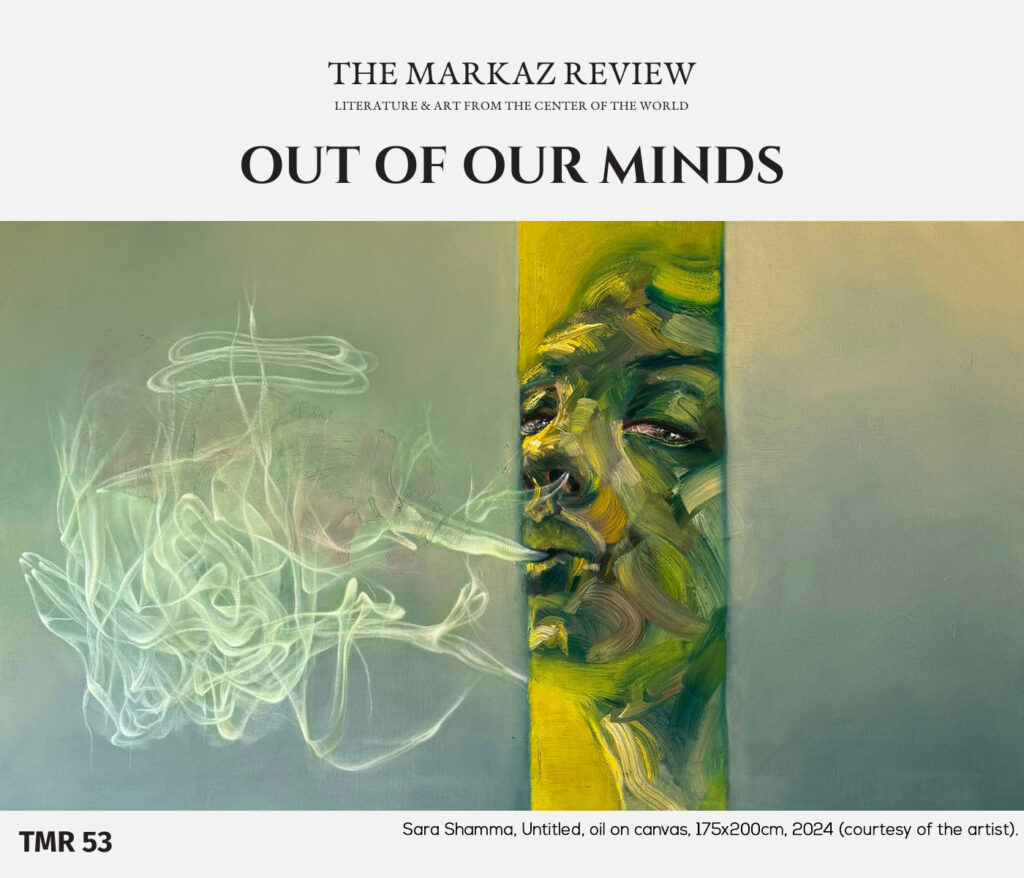
After living in London and Beirut, Sara Shamma returned to Damascus, where her hyperrealistic paintings reflect the chaos of today’s world.
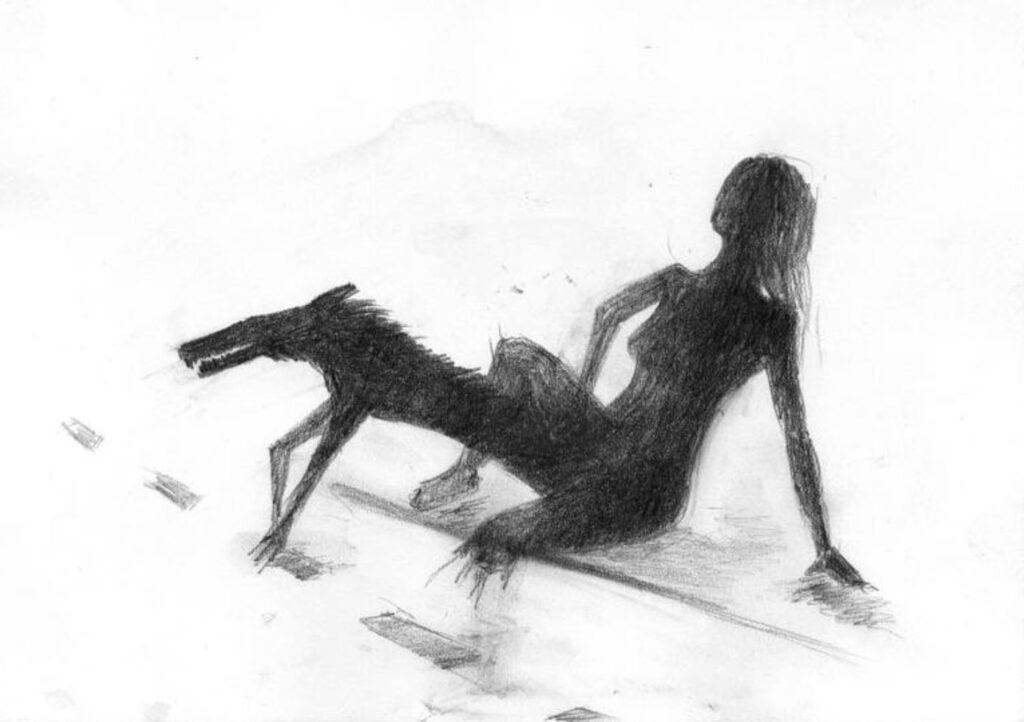
An exploration of our connections with animal symbols delves into how they intertwine with themes of fear, survival, the body, and language.
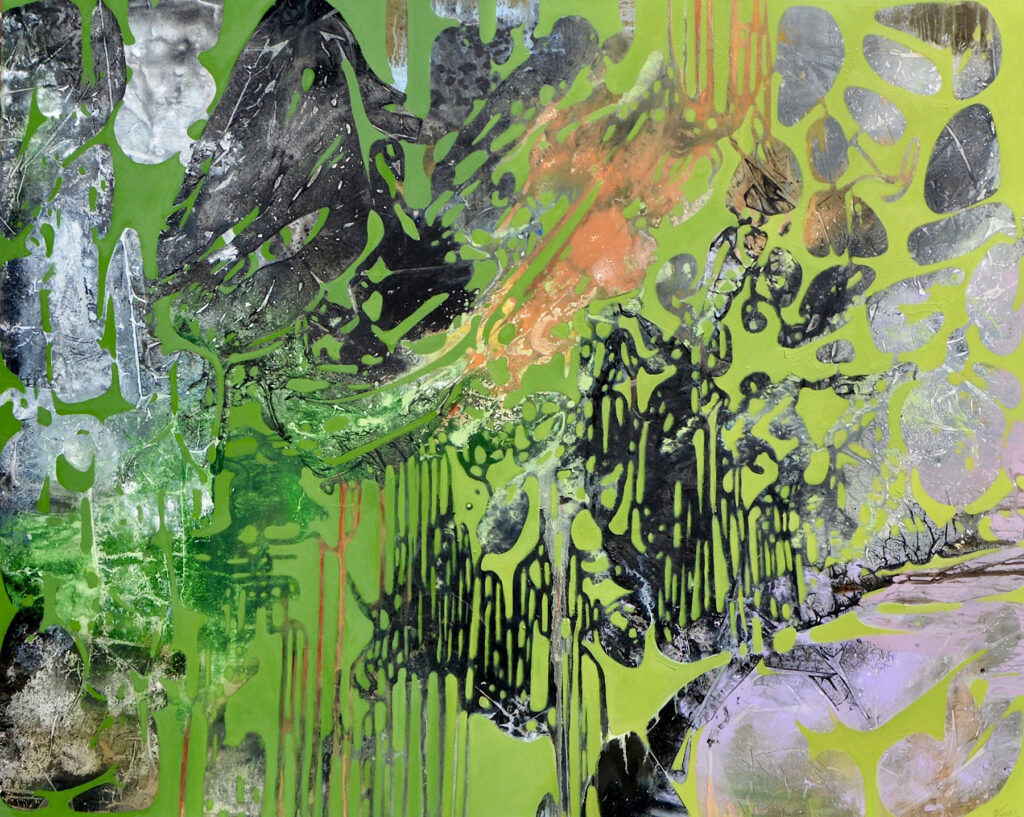
Inspired by a famous Libyan folktale, “Azouz il-Gayla,” the tale intends to discipline children to keep them from playing outside during nap time.
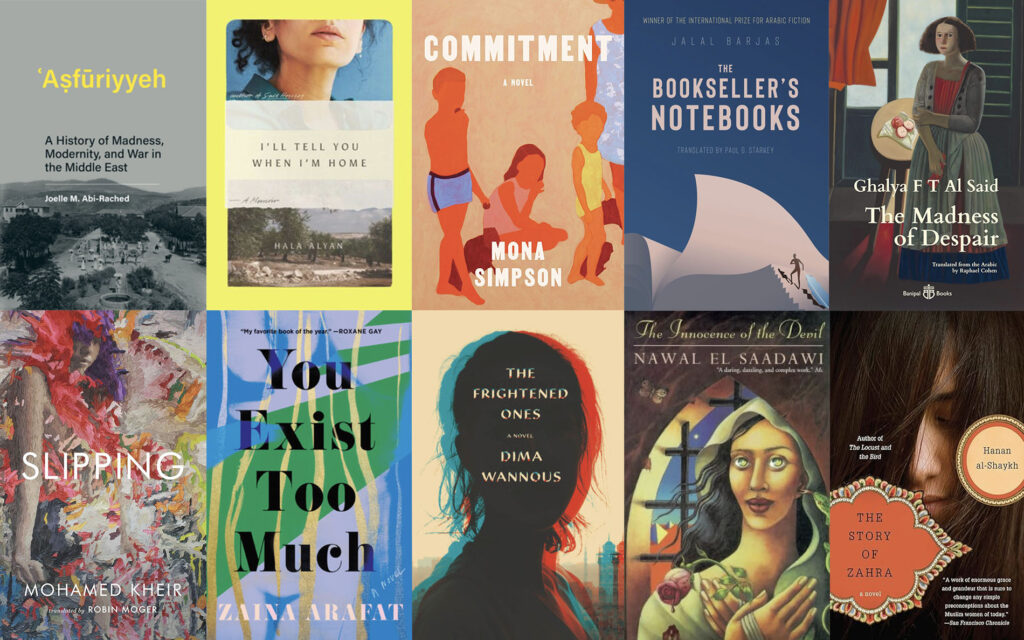
A curated collection of fiction and non-fiction exploring the ways political and social unrest impacts mental health in the Middle East.
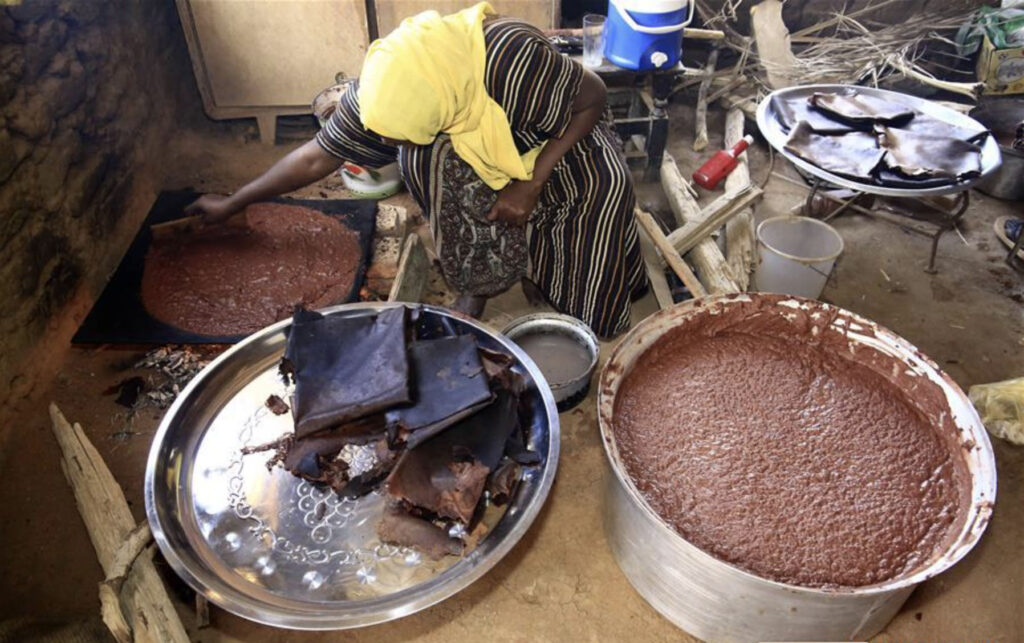
Fourteen million people have been displaced from Sudan due to the war, finding joy in life between the Hilo and the Murr.

Iranian doctors, psychotherapists, and exiled human rights advocates are exploring new talk therapy methods to combat despair amid authoritarianism.
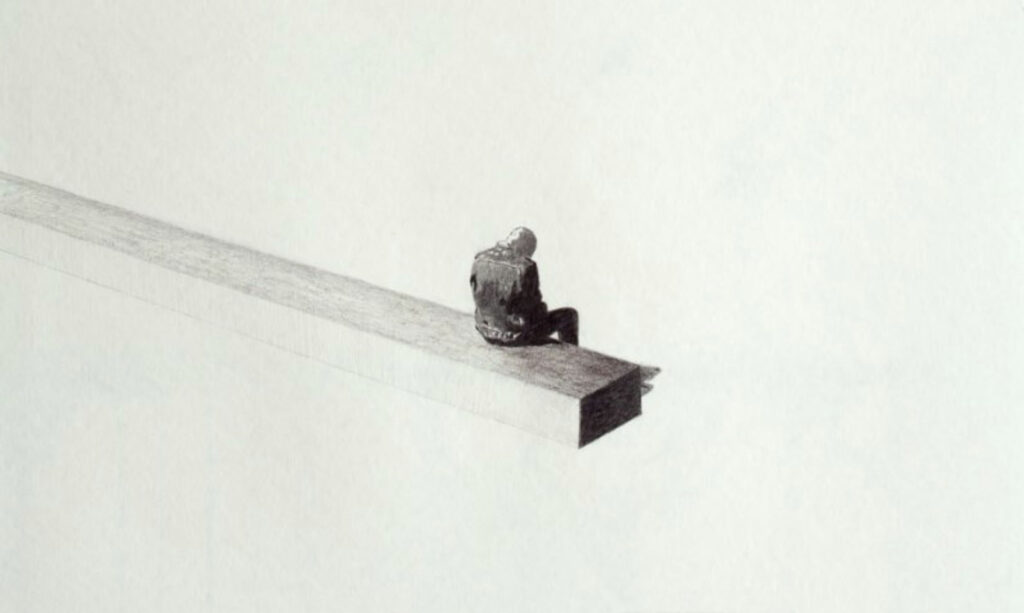
Mohammad Rabie conducts a poignant self-examination, reflecting on a lifetime of fear.
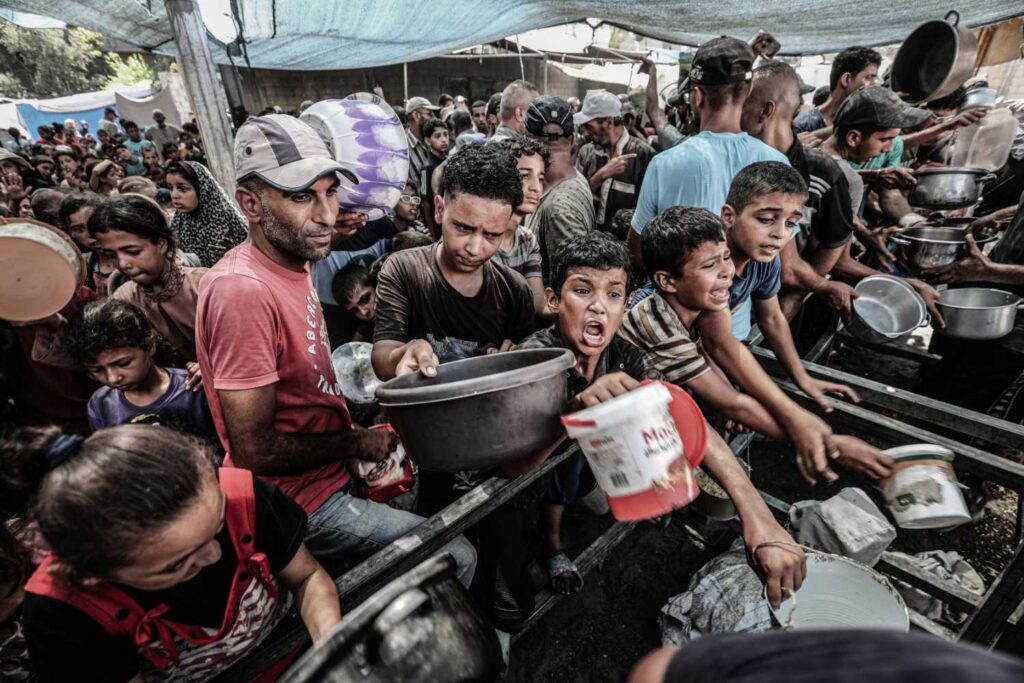
Lina Mounzer interviews UN Special Rapporteur Michael Fakhri on Gaza, food and famine.
Our senior editor in Beirut, Lina Mounzer, relates intimately to the theme of TMR 53, having experienced civil war in Beirut.