Iason Athanasiadis
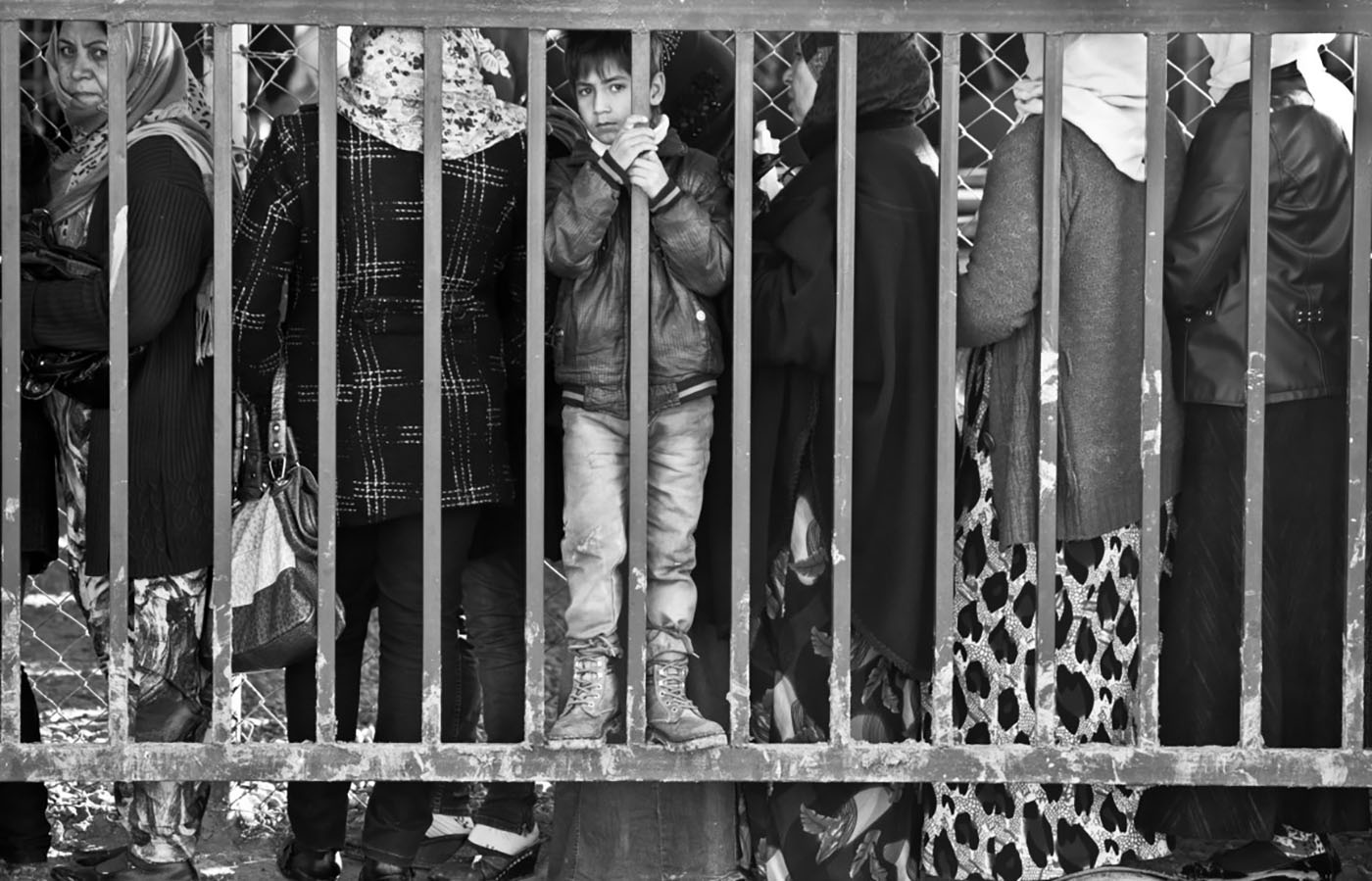
What must the world look like for children fleeing war, famine, political persecution, instability, only to live precariously?
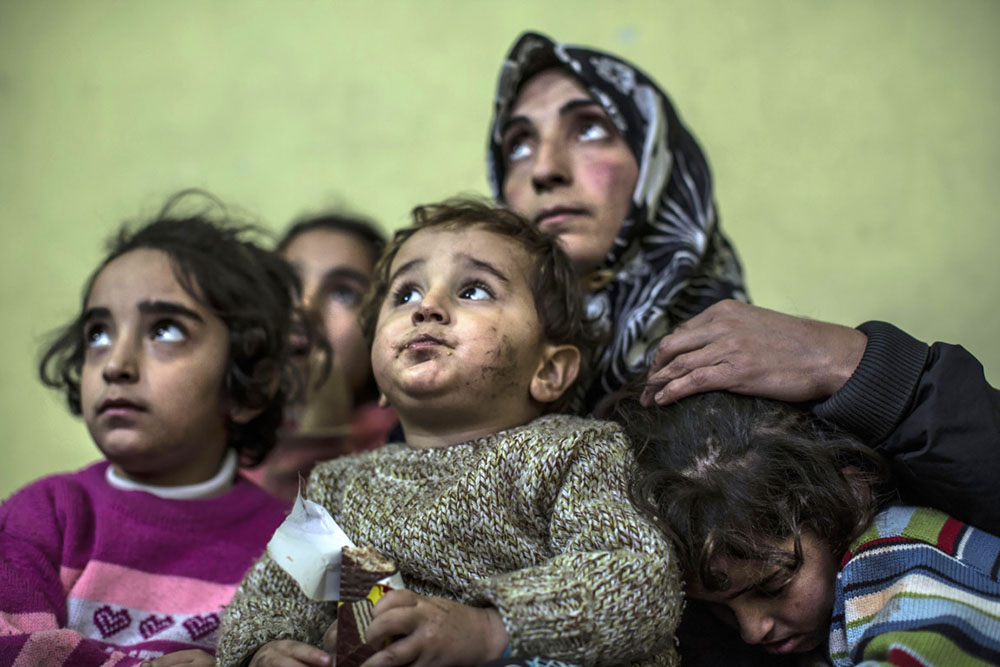
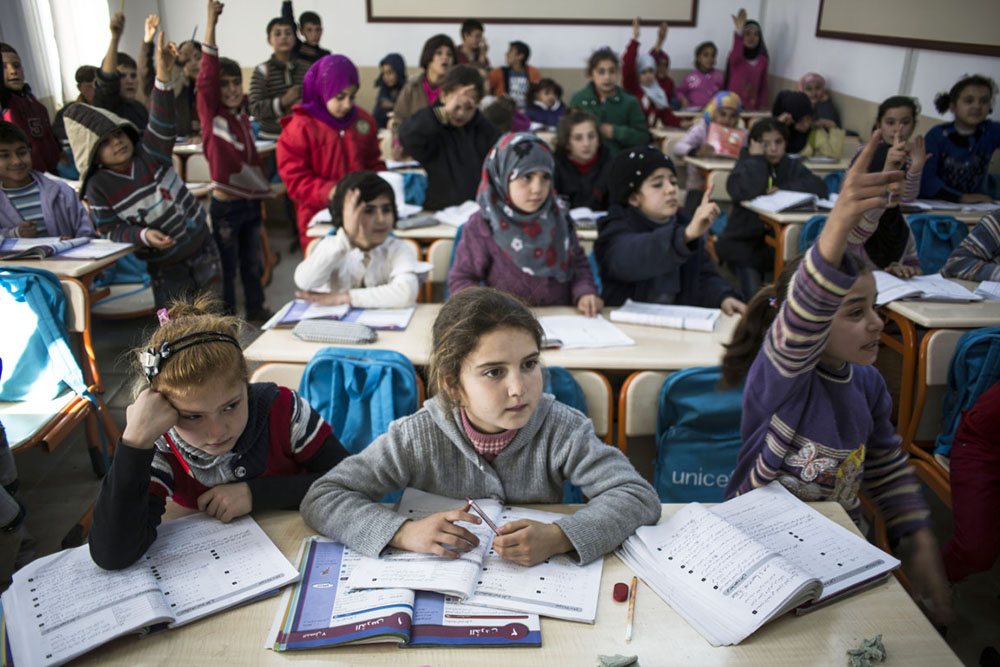
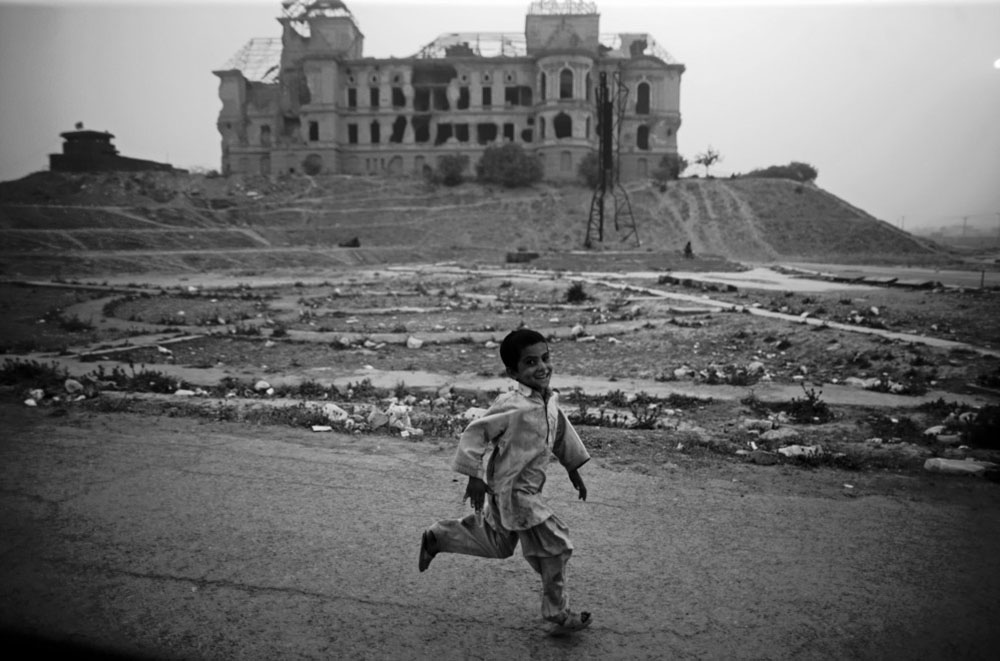
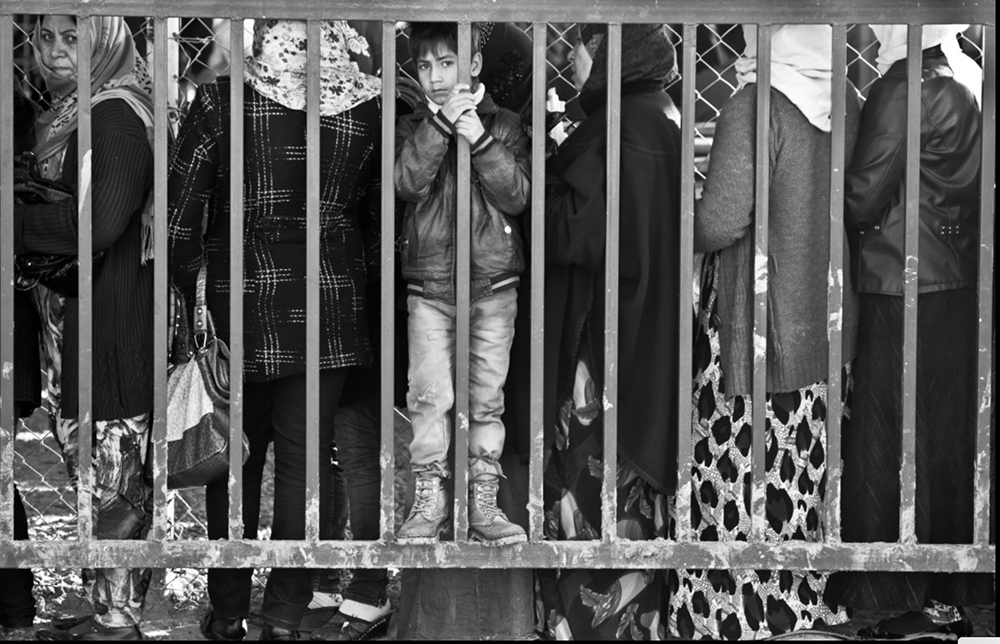
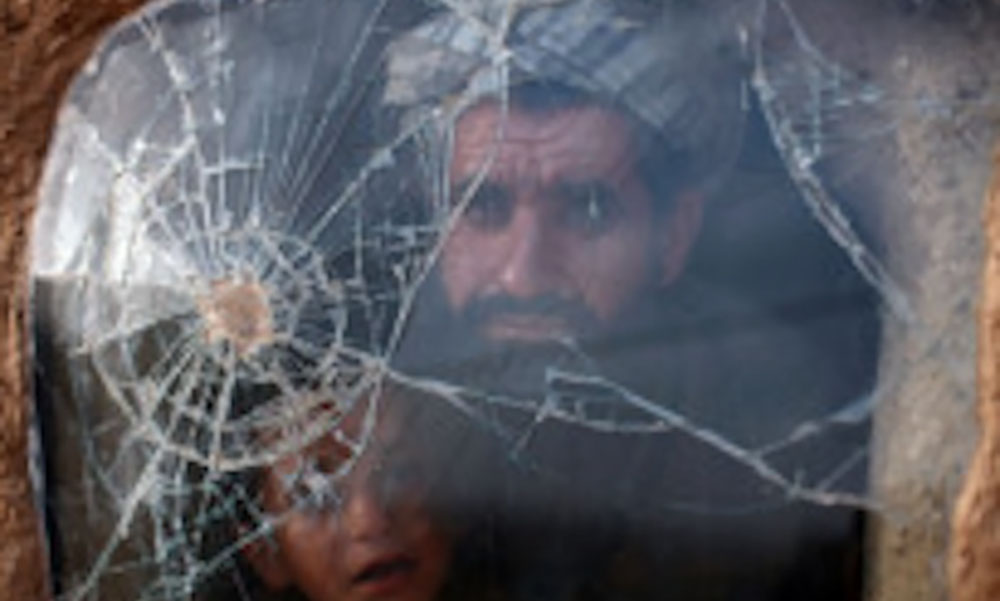
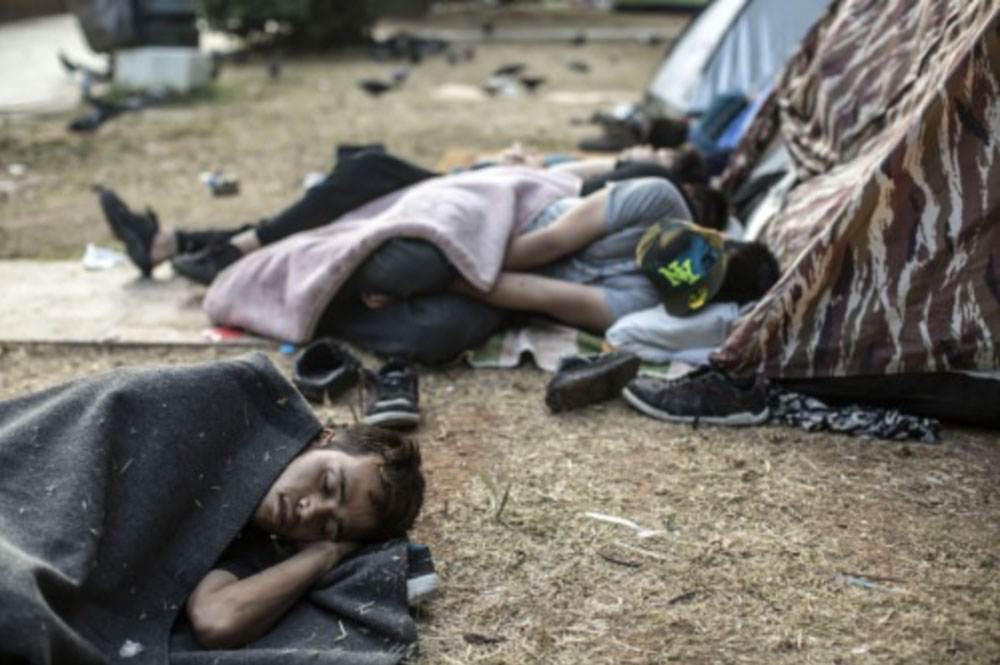
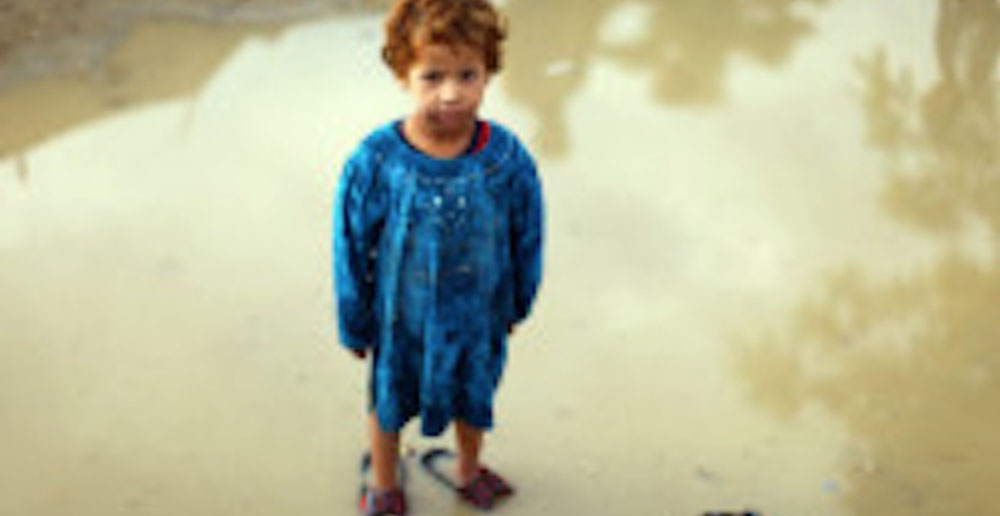
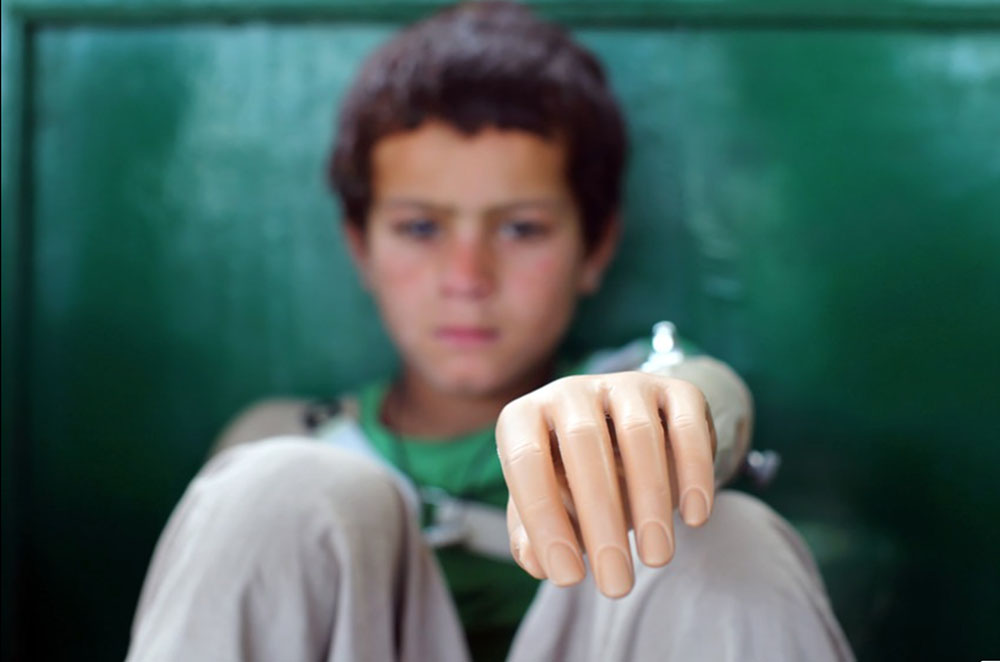
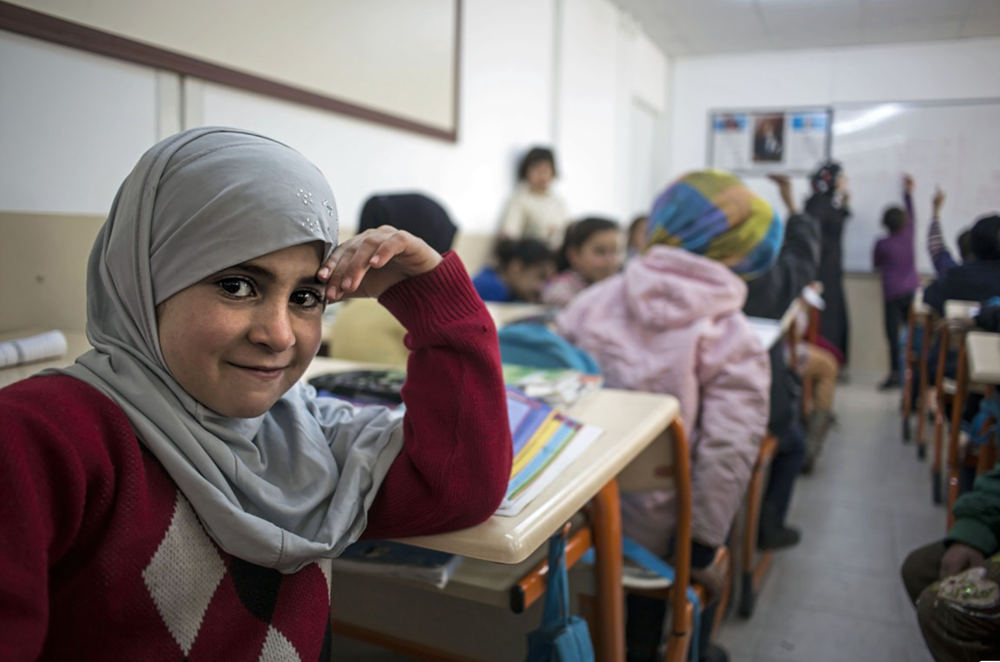
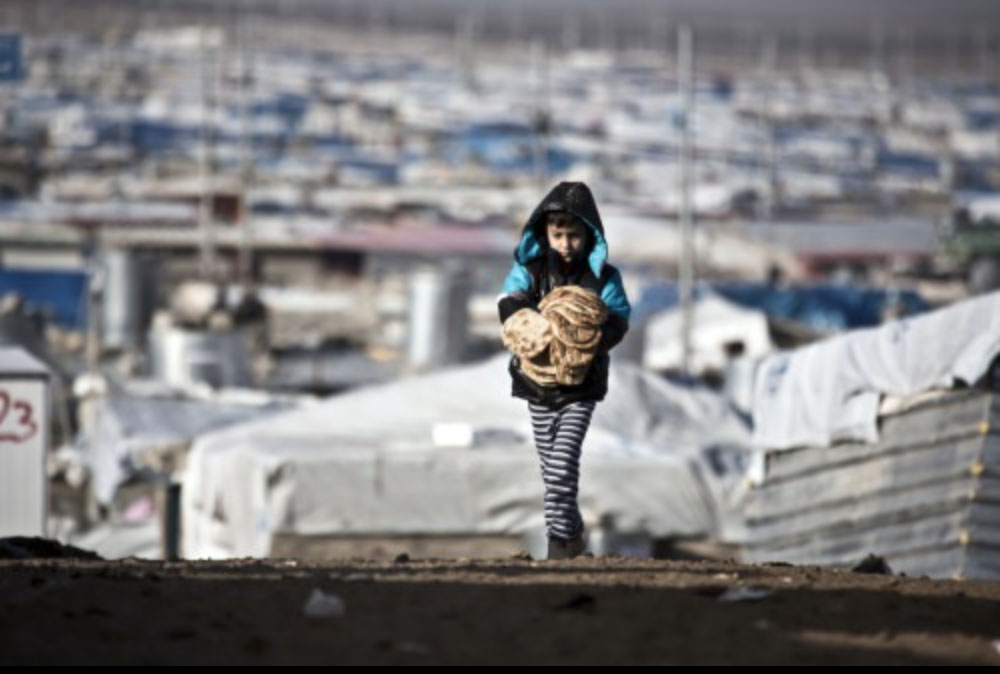
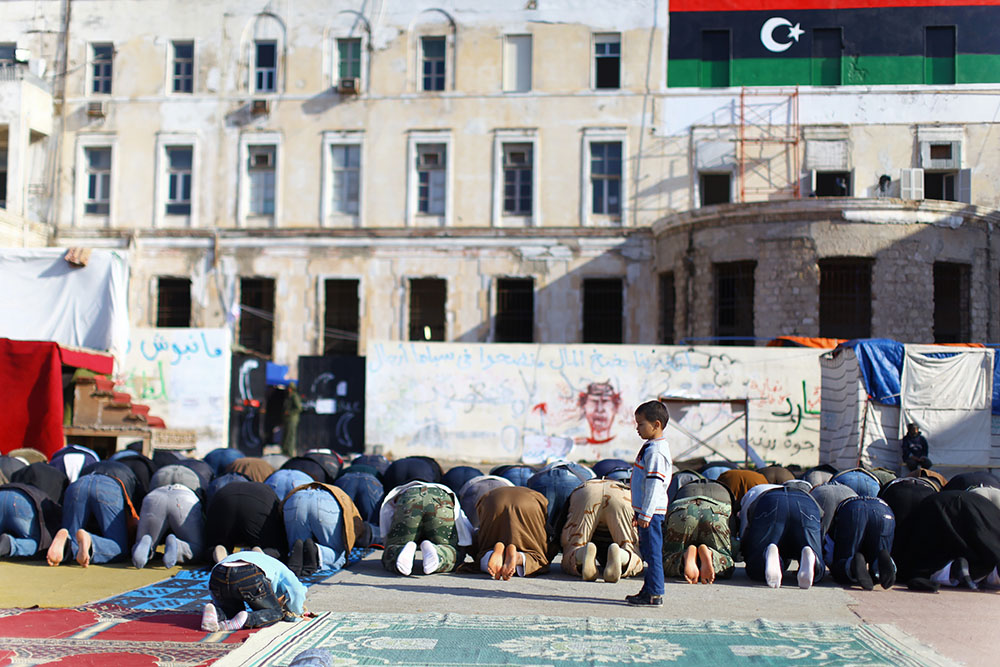
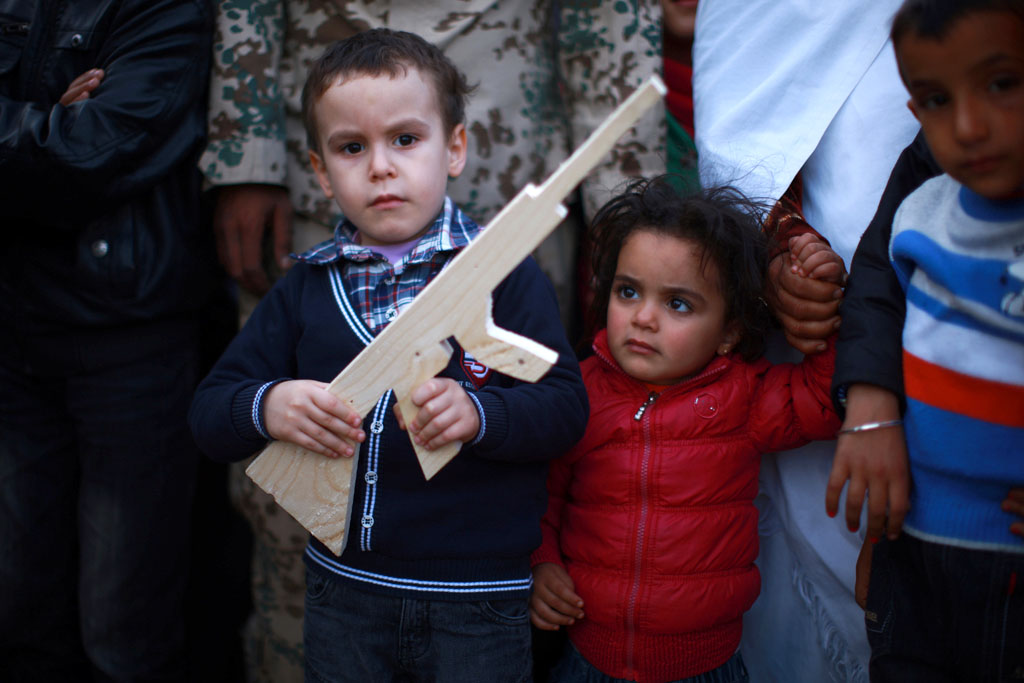
A couple of things happen when children come into contact with traumatic events such as war and uprooting: unforgettable, life-defining experiences, and an acceleration in maturity which we sometimes describe as “losing one’s innocence.”
Children inherit the consequences of their elders’ mistakes. They are often unprepared receptacles for the same oppressive societal trickle-down that socially and psychologically formed their parents.
From 2011 onwards, as I worked on journalistic, documentary and UN assignments in Afghanistan and countries affected by the Arab Spring, I encountered crowds of children — accompanied and not — subjected to terrible pressures: laboring in informal workshops; begging or selling drugs in order to support their families; and sleeping rough in the snowy streets of Istanbul or in Athenian parks and squares frequented by sexual predators.
Everywhere I went, older people said that the wars and refugee living had created a vast cultural gap that made their children uncontrollable. This turned into a chasm when they settled down to new lives in countries and cultures that were very different to the Syrias and Afghanistans they left behind.
The banal thing about watching children suffer dreadful conditions is that they show little outrage. They appear accustomed to their new reality. Worse, in cases of extended displacement, they may even have lost the ability to compare with a once-upon-a-time normality, as their previous lives were interrupted when they were still too young, or they were born during the dislocated years.
Watching kids emerge from leaky basements in provincial Turkish or Jordanian towns to grapple with a harsh and school-less reality, I often experienced a sense of mute injustice. They had been deposited there through no choice of their own. But I also admired their toughness and scrabbly adaptability: pragmatic, primed for survival, and extremely multilingual. I’ll never forget the Somali 12-year-old in a Greek refugee camp who scrolled through near-fluent English, Greek, Turkish, Arabic and Farsi during a five-minute discussion. For all the present hardship, it was also clear that the experiences would craft impressive adults.