





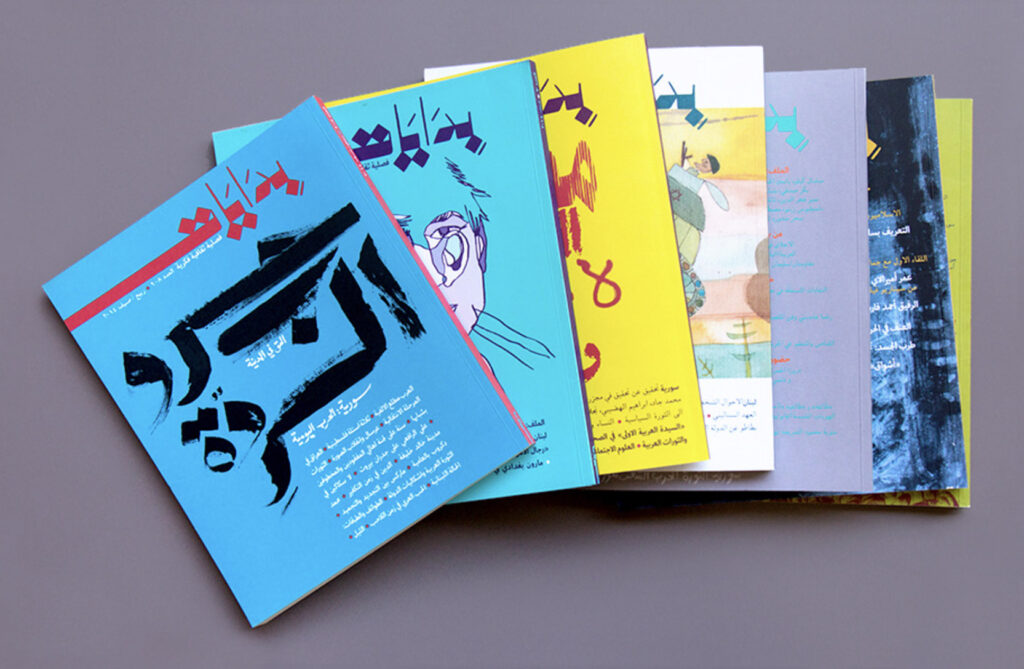
Three Artists, Five Writers on Mother Tongues
TMR asked a group of writers and artists how they negotiate identity between a mother tongue and other languages.
TMR asked a group of writers and artists how they negotiate identity between a mother tongue and other languages.

A reflection on how multiple languages in a family become a perfect conduit for grief and acceptance.
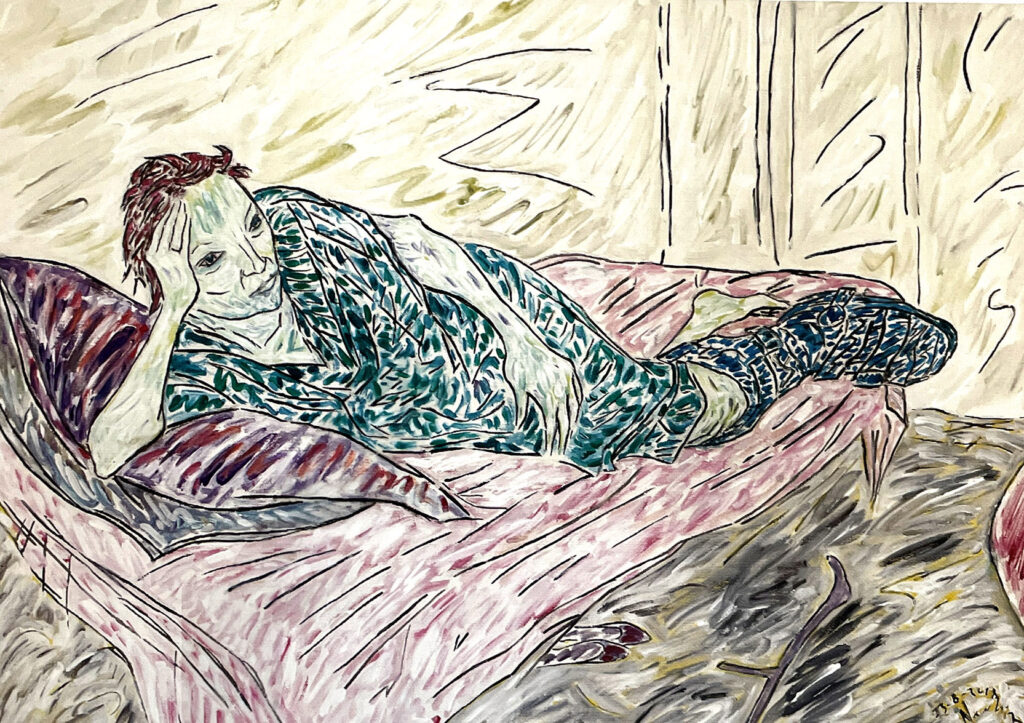
A writer questions whether physical ailments — numbness, stuttering, uncontrollable trembling — may in fact stem from a cultural silencing, in this case of Turkish identity and belonging.
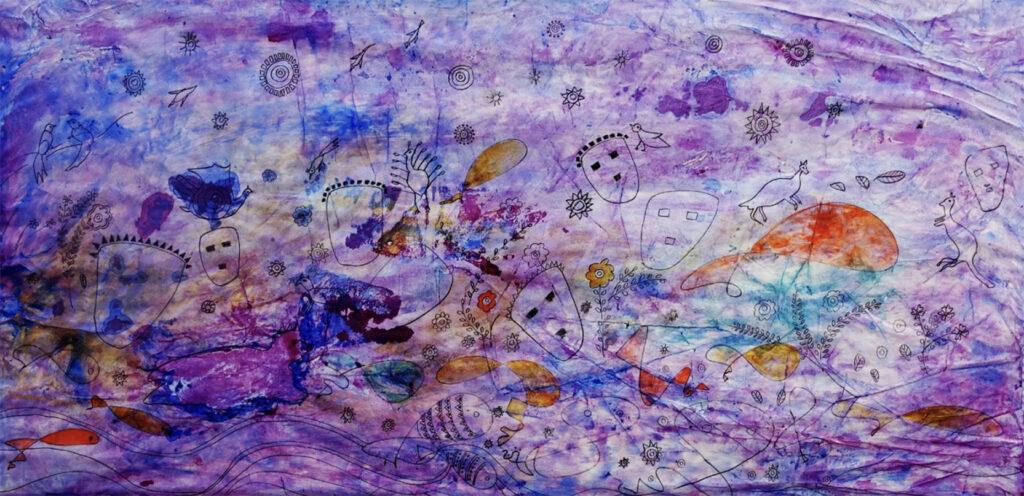
In the wake of Gaza genocide, a Palestinian American loses her words — until she finds her way back to language in another tongue.
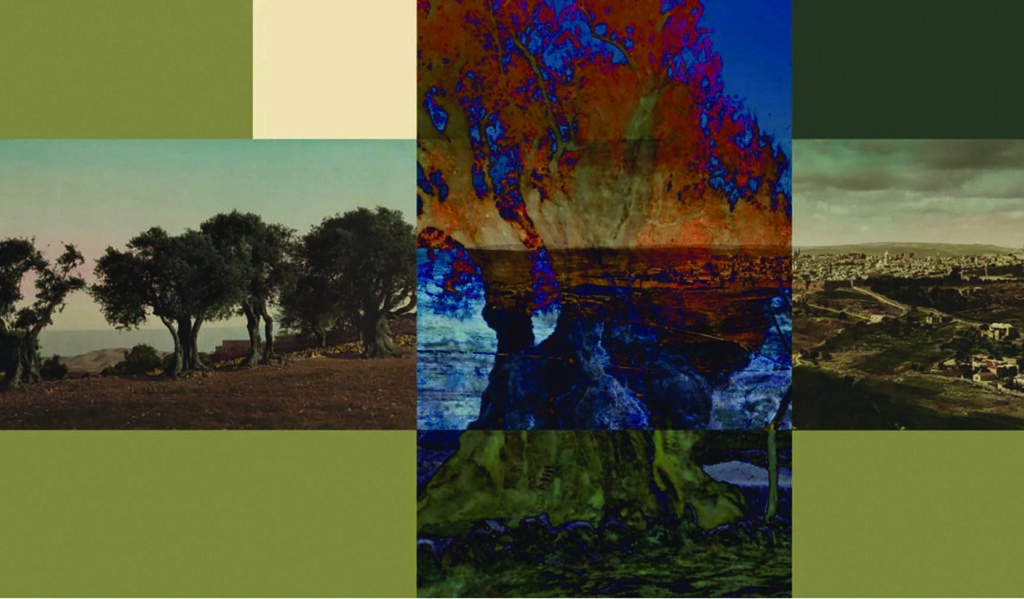
A writer traces the circuitous journey of a mother tongue, English and not Arabic.
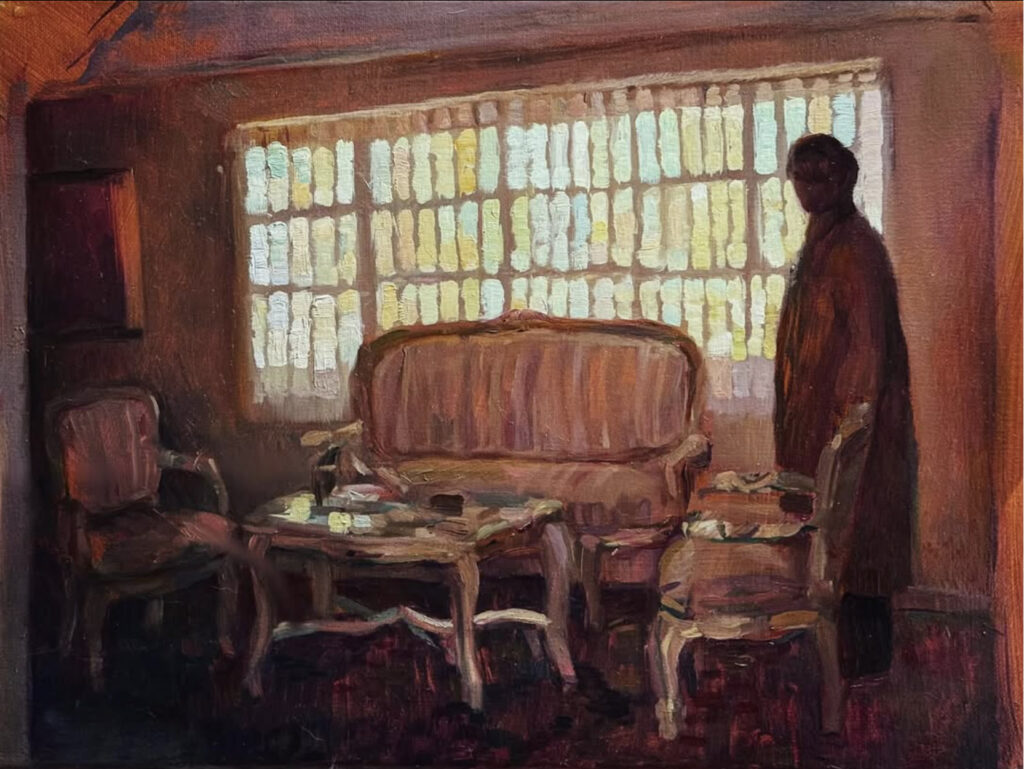
Two poems explore the contradictions within language and how they influence and reshape our perception of the world.
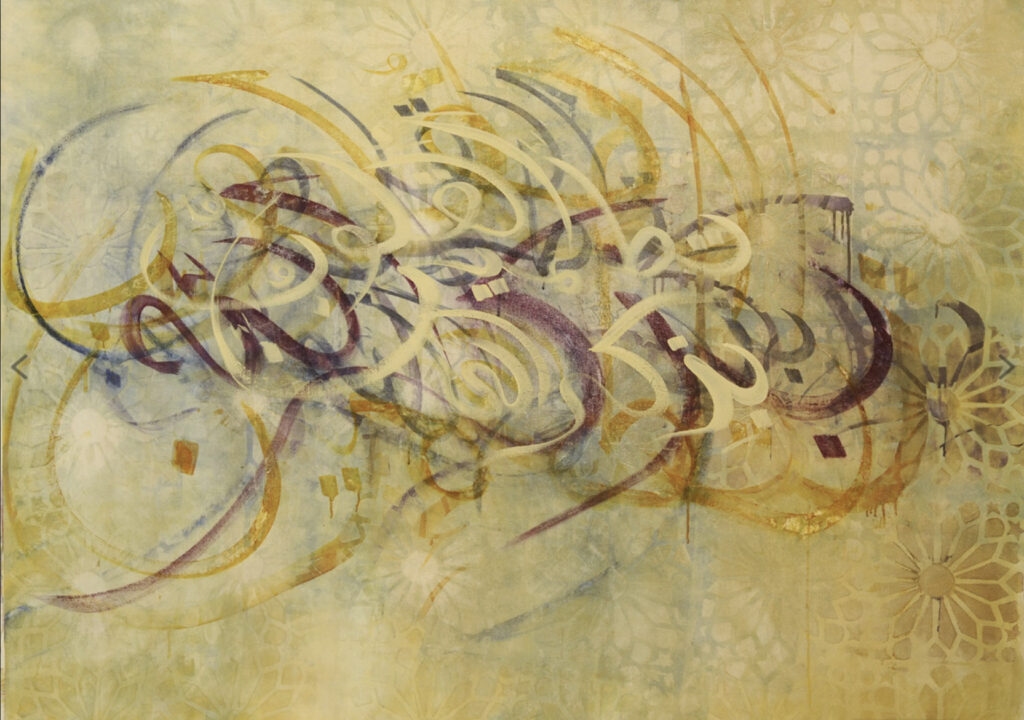
A poet of Pakistani heritage raised around Arabic and English longs for deeper expression of her mother’s tongue.
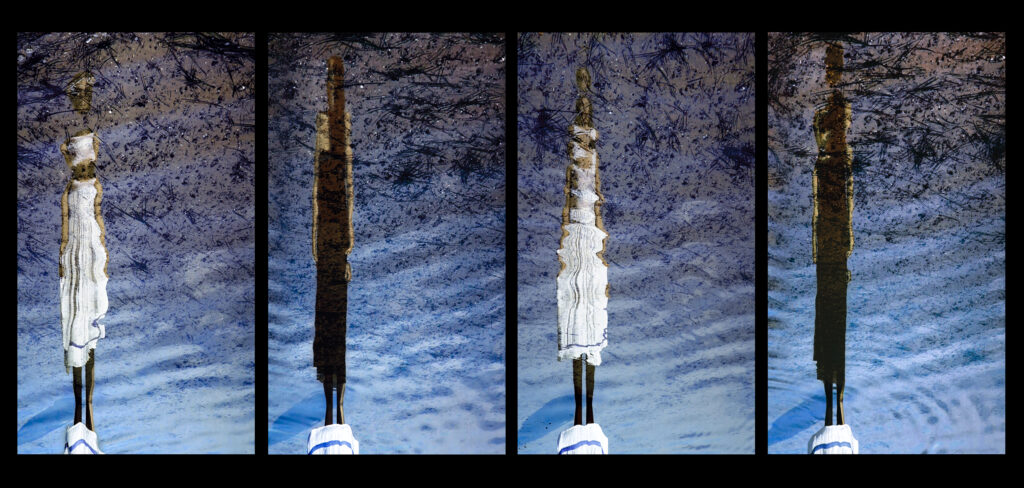
A collective poem offers counter-narratives to dismantle the disaster narrative mapped onto Afghan lives.
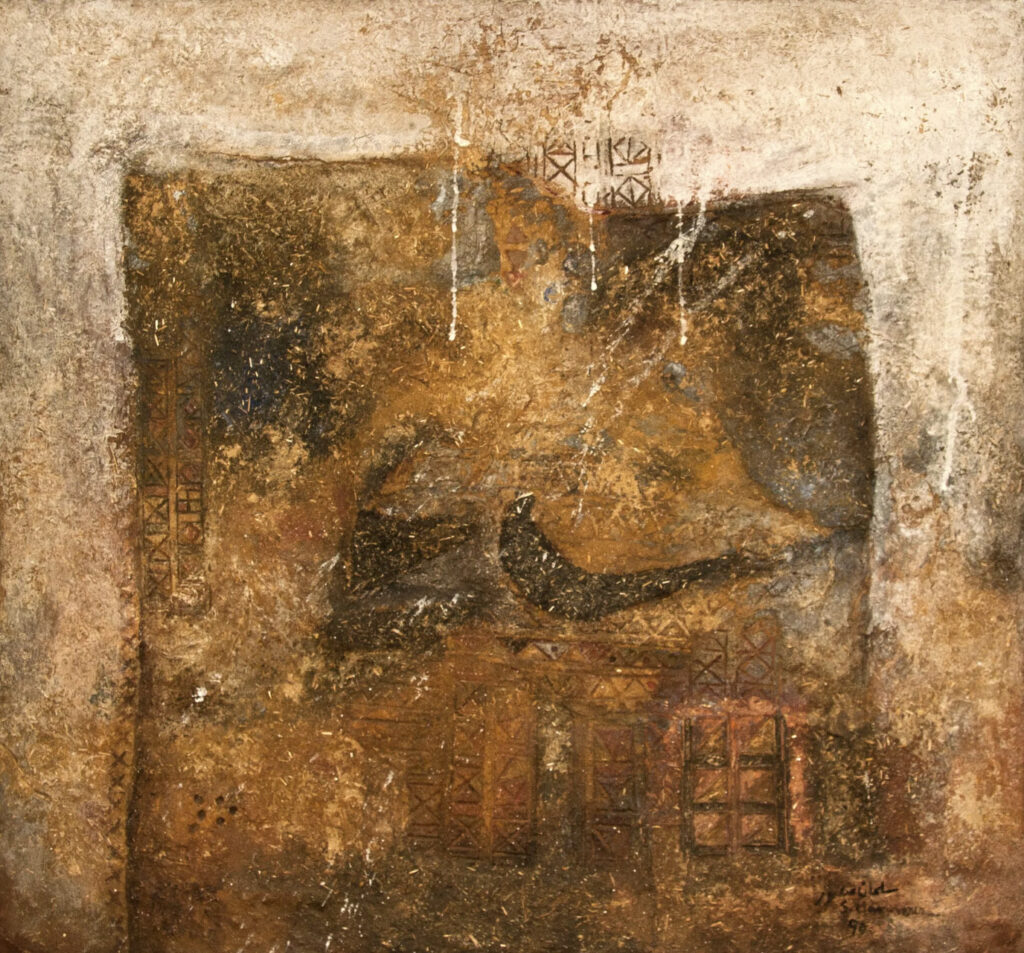
Palestinian writer Majd Aburrub dissects the exquisite loneliness of losing one’s mother tongue.

A simple debate over a spoon opens a space in which a group of Syrian migrants reclaim an identity on the brink of erasure.
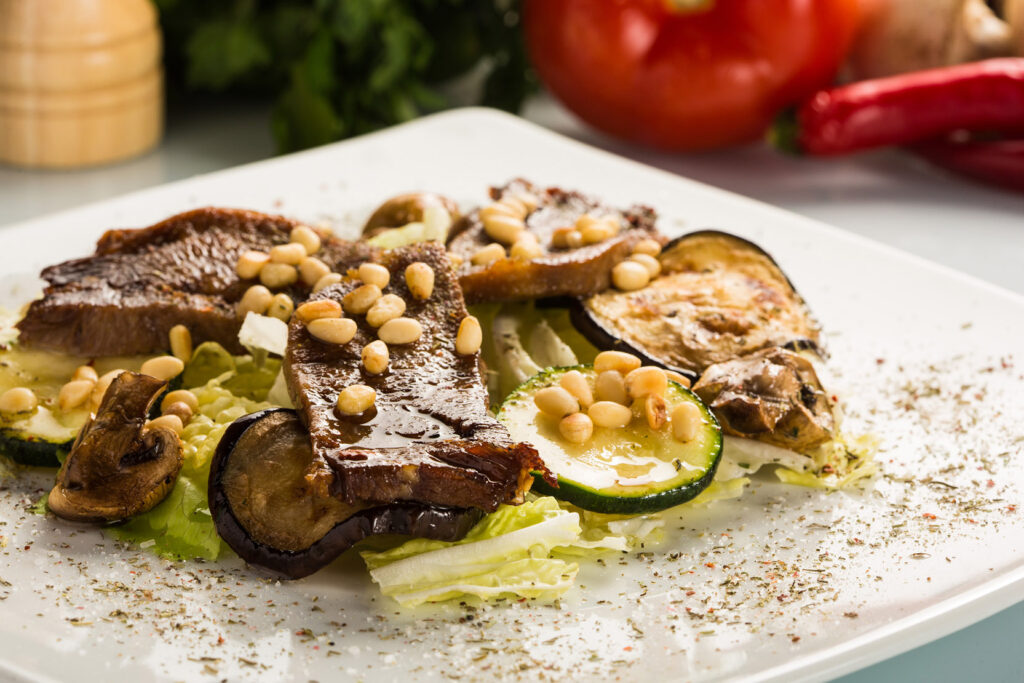
Acclaimed chef Anissa Helou reflects on the delights of eating tongue, and shares a few of her recipes for the ideal ways to enjoy it.
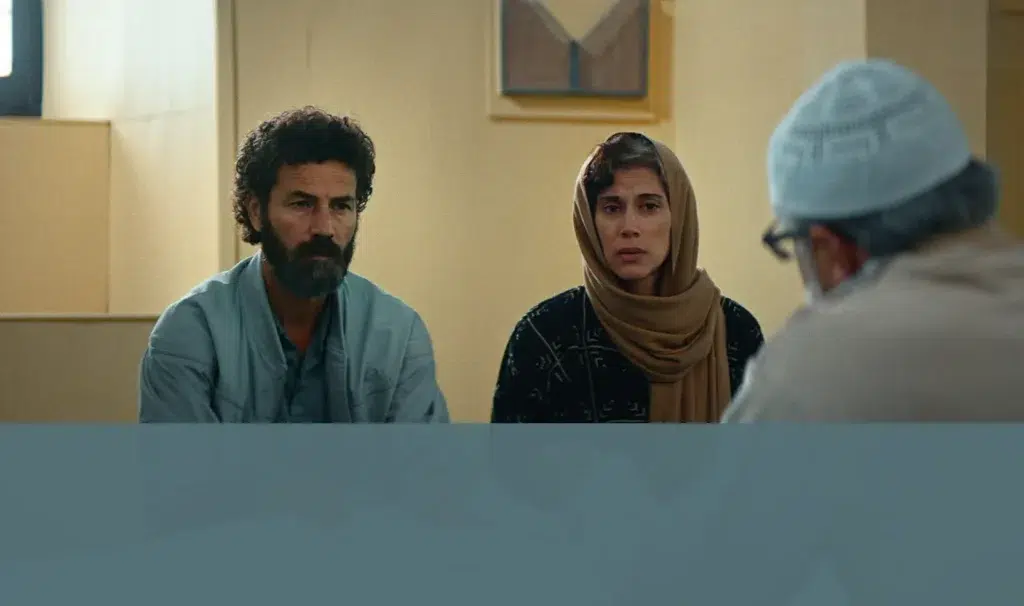
A new Palestinian drama set in 1948, 1978, 1988, and 2022 sets aside Zionist myths and recognizes historical injustices.