





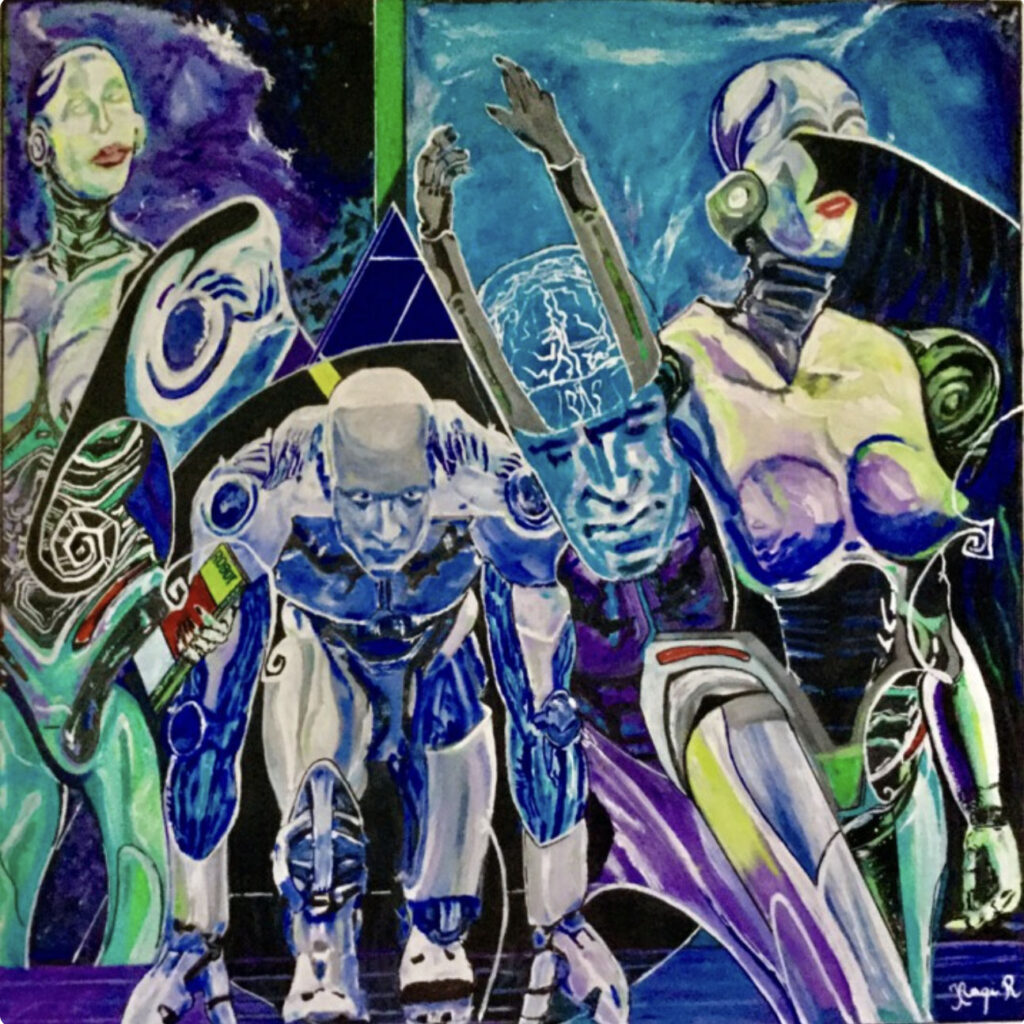
“My Choices Are My Downfall”—a short story by Fadi Zaghmout
What happens when a human-robot relationship forms? In near-future Dubai, an accident in a skyscraper holds the key to this question.
What happens when a human-robot relationship forms? In near-future Dubai, an accident in a skyscraper holds the key to this question.
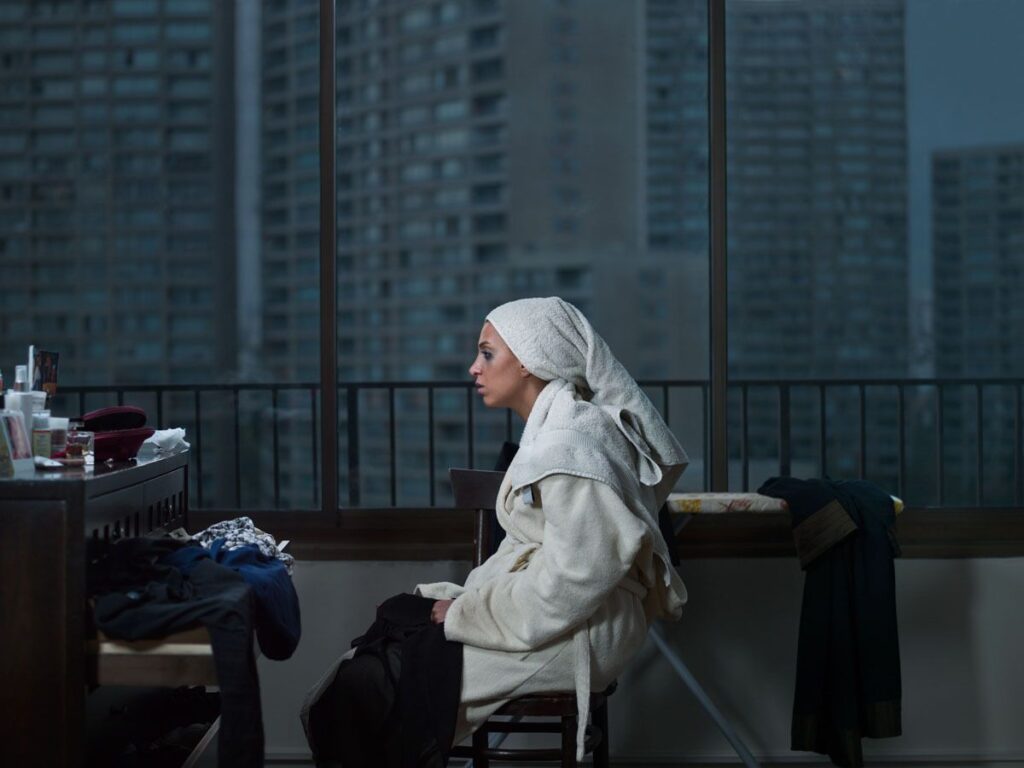
Two women on the mend in the hospital, one a wife and mother, the other pining for a lover, both dream of a better life.
A tale set in the near-future exploring the world of banned books, repressed imaginations, dreams, and desires.
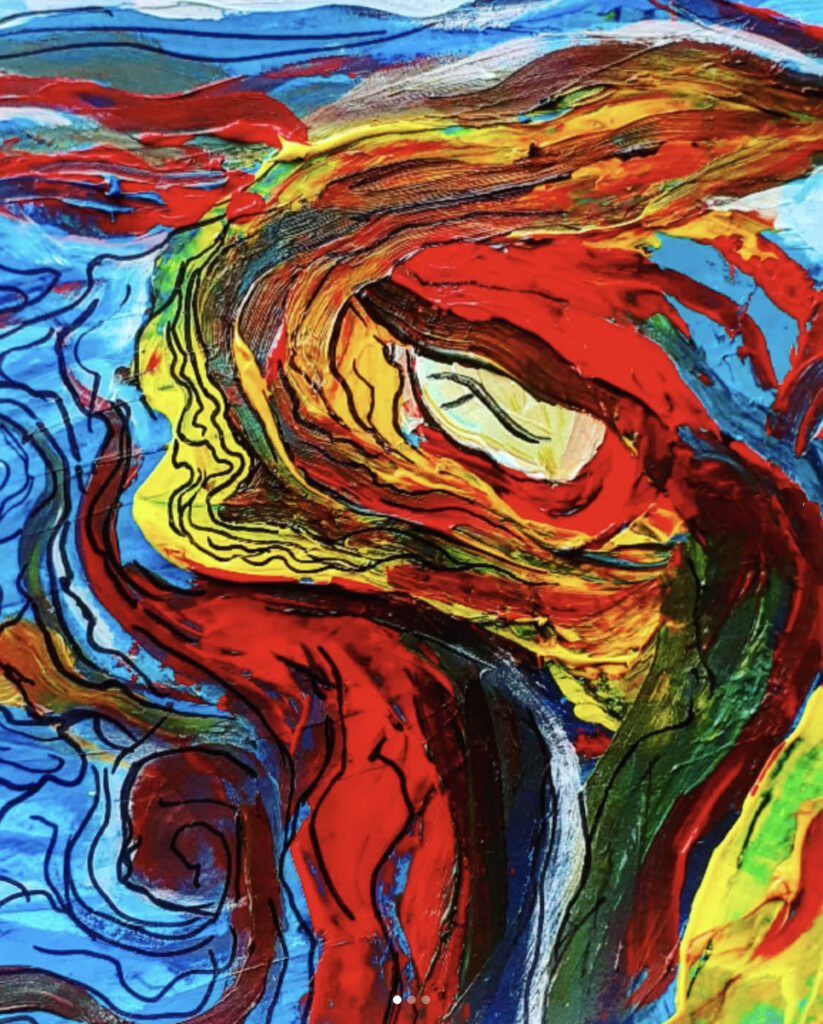
In Paranda, everyday activities like reading symbolize protest and resistance in homes, alleyways, and gatherings.
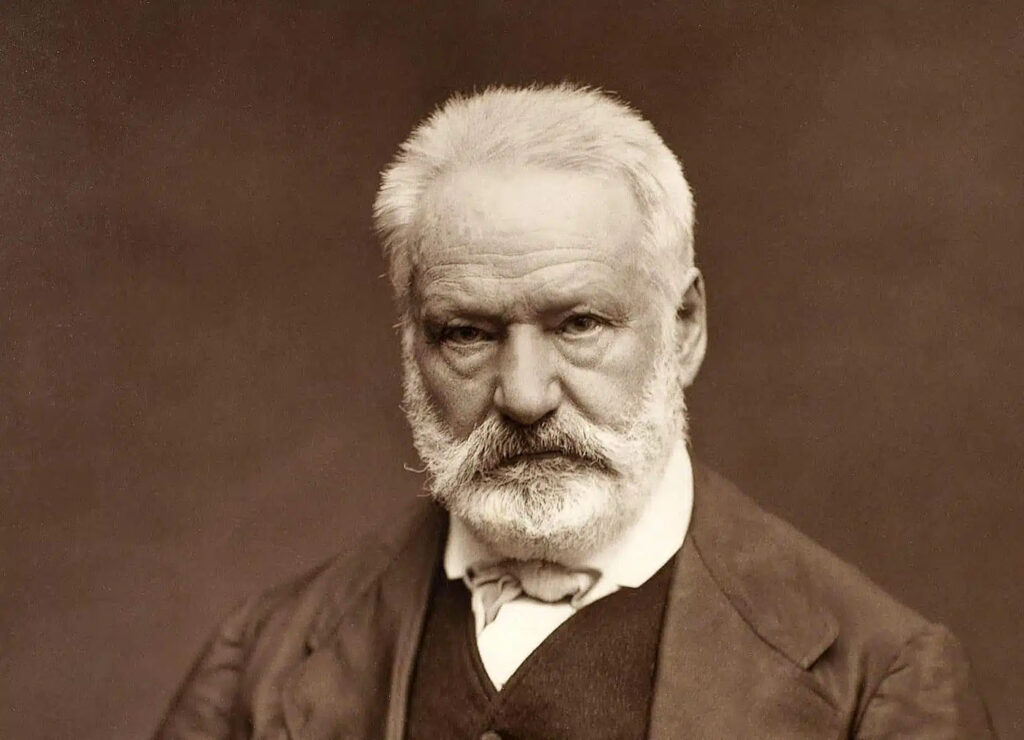
Victor Hugo’s way still guides those building bridges across languages, faiths, and histories in a time of fear.
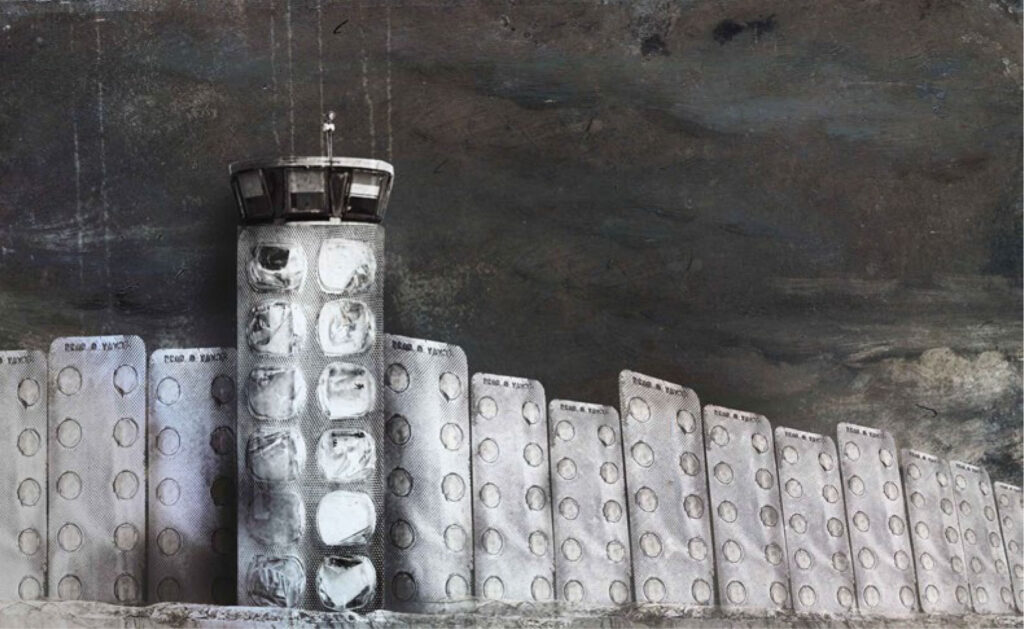
Thoth invites readers to witness the struggles of Palestinians and raise awareness of the ongoing catastrophe in the West Bank.
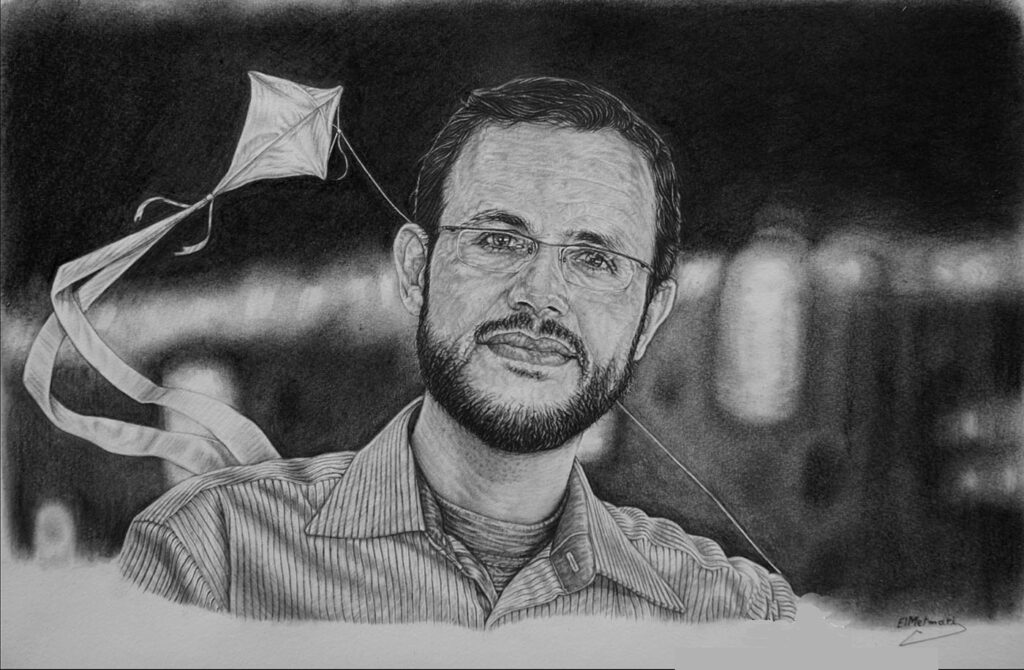
Palestinian Refaat Al-Areer was not just an academic. He was a living metaphor for Gaza’s steadfastness, writes his student Taqwa Al-Wawi.
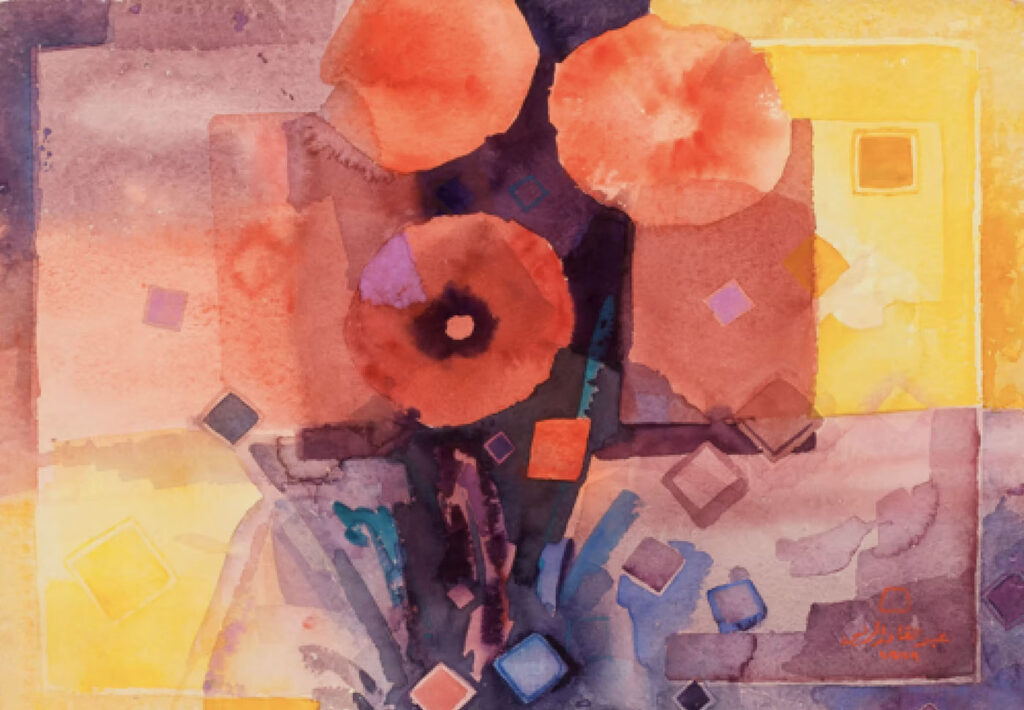
The “francophone” term limits books to the “Francophonie” section in French bookstores, and forces authors to focus on identity.
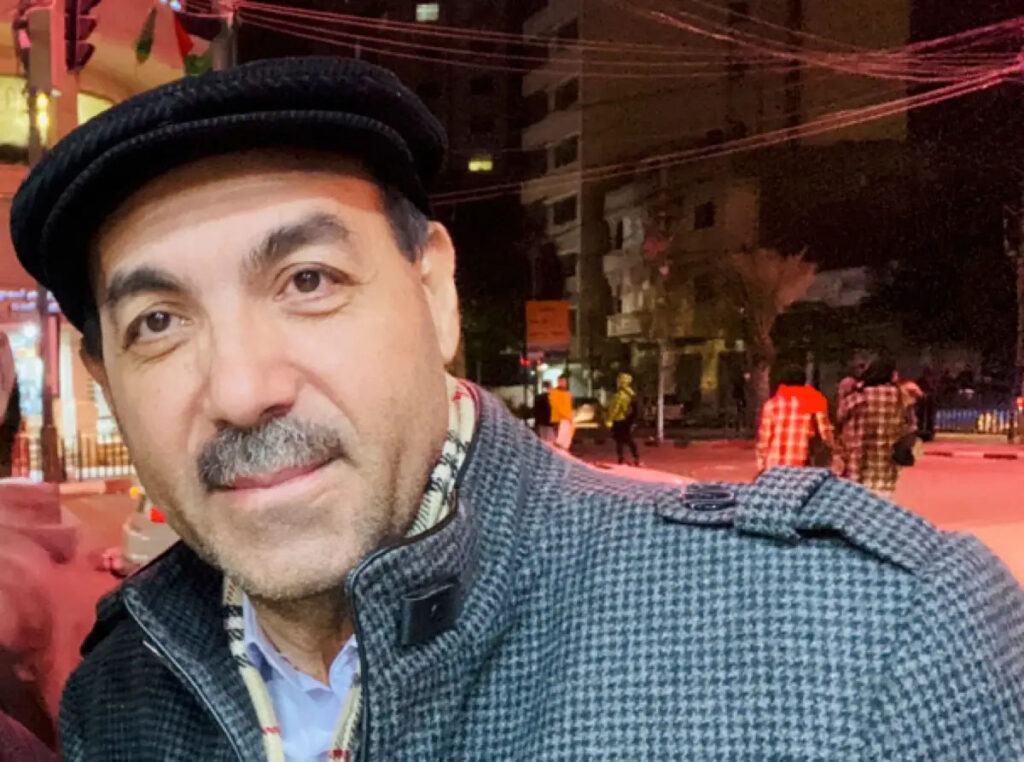
Nasser Rabah and other poets of Gaza are still writing — still sending their poems to us, because Palestine is literature.
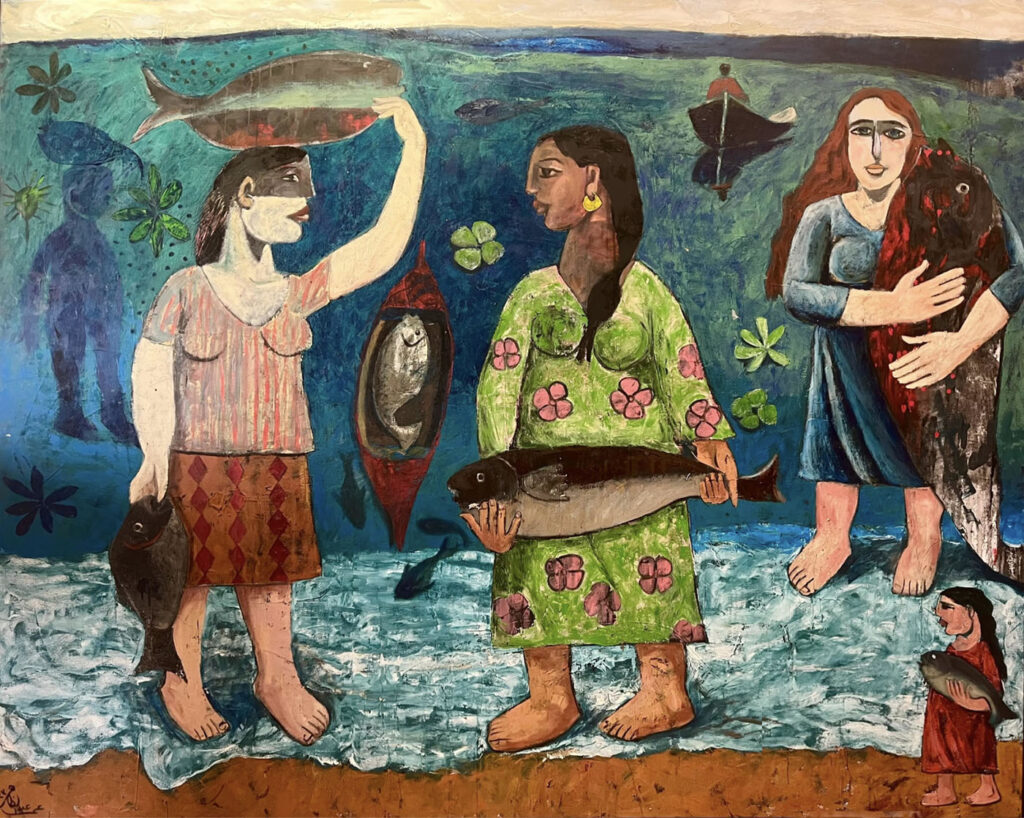
A doctor writes on the grand multiparas — women who have given birth five or more times.
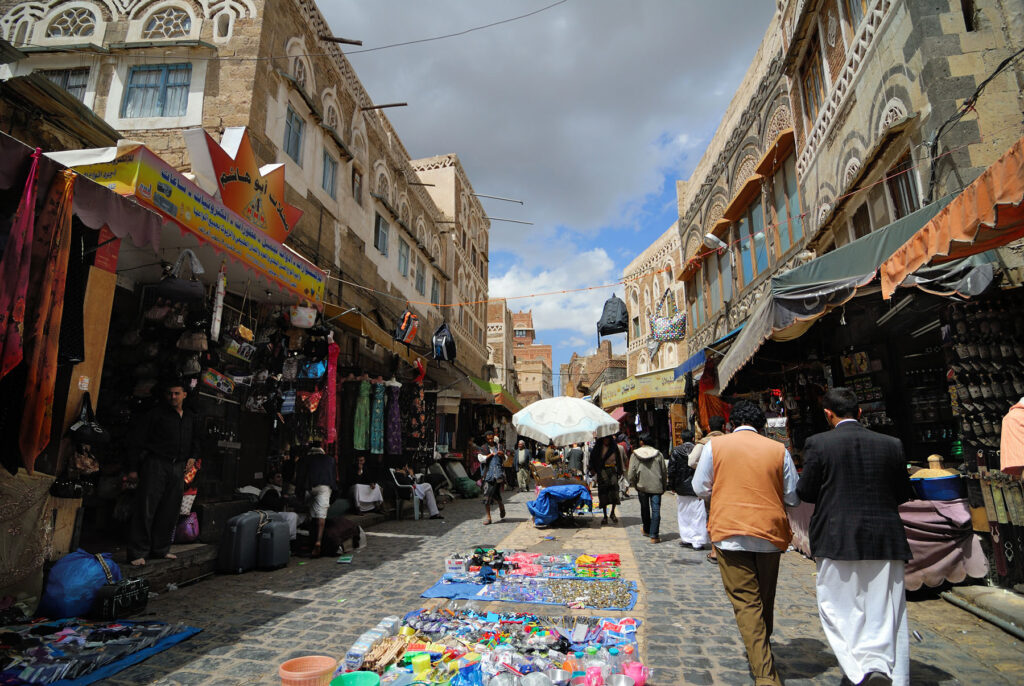
Wasta and nepotism are at the heart of this short story by Yemen’s most prolific writer, theatre critic, and journalist.
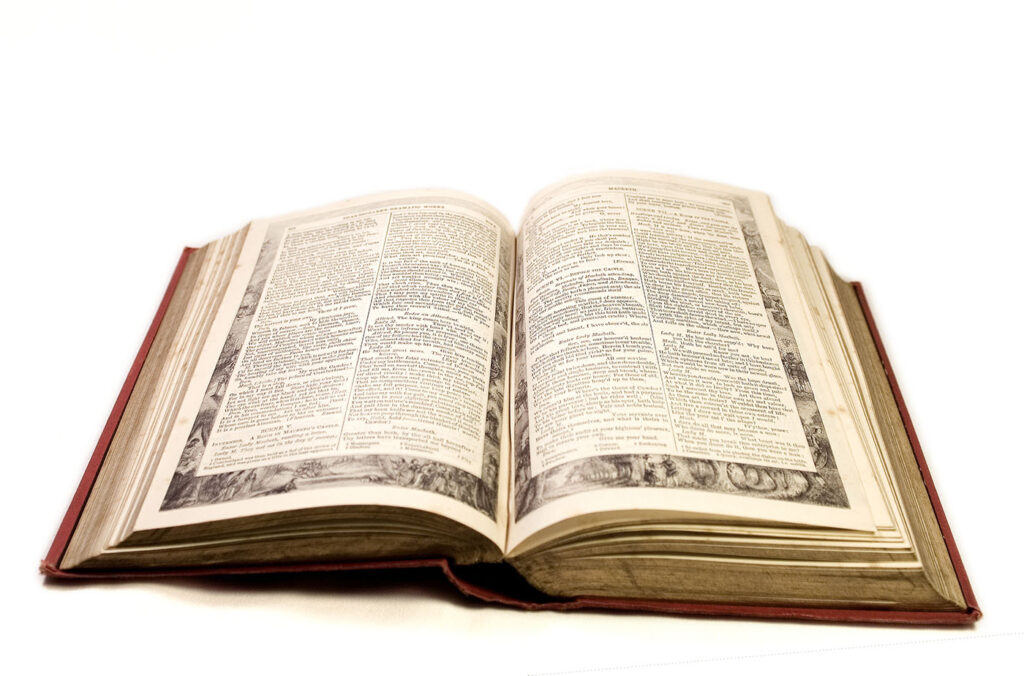
We’re not quite at “Fahrenheit 451” where books in pyres are burned in public, but our freedom to read faces significant threats.