Kaouther Ben Hania’s The Voice of Hind Rajab turns one child’s plea from Gaza into a stark reflection on empathy, bureaucracy, and the horrors of war. It earned the longest standing ovation in the Venice International Film Festival's history.
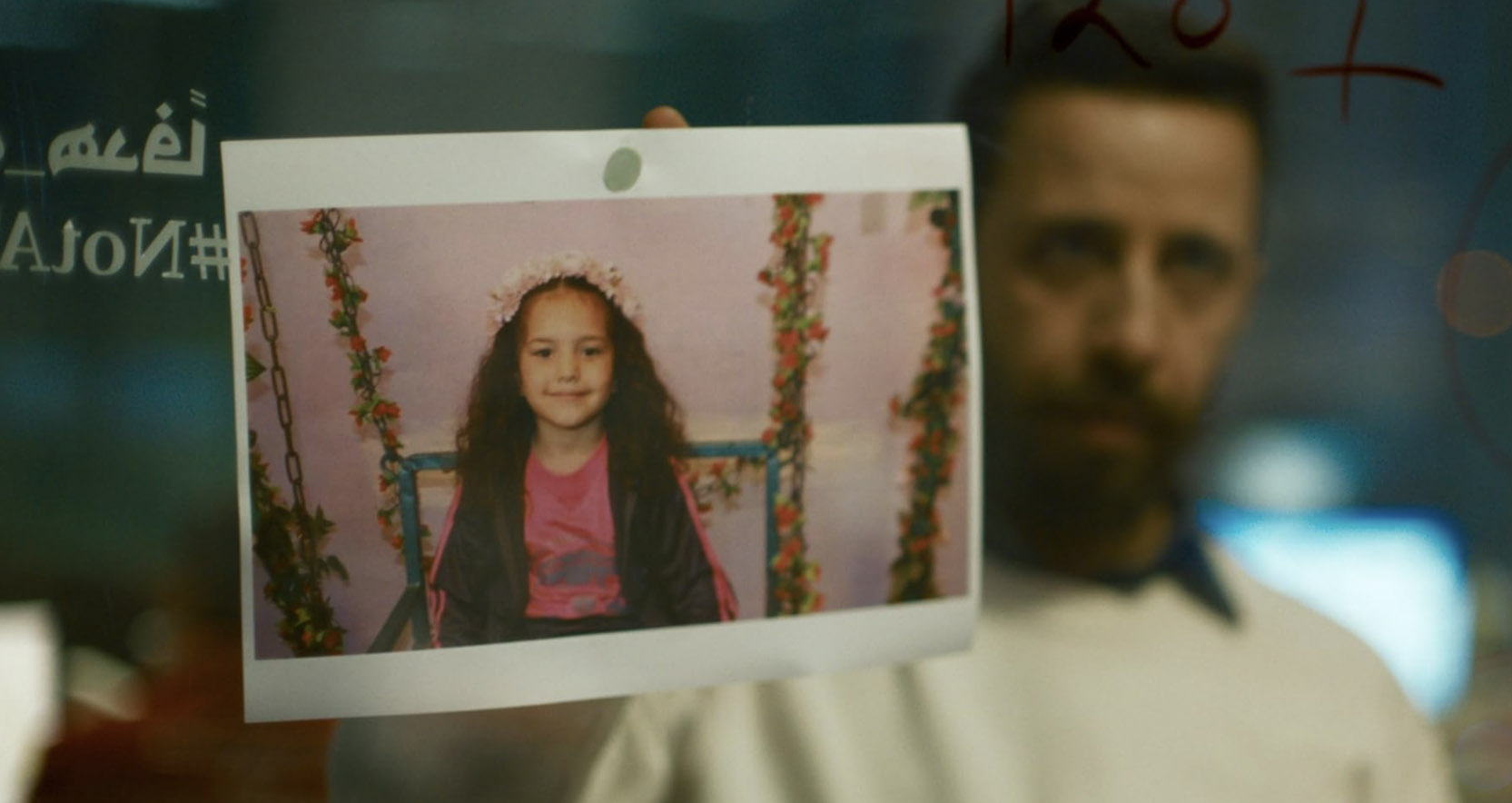
On January 29, 2024, the voice of a child pierces through the roar of war. Five-year-old Hind Rajab is trapped in a car surrounded by the dead bodies of her uncle, aunt, and three cousins — all civilians, killed when Israeli tank fire deliberately and repeatedly targeted their vehicle as they tried to flee Gaza City. (Human rights monitors later confirmed there were no militants present.) Through his headset, a dispatcher named Omar hears the child whisper: “Please come get me — I’m scared.” The next few hours, a series of calls would take place in a desperate attempt to save the young Palestinian girl’s life. Her urgent pleas, which ricocheted around the world via social media, became the spine of The Voice of Hind Rajab — a film that is at once riveting and excruciating.
Director Kaouther Ben Hania first heard the recordings of Hind while on a layover at LAX in the middle of her Oscar campaign for her 2024 documentary Four Daughters. They were sweeping social media, reposted across platforms in near real time. Ben Hania cancelled her next project, obtained the full 70-minute audio of the calls, and dove into dramatizing the critical hours of that day.
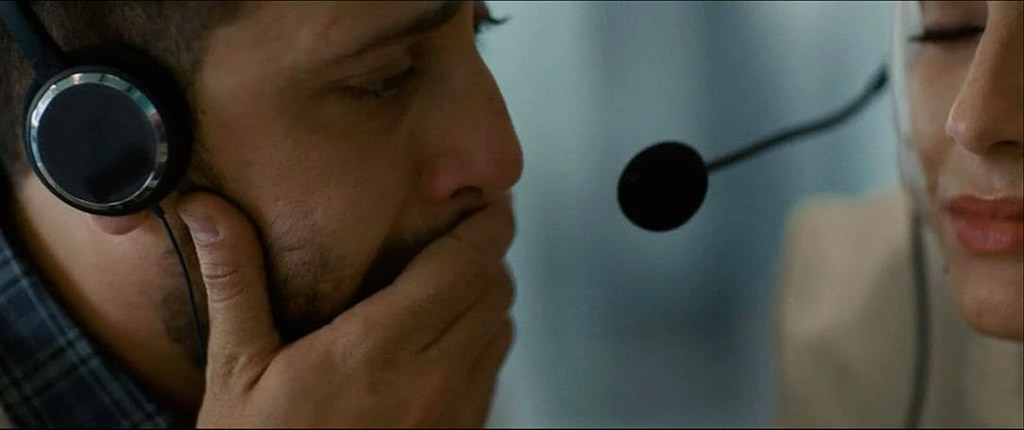
The Voice of Hind Rajab confines nearly all of its drama to one location — the dispatch center of the Palestinian Red Crescent Society, the primary humanitarian emergency medical service in Gaza and the West Bank. The world outside is a rumor of explosions and gunfire; inside, volunteers and staff strain over phones and monitors, their faces lit by the cold blue of emergency maps. The result is both a rescue thriller and an indictment of how bureaucracy and war conspire to crush compassion.
Inside these walls, the story plays out almost in real time. Omar (Motaz Malhees) pleads with his supervisor Mahdi (Amer Hlehel) to dispatch an ambulance sitting just eight minutes away from Hind’s bullet-riddled car. But protocol rules: the PRCS must contact the International Committee of the Red Cross, which must reach headquarters in Jerusalem, which must in turn request clearance from the Israeli military — each link in the chain demanding official confirmation before anyone moves. Seconds become minutes; minutes stretch into hours.
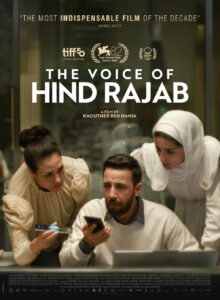
Over those hours, there are multiple calls placed between the rescuers and Hind. Sometimes, the young girl goes silent, and the worst is feared ¾ only to re-establish connection with her minutes later. Hope re-emerges from seemingly certain despair. But as the seconds and minutes tick away, with help never seeming to come, those in the call center grow frustrated. Omar finally snaps — first yelling at Mahdi, then slamming desks and throwing things. Trying to hold her colleague, and the center, together, is Rana (Clara Khoury), whose exhausted calm becomes the moral anchor of the room. Her presence and voice — a kind of bruised maternal steadiness — softens the chaos and tempers the two men’s conflict, as well as helps mitigate Hind’s helplessness. Her empathy is the film’s heartbeat, a reminder that human decency is still possible even when everything around you is falling apart.
At times the film chooses to heighten the drama, simplifying certain details. In real life, Hind’s older cousin was alive during some of the ordeal, helping her make the first calls. Here, Ben Hania keeps the focus on Hind alone. The dispatchers’ emotional outbursts occasionally skirt melodrama, and there are lots of tears. Only those present that day know the verity of these depictions, but regardless those choices serve a purpose. By tightening the scope and amplifying the panic, Ben Hania translates an unimaginable situation into something we can almost feel in our bones. The rescue doesn’t unravel through explosions — it unravels through silence, through protocol, through the sound of a terrified child’s voice and the helpless rage of those trying to reach her.
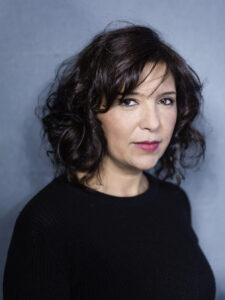
Shot with handheld urgency by cinematographer Juan Sarmiento G., the camera becomes an active witness — restless, observant, almost human. It drifts between monitors and faces, eavesdropping on the chaos, as if trying to steady itself amid the tension.
In one brilliant sequence, the filmmakers fold the real and the recreated into a single shot. A staffer inside the call center uses his smartphone to film the protagonists as they frantically make calls. As the phone pans from one face to another, the phone screen depicts the real-life footage taken on that day — images of the actual Red Crescent team responding to Hind’s call, their on-screen counterparts in the background mimicking their exact positions and actions. The casting is uncanny, the mirroring deliberate. It’s a masterful fusion of fiction and reality, collapsing re-creation into witness.
The film is also about how the omnipresent technology in modern life often amplifies yet also fails. Hind’s voice spread across TikTok, X, and WhatsApp within hours, her pleas shared by millions who could do nothing but lament. In the call center, a large wall display tracks an ambulance first stationary, and then agonizingly creeping along red-zone streets. Everyone is connected, yet powerless. The digital age promises instant results, but instead, in this case connection becomes a kind of torment. The film’s message is unspoken but unmistakable: all the technology in the world can’t always overcome human fallibility.
The only time The Voice of Hind Rajab leaves its suffocating interior comes in the final minutes — and the impact is devastating. Ben Hania cuts to real footage of the incident’s aftermath: the Gaza neighborhood where Hind’s car is finally found. The vehicle is riddled with 355 bullet holes, its frame shredded by the same tanks whose mechanical roars we’ve hauntingly heard intermittingly on the other end of the line throughout Hind’s calls. Nearby, we see the promise of help in the form twisted metal. Around them, mourners pick through debris, pulling out human remains, which are blurred. After so much carefully staged realism, the shift to documentary truth feels unbearable. It’s not cinema anymore; it’s evidence.
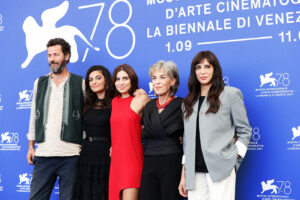
The film is Tunisia’s official submission for the 98th Academy Awards, and earlier this year at the 2025 Venice Film Festival, the film won the Grand Jury Prize and received a 23-minute standing ovation — the longest in the festival’s history. But for all the accolades, the film denies catharsis. There’s no triumph in watching a tragedy replayed. Just lessons. But will they be learned?
The Voice of Hind Rajab isn’t merely a chronicle of one child’s tragedy; it’s a reckoning with how easily human lives become enveloped in the fatal fog of a war that has no rules. Hind’s fate is a metaphor for what happens when the world hears and doesn’t act — when empathy is outsourced to protocol, and rescue is mediated by bureaucracy and delay, paperwork and politics. Is it the fault of bureaucracy, of war, of politics? Yes, all of them.
But it’s also the fault of a world that listens and does nothing.