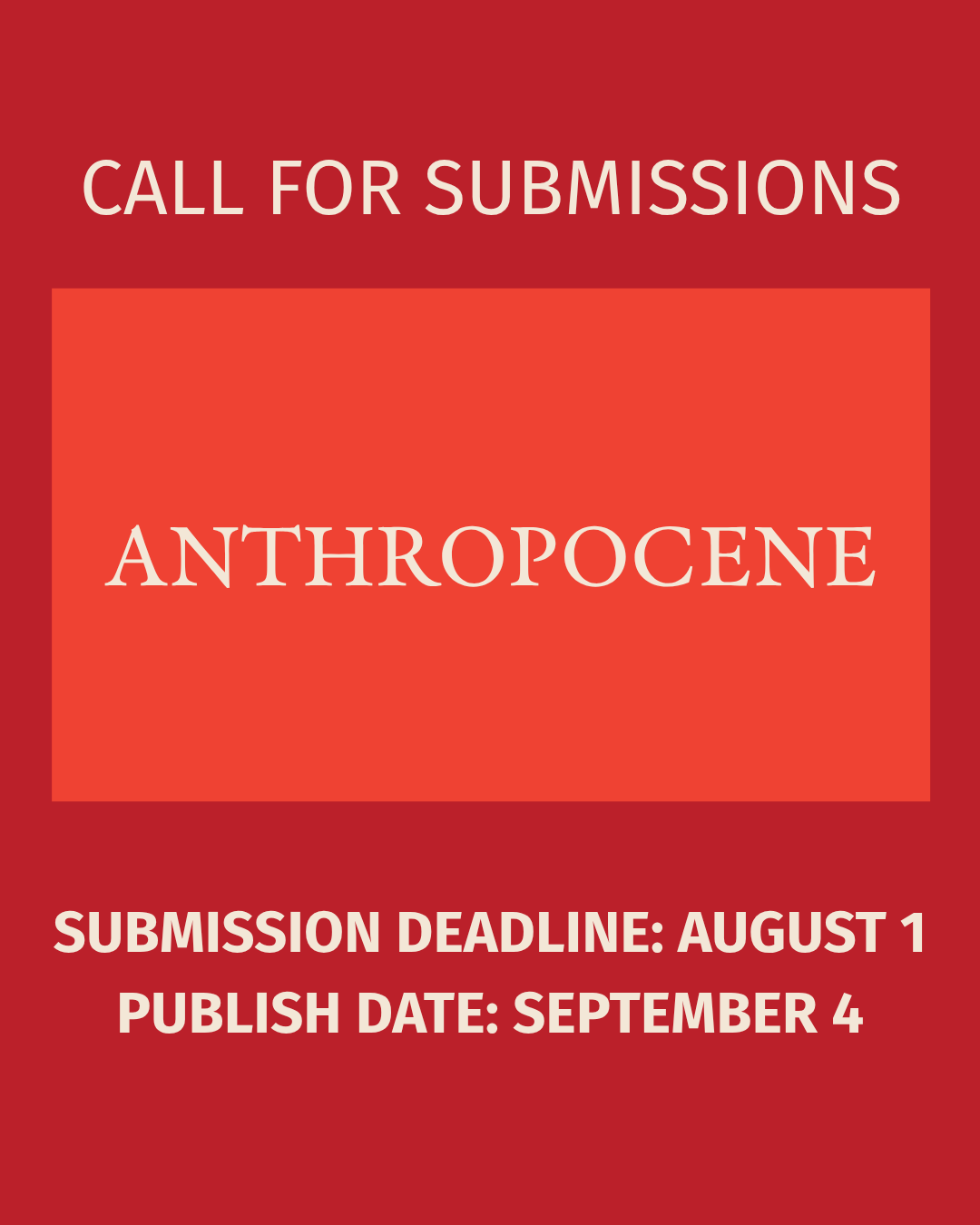
The Anthropocene is the name given to an epoch where human activity has irreversibly altered the conditions of life on earth: sea swallowing coastlines, forests burning beside high-rises, poisoned rivers, disappearing species while billionaires dream of colonies on Mars.
Yet anthropos has never referred to all humans equally. Long before climate collapse became a global talking point, Indigenous worlds were being re-ordered and destroyed in the name of civilization and progress. Colonial histories imagine settlers arriving in empty wildernesses. In reality, they encountered inhabited worlds: Indigenous cosmologies grounded in kinship between human and non-human life. Colonialism upended these worlds, creating hierarchies that cast some as civilized and others as primitive, closer to nature and therefore extractable.
These logics persist today, reverberating through the U.S.-funded Israeli genocide in Gaza, Lebanon, Sudan, the Congo, Kashmir, and elsewhere. They surface in droughts and fires, border regimes and greenwashed developments, AI data centers devouring water and energy, and in the Gulf, where petro-capitalist and extractive economies fuel ecological devastation and imperial ambition. Too often, these histories of violence disappear when ecological crises are reduced to a problem of universal “human impact.”
We invite fiction, nonfiction, poetry, translation, criticism, art, photography, film, and hybrid forms that interrogate these entanglements of racial capitalism, imperial violence, and ecological devastation. Tell us of worlds ending and already ended, and of what survives and what haunts us into the future. How do histories of extraction sediment within language itself? What does it mean for narrative structure to decenter the Anthropos? What happens when a sentence refuses colonial conquest, when a line break invokes occupation, exploited labor, or food sovereignty? How can form move beyond mere gesture and toward the serious work of worldmaking? We also welcome all modes of exploration: from speculative, surrealist, mythic, and genre-bending approaches, to petro-horror, climate fiction, eco-gothic, speculative and science fiction, borderlands, ruins, hauntologies and strange ecologies, impossible futures, and stories told from beyond the human.
Our query/submission window closes on August 1.
Submit here: DUOSUMA
دعوة لتقديم المساهمات • العدد 61 من TMR • سبتمبر/أكتوبر 2026
الأنثروبوسين
عصر «الأنثروبوسين» هو الاسم الذي أُطلق على حقبة غيّرت فيها الأنشطة البشرية ظروف الحياة على كوكب الأرض بشكل لا رجعة فيه؛ ابتلع البحر السواحل، واحترقت الغابات إلى جوار ناطحات السحاب، وسُممت الأنهار، وأخذت الأنواع الحية تنقرض، بينما يحلم المليارديرات بإنشاء مستعمرات على كوكب المريخ.
ومع ذلك، لم يشر مصطلح «أنثروبوس» قط إلى المساواة بين البشر. فقبل وقت طويل من تحول «انهيار المناخ» إلى موضوع نقاش عالمي، أعيد ترتيب عوالم الشعوب الأصلية ودُمرت باسم الحضارة والتقدم. تصور الروايات الاستعمارية وصول المستوطنين إلى برارٍ خالية، لكن في الواقع واجهوا عوالم مأهولة؛ كوزمولوجيات الشعوب الأصلية القائمة على الصلات بين الحياة البشرية وغير البشرية. لقد قلب الاستعمار هذه العوالم رأسًا على عقب، وخلق هيراركيات صنفت البعض على أنهم متحضرون، والبعض الآخر على أنهم بدائيون وأقرب إلى الطبيعة، وبالتالي قابلون للاستغلال.
لا تزال هذه النظرة قائمة حتى اليوم، تتردد أصداؤها من خلال الإبادة الجماعية الإسرائيلية التي تمولها الولايات المتحدة في غزة ولبنان والسودان والكونغو وكشمير وأماكن أخرى. وتظهر أثناء الجفاف والحرائق، وعند إنشاء أنظمة الحدود والمشاريع التنموية التي تتستر وراء مظهر «صداقة البيئة»، ومراكز بيانات الذكاء الاصطناعي التي تستهلك بكثرة المياه والطاقة، وفي منطقة الخليج، حيث تغذي الاقتصادات النفطية الرأسمالية والاستخراجية الدمار البيئي والطموح الإمبريالي. وفي كثير من الأحيان، تختفي تواريخ العنف هذه عندما تُختزل الأزمات البيئية إلى مشكلة «تأثير بشري» عالمي.
ندعوكم إلى تقديم أعمال في مجالات المقال والأدب والشعر والترجمة والنقد والفن والتصوير الفوتوغرافي والسينما والأشكال الهجينة، تناقش هذه التشابكات بين الرأسمالية العرقية والعنف الإمبريالي والدمار البيئي. اكتبوا لنا عن عوالم على وشك الزوال وعوالم انتهت بالفعل، وعن ما يبقى على قيد الحياة وما سيظل يطاردنا في المستقبل. كيف تترسب تواريخ الاستغلال داخل اللغة نفسها؟ ماذا يعني أن تبتعد بنية السرد عن «الأنثروبوس» (الإنسان) باعتباره المحور؟ ماذا يحدث عندما ترفض جملة ما الغزو الاستعماري، أو عندما يستحضر فاصل سطري الاحتلال، أو العمالة المستغلة، أو السيادة الغذائية؟ كيف يمكن للشكل أن يتجاوز مجرد إيماءة ويتجه نحو العمل الجاد في صناعة العالم؟ نرحب أيضًا بجميع أشكال الاستكشاف: من المناهج التخيلية والسريالية والأسطورية وتلك التي تكسر حدود الأنواع الأدبية، وصولًا إلى «رعب النفط»، والخيال المناخي، والأدب القوطي البيئي، والخيال التخيلي والعلمي، والمناطق الحدودية، والآثار، وعلم الأشباح، والبيئات الغريبة، والمستقبلات المستحيلة، والقصص التي تُروى من خارج نطاق الإنسان.
تفتح نافذة الاستفسارات وتقديم المشاركات بداية من 19 يونيو وحتى الأول من أغسطس.
Submit here: DUOSUMA
In addition to six bimonthly themed issues a year, The Markaz Review publishes regular weekly pieces. Our mission is broad but specific: to amplify voices from the “center of the world”—the Middle East, North Africa, and Southwest Asia (SWANA). In a world riven by injustice and inequality, we seek writing from and about these regions oft-overlooked, dismissed, and/or reduced to caricature and stereotype in and by western narratives. To this end, we invite submissions all year-round: essays, feature articles, short stories, memoir, translations, creative nonfiction, poetry, reviews of books, film, music, art, and theatre, as well as compelling profiles and interviews. For specific information about submissions (e.g., word length and how to query), please review our FAQ section. TMR is open to both emerging and established writers, and to writing in multiple languages, with a single caveat: literary excellence. So go ahead — wow us, surprise us, impress us, humble us, teach us.
Submit here: DUOSUMA